Clothing for a Minnesota November
Oh, Minnesota November. Just the mention of it can send shivers down a hunter's spine, not always from excitement, but often from the sheer dread of being miserably cold or soaked to the bone. We've all been there: shivering on a stand, teeth chattering as a raw wind cuts through what we thought were enough layers, or sweating profusely on a hike only to freeze once we stop. This comprehensive guide is here to tackle that universal hunting frustration head-on, delving deep into the art and science of proper clothing to ensure you stay warm, dry, and comfortable, no matter what unpredictable weather Minnesota throws your way during this critical hunting month.
Understanding the Minnesota November Climate
November in Minnesota is a wild card. One day, you might be enjoying crisp, relatively mild autumn air with bright sunshine, and the next, you're battling a full-blown blizzard. This isn't just a minor inconvenience; it's a make-or-break factor for your hunt, dictating not only your comfort but also your safety and endurance in the field. Ignoring these rapidly changing conditions is a surefire way to cut your hunt short and potentially put yourself in a tough spot.
Unpredictable Temperature Swings
It's truly a marvel how quickly the mercury can plummet in Minnesota. You might start your morning hunt with temperatures hovering around freezing, feeling comfortable during the walk in, only for a cold front to blow through by midday, dropping temps into the teens with a biting wind. Then, just as you're settling in for the evening sit, a rogue snow squall could arrive, making those early morning layers feel utterly inadequate. This isn't theoretical; it's the lived experience of countless hunters. You need a system that allows you to adapt to a 30-degree swing within hours, without having to pack your entire closet.
Think about those early November mornings when the ground is still crunchy with frost, but the sun, if it decides to make an appearance, can feel surprisingly warm by late morning. Then, as soon as it dips towards the horizon, the chill returns with a vengeance. Hunters who don't anticipate this rollercoaster often find themselves over-dressed and sweating during exertion, then freezing when static, or woefully under-dressed when the real cold sets in. A flexible layering system is your absolute best friend.
The Chill of Wind and Moisture
Beyond raw temperature, wind and moisture are the silent, insidious killers of warmth. A 30-degree day with no wind can feel downright pleasant, but add a 20 mph gust, and that "feels like" temperature can drop into single digits faster than you can say "frostbite." Wind strips away your body's insulating layer of warm air, leaving you vulnerable to the cold. It’s why you can feel warm one moment, then a sudden breeze makes you shiver uncontrollably. This wind chill factor is particularly brutal when you're perched in a treestand, exposed to the elements for hours.
Then there's moisture. Whether it's driving rain, sleet, or just that damp, clammy feeling from sweating inside too many non-breathable layers, wetness robs your body of heat at an alarming rate. Water conducts heat away from your body twenty-five times faster than air. A garment that's great for warmth when dry becomes a liability when soaked. We've all been caught in that unexpected drizzle that turns into a persistent cold rain, realizing too late our outer layer wasn't quite as waterproof as we remembered. Staying dry, both from external precipitation and internal perspiration, is paramount.
Snow, Sleet, and Freezing Rain
As November progresses, especially towards the latter half, the chances of encountering significant precipitation in the form of snow, sleet, or freezing rain dramatically increase. These aren't just minor weather events; they demand specific gear considerations. Heavy, wet snow can quickly saturate outer layers, leading to the problems of moisture we just discussed. Sleet, with its tiny ice pellets, stings the skin and adds another layer of chill, while freezing rain creates a slick, dangerous environment and quickly coats everything in a layer of ice.
Imagine trying to still-hunt through a fresh layer of crunchy snow, or sitting patiently as a mixture of sleet and freezing rain pelts your stand. Your clothing needs to not only shed this moisture but also retain its insulating properties when damp, which is a tall order for many materials. The weight of wet snow can also become quite burdensome on your gear, making movement more difficult. Preparing for these conditions means having robust outer layers designed for serious weather, not just a light drizzle. This is especially true if you plan on Hunting Deer in Deep Northern Minnesota Snow later in the season.
The Foundation: Base Layers for Warmth and Wicking
Your base layer is arguably the most critical component of your entire hunting wardrobe, yet it's often overlooked or misunderstood. This is the layer that sits directly against your skin, and its primary job is twofold: to provide a foundational layer of warmth and, more importantly, to manage moisture. If your base layer fails to wick away sweat, you're destined for a miserable hunt once your activity level drops, as that dampness against your skin will quickly become a chilling cold spot.
Synthetic vs. Merino Wool: Which to Choose?
When it comes to base layers, the debate often boils down to synthetic materials versus natural merino wool. Both have their devout followers and distinct advantages. Synthetic base layers, typically made from polyester or polypropylene, excel at wicking moisture away from your skin quickly. They dry rapidly, are generally very durable, and are often more budget-friendly. They're a fantastic choice for high-activity hunts where you expect to generate a lot of sweat, as they'll keep you feeling drier. However, synthetics can sometimes hold onto body odor, even with antimicrobial treatments, which can be a concern for scent-conscious hunters.
Merino wool, on the other hand, is a wonder fiber for cold weather. It's incredibly soft, naturally antimicrobial (meaning it resists odor build-up, a huge plus on multi-day hunts), and, most importantly, it retains a significant amount of its insulating power even when wet. This "warm when wet" property is a game-changer if you're caught in unexpected rain or sweat more than you anticipate. Merino also regulates temperature exceptionally well, keeping you warm when it's cold and surprisingly cool when it's mild. The trade-off? It can be more expensive and takes longer to dry than synthetics. For a deep dive, check out Wool Versus Synthetics in Wet Snow.
The Importance of a Snug Fit
Regardless of whether you choose synthetic or merino, the fit of your base layer is absolutely crucial. It needs to be snug against your skin – not constricting, but without any baggy areas. Why? Because for a base layer to effectively wick moisture, it needs continuous contact with your skin. Any air gaps between the fabric and your body will hinder its ability to draw sweat away, leaving you feeling clammy and cold. A snug fit also minimizes bulk, allowing your subsequent layers to fit properly without bunching up, which can create cold spots or restrict movement.
Think of it as a second skin. It should move with you, provide gentle compression, and feel comfortable enough to wear all day. If your base layer is too loose, it won't do its job, and you'll quickly regret the decision. If it's too tight, it can restrict blood flow and actually make you feel colder. Finding that sweet spot in sizing is essential, and it might mean trying on a few different brands or styles to get it right. Don't cheap out or compromise on fit here; it's the foundation of your entire warmth strategy.
Proper Care to Maintain Performance
You've invested in quality base layers, so protect that investment with proper care. These aren't just ordinary t-shirts; they're technical garments designed for specific performance. Washing them incorrectly can degrade their wicking properties, damage the fibers, and shorten their lifespan. Always follow the care instructions on the label. For most synthetics, this means cold water, gentle cycles, and air drying or very low heat to avoid melting or damaging the synthetic fibers.
Merino wool, while durable, requires a bit more care. Use a wool-specific detergent (or a mild soap), wash on a gentle cycle with cold water, and lay flat to dry to prevent stretching or shrinking. Avoid fabric softeners with both types of base layers, as they can clog the fibers and reduce their wicking effectiveness. Over time, even with proper care, your base layers might lose some of their oomph. But treating them right will ensure they continue to perform optimally for many hunting seasons to come, keeping you comfortable even during Hunting the Rut in Late October.
The Core: Mid-Layers for Insulation
Once your base layer is in place, your mid-layers are where the real insulating power comes from. These layers are designed to trap warm air close to your body, creating a thermal barrier against the cold. The beauty of mid-layers is their versatility; you can add or subtract them throughout the day to adapt to changing temperatures and activity levels, which is absolutely crucial for Layering for a Minnesota Deer Stand. You might start with a thinner mid-layer, add a heavier one for your static sit, and then shed it again for a walk back to the truck.
Fleece and Down: Different Insulators for Different Needs
When we talk about mid-layers, fleece and down are two of the most popular choices, each with unique characteristics. Fleece, typically made from synthetic polyester, is an excellent insulator. It's relatively lightweight, breathable, and continues to provide some warmth even when damp. It's also durable, relatively affordable, and dries faster than down. Fleece comes in various weights (100, 200, 300-weight) allowing you to fine-tune your insulation. A 200-weight fleece jacket is a common and highly effective mid-layer for many Minnesota November days.
Down insulation, on the other hand, offers unparalleled warmth-to-weight ratio. A thin down puffy jacket can provide incredible warmth for its bulk. However, down's biggest weakness is moisture; once wet, it loses almost all its insulating properties and takes a long time to dry. Some modern down garments use hydrophobic (water-resistant) down, which helps mitigate this issue, but it's still not as forgiving as fleece in wet conditions. If you're hunting in consistently dry, bitterly cold weather, down can be a fantastic choice. For typical Minnesota variability with potential for wet snow or freezing rain, fleece might be a safer, more versatile bet, or a synthetic "puffy" that mimics down's loft but retains warmth when damp.
Strategic Layering for Varying Activity Levels
The key to successful mid-layering is strategic adjustment. You're not aiming for a static amount of warmth throughout the entire day. Instead, you're building a system that allows you to vent heat when you're working hard and add insulation when you're still. When you're hiking into your stand, dragging a deer, or doing any kind of strenuous activity, you'll want to shed layers to prevent sweating. Remember, sweat is the enemy of warmth. Carry a small pack where you can stow these extra layers.
Once you reach your stand or your desired hunting spot and your activity level drops to zero, that's when you pile on the insulation. Having a heavier mid-layer, like a thick fleece or even a packable synthetic puffy, that you put on after you've reached your destination can make a huge difference in staying warm during a long sit. Many hunters will even carry an extra fleece jacket specifically for this purpose. This dynamic approach to layering prevents the cycle of sweating and freezing that so often leads to a miserable hunt.
The Vest Advantage: Core Warmth and Mobility
Don't underestimate the power of a good vest as a mid-layer. A vest, whether fleece or insulated with synthetic fill, provides excellent core warmth without adding bulk to your arms. This means you maintain full range of motion for drawing a bow, shouldering a rifle, or glassing, while keeping your vital organs toasty. For many hunters, a vest becomes an indispensable part of their layering system, especially during periods of moderate activity or when an extra layer is needed over a base layer but a full jacket feels like too much.
A vest is also incredibly easy to layer over or under other garments. You can wear it over your base layer, under a lighter jacket, or even under a heavier outer shell for an additional boost of core warmth. This makes it a highly adaptable piece of gear for Minnesota's fickle November weather. Consider a vest with strategically placed pockets for essential items, adding both utility and warmth without hindering your ability to make a clean shot.
The Shield: Outer Layers for Protection
Your outer layer is your primary defense against the elements – wind, rain, snow, and everything else Mother Nature throws at you. It needs to be tough, quiet, and most importantly, truly protective. This isn't just about comfort; a good outer layer can be the difference between a productive day in the field and heading back to the truck early, defeated by the weather.
Waterproofing vs. Water Resistance: Knowing the Difference
This is a critical distinction, especially in Minnesota's wet November weather. Water-resistant fabrics, often treated with a DWR (Durable Water Repellent) coating, will shed light rain or drizzle for a while. The water beads up and rolls off. However, under prolonged exposure to heavy rain or wet snow, a water-resistant garment will eventually "wet out," meaning the fabric absorbs moisture, and you'll get soaked.
Waterproof garments, on the other hand, are designed to be impenetrable to water. They achieve this through a waterproof membrane (like Gore-Tex or similar proprietary technologies) laminated to the fabric, and critically, taped seams that prevent water from seeping through the stitching. If you anticipate heavy rain, sleet, or persistent wet snow, a truly waterproof outer shell is non-negotiable. It's an investment, but one that pays dividends in comfort and sustained hunting time. Always prioritize waterproof over merely water-resistant for your primary outer shell in November. If you’re hunting in a low-activity scenario, even the best water-resistant fabric will fail in an hour or two of rain.
Quiet Fabrics for Stealth in the Woods
Having a waterproof outer shell is great, but if it sounds like you're wearing a crinkly potato chip bag every time you move, it's not going to do you much good for hunting. Deer, especially, have incredibly sensitive hearing, and that swish-swish of a loud jacket can betray your position long before you even get a shot opportunity. This is where hunter-specific outer layers come into play. Many modern hunting apparel brands develop fabrics that are not only waterproof and windproof but also engineered for minimal noise.
Look for outer shells made from brushed tricot, soft-shell materials, or fleece-backed waterproof fabrics. These materials tend to be much quieter than traditional hard-shell rain gear. While some noise is almost inevitable with truly waterproof materials, the best hunting options strike a balance, allowing you to move silently even in cold temperatures. Don't let your clothing be the reason a trophy buck slips away. This is especially true for bowhunters or those practicing Still-Hunting Minnesota Big Woods where every rustle can mean the difference between seeing a deer and hearing it run off.
The Critical Role of Blaze Orange (and Pink!)
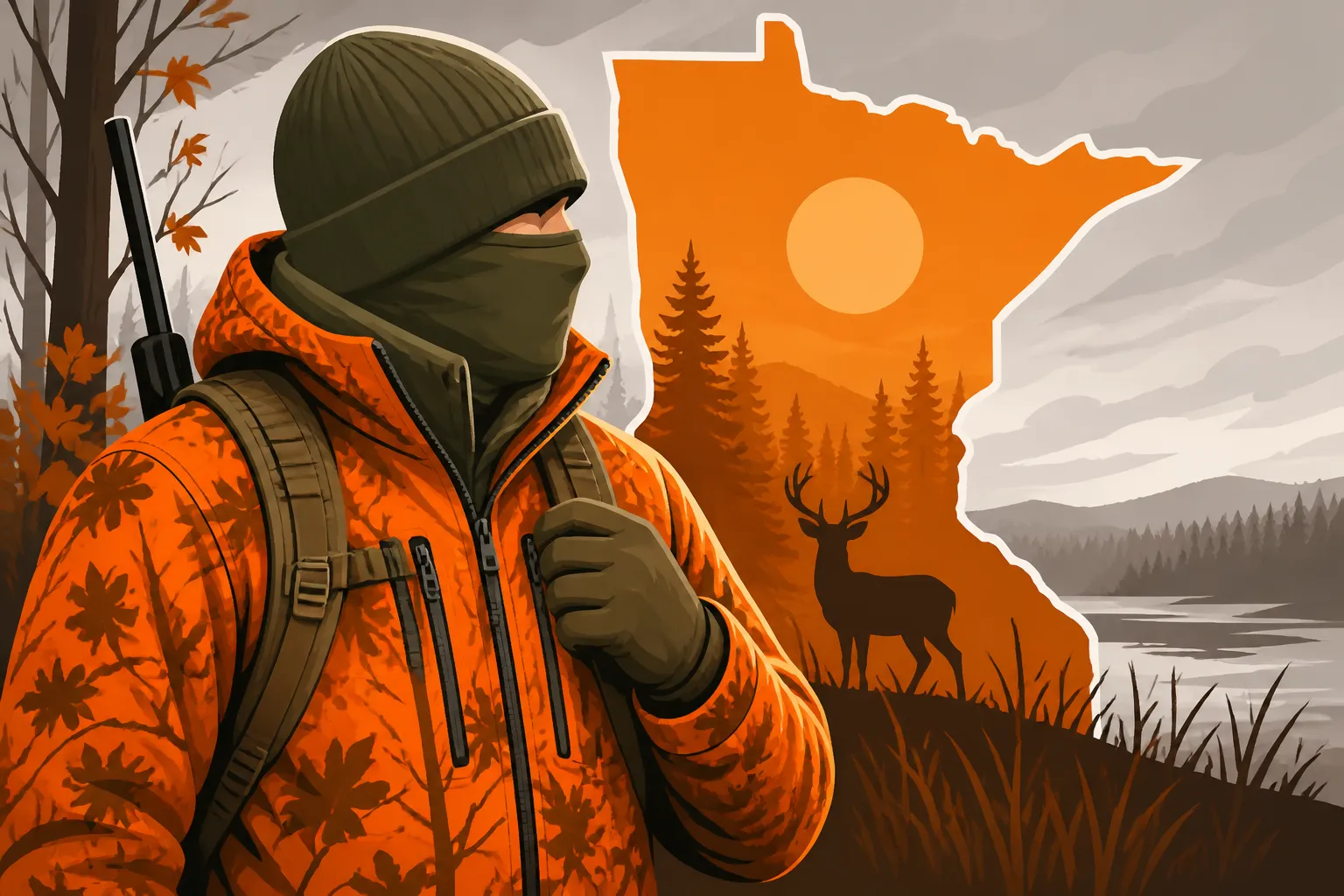
Safety first, always. In Minnesota, during the firearm deer seasons, specific blaze orange requirements are in place to ensure hunters are visible to one another. This isn't just a suggestion; it's a legal mandate and a crucial safety measure. Make sure your outer layer, or at least a significant portion of it, meets these requirements. Typically, this means wearing a blaze orange (or blaze pink, which is also legal in Minnesota) cap and an outer garment above the waist that is at least 50% blaze orange or pink. Check the current regulations for the precise amount of visible blaze orange/pink required, as it can be a bit more specific than just 'a hat and a vest'. For a full breakdown, check out How Much Blaze Orange Minnesota Requires and Blaze Pink Options Under Minnesota Law.
Having a high-quality blaze orange vest or jacket that integrates well with your layering system is key. You don't want a flimsy, oversized vest that catches on every branch or flaps in the wind. Many hunting brands now offer quiet, durable blaze orange outerwear that is also waterproof and insulated. This means you don't have to sacrifice performance for safety. It's not just about meeting the minimum; it's about being seen clearly by other hunters, particularly in dense cover or low light conditions.
Head, Hands, and Feet: Don't Forget the Extremities
You can have the warmest core in the world, but if your head, hands, and feet are cold, you'll still be miserable. These extremities are notorious for losing heat rapidly, and neglecting them is a common mistake that quickly leads to discomfort and a diminished ability to perform in the field. Protecting them effectively is paramount for overall warmth and endurance during a Minnesota November hunt.
Insulated Boots for Frozen Ground and Snow
Your feet are your foundation in the field, and cold feet will ruin a hunt faster than almost anything else. For Minnesota November hunting, especially as temperatures drop and snow becomes a real possibility, insulated, waterproof boots are non-negotiable. Look for boots with at least 800 grams of Thinsulate (or equivalent synthetic insulation); 1,200 to 1,600 grams is often preferred for static sits in colder conditions. The boots should also be completely waterproof, with a robust rubber or waterproof leather exterior to handle wet snow and muddy conditions.
Fit is crucial here. Your boots shouldn't be too tight, as that can restrict blood flow and actually make your feet colder. However, they also shouldn't be so loose that your foot slides around. Make sure there's enough room for a good pair of thick socks (or two pairs, if layering). Consider boots with aggressive tread for traction on icy or snowy terrain. And always, always break in new boots before opening day to avoid painful blisters. For more specific advice, look into Boots for Minnesota Swamps and Snow.
Layering Socks to Prevent Cold Feet
Just like your body, your feet benefit from a layering system. A common and effective strategy is to wear a thin, wicking liner sock directly against your skin, followed by a thicker, insulated outer sock. The liner sock's job is to pull moisture away from your foot, keeping it dry, while the outer sock provides the bulk of the insulation. Merino wool socks are exceptional for both layers, as they provide warmth even when damp and are naturally odor-resistant. Avoid cotton socks at all costs; they absorb sweat and will leave your feet cold and clammy.
Having multiple pairs of socks is also a smart move. If your feet get wet from sweat or external moisture, being able to swap out for a fresh, dry pair can be a game-changer. Carrying an extra pair in your pack for mid-day changes or emergencies is a habit every experienced Minnesota hunter adopts. A dry foot is a warm foot, and a happy foot can stay in the woods longer.
Gloves and Mitts for Dexterity and Warmth
Cold hands lead to fumbling, loss of dexterity, and the inability to effectively operate your gear, whether it's loading a rifle, nocking an arrow, or using your rangefinder. The challenge with handwear is balancing warmth with the need for fine motor skills. Many hunters employ a multi-glove system. Start with a thin, wicking glove (often merino or synthetic) that allows for maximum dexterity. This can be worn alone in milder conditions or as a liner under a heavier glove or mitt.
For colder conditions or static sits, a thicker, insulated glove or a pair of mitts can be worn over the liner. Mitts are generally warmer than gloves because your fingers share body heat, but they sacrifice dexterity. Some mitts have a feature that allows you to flip back the finger and thumb covers for quick access and shooting. Another popular option is a "shooter's mitt" or a hand muff, which provides a warm pocket for your hands and can be worn over thin gloves, allowing you to keep your trigger finger free until the moment of truth. Don't forget to pack some Hand Warmers That Last a Full Sit to boost warmth in gloves or mitts on those truly frigid days.
Headwear to Retain Body Heat
Your head is a significant source of heat loss, and keeping it covered is essential for overall body warmth. A warm hat, balaclava, or even a simple knit cap can make a surprising difference. For maximum warmth, choose a hat made of wool or fleece, perhaps with a windproof lining if you're hunting in exposed areas. A balaclava is particularly effective as it covers your entire head, neck, and face, leaving only your eyes exposed. This is invaluable on windy, snowy days.
For firearm hunters, remember that your headwear must also meet blaze orange/pink requirements if it's the only visible item. Many warm hunting hats are available in blaze orange or pink. For archers, a less conspicuous color might be preferred, but during firearm seasons, always comply with the visibility rules. Keeping your head warm isn't just about comfort; it helps your entire body stay warmer by reducing heat loss from a highly vascularized area.
Situational Dressing: Adapting to Your Hunt
Minnesota hunting isn't a monolithic experience; it varies wildly depending on your chosen method and the specific conditions of your hunt. A clothing system perfect for sitting still in a treestand will likely be entirely wrong for an active deer drive. Recognizing these differences and adapting your clothing accordingly is a hallmark of an experienced hunter.
Sitting in a Treestand: Maximize Static Warmth
When you're sitting for hours in a treestand, your activity level is essentially zero, which means your body generates very little heat. This is where you need to stack the insulation. The biggest challenge is often the wind, which can cut through layers mercilessly. Start with your snug base layers, add a couple of mid-layers (a vest plus a fleece jacket, or a heavier synthetic puffy), and then top it off with an insulated, windproof, and waterproof outer shell. Many companies offer insulated parkas and bibs specifically designed for stationary cold-weather hunting. These often have thicker insulation than typical "active" outer layers.
Consider bringing an extra, heavy "sit jacket" or even a blanket/sleeping bag specifically for the treestand. You carry this to your stand in your pack, then put it on after you've climbed up and settled in. This prevents you from sweating on the walk-in and ensures you have maximum warmth when you're still. A seat pad can also help insulate you from a cold treestand platform. The goal is to be so warm that you barely notice the biting cold, allowing you to focus on the hunt. For more tips on this, see Cold-Weather Sitting Strategy in Minnesota.
Still-Hunting and Drives: Prioritizing Mobility and Breathability
Conversely, if you're actively still-hunting through thick timber, participating in a deer drive, or tracking a wounded animal, your body will be generating a lot of heat. Here, mobility and breathability are your top priorities. You still need insulation and weather protection, but you want to avoid overheating and sweating profusely. A single base layer, a medium-weight fleece mid-layer, and a breathable, waterproof/windproof shell (uninsulated or lightly insulated) might be all you need.
Zippers are your best friend in these scenarios. Pit zips on jackets and full-length leg zippers on pants allow you to vent heat rapidly as your activity level changes. As you move, you might open zippers; when you stop to glass or take a break, you close them up to trap warmth. The goal is to regulate your temperature to stay just on the cool side of comfortable when moving, knowing you can add a layer or zip up when you stop. Avoid bulky clothing that restricts your movement or snags on branches. Agile movement is key, particularly during Deer Drives With Three or Four Hunters.
Post-Harvest: Staying Warm During Field Dressing and Retrieval
The excitement of a successful harvest can quickly give way to a chilling reality once the adrenaline wears off. Field dressing and retrieval are often physically demanding tasks performed in static or slow-moving conditions, which means your body temperature will drop rapidly. You'll be exposed to cold air, potentially getting messy, and certainly not generating much heat. This is a common time for hunters to get uncomfortably cold.
Before you start field dressing, take a moment to add layers, especially a warm hat and gloves. Consider having a dedicated pair of "dirty gloves" for field dressing that you don't mind getting messy. If you've packed an extra sit jacket, put it on. Having a thermos of hot coffee or soup to warm you from the inside out can also be a real morale booster. When retrieving, especially if dragging a deer, you'll heat up again, so be prepared to shed a layer or open zippers as needed. Planning for this post-harvest period is just as important as planning for the hunt itself to ensure you stay safe and comfortable, particularly when Field Dressing a Deer in Cold Weather.
The Gear Bag Essentials: Beyond What You Wear
Even with the perfect layering system, Minnesota's November weather can be unpredictable. That's why every smart hunter carries a small pack with a few essential items that can make a huge difference in comfort, safety, and extending your time in the field. Think of this as your emergency or comfort kit—items you hope you don't need, but are incredibly grateful for if you do.
Extra Layers and Dry Storage
Always, and I mean always, carry at least one extra insulating layer in your pack. This could be a spare fleece jacket, a packable synthetic puffy, or even just an extra heavy base layer shirt. If you get wet, having a dry layer to change into can prevent hypothermia. If temperatures drop unexpectedly, that extra layer can be the difference between staying warm and shivering uncontrollably. Store these extra layers in a waterproof dry bag or a heavy-duty Ziploc-style bag to ensure they stay perfectly dry, even if your pack gets wet.
Beyond just insulating layers, consider an extra pair of dry socks. There's nothing worse than cold, wet feet, and swapping out a damp pair for a fresh, dry set can instantly boost your morale and comfort. These small additions take up minimal space but offer maximum peace of mind and protection against the elements, allowing you to focus on the pursuit of your quarry during Hunting the Peak Rut in Early November.
Hand Warmers and Chemical Heat Packs
These small, inexpensive wonders can be absolute lifesavers on bitter cold days, especially during long, static sits in a treestand. Chemical hand warmers, toe warmers, and body warmers generate heat through an exothermic reaction and can provide hours of warmth. Tuck hand warmers into your gloves or hand muff, place toe warmers on top of your socks (never directly on skin), and body warmers can be placed in pockets or against your core under a mid-layer.
While they shouldn't replace proper layering, they are fantastic for boosting warmth in specific areas or providing a much-needed shot of heat when the cold truly starts to bite. A few strategically placed hand warmers can extend your sit by hours, allowing you to outlast the deer. Make sure to buy a fresh supply each season, as they do have a shelf life.
Emergency Shelter and Fire Starters
While not strictly clothing, these items are crucial for survival if conditions take a turn for the worse. A lightweight emergency space blanket or a small emergency bivy sack can provide critical protection from wind and cold if you get lost, injured, or unexpectedly have to spend a night out. They pack down tiny and weigh next to nothing, but they can reflect significant body heat and provide a barrier against the elements.
Couple this with reliable fire starters—waterproof matches, a lighter, or a ferro rod—and some tinder. Being able to build a small warming fire could literally save your life in a true emergency, especially in the remote northern woods. While we always plan for a successful hunt, we must prepare for the unexpected. Utilizing resources like GoHunt's mapping features to understand the terrain and plan emergency routes can be invaluable in these situations, helping you avoid ever needing these items.
Investing Wisely: Quality Gear That Lasts
Hunting gear is an investment, plain and simple. While it's tempting to opt for the cheapest option, especially when you're just starting out or feeling the pinch, quality clothing pays dividends in comfort, performance, and longevity. You're not just buying a jacket; you're buying warmth, dryness, and the ability to stay in the field longer and hunt harder.
The Value of Durable Materials
High-quality hunting apparel is constructed from durable materials designed to withstand the rigors of the outdoors. This means abrasion-resistant fabrics that won't tear on the first brush with a thorn bush, robust zippers that won't fail after a few uses, and strong stitching that holds up season after season. Cheap gear often uses inferior materials that quickly wear out, lose their water repellency, or simply fall apart, forcing you to replace them sooner and ultimately costing you more in the long run.
Investing in gear made with reputable waterproof membranes, tough outer fabrics, and well-regarded insulation means your clothing will stand up to thick brush, wet snow, and countless trips through the washing machine. This durability is particularly important when you're busting through dense cover or relying on your gear to perform flawlessly in challenging conditions.
Considering Brand Reputation
When researching hunting clothing, take the time to look into reputable brands known for their quality and performance in cold weather. Companies like Sitka Gear, Kuiu, First Lite, and others have built their reputations on designing technical apparel specifically for hunters facing extreme conditions. While their price tags might be higher, they often come with superior engineering, better materials, and thoughtful features that make a real difference in the field.
Reading reviews from other hunters can also provide valuable insight into how different garments perform in real-world scenarios. Tools and resources from platforms like GoHunt, which often review and showcase gear, can be really helpful here. Consider what other Minnesota hunters are using and recommending for similar conditions and hunting styles. Remember, a brand's reputation is often earned through years of delivering reliable performance.
Seasonal Sales and Smart Shopping
While quality gear is an investment, that doesn't mean you have to break the bank all at once. Smart shopping can help you acquire top-tier clothing without paying full retail. Keep an eye out for off-season sales, end-of-season clearances, and Black Friday deals. Many retailers offer significant discounts on hunting apparel during these periods. Subscribing to email lists of your favorite brands and retailers can also alert you to sales.
Another strategy is to build your wardrobe slowly, purchasing one or two key pieces each year. Start with your base layers and a solid outer shell, then add mid-layers and specialized pieces over time. This allows you to spread the cost and ensures you're investing in proven items that fit your needs. Don't feel pressured to buy everything new all at once; a well-thought-out, piecemeal approach can be just as effective and much kinder to your wallet.
| Layer Type | Material Examples | Key Function | Pros | Cons |
|---|---|---|---|---|
| Base Layer | Merino Wool, Synthetic Polyester | Wicking moisture, foundational warmth | Warm when wet (merino), odor-resistant (merino), fast-drying (synth), durable (synth) | Slower drying (merino), can retain odor (synth), can be expensive (merino) |
| Mid Layer | Fleece, Down, Synthetic Fill | Insulation, trapping body heat | Excellent warmth-to-weight (down), breathable (fleece), maintains warmth when damp (synthetic fill) | Loses insulating power when wet (down), can be bulky (fleece), expensive (down/high-end synthetic) |
| Outer Layer | Waterproof/Breathable Membrane, Brushed Tricot | Weather protection (wind, rain, snow), durability | Keeps you dry and warm, quiet fabrics available, durable | Can be pricey, some less breathable, "crinkly" noise in cheaper models |
| Extremities | Insulated Boots, Wool/Synthetic Socks, Layered Gloves/Mitts, Wool/Fleece Hats | Prevents heat loss from head, hands, feet | Essential for comfort & safety, specialized for dexterity/warmth | Can be bulky, hard to balance dexterity with warmth for hands |
Disclaimer
This article is for general informational purposes only and does not constitute professional advice. Laws, prices and regulations vary by location and change over time. Consult a qualified professional for guidance on your specific situation.