Cold-Weather Sitting Strategy in Minnesota
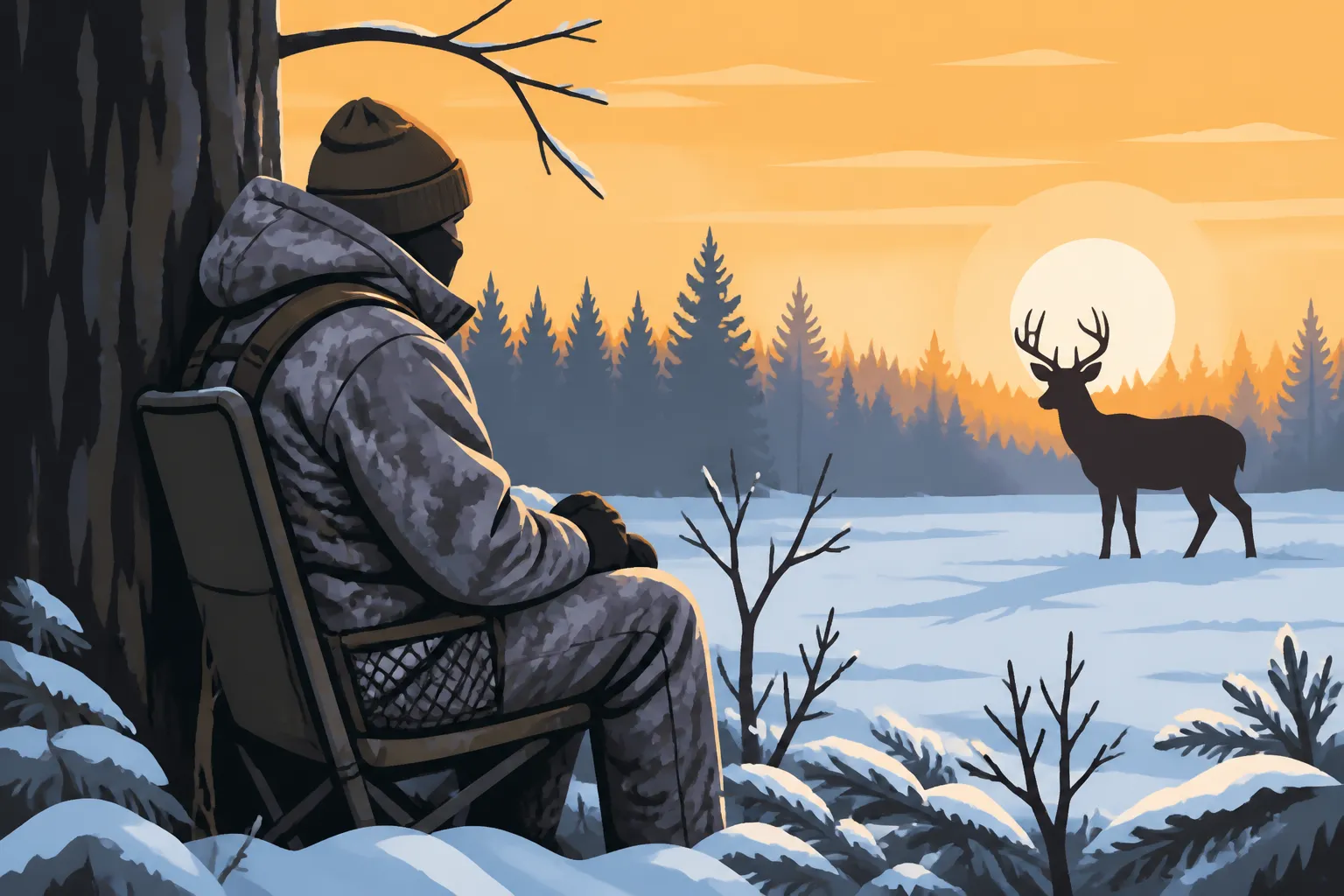
There’s nothing quite like the crisp, still air of a Minnesota winter morning in the deer stand. It can be absolutely magical. But let’s be real, that magic can turn into misery faster than a whitetail can vanish into a cedar swamp if you’re not prepared. Freezing your toes, shivering uncontrollably, and being forced to abandon your perfect ambush spot early because you simply can't stand the cold anymore is a frustratingly common experience for many hunters. This guide is all about equipping you with the strategies and gear to not only survive those brutal Minnesota cold fronts but thrive in them, maximizing your time afield and your chances of success.
Understanding Minnesota's Winter Chill and Its Impact on Hunting
Minnesota winters are legendary, and for good reason. The deep cold isn't just a number on a thermometer; it's a pervasive force that demands respect and strategic preparation from any hunter hoping to spend significant time outdoors. Ignoring it means risking not just discomfort, but potentially hypothermia and frostbite.
The Reality of Deep Cold in the North Star State
When we talk about deep cold in Minnesota, we're not just talking about temperatures hovering around freezing. We’re talking about bitter, sustained cold that can plunge into the single digits, often dipping well below zero. Add in the notorious wind chill, especially in open areas or on frozen lakes, and it can feel like your bones are turning to ice. This isn't just uncomfortable; it severely limits your ability to sit still, draw a bow, or even hold a rifle steady. Many hunters experience numb fingers and toes, stiff joints, and a persistent shiver that makes focusing on the hunt nearly impossible. The sheer mental fortitude required to sit for hours when the wind howls through the pines and cuts through less-than-adequate gear is immense, often leading to premature retreats from the stand.
How Deer React to Cold Weather
Understanding how deer cope with this extreme cold is crucial to your own success. Deer aren't just sitting there freezing; they're making calculated moves to conserve energy and find sustenance. As temperatures drop, especially into the late season, deer shift their priorities. Food sources become paramount, as they need to fuel their internal furnaces. You'll often find them focusing heavily on late-season food sources for Minnesota whitetails like standing corn, oak ridges with remaining acorns, or browse in sheltered areas. Thermal cover also becomes incredibly important. Think dense cedar swamps, thick pine plantations, or south-facing slopes that catch what little sunlight is available. These spots offer a reprieve from the wind and help them retain body heat. Their movement patterns might also change, with more activity during midday hours when the sun is at its highest, rather than just dawn and dusk. This shift means your old stand locations might be less effective, and a new strategy is needed.
Common Mistakes Hunters Make
It's easy to make mistakes when trying to beat the cold, and these often lead to prematurely ending a hunt. One of the biggest errors is under-layering, thinking that a single heavy jacket will do the trick. What usually happens is you'll get cold within the first hour, start shivering, and then spend the rest of your time trying to tough it out before finally packing up. Another common mistake is not protecting extremities adequately. Your hands, feet, and head are where you lose the most heat, and many hunters will skimp on quality gloves or boots, only to suffer the consequences. Forgetting about moisture management is another pitfall; cotton base layers, for instance, absorb sweat and hold it against your skin, making you feel much colder once you stop moving. Lastly, underestimating the mental toll of the cold can lead to frustration. If your mind is constantly focused on how cold you are, it's not focused on the hunt.
Layering Like a Pro: The Foundation of Warmth
Layering isn't just a buzzword; it's the absolute bedrock of staying warm and comfortable in a Minnesota deer stand. It allows you to regulate your body temperature effectively, adapting to varying levels of activity and changing weather conditions. Think of it as building a flexible warmth system, not just throwing on a bunch of clothes.
Base Layers: Wicking Away the Chill
Your base layer is arguably the most critical component, and often the most overlooked. Its primary job isn't insulation, but rather moisture management. When you walk to your stand, you generate heat and sweat. If that sweat stays on your skin, it cools rapidly once you stop moving, drawing precious heat away from your body. This is why cotton is the enemy in cold weather; it absorbs moisture and holds it like a sponge. Instead, you need materials that wick moisture away from your skin.
Merino wool is a fantastic natural option. It’s incredibly soft, naturally odor-resistant, and can actually retain some insulating properties even when damp. Brands like Sitka Gear or First Lite offer excellent merino wool options designed specifically for hunting. Synthetics, such as polyester or proprietary blends, are also highly effective. They are typically quicker drying than wool and often more affordable. Look for specific "moisture-wicking" or "performance" fabrics. The fit of your base layer is also important; it should be snug against your skin without being restrictive, ensuring maximum contact for efficient wicking. Don't go too tight, or you'll restrict blood flow, but don't go too baggy, or it won't work as intended.
Mid-Layers: Insulating Against the Elements
Once your base layer is doing its job, your mid-layers step in to provide the bulk of your insulation. These layers trap air, which is then warmed by your body heat, creating a thermal barrier against the cold. The key here is to use multiple lighter mid-layers rather than one super-thick one. This gives you greater flexibility to add or remove insulation as needed throughout the day or as conditions change.
Common mid-layer materials include fleece, down, and synthetic fills like PrimaLoft or Thinsulate. Fleece is a popular choice because it’s relatively inexpensive, quiet, and insulates well, especially when layered. Down is incredibly warm for its weight and highly compressible, making it great for packing in, but it loses its insulating power if it gets wet. Synthetic fills are a good compromise, offering warmth even when damp and often drying faster than down. For a typical Minnesota late-season sit, you might wear a thin fleece vest over your base layer, followed by a heavier fleece jacket or a lightweight puffy jacket. The goal is to create air pockets between each layer to maximize warmth. When thinking about your layering system, you're essentially building your personal Layering for a Minnesota Deer Stand.
Outer Layers: The Wind and Water Barrier
Your outer layer is your shield against the brutal Minnesota elements. It needs to do several things simultaneously: block wind, repel moisture, and ideally, be quiet and breathable. The wind chill factor in Minnesota can be devastating, so a truly windproof outer layer is non-negotiable. Many hunting-specific garments use Gore-Tex or similar proprietary membranes to achieve this.
Waterproofness is also important, especially if you anticipate freezing rain or wet snow. However, this doesn’t mean sacrificing breathability entirely. If your outer layer traps all your body heat and moisture inside, you'll still get clammy and cold. Look for outer shells designed with ventilation or breathable membranes. The fabric itself should ideally be quiet, especially if you're bowhunting or still-hunting, as noisy outerwear can spook deer. Pay attention to how the material moves and sounds when you draw a bow or raise a rifle. Brands like Sitka Gear, Kuiu, or even some of the more robust options from Cabela's or Bass Pro Shops offer excellent outer layer systems tailored for extreme conditions. It's often debated if Wool Versus Synthetics in Wet Snow is better for outer layers; while wool can be great, a dedicated waterproof/windproof shell often outperforms it for that critical outer barrier.
Strategic Gear for Extreme Cold Sits
Beyond layering, specific gear for your extremities and overall warmth can make or break a cold-weather hunt. These are the tools that directly combat the most common sources of discomfort.
Hands, Feet, and Head: Critical Extremities
These are your body's "thermal leak points" and protecting them is paramount.
- Hands: Forget those thin shooting gloves alone. For sitting, you need serious insulation. Many hunters use a layering system here too: a thin, dexterous glove for warmth and grip while moving, then a larger, heavily insulated mitten or "shoot-thru" mitten (like those from ArcticShield or Icebreaker) that you can pull your hand out of to shoot. Chemical hand warmers, often tucked into those mittens, are a game-changer.
- Feet: Cold feet are pure misery. Invest in high-quality, heavily insulated boots designed for extreme cold. Look for ratings like "1000g Thinsulate" or higher. Brands like Schnee's, Kenetrek, or even some of the more rugged options from Irish Setter or Sorel are popular among Minnesota hunters. Combine these with moisture-wicking wool socks (again, multiple pairs of thinner socks can be better than one thick one) and consider chemical foot warmers. Many swear by Insulated Boots for All-Day Sits as the single most important gear investment. Remember, if your boots get wet, they lose much of their insulating power, so waterproofing is key, especially when dealing with Hunting Deer in Deep Northern Minnesota Snow.
- Head: You lose a significant amount of body heat through your head. A good wool or fleece beanie is essential. For really bitter days, a balaclava that covers your face and neck will make a world of difference. Combine that with the hood of your outer jacket for maximum protection against wind and blowing snow.
Portable Heaters and Warming Devices
When the mercury truly plummets, a bit of external heat can dramatically extend your sit time.
- Propane Heaters: Small, portable propane heaters like the Mr. Heater Portable Buddy are incredibly popular in ground blinds or larger, enclosed treestand setups. They put out a surprising amount of heat and can keep a small space comfortable for hours. Always remember to ensure adequate ventilation when using any propane heater, especially in a fully enclosed blind, to prevent carbon monoxide buildup. This is a critical safety consideration.
- Battery-Powered Heated Gear: Technology has come a long way. Heated vests, socks, and gloves powered by rechargeable batteries can provide a continuous source of warmth directly to your core or extremities. While an investment, many hunters find them indispensable for those long, cold sits. Brands like Sitka, Gerbing, or even many generic options are available.
- Chemical Warmers: These inexpensive, single-use packets are a hunter's best friend. Stock up on hand warmers, foot warmers, and body warmers. Place body warmers against your core (lower back, chest) for maximum effect, and always keep a few extra in your pack.
Accessories for Comfort and Endurance
It’s the little things that often make the biggest difference in endurance.
- Insulated Seat Cushions: A cold stand seat will leach heat from your body relentlessly. A thick, insulated foam or gel cushion can create a vital barrier between you and the cold metal or wood of your stand.
- Hot Beverages: A good quality thermos filled with coffee, tea, or hot chocolate can provide both internal warmth and a much-needed morale boost. Sipping a warm drink can also help you stay hydrated, which is important even in cold weather.
- Snacks: High-energy snacks like nuts, trail mix, or chocolate can help fuel your body's internal furnace. Avoid anything too cold or watery.
- Mental Focus Tools: Sometimes the cold is as much a mental game as a physical one. Consider bringing a small book, an audiobook downloaded on your phone, or simply practicing mindfulness to keep your mind engaged and off the discomfort. Tools like the
GoHuntapp can also be a great way to pass the time by reviewing maps, scouting new areas virtually, or checking weather patterns, keeping your mind engaged with the hunt while staying warm.
Implementing Your Cold-Weather Sitting Strategy
Having the right gear is only half the battle; knowing how to strategically apply it to your hunt is where true mastery comes in. This involves careful planning and adapting to conditions.
Location, Location, Location: Picking Your Stand
Your stand location becomes even more critical in cold weather. Deer are seeking shelter and high-energy food, and if you can key in on those needs, you’ll find success. Start by prioritizing areas with dense thermal cover. This could be a thick conifer stand, a dense cedar swamp, or even a sheltered ravine. Deer will often bed in these areas, especially on north-facing slopes, and then move to south-facing slopes or open fields to feed and catch the sun's rays.
Look for reliable food sources that are still available and high in calories. This includes standing cornfields, oak ridges with acorns that haven't been picked clean, or areas with persistent browse like dogwood or sumac. Often, the transition lines between thick cover and these food sources are golden opportunities. Use scouting apps like GoHunt to analyze aerial photos, identify pinch points, and find those prime locations where deer will move naturally between bedding and feeding, offering you a better chance for a shot. When you're dealing with Reading a Ridge for Northern Minnesota Deer, pay extra attention to how the terrain offers thermal protection.
Timing Your Hunt: Peak Movement Hours
While early morning and late afternoon are generally prime deer movement times, extreme cold can shift this significantly. On bitter cold days, deer may hunker down during the coldest hours of dawn and dusk and become more active during the midday, when temperatures are slightly warmer, and the sun offers some relief. This is especially true for mature bucks. Don't be afraid to adjust your schedule. A full midday sit from 9 AM to 3 PM can often be more productive than freezing your tail off at first light and quitting by 9.
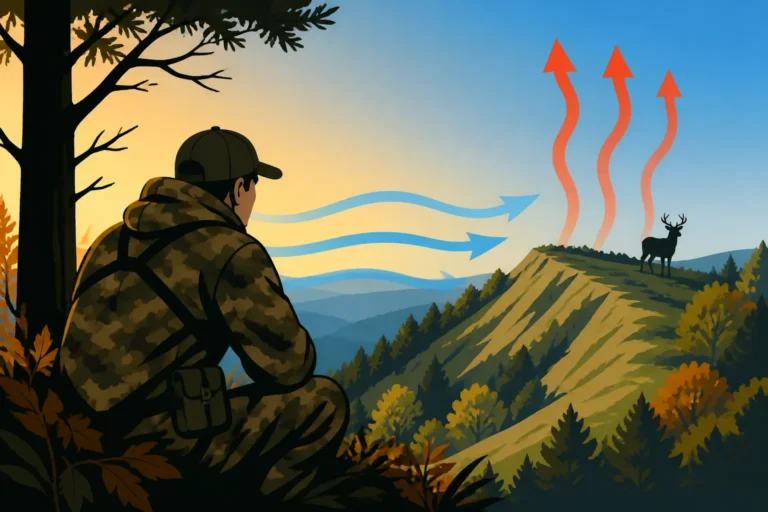
Observing wind patterns is also crucial. Deer will often use the wind to their advantage, bedding with the wind at their back to scent danger approaching from behind, and then traveling into the wind to scent-check ahead. Factor this into your stand placement, ensuring your scent is carried away from known travel routes. For more specific late-season tactics, consider diving deeper into Muzzleloader Tactics in December Cold or Hunting the Minnesota Rut in Early November where cold is often a factor.
The Mental Game: Staying Focused and Positive
Enduring prolonged cold is as much a mental challenge as it is a physical one. It’s easy to let discomfort creep in and diminish your focus. Preparation is key here too. Knowing you've done everything possible to stay warm—from your base layers to your insulated seat—builds confidence. Having a plan for mental engagement, whether it's reviewing your GoHunt maps for the area, practicing shot sequences in your head, or simply taking in the beauty of the frozen landscape, can help pass the time.
Patience is a virtue in all hunting, but especially in the cold. Deer movement might be slower, or come in shorter bursts. Staying positive and alert for that one opportunity is crucial. Remind yourself why you're out there—for the challenge, the experience, and the potential reward. Getting into a deep winter woods setting requires meticulous scouting; reading aerial photos for big woods deer is an excellent way to pinpoint potential hideouts and travel corridors before you even step foot in the snow.
Here's a quick guide to essential gear layers for different cold conditions:
| Layer Type | Function | Mild Cold (30-40°F) | Moderate Cold (15-30°F) | Extreme Cold (<15°F) |
|---|---|---|---|---|
| Base Layer | Wicks moisture | Lightweight Merino or Synthetic | Mid-weight Merino or Synthetic | Heavyweight Merino or Synthetic |
| Mid-Layer(s) | Insulates body | Light fleece jacket/vest | Mid-weight fleece + light puffy | Heavy fleece + insulated puffy (down or synthetic) |
| Outer Layer | Blocks wind/water | Windproof softshell (some water resistance) | Waterproof/windproof insulated shell | Heavy-duty waterproof/windproof insulated parka/bibs |
| Headwear | Retains heat | Beanie or baseball cap with ear flaps | Warm beanie, neck gaiter | Balaclava, warm beanie, insulated hood |
| Handwear | Protects dexterity/warmth | Thin gloves | Mid-weight gloves, hand warmers | Insulated mittens (with thin glove inside), hand warmers |
| Footwear | Insulates feet | Insulated hunting boots (400-600g) + wool socks | Insulated hunting boots (800-1200g) + heavy wool socks | Extreme cold boots (1200g+) + layered wool socks, foot warmers |
| Additional Gear | Enhanced comfort/survival | Seat cushion, hot drink thermos | Chemical body warmers, better seat cushion | Portable heater (ground blind), heated vest/socks, sled for gear |
Disclaimer
The information provided in this article is for general guidance and informational purposes only. Hunting regulations and conditions in Minnesota can change rapidly. Always consult the official Minnesota Department of Natural Resources (DNR) website and regulations handbook for the most current and accurate information regarding seasons, licenses, permit areas, and specific rules before planning any hunting trip. Hunter safety is paramount; always prioritize safety and hunt responsibly.