Timber Wolves Versus Coyotes in Minnesota
Timber wolves weigh eighty to one hundred twenty pounds, while coyotes weigh twenty to fifty pounds, aiding field identification.
Know what you’re after.
Big game, small game, upland birds, and waterfowl — identification, behavior, rut and migration timing, and how each species moves through the season.
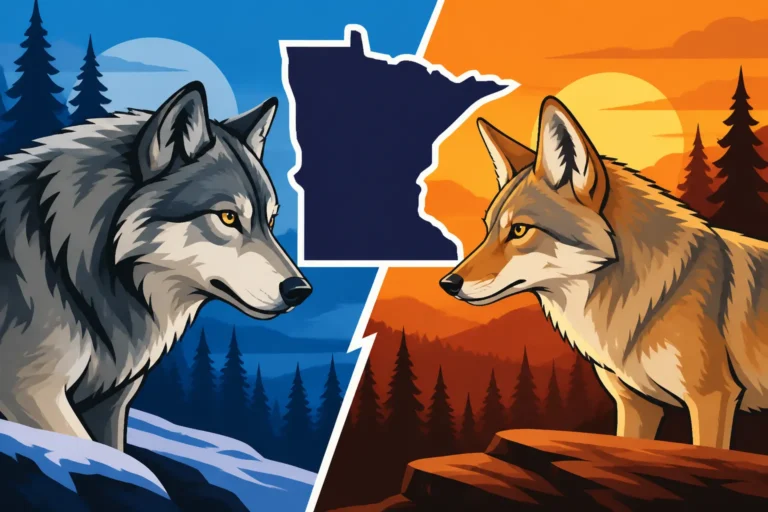
Timber wolves weigh eighty to one hundred twenty pounds, while coyotes weigh twenty to fifty pounds, aiding field identification.
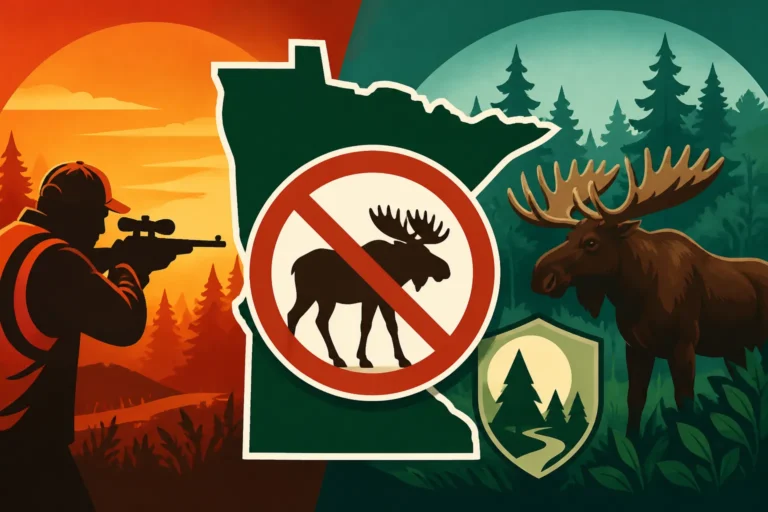
Minnesota moose hunting closures resulted from declining populations caused by environmental shifts, disease pressures, and habitat challenges.
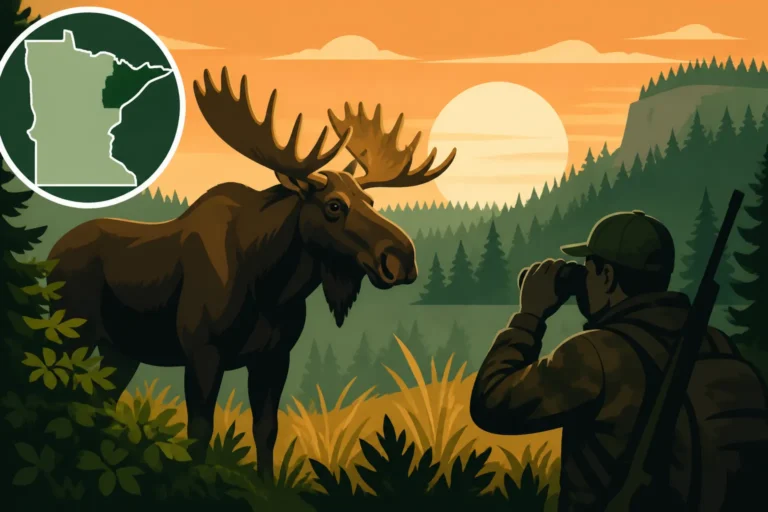
Northeast Minnesota moose sightings depend on understanding boreal forest habitats, wetland areas, and preferred browsing food sources.

Porcupine timber damage in Minnesota forests explains why rodents strip bark, how to identify signs, and mitigation strategies.
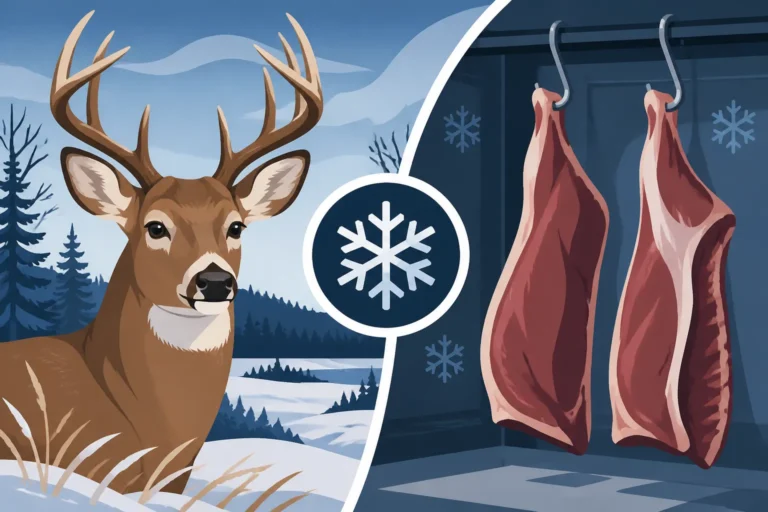
Aging venison during Minnesota cold weather requires keeping temperatures between 34 and 40 degrees for proper tenderization.
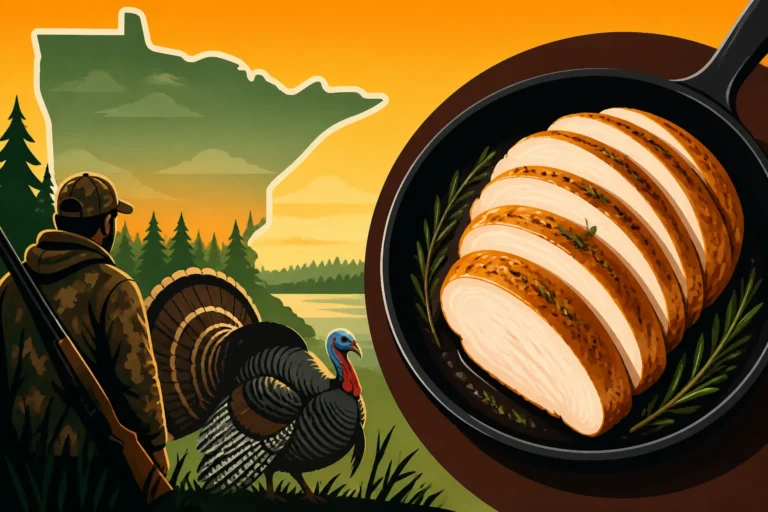
Wild turkey breast preparation techniques prevent dry meat through proper field care, rapid cooling, and brining methods.
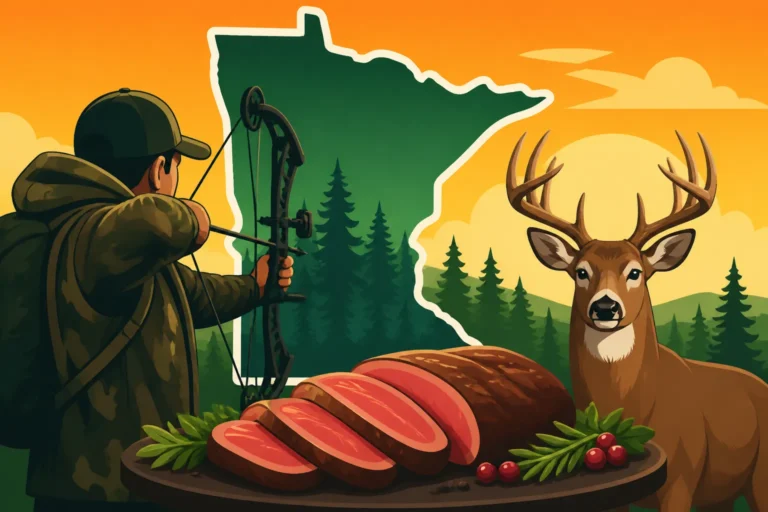
Minnesota wild game flavor and tenderness depend on animal diet, habitat, age, sex, and proper field care processing methods.

Donating venison in Minnesota helps feed families facing food insecurity while managing abundant deer populations and supporting conservation.
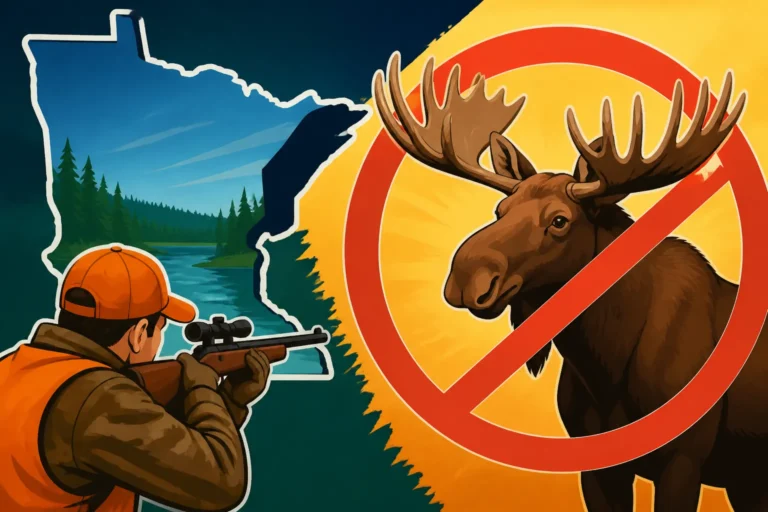
Minnesota wildlife regulations identify protected animals you cannot hunt, including moose, wolves, eagles, owls, and migratory songbirds.
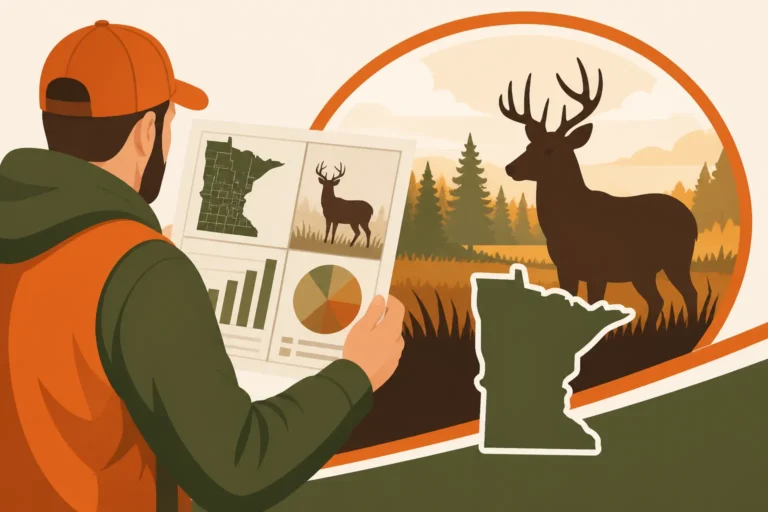
Minnesota harvest reports explain deer populations, permit areas, and hunter success trends to improve your hunting strategy.