Deer Drives With Three or Four Hunters
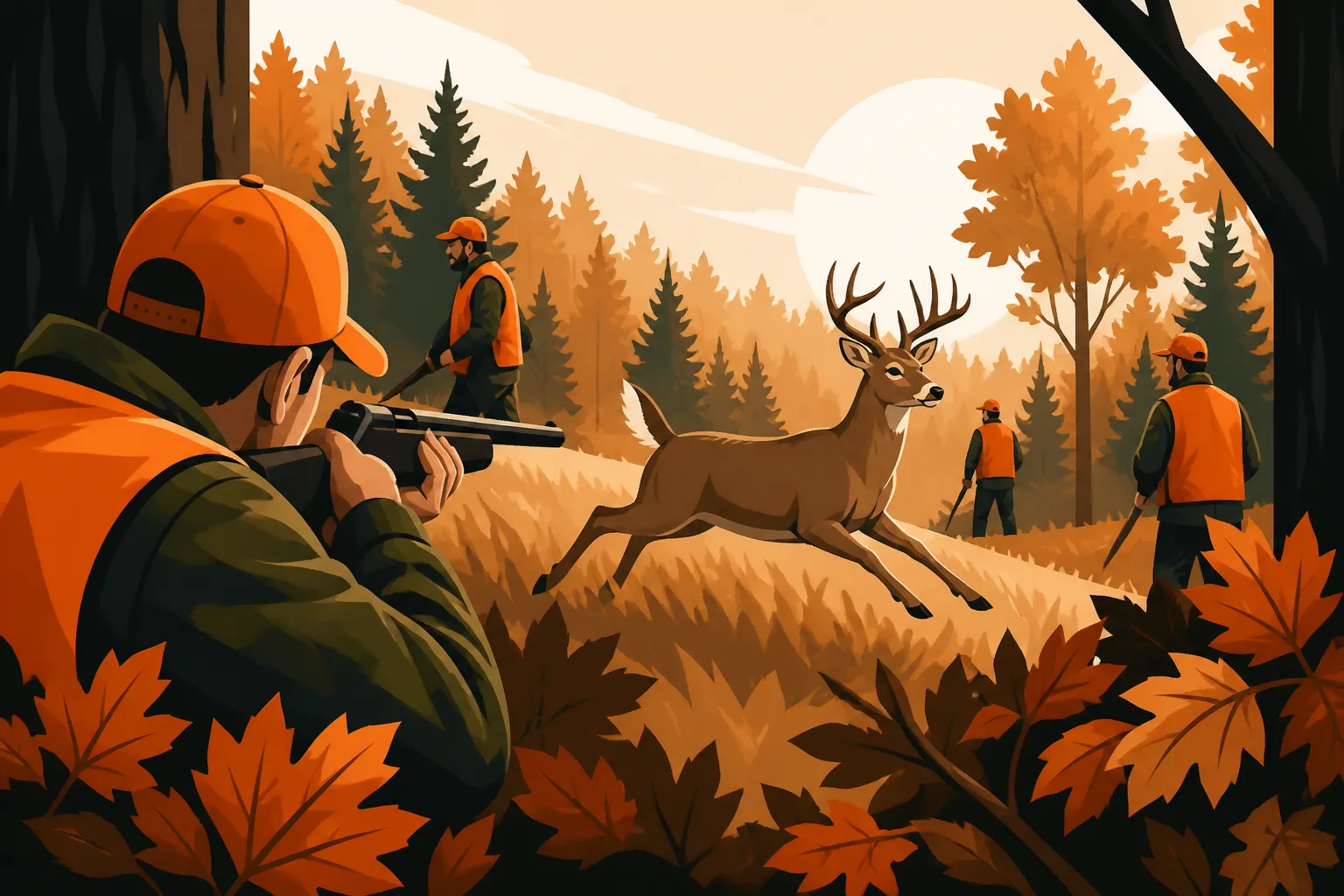
Trying to pull off a deer drive with a massive group often leads to chaos, missed opportunities, and more frustration than venison in the freezer. It feels like every time you gather a big crowd, someone's late, someone else doesn't understand the plan, and the deer slip right through the cracks. But here's the secret: you don't need a small army to execute an effective deer drive. In fact, some of the most successful drives, especially in Minnesota's diverse landscapes, are done with just three or four dedicated hunters. This guide is all about showing you how to turn a small crew into a highly efficient deer-driving machine, focusing on precision, communication, and leveraging the strengths of a compact team.
The Art of Strategic Scouting for Small Drives
Before you even think about stepping foot in the woods with your small crew, the real work begins with meticulous scouting. For a three or four-person drive, you can't afford to be guessing. Every hunter needs to understand the terrain, the deer, and the plan inside and out. This isn't just about finding tracks; it's about predicting deer behavior under pressure.
Understanding Deer Movement and Escape Routes
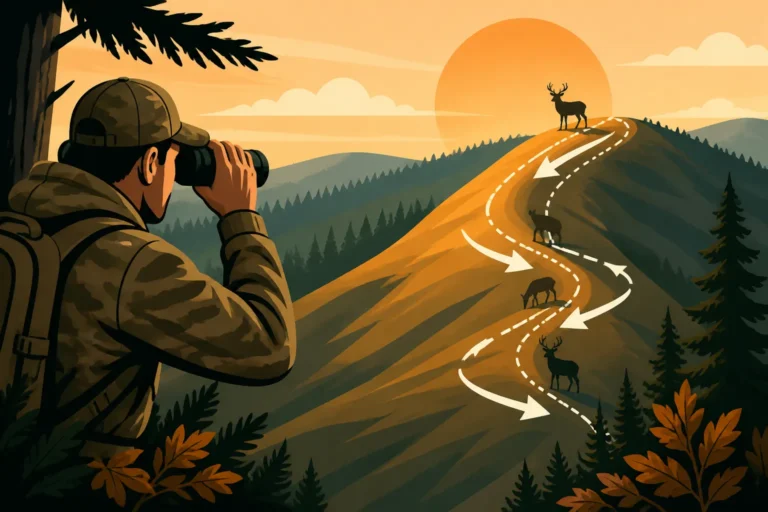
Deer, especially pressured Minnesota whitetails, have predictable patterns when pushed. They'll often try to circle back, slip out the sides, or hit known escape routes they've used for generations. For a small group, identifying these primary escape corridors is absolutely critical. You might notice subtle trails along a creek bottom in the Savanna State Forest, or a worn path leading into a dense cedar swamp at the edge of a public land block. These aren't just random paths; they're deer highways when things get stressful. A small team needs to focus their limited resources on covering these specific escape routes. You'll often find that deer, when pushed lightly, will travel slower, giving standers a better opportunity for a clean shot rather than simply bolting. Pay attention to how deer typically enter and exit feeding areas and bedding cover without pressure, as these routes often become escape routes when pressure is applied.
Identifying Natural Funnels and Bottlenecks
Natural funnels and bottlenecks are a small-group hunter's best friend. These are geographical features that constrict deer movement, forcing them into a narrower path. Think about a narrow strip of timber connecting two larger woodlots, a pinch point between a cattail slough and a steep bluff, or a small draw running through an otherwise open field. In areas like the rolling hills of Fillmore County, these draws and ravines can be perfect. These are the spots where a single stander can effectively cover an area that would normally require two or three. By using tools like the GoHunt app or other aerial mapping programs, you can identify these features before you even set foot on the ground. Look for changes in elevation, converging cover types, or water features that limit a deer's options. Understanding the topography and how deer will utilize it under pressure is key to successful Reading Aerial Photos for Big Woods Deer or even open agricultural land.
Choosing the Right Block of Cover
The size and type of cover you choose to drive are paramount for a small team. You can't effectively push a massive, square-mile chunk of thick forest with just three people; you'll exhaust yourselves and the deer will simply slip around you. Instead, look for smaller, more defined blocks of cover. This could be a 40-acre square of dense popple (aspen) regeneration, a long, narrow finger of woods, or a dense cattail marsh bordering a cornfield. The key is to pick a block where your limited number of drivers can maintain consistent pressure across the entire width of the area, and your standers can adequately cover all likely exits. Public land areas like those in the George Washington State Forest or specific Wildlife Management Areas (WMAs) often have these manageable pockets of cover. Before the season, make sure you're doing your Scouting Minnesota Public Land Before Season to pinpoint these ideal locations. For instance, a drive through a long, narrow strip of mature oaks bordering a field can be incredibly effective, as deer are often reluctant to leave the cover until pushed hard.
Assigning Roles and Mastering Communication
With a small team, everyone has to be a specialist, but also adaptable. There's no room for freelancing; success hinges on clear roles and flawless communication.
Defining Driver and Stander Responsibilities
For a three-hunter team, a common split is one driver and two standers. With four hunters, you might do two drivers and two standers, or even one driver and three standers if the cover is particularly tricky and exits are numerous.
- Drivers: Their job isn't to run deer at full speed. It's to move through the cover slowly and deliberately, applying constant, measured pressure. They should be making enough noise to encourage deer to move, but not so much that the deer panic and blow out. Their path should be well-defined, often zig-zagging to cover ground thoroughly, or walking just inside the thickest cover along the edge of the drive. They need to pay attention to wind direction, making sure their scent isn't blowing into where they expect deer to hold up or escape.
- Standers: These are your anchors. Their job is to get into position quietly, set up, and remain absolutely still and silent until deer are moving. They need to be aware of their surroundings, identifying shooting lanes, potential travel corridors, and keeping safety as their number one priority. Their shot opportunities often come when deer try to slip out the side or when they reach the end of the drive and are looking for an escape. Strategic placement can involve using a ground blind or even a treestand. Learn more about Using a Ground Blind on Minnesota Public Land or even Treestand Setups in Minnesota Hardwoods to optimize your positions.
Setting Up Your Standers Effectively
Stander placement is where a small-group drive truly shines or fails. Because you have fewer standers, each one needs to be in a perfect position to intercept deer exiting the driven area.
- Identify Exit Points: Based on your scouting, standers should cover the most likely escape routes first. This means the end of the driven cover, but also the sides if there are natural breaks or funnels that deer might use to circle back.
- Wind Direction: Always consider the wind. Standers should be downwind or crosswind of where they expect deer to come from. Deer often try to circle downwind to smell what's pushing them, so setting a stander slightly downwind and off to the side can be incredibly effective. Understanding Wind and Thermals on a Minnesota Ridge is crucial, especially in varying topography.
- Visibility and Cover: Standers need enough visibility for a safe shot, but also enough cover to remain undetected. This might mean setting up along a thick edge, behind a natural brush pile, or in an elevated position in a tree. Remember, silence and stillness are paramount.
Non-Verbal and Verbal Communication During the Drive
With a small group, communication needs to be precise and clear, both before and during the drive.
- Pre-Drive Briefing: Before anyone moves, sit down and go over the plan. Show everyone the map (GoHunt is excellent for this), pointing out the drive boundaries, stander positions, driver routes, and expected deer movement. Discuss wind direction, safety zones, and specific instructions for each person. This is also the time to decide on specific "start" and "stop" signals.
- During the Drive: Radios (FRS/GMRS) can be incredibly helpful for a small group, allowing drivers to confirm their position and pace, and standers to know where the push is. However, use them sparingly and with low volume. A simple "Driver 1 is halfway" or "Seeing movement" is all that's needed. For safety, many groups use a predetermined "all clear" signal before anyone moves from their stand. Non-verbal signals, like a loud whistle or even a shouted "Hey!" can be used to alert standers that deer are coming, but use them cautiously to avoid completely spooking the deer into a full sprint.
Executing the Drive for Maximum Success
Once the plan is set and roles are assigned, it's time to put boots on the ground. Precision and safety are key for a small team.
The Driver's Pace and Noise Strategy
The driver(s) are responsible for moving the deer, not just making noise.
- Slow and Deliberate: This is not a race. Drivers should move at a pace that allows them to scan ahead, look for fresh sign, and listen for deer moving. A slow, methodical walk, stopping occasionally, can be more effective than a fast charge, as it allows deer to get up and start walking, rather than sprinting.
- Controlled Noise: The goal is to make deer uncomfortable, not terrified. A driver can make noise by crashing through brush, stomping their feet, or using a loud stick to hit trees. Varying the noise level can simulate multiple animals, making deer think twice about circling back. Some hunters will even use soft Grunt Calls in Mature Minnesota Timber periodically to give the impression of other deer moving through the woods, which can sometimes calm deer rather than spook them.
- Stay in Lane: Drivers need to stick to their assigned path. With only one or two drivers, veering off course creates gaps that deer will inevitably exploit. Use natural landmarks or your mapping app to stay aligned.
Stander Patience and Situational Awareness
The standers have the hardest job: waiting. But it's also where the shot opportunities usually present themselves.
- Be Prepared: Once in position, load your firearm or nock an arrow, get comfortable, and scan your shooting lanes. Have your binoculars ready.
- Absolute Stillness and Silence: This cannot be overstressed. Deer will pick up on the slightest movement or sound. Remain frozen, even if you hear something approaching. Many deer will stop and try to identify the source of disturbance before committing to an escape route. That moment of hesitation is your window.
- Anticipate Movement: Don't just stare straight ahead. Scan from side to side, paying particular attention to the thickest cover and likely escape routes you identified during scouting. Deer often sneak out rather than burst out. Be ready for the subtle flick of an ear or a patch of hide.
Safety First: Confirming Positions and Shooting Lanes
Safety is paramount, especially when coordinating movement and firing lanes with a small group.
- Clear Lines of Sight: Before the drive starts, standers and drivers should be absolutely certain of where everyone is located and the direction of travel. Establish safe shooting lanes that are free of other hunters. Never, ever shoot in the direction of another hunter.
- Positive Target Identification: Always identify your target positively before putting your finger on the trigger. In dense Minnesota woods, it's easy to mistake movement or a flash of brown for a deer. Know what's beyond your target.
- Hunter Orange: Even if not legally required for archery, wearing blaze orange or blaze pink is a smart safety measure, particularly for drivers moving through thick cover. Always adhere to Minnesota's Minnesota Blaze Orange Requirements during firearm seasons.
Adapting to Minnesota's Diverse Terrain and Deer Behavior
Minnesota offers a huge variety of hunting environments, and your small-group drive tactics need to shift depending on where you are.
Drives in Thick Northern Timber and Aspen Cuts
In northern Minnesota, like the vast tracts of the Superior National Forest or the public lands around Brainerd, you'll encounter extensive forests with dense conifer swamps, vast aspen cuts, and mature hardwoods.
- Tighten the Drive: These areas are often Where Big Woods Bucks Bed in Minnesota, making them hard to push. For a small group, focus on smaller, isolated patches of thick cover within a larger block. Instead of pushing a quarter-section, aim for a 20-acre clear-cut edge or a dense patch of balsam fir.
- Use Natural Barriers: Rivers, large swamps, or recent clear-cuts (if open enough) can act as natural "fences" to help contain deer and funnel them towards your standers.
- Slower Pace, More Noise: In extremely thick cover, drivers might need to move even slower and be slightly noisier to get deer to move. Deer in these areas often bed incredibly tight and might need a more insistent push.
Drives in Farmland Edges and Cattail Sloughs
Moving south, especially into the farmlands of southwest Minnesota or the river bottoms, you'll find different challenges and opportunities. Here, deer often hide in relatively small, isolated pockets of cover, making them ideal for small-group drives.
- Target Specific Pockets: Look for small woodlots, brushy draws, shelterbelts, or those ever-present cattail sloughs. These are often the only cover for miles around. A two-driver, two-stander setup can effectively push a single, long slough.
- Watch the Perimeter: Deer in these areas are highly visible once they leave cover. Standers should be positioned to intercept deer as they break into open fields. Consider setting up a stander down a fence line or along a field edge. For specific strategies, look into Hunting Minnesota Cattail Sloughs for Deer. If you're near agricultural fields, you might also find success understanding Hunting a Standing Cornfield in Farm Country tactics.
- Quick Transitions: Deer here often don't want to run far. They'll try to find the next available patch of cover quickly. Be ready for fast shots once they break.
Post-Drive Actions: Tracking and Recovery
The drive doesn't end when the shot rings out. The recovery of your deer is just as critical.
- Mark the Spot: Immediately after the shot, mark the exact spot where the deer was standing or where you last saw it. Use a piece of blaze orange ribbon or a bright hat.
- Wait and Assess: Resist the urge to immediately rush in. If you suspect a good hit, especially a lung or heart shot, give the deer at least 30 minutes to an hour to expire. For gut shots, wait several hours, or even overnight if conditions allow. Pushing a wounded deer too soon can make recovery much harder.
- Systematic Tracking: Once you begin tracking, do it slowly and methodically. Look for blood, hair, bone fragments, and tracks. In fresh snow, this can be easier, so read up on Tracking a Deer in Fresh Minnesota Snow. If darkness falls, don't be afraid to pull out the headlamps; sometimes Blood Trailing After Dark in Minnesota is necessary. Utilize everyone in your small group for the tracking effort, spreading out slightly to cover more ground.
- Field Dressing and Care: Once recovered, get to work quickly, especially if the weather is mild. If it's cold, learn about Field Dressing a Deer in Cold Weather to properly cool the carcass and preserve the meat.
| Role | Primary Goal | Key Actions | Gear Considerations |
|---|---|---|---|
| Driver | Move deer towards standers; maintain pressure | Slow, methodical walk; controlled noise; stay on assigned path | Map (GoHunt), compass, walkie-talkie, blaze orange |
| Stander | Intercept deer exiting driven area; be ready | Quiet setup; absolute stillness; scan lanes; positive target ID; safe shot | Binos, rangefinder, walkie-talkie, quiet clothing |
| Both | Safety, Communication, Ethical Hunting | Pre-drive briefing; agreed-upon signals; clear shooting lanes; patience | First-aid kit, reliable firearm/bow, knife |
Disclaimer
This content is for informational purposes only and should not be considered legal advice. Always consult the current Minnesota Department of Natural Resources (DNR) hunting regulations and local ordinances before engaging in any hunting activities. Hunting ethics, safety, and adherence to all laws are the individual hunter's responsibility.