Waterfowl Gear for Minnesota Lakes and Sloughs
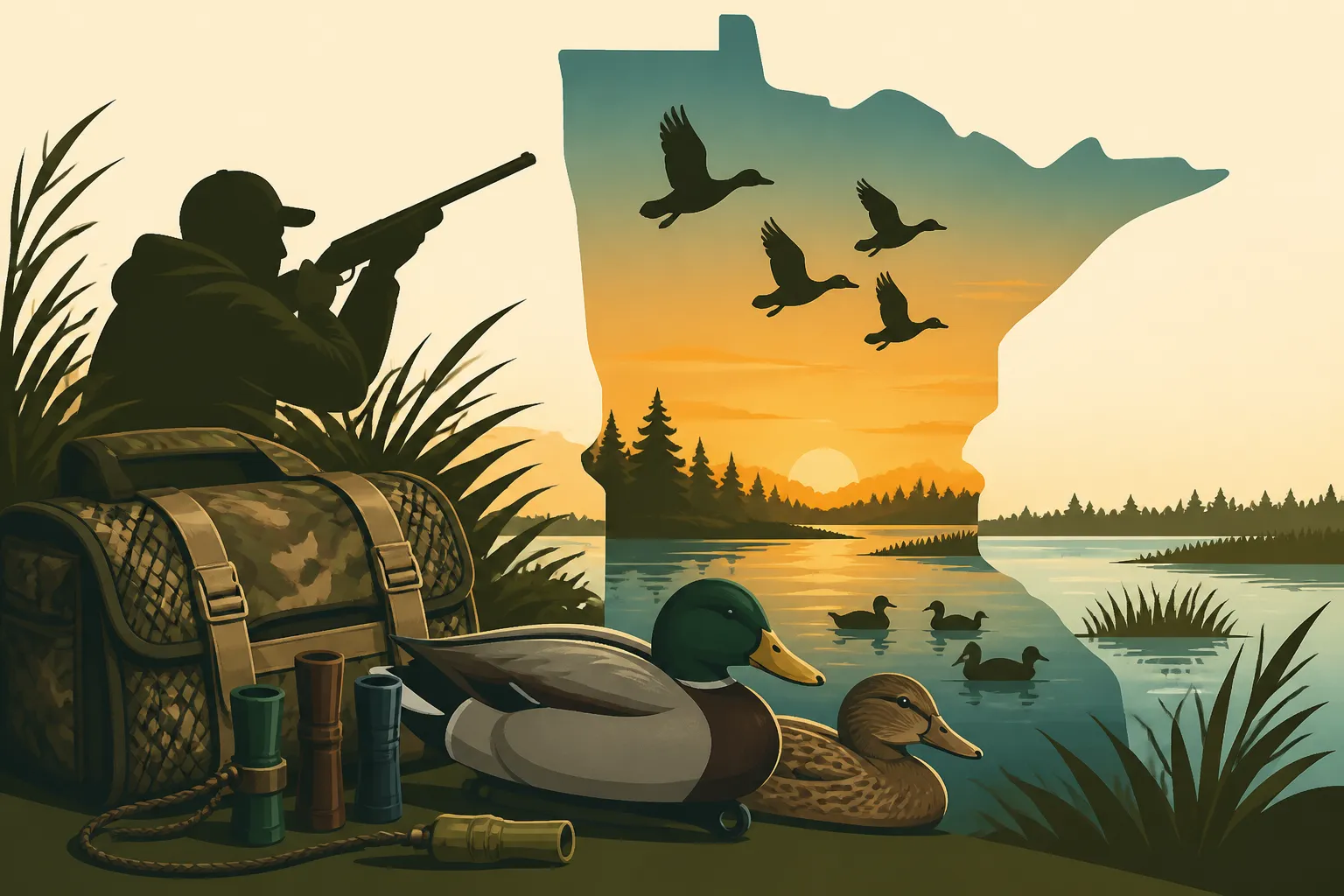
Hunting Minnesota's lakes and sloughs for waterfowl presents a unique blend of challenge and reward. From bone-chilling pre-dawn hours spent setting decoys in icy water to the unpredictable shifts in weather, it's a demanding pursuit that requires meticulous preparation. Many hunters find themselves shivering uncontrollably, struggling with wet gear, or feeling unprepared for the elements, which can quickly turn a hopeful morning into a miserable one. This comprehensive guide is designed to equip you with the knowledge to select the right gear, ensuring you stay warm, dry, safe, and ultimately, more successful on Minnesota's diverse waterfowl habitat.
The Unique Challenges of Minnesota Waterfowling Environments
Minnesota is a waterfowl hunter's paradise, but it's far from a tame environment. Our vast network of lakes, shallow potholes, meandering rivers, and expansive cattail sloughs means you'll encounter a huge variety of conditions, often within the same season, or even the same day. This diversity demands a versatile and robust gear setup. What works perfectly on a calm, early September morning on a small pothole might leave you exposed and miserable when the north winds howl across a big lake in late October.
Navigating Diverse Habitats
Think about the difference between hunting a sprawling expanse like Mille Lacs, known for its diver duck populations, versus a hidden backwater slough along the Mississippi River. On the big water, you're battling open-water waves, needing specialized boats and decoy spreads that can be seen from a distance. You'll want heavy-duty anchors and lines to keep your spread in place against strong currents or high winds. Contrast that with a shallow, muddy slough, often choked with cattails and reeds, where stealth and maneuverability in tight quarters are paramount. Here, a marsh boat or even simply waders and a push pole might be your primary mode of transport. The gear you bring has to match the specific body of water you're hunting, and sometimes that means having multiple options ready.
One of the biggest frustrations for waterfowl hunters is showing up to a new spot, or even a familiar one after a weather change, only to find their chosen gear is completely inadequate. You might have the perfect spread for a field hunt, but it's useless if the birds are concentrated on a timber-fringed beaver pond. Being able to adapt your approach, and having the right tools for those varied conditions, is key. This is where tools like Scouting With the Minnesota Recreation Compass App can really help you visualize the terrain and plan your gear strategy ahead of time.
Battling Unpredictable Weather and Temperatures
Minnesota weather is a fickle beast, especially during waterfowl season. Early September might feel like summer, with temperatures nudging into the 70s, making heavy waders and insulated jackets unbearable. Fast forward to late October or November, and you're often facing freezing rain, sleet, or even early snow, with temperatures plummeting below freezing. The water itself can be anywhere from bath-warm to skim-ice cold. This extreme variability means your clothing system, in particular, needs to be highly adaptable.
Hypothermia is a real threat when you're standing or sitting in cold water or exposed to the wind for hours on end. Dressing in layers is more than just a suggestion; it's a survival strategy. Getting wet, whether from rain, waves, or an accidental stumble into deeper water, can turn dangerous quickly if you're not prepared with waterproof outer layers and warm, moisture-wicking insulation. You'll also need gear that can withstand abuse, from sharp ice edges to abrasive cattails, all while keeping you dry and comfortable.
Essential Clothing and Layering Systems
Staying warm and dry is paramount for any Minnesota waterfowl hunter. You can have the best decoys and the fanciest shotgun, but if you're shivering uncontrollably, your focus and enjoyment will quickly vanish. Our weather can throw everything at you, often within a single morning, so a well-thought-out layering system is your best defense.
Base Layers: Wicking Away Moisture
Your base layer is the foundation of your cold-weather defense. Its primary job is to wick moisture—sweat—away from your skin. Even on a cold day, strenuous activity like pushing a boat through thick mud or carrying a heavy bag of decoys can make you sweat. If that sweat stays against your skin, it will cool rapidly, leaving you feeling clammy and cold, no matter how many layers you have on top.
Avoid cotton at all costs for your base layer; cotton absorbs moisture and holds it there. Instead, opt for materials like merino wool or synthetic blends. Merino wool is excellent because it's naturally warm, soft, and retains much of its insulating properties even when damp, plus it's naturally odor-resistant. Synthetic options are often more affordable, highly durable, and very effective at moisture transfer. For a truly comfortable experience, consider both a lightweight base layer for warmer days or high activity, and a mid-weight or heavy-weight option for those truly frigid late-season hunts. Remember, even if you’re wearing the best Waders for Minnesota Marsh Hunting, a poor base layer can ruin your hunt.
Mid-Layers: Trapping Warmth
The mid-layer is your primary insulating layer. Its job is to trap warm air close to your body, providing the bulk of your warmth without being overly bulky or restrictive. Fleece is a popular and effective choice, offering a good warmth-to-weight ratio and quick-drying properties. Thicker synthetic puff jackets or vests, often filled with Primaloft or similar synthetic insulation, are also excellent options. They compress well for packing and provide significant warmth.
Having a couple of different mid-layer weights allows for versatility. On a milder October morning, a single fleece jacket might suffice. As temperatures drop or the wind picks up, you might add a second, heavier mid-layer or a synthetic insulated vest. The key is to be able to add or subtract layers as your activity level and the weather change, preventing both overheating and chilling. This modular approach is far more effective than relying on one single, heavy piece of clothing.
Outer Layers: Waterproof and Windproof Protection
Your outer layer, often called your shell, is your shield against the elements. It needs to be completely waterproof and windproof to protect your insulating layers from rain, sleet, snow, and bone-chilling Minnesota winds. At the same time, it should ideally be breathable to allow some of that internal moisture vapor to escape, preventing you from getting soaked from the inside out.
Look for outer garments made with advanced waterproof-breathable membranes. Pay attention to features like waterproof zippers, adjustable cuffs, and a hood that provides full coverage without impeding your vision or hearing. A quiet face fabric is also crucial, especially if you're jump-shooting or in situations where birds might be close. Durability is another factor; wading through cattails or scrambling over brush demands a fabric that can stand up to abrasion. Your outer shell is an investment, and a good one will last for many seasons of Minnesota Waterfowl Hunting on Lakes and Potholes.
Waterfowl Shotguns and Ammunition
Choosing the right shotgun and ammunition is a critical decision for any Minnesota waterfowl hunter. The conditions here are tough on gear, and the game calls for specific characteristics in your firearm and loads. Gone are the days of lead shot for waterfowl; non-toxic shot is mandatory, and understanding your options is key to ethical and effective hunting.
Shotgun Gauge and Action Types
For Minnesota waterfowl, the most popular shotgun gauges are 12-gauge and 20-gauge. The 12-gauge remains the workhorse, offering the widest array of ammunition choices, from light target loads to heavy magnum waterfowl loads. Its versatility makes it suitable for everything from early teal season to late-season goose hunting. The 20-gauge has gained popularity, especially for those who prefer a lighter gun or recoil-sensitive shooters. Modern 20-gauge loads, particularly those with advanced non-toxic shot, are remarkably effective and can certainly put ducks and geese on the strap. However, finding specialized non-toxic loads for 20-gauge can sometimes be more challenging or expensive than for 12-gauge.
As for action types, semi-automatics and pump-actions dominate the waterfowl scene. Semi-automatics, like those from Browning, Beretta, or Winchester, are favored for their reduced recoil and quick follow-up shots. They operate by using gas or inertia to cycle the action, making subsequent shots smoother and faster. Pump-action shotguns, such as the Remington 870 or Mossberg 500/590, are known for their rugged reliability and simpler mechanics, making them less prone to malfunction in harsh, dirty conditions. They're often more affordable and can be just as effective in skilled hands. Over/under or side-by-side shotguns are less common for serious waterfowl hunting due to the limited capacity and often higher price point, though they certainly have their place for upland bird enthusiasts.
Choke Tubes and Patterning
Choke tubes are essential for optimizing your shotgun's performance. They control the spread of your shot pattern, allowing you to tailor it to specific hunting situations. For waterfowl, a common setup might include an improved cylinder or light modified choke for close-range decoying birds, a modified choke for all-around versatility, and a full or improved modified choke for longer shots at high-flying geese or ducks that aren't committing to the spread. Having a selection of interchangeable choke tubes is invaluable.
The most critical step, and one often overlooked, is patterning your shotgun with your chosen ammunition. Different loads, even of the same shot size and brand, can pattern differently through the same choke and barrel. This involves shooting at a large paper target (typically 30-40 yards) to see how evenly and densely your shot spreads. You want a pattern that puts enough pellets into a vital area to ensure a clean kill without being so tight that you miss consistently. This process helps you understand your shotgun's effective range with a given load and choke combination. Don't skip patterning; it’s key to becoming a more proficient and ethical hunter.
Non-Toxic Ammunition Requirements
Minnesota, like all states, requires the use of non-toxic shot for all waterfowl hunting. This regulation is crucial for protecting the environment and wildlife from lead poisoning. Steel shot is the most common and affordable non-toxic option. It's lighter than lead, so you'll typically need to use larger shot sizes (e.g., #2 steel instead of #4 lead) to achieve similar energy. Steel also patterns tighter than lead, which means you might need a more open choke (e.g., modified instead of full) to get a desirable pattern.
Beyond steel, there are several premium non-toxic alternatives available, such as bismuth, tungsten-matrix, and various blends. These materials are denser than steel, offering better energy retention and tighter patterns, often allowing you to use smaller shot sizes and potentially extending your effective range. However, they come at a higher price point. Bismuth is a popular choice for those looking for a softer, more traditional feel that's also safe for older shotguns not rated for steel. Tungsten-based loads are often the densest and most effective but also the most expensive. Understanding Waterfowl Loads for Minnesota Divers and the specific requirements for Where Nontoxic Shot Is Required in Minnesota is crucial before heading afield.
Decoys and Spreads for Minnesota Waters
Decoys are your primary tool for luring waterfowl into range, and a well-planned spread can make all the difference on a Minnesota lake or slough. The types of decoys you choose and how you deploy them should be tailored to the specific species you're targeting and the conditions you're hunting.
Duck Decoys: Species, Quantity, and Realism
When it comes to duck decoys, variety and realism are key. For general duck hunting in Minnesota, a mix of mallards, pintails, wigeon, and perhaps a few teal is a good starting point. Mallards are the bread and butter, so a solid base of mallard decoys is always wise. If you're specifically targeting divers on big water, you'll want dedicated diver decoys like bluebills, canvasbacks, and redheads, often in larger quantities, as these birds tend to travel and feed in bigger flocks.
The quantity of decoys depends on the size of the water you're hunting and the amount of hunting pressure. On a small pothole, a dozen well-placed decoys might be plenty. On a large lake, or if you're dealing with heavily pressured birds, a spread of three to five dozen, or even more, might be necessary to grab attention. Realism extends beyond just the paint job; look for decoys with realistic body postures (feeders, resters, uprights) to create a lifelike scene. This realism becomes even more critical when hunting wary birds later in the season. Consider also some confidence decoys, like coots or even a few geese, if they are common in your hunting area, to make your spread appear more natural.
Goose Decoys: Full-Bodied, Shells, and Floaters
Goose hunting in Minnesota, particularly for Canada geese, often involves land-based field spreads. For these situations, full-bodied decoys offer the ultimate realism, especially if motion is incorporated. Shell decoys are a more affordable and portable option, though they lack the full dimension of full-bodies. Combining shells with a few full-bodies can create a convincing spread without breaking the bank or your back. However, if you're targeting geese that are feeding or resting on water, such as those that might use a large lake or river for loafing, you'll absolutely need floater goose decoys.
For water-based goose hunting, large, realistic floater goose decoys are essential. These are bigger and more robust than duck decoys, designed to ride the waves and be visible from a distance. The same principles of realism apply: mix feeder, sentry, and sleeper postures to mimic a natural flock. The quantity needed for geese on water can vary, but generally, fewer goose decoys are required compared to ducks due to their larger size and natural flocking behavior. A dozen to two dozen realistic floaters can be highly effective, especially when paired with a duck spread.
Motion Decoys and Advanced Spreads
Motion decoys have revolutionized waterfowl hunting. Spinning-wing decoys (SWDs), often referred to by popular brand names, create the illusion of a landing bird, acting as a powerful visual attractant. They are incredibly effective, especially on calm days or for drawing birds from a distance. However, some areas or hunting groups have restrictions or differing opinions on their use, so always check local regulations and common courtesy among hunters. Swimmers, pulsators, and other water-motion devices create ripples and movement on the water, adding another layer of realism to your spread, particularly useful on still days.
Advanced spread configurations often involve creating a "landing zone" or "kill hole"—an open area within your decoy spread where you expect birds to land. This helps funnel birds into optimal shooting range. Diver spreads, for example, often involve long lines of decoys extending out from the blind, creating a runway for birds to commit. Puddle duck spreads might be a looser "J" or "U" shape. Using a mapping tool like GoHunt can help you visualize the water depths and bottom structure, allowing you to strategically place decoys for maximum visibility and a perfect landing zone. Thinking about wind direction, sun position, and flight paths in relation to your blind and decoy setup is crucial for consistently bringing birds into range. Setting up your Decoy Spreads for Minnesota Divers requires understanding bird behavior and local conditions.
Boats, Blinds, and Concealment
Effectively hunting Minnesota waterfowl often hinges on your ability to reach prime locations and remain hidden from wary birds. Whether you're navigating vast lakes or sneaking into a secluded slough, the right combination of boat, blind, and concealment tactics is critical.
Marsh Boats and Layout Blinds
Marsh boats are specially designed vessels that allow hunters to navigate shallow, often vegetation-choked waters with relative ease. They're typically low-profile, stable, and durable, capable of being pushed through thick mud or over submerged obstacles. Brands like Beavertail or Otter have models popular among Minnesota hunters. These boats are invaluable for accessing remote sloughs, placing decoys, and retrieving downed birds in areas that might be too deep to wade but too shallow for a traditional duck boat. Many marsh boats are also designed to integrate directly with a blind system, turning the boat itself into a mobile, floating hide. Marsh Boats and Push Poles are often indispensable.
Layout blinds offer exceptional concealment in open fields or on very shallow water fringes. They allow hunters to lie down flat, becoming virtually invisible, until birds commit to the spread. Modern layout blinds are lightweight, portable, and designed to pop up quickly for a shot. They come in various camouflage patterns, and you can easily add local vegetation (stubble, grass, cornstalks) to further blend them into the environment. While traditionally used for goose hunting in cut fields, specific models or modified versions can be very effective when set up on shorelines or very shallow flats for ducks. The key to success with a layout blind is meticulous brushing-in – making sure every edge and shadow is broken up with natural cover. Layout Blind Hunting Minnesota Farm Fields is a classic tactic for geese.
Natural Blinds and Portable Options
Sometimes the best blind is the one nature provides. Hunting from natural cover—a clump of cattails, a thick stand of reeds, or a willow row—can be incredibly effective and often requires less gear. The key is to enhance existing cover without making it look unnatural. This might involve trimming some vegetation, weaving in additional reeds, or simply sitting perfectly still. When using natural cover, always prioritize safety and ensure you have a clear shooting lane.
Portable blinds, like pop-up panel blinds or mesh-sided blinds, offer flexibility. They're quick to set up and take down, and can be moved easily if the birds are shifting their flight path. These are particularly useful when hunting a field edge, a small point of land, or in light cover that needs a little reinforcement. Just like layout blinds, they require meticulous brushing-in with local vegetation to truly disappear. The advantage of these portable options is that they allow you to adapt to changing conditions or move to a more productive spot quickly, rather than being committed to a permanent structure.
Concealment Strategies for Wary Birds
Wary birds, especially late in the season after they've seen countless spreads and blinds, will scrutinize every detail. Their eyesight is incredibly sharp. This means paying attention to the small things that can give away your position. Wearing a face mask or face paint is non-negotiable; a human face stands out against natural cover like a beacon. Avoid shiny objects like watch faces or reflective surfaces on your gun. Keep movement to an absolute minimum; even a slight shift of the head can spook a circling flock.
Think about your shadow lines and how the sun will hit your blind throughout the morning. If possible, set up with the sun at your back, making it harder for birds to see into your blind. Camouflage clothing that matches the local environment is essential. If you're hunting in cattails, wear patterns that mimic those hues. If you're in flooded timber, a broken-up pattern with grays and browns is better. Even the way you stack your gear can create unnatural shapes, so make sure everything is hidden and blended into your blind. Remember, a good hunt is often about being as invisible as possible.
Retrievers and Dog Gear
A well-trained retriever is an invaluable asset for any waterfowl hunter, particularly in Minnesota's challenging environments. They not only help recover downed birds from cold, open water or dense cover but also significantly reduce crippling losses, ensuring a more ethical hunt. However, bringing a dog afield requires specific gear to keep them safe, warm, and effective.
The Value of a Waterfowl Retriever
Picture this: you make a perfect shot on a mallard over a deep, wind-swept lake. Without a dog, recovering that bird can be a dangerous and frustrating endeavor, often resulting in a lost bird or a soaked hunter. A good retriever, like a Labrador or Chesapeake Bay Retriever, bred for cold water, will eagerly plunge into icy water, navigate through thick reeds, and bring that bird back to hand, often with a huge grin on their face. They extend your reach, allowing you to hunt areas you might otherwise avoid due to difficult retrieves.
Beyond just physical retrieves, a dog's presence adds immeasurable enjoyment to the hunt. Watching a well-trained dog work, patiently waiting for the command, then bursting into action, is one of the joys of waterfowl hunting. They also aid in Recovering a Deer From a Frozen Slough or thick cover, demonstrating their versatility beyond just birds. A dog helps ensure that every bird you shoot is recovered, reducing waste and honoring the game. However, a dog that isn't properly trained to sit quietly, remain steady, and retrieve on command can quickly ruin a hunt, both for you and for others. Invest time in training, and your retriever will pay dividends for years to come.
Dog Vests and Cold Water Protection
Minnesota's waterfowl season often coincides with brutally cold water temperatures. Even breeds renowned for their tolerance to cold water can suffer from hypothermia if not properly protected. A neoprene dog vest is an absolute must-have piece of gear. These vests provide a layer of insulation, keeping your dog warmer during long waits in a cold blind or multiple retrieves from icy water. They also offer some flotation, which can be a safety benefit, and protection against abrasions from ice or jagged cover.
Choose a vest that fits snugly but doesn't restrict movement. A good fit prevents chafing and ensures maximum thermal efficiency. Look for vests with a durable outer shell to resist tears from brush and thorns. Some vests also feature a handle on the back, which can be incredibly useful for lifting your dog into and out of boats, over obstacles, or for providing assistance during a difficult retrieve. Even on milder days, a vest can prevent your dog from cooling down too rapidly between retrieves. This is particularly important for Dog Vests for Cold Water Retrieves where prolonged exposure is common.
Dog Blinds and Comfort Gear
Just like hunters, retrievers need to be concealed from the keen eyes of incoming waterfowl. A dog blind is a fantastic piece of gear that allows your dog to sit comfortably and inconspicuously in the spread or adjacent to your hunter's blind. These blinds are typically low-profile, camouflaged structures that provide cover while allowing your dog a clear view of the skies. They keep your dog off the cold, wet ground or out of the water, making for a much more comfortable wait.
Beyond the blind, consider other comfort gear. A waterproof, insulated mat or pad inside the blind provides additional warmth and cushioning. For late-season hunts, some hunters use specialized dog heaters or chemical warmer pads to keep their canine companion toasty. Always bring fresh water for your dog, even in cold weather, as they can become dehydrated. A well-rested, warm, and hydrated dog is a happy and effective dog. Furthermore, a basic dog first aid kit, including paw balm for cracked pads and bandages for minor cuts, is a wise addition to your gear bag.
Navigation and Safety Gear
Safety should always be your top priority when hunting Minnesota's diverse and often challenging waterfowl environments. From navigating vast lakes to enduring unpredictable weather, having the right navigation and safety gear can be the difference between a successful outing and a dangerous situation.
GPS and Mapping Tools
In the sprawling wetlands, lakes, and river systems of Minnesota, it's incredibly easy to get disoriented, especially in the dark pre-dawn hours or thick fog. A reliable GPS unit or a smartphone with robust mapping applications is an absolute necessity. Modern GPS devices offer detailed topographical maps, satellite imagery, and the ability to mark waypoints for your blind, vehicle, or safe travel routes. Many hunters rely on apps like GoHunt, which provide detailed land ownership information, topographic features, and the ability to plot routes and mark key areas, even when offline.
Before you head out, use these tools to scout your location from home. Identify public access points, potential hazards like shallow reefs or submerged stumps, and plan your entry and exit routes. Save your parking spot and your blind location as waypoints. In areas like the Mississippi River backwaters, where channels can shift and look identical, a GPS is non-negotiable for finding your way back to your launch point. Even on a seemingly familiar local slough, thick fog can roll in quickly, making visual navigation impossible. Knowing exactly where you are and how to get back is a fundamental safety measure.
Communication Devices
Cell service can be spotty, or non-existent, in many of Minnesota's prime hunting areas, particularly in remote regions. Relying solely on your cell phone for emergencies is a risky gamble. Always carry a fully charged cell phone, but also consider a backup communication device. Two-way radios can be useful if you're hunting with a partner in the same general area, allowing for communication even without cell service.
For more remote or solitary hunts, a satellite messenger or personal locator beacon (PLB) offers a direct line of communication with emergency services, regardless of cell coverage. Devices from companies like Garmin InReach allow you to send custom messages, share your location, and trigger an SOS function if you get into serious trouble. These devices are an investment, but they provide unparalleled peace of mind when venturing into truly wild country. Always let someone know your hunting plan – where you're going, who you're with, and when you expect to be back. This simple step is one of the most effective safety precautions you can take.
Personal Flotation Devices PFDs
If you're hunting from any type of boat, or even wading in deep water, wearing a Personal Flotation Device (PFD) is not just a good idea—it's often a legal requirement and always a critical safety measure. Cold water immersion can quickly incapacitate even strong swimmers, and wearing a PFD can save your life if you unexpectedly fall overboard or your boat capsizes. Modern PFDs are much less bulky than old-school life jackets. Inflatable PFDs, which automatically or manually inflate when activated, are very popular among hunters because they offer excellent mobility and comfort while worn.
Even when wading, consider wearing a PFD if you're in areas with unpredictable depths, strong currents, or soft bottom conditions. An unexpected slip into deeper, colder water can lead to panic and muscle cramps. Having a PFD on will keep your head above water, allowing you to regain composure and work your way to safety. Always ensure your PFD is properly fitted and in good working order before each hunt. It's a piece of gear you hope you'll never have to use, but you'll be profoundly grateful for it if you do.
Accessories and Comfort Items
While your major gear items like shotguns and decoys get most of the attention, it's often the small accessories and comfort items that truly make or break a long day in the duck blind. Minnesota's weather demands extra consideration for these details.
Hydration and Nutrition
It's easy to get dehydrated in cold weather because you don't feel thirsty in the same way you do in the heat, but the dry air and physical exertion still take their toll. Always pack plenty of water, and consider an insulated thermos filled with hot coffee, tea, or cocoa. That warm drink can be a huge morale booster and help regulate your core temperature. Hydration packs are also useful, keeping water accessible without having to dig through your bag.
Don't forget to pack snacks. High-energy, easy-to-eat foods like trail mix, granola bars, or sandwiches will keep your energy levels up. Cold hands make intricate tasks difficult, so pack snacks that are easy to unwrap and eat even with gloves on. A well-fueled hunter stays warmer, more alert, and can maintain focus throughout the hunt.
Hand Warmers, Seat Cushions, and Thermoses
These might seem like minor details, but they can dramatically improve your comfort on a cold Minnesota morning. Chemical hand warmers are inexpensive and provide hours of comforting warmth. Stick them in your gloves, boots, or even your pockets. Some hunters use larger body warmers for their core. Don't underestimate the power of warm hands and feet to make an otherwise chilly wait tolerable.
A good, insulated seat cushion or blind chair is another game-changer. Sitting directly on cold, damp ground or a metal boat seat will quickly leach heat from your body. A comfortable cushion provides insulation and support, allowing you to sit still longer and remain more comfortable. Coupled with a sturdy thermos for hot drinks, these items contribute significantly to your endurance and enjoyment in the blind. Think about Cold-Weather Sitting Strategy in Minnesota and how these small items play a huge role.
Field Bags and Organization
Keeping your gear organized and easily accessible is crucial, especially in the low light of early morning or when you need to make a quick adjustment. A durable, waterproof field bag or blind bag with multiple compartments is ideal. This allows you to store shells, calls, snacks, first aid kit, headlamp, and other essentials in dedicated spots, so you're not fumbling around when the birds are working.
Look for bags made from tough, water-resistant fabrics with robust zippers and hardware. Some bags feature an elevated base to keep contents out of standing water. Having designated pockets for things like your phone, keys, and wallet ensures they stay dry and safe. A well-organized bag means you spend less time searching for items and more time focusing on the hunt, making for a much smoother and more enjoyable experience.
Waterfowl Gear Checklist for Minnesota Hunters
To help you prepare for your next Minnesota waterfowl adventure, here’s a comprehensive checklist of essential gear. Remember to tailor this list to the specific type of water, species, and weather conditions you expect to encounter.
| Category | Essential Items | Considerations for Minnesota |
|---|---|---|
| Clothing & Layers | Waterproof/Windproof Outer Shell (Jacket & Pants) | Must withstand freezing rain, heavy winds; breathable for comfort. |
| Insulating Mid-Layers (Fleece, Synthetic Puff) | Multiple weights for temperature versatility. | |
| Moisture-Wicking Base Layers (Merino Wool, Synthetic) | Absolutely no cotton next to skin; crucial for warmth when active. | |
| Insulated, Waterproof Waders or Bibs | Neoprene or breathable waders with good insulation for cold water. Waders for Minnesota Marsh Hunting. | |
| Waterproof/Insulated Boots | Suitable for muddy banks, cold water, snow; good traction. | |
| Warm Hat, Gloves/Mittens (waterproof outer) | Hand warmers often necessary. | |
| Face Mask or Face Paint | Critical for concealment; cuts wind chill. | |
| Firearm & Ammo | Waterfowl Shotgun (12- or 20-gauge, semi-auto or pump) | Reliable in harsh conditions; patterned with chosen loads. |
| Non-Toxic Ammunition | Required by law. Steel, bismuth, or tungsten loads. Choose appropriate shot size. Waterfowl Loads for Minnesota Divers. | |
| Choke Tubes (Modified, Improved Cylinder, Full) | Patterned for your gun/ammo. | |
| Shotgun Case (waterproof) | Protects firearm from elements during transport. | |
| Decoys | Duck Decoys (Mallard, Pintail, Teal, Diver mix) | Quantity depends on water body size & pressure. |
| Goose Decoys (Floater, Full-body, Shells) | Match local species; use full-bodies for realism in fields. | |
| Decoy Lines & Weights/Anchors | Strong enough for wind/current; sufficient weight. | |
| Motion Decoys (Spinning-wing, Swimmers) | Highly effective, check local regulations. | |
| Decoy Bags/Slotted Bags | Protects decoys, makes transport easier. | |
| Blinds & Concealment | Layout Blind or Portable Panel Blind | Brush-in materials for local concealment. Layout Blinds and Marsh Boats. |
| Natural Brush/Camouflage Netting | Enhance existing cover; break up blind outline. | |
| Boats & Transport | Marsh Boat, Canoe, or Kayak | Suitable for navigating shallow sloughs or open water. Marsh Boats and Push Poles. |
| Push Pole or Paddle | Essential for maneuvering in shallow water. | |
| Life Jackets (PFDs) | USCG approved; worn or readily accessible. | |
| Retrievers & Dog Gear | Dog Vest (Neoprene) | Protects against cold water; provides warmth and some flotation. Dog Vests for Cold Water Retrieves. |
| Dog Blind or Stand | Conceals dog, keeps them comfortable and warm. | |
| Dog Lead/Leash | For control in and out of the blind. | |
| Fresh Water & Bowl for Dog | Hydration is important even in cold weather. | |
| Navigation & Safety | GPS Unit or Smartphone with Mapping App (e.g., GoHunt) | Pre-load maps, mark waypoints (vehicle, blind, hazards). |
| Compass & Topo Map (physical backup) | Reliable backup for electronic devices. | |
| Whistle (for signaling) | Universally recognized distress signal. | |
| First Aid Kit | Essential for minor injuries or emergencies. | |
| Headlamp or Flashlight (with spare batteries) | Critical for navigating in the dark. | |
| Knife or Multi-tool | Versatile for various tasks. | |
| Waterproof Bag/Dry Box for Electronics & Valuables | Protects phone, keys, wallet. | |
| Accessories & Comfort | Calls (Duck, Goose, Teal) | Practice calls before season. |
| Thermos (hot beverage) | Essential for staying warm. | |
| Hand Warmers & Body Warmers | Critical for extended cold sits. | |
| Field Bag/Blind Bag (waterproof, organized) | Keeps gear accessible and dry. | |
| Seat Cushion or Blind Chair | Insulation and comfort for long waits. | |
| Snacks (high-energy, easy to eat) | Maintain energy and core temperature. | |
| Trash Bag | Pack out everything you pack in. | |
| Zip Ties/Bungee Cords | Handy for securing gear, decoys. | |
| Camera/Phone (for photos, kept dry) | Capture memories, but ensure it's protected. | |
| Federal Duck Stamp & State Migratory Bird Stamp | Required by law. Minnesota Federal Duck Stamp Requirement and Minnesota HIP Certification for Bird Hunters. | |
| Hunting License & HIP Certification | Always carry proof of valid licenses. |
This list provides a solid foundation, but remember, every hunter eventually develops their own personalized kit based on experience and preferred hunting style. Be prepared, stay safe, and enjoy the incredible waterfowl hunting opportunities that Minnesota has to offer!
Disclaimer
This article is for general informational purposes only and does not constitute professional advice. Laws, prices and regulations vary by location and change over time. Consult a qualified professional for guidance on your specific situation.