Hunting the Peak Rut in Early November
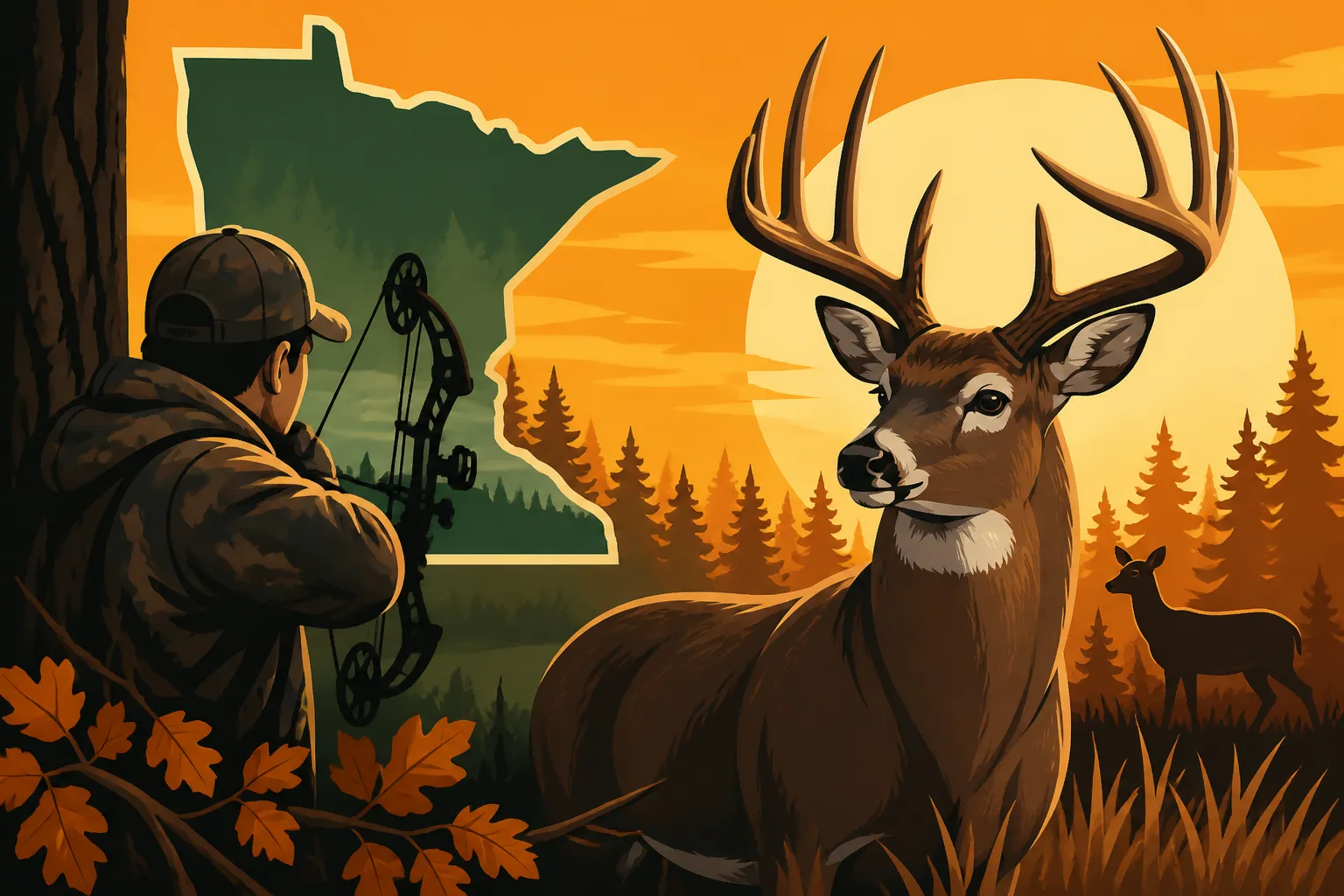
That feeling when early November hits and you know the deer activity should be off the charts, but you’re just not seeing what you expect? It's a common frustration for so many of us in Minnesota. We pour over the calendar, check the moon phase, and then feel utterly lost when the big bucks don't magically appear. The peak rut is a truly special, yet often perplexing, time in the deer woods. This comprehensive guide is here to break down the nuances of hunting the peak rut in Minnesota during early November, helping you understand whitetail behavior and offering actionable strategies to make your time in the stand truly count.
Understanding the Whitetail Rut in Early November
Early November in Minnesota is, for many, the holy grail of deer hunting. This is when the whitetail rut typically shifts into high gear, often referred to as the "chasing phase" or "breeding phase." It's a period of intense activity where bucks, driven by hormones, are actively seeking out does. But what does that really mean for us hunters on the ground? It means unpredictable movement, increased daytime activity, and opportunities you might not see any other time of year.
The Science Behind the Madness
The whitetail rut isn't a single event; it's a progression. While October sees the "pre-rut" with bucks rubbing and scraping, early November is when the serious breeding begins. This timing is primarily dictated by photoperiod – the decreasing hours of daylight – rather than moon phase or temperature, though those can influence when we see the activity. Does enter estrus, releasing pheromones that drive bucks wild. Bucks, having spent weeks building up their neck muscles and antler growth, are now ready to put it all on the line. They'll travel extensively, sometimes miles in a single day, searching for receptive does. This intense drive overrides their usual cautious nature, making them more vulnerable.
It’s crucial to remember that not every doe comes into estrus at the exact same moment, nor does every buck respond identically. This creates a staggered peak, where some does are receptive, some are not, and some bucks are locked down with a doe while others are frantically searching. This is why you can have days of non-stop action followed by a strange lull. Don't let a quiet morning discourage you; the dynamics of the rut are constantly shifting. Knowing the general patterns of deer movement during this time is your first step. We even have a dedicated article to help you with Hunting the Rut in Late October, which sets the stage for this prime time.
Key Behaviors You'll Witness
During the peak rut, the woods become a stage for a fascinating drama. You'll see bucks covering ground, sometimes at a brisk pace, with their noses to the ground, trailing the scent of a doe. This behavior is called "cruising." You might also observe "tending" behavior, where a buck is actively following and guarding a specific doe, sometimes for 24-48 hours, until she's ready to breed. This is when a big buck can seemingly disappear from the radar for a day or two, only to reappear like a ghost.
Another common sight is "sparring" or "fighting." While serious fights are usually short, they can be incredibly intense as bucks assert dominance or compete for a doe. This is often initiated by younger bucks, but older, more dominant bucks will certainly engage when the stakes are high. These encounters can be loud and draw attention. Rubs and scrapes, which were made during the pre-rut, will still be visited, especially community scrapes where deer frequently check in, leaving their scent. You might find a big buck actively pawing at a scrape line along a logging trail, signaling his presence to any nearby does. Understanding these behaviors helps you anticipate where deer might be and what they might be doing.
Effective Strategies for Peak Rut Success
Hunting the peak rut is less about sitting and waiting for deer to come to a specific food plot and more about putting yourself in areas where cruising bucks and receptive does are likely to intersect. This often means being more aggressive, covering ground, and using calls and scents to your advantage. It’s a time to be on high alert, because a big buck could materialize at any moment from virtually anywhere.
Targeting Travel Corridors and Funnels
During the peak rut, bucks are travelers, plain and simple. They're covering ground, so your best bet is to intercept them along their routes. Think about natural funnels – these are geographical pinch points that concentrate deer movement. This could be a narrow strip of timber between two open fields, a saddle on a ridge, or the edge of a cattail slough where deer are forced to walk single file. Using a powerful mapping tool like GoHunt can help you identify these key areas before you even step foot in the woods. Look for spots where dense cover meets open areas, or where two different habitat types converge.
Identifying these funnels is critical because they offer high-percentage ambush points. Bucks use them constantly, not just during the rut, but their travel intensifies when they're actively searching. Consider subtle terrain features like a small ridge that forces deer to one side, or a break in a dense stand of pines. Even a thicket separating a bedding area from a food source can be a high-traffic zone. When you're out Scouting Minnesota Public Land Before Season, prioritize finding these natural bottlenecks.
Aggressive Calling and Decoy Tactics
This is the time to get vocal! Bucks are actively seeking out does, and they're often responsive to calls that mimic a fellow buck or a receptive doe. Grunt calls can be incredibly effective, especially a deep, guttural buck grunt that simulates a dominant buck. Bucks will often come to investigate, either out of curiosity or to challenge a perceived intruder. Don't be afraid to use a series of grunts, letting the call carry through the timber. For Grunt Calls in Mature Minnesota Timber, remember that volume and cadence can make a huge difference depending on the conditions.
Rattling is another fantastic tactic, mimicking two bucks fighting. A short, aggressive rattling sequence followed by a few grunts can really get a buck's attention. I've seen bucks come charging in from hundreds of yards away, thinking they're about to jump into a brawl. Remember, for Rattling Volume in Thick Popple Cover, adjust your intensity based on the density of the cover. In thick stuff, softer rattles can be just as effective as crashing them together. Decoys can also play a role, especially a single doe decoy or a small buck decoy. Place it strategically where a cruising buck will see it from a distance, preferably downwind so he has to commit to checking it out.
Still-Hunting and Stand Mobility
While sitting in a pre-set stand in a prime funnel can be effective, the peak rut often rewards hunters who are willing to be mobile. Still-hunting, moving slowly and deliberately through the woods, can be a deadly tactic during this period. You’re actively covering ground, scanning for movement, and putting yourself in a position to intercept a cruising buck. Focus on areas with good visibility but also enough cover to break up your silhouette. Think about moving into where Big Woods bucks bed in Minnesota, as they'll be less inclined to stay put during the rut.
If you prefer stand hunting, consider using portable treestands or saddle hunting setups that allow you to adapt quickly. Bucks can be anywhere during the rut, so if your primary spot isn't producing, don't be afraid to move. A midday move to a new area based on fresh sign or observed activity can turn a slow day into an unforgettable one. Many of us use tools like GoHunt on our phones to quickly identify alternative stand locations when we're out in the field. This adaptability is key to maximizing your chances.
| Peak Rut Tactic | Ideal Location | Best Time of Day | Key Action |
|---|---|---|---|
| Ambush Funnels | Timber strips, ridge saddles, swamp edges, creek bottoms | All Day | Sit tight, stay patient, be ready for anything |
| Aggressive Calling | Open timber, brushy clearcuts, near scrapes | Morning & Midday | Grunt, rattle, bleat; vary volume and frequency |
| Decoy Setups | Field edges, open woods, visible travel lanes | Morning & Evening | Place downwind, ensure good visibility, use buck or doe |
| Still-Hunting | Transition zones, secondary trails, bedding area fringes | Midday | Slow, deliberate movement; constant scanning and listening |
Adapting to Conditions During the Peak Rut
Even during the peak rut, conditions can vary wildly in early November in Minnesota. One day it might be unseasonably warm and sunny, the next a blizzard could roll through. While the underlying biological drive of the rut remains, external factors like weather and hunting pressure can definitely influence how and when deer move. Being able to adapt your strategy to these changing conditions is what separates the consistently successful hunters from those who struggle.
Weather's Impact on Rut Activity
Generally, colder temperatures during the rut mean increased deer movement, especially during daylight hours. A crisp, cool morning after a cold front is often prime time. Deer, particularly bucks, become more active to fuel their increased energy demands from chasing does. They'll also be more comfortable moving during the day without overheating. However, don't let warm spells completely deter you. While daylight activity might decrease, bucks will still be seeking does; they might just do it more in the early morning and late evening, or even under the cover of darkness.
Heavy rain can suppress movement somewhat, but a light drizzle can sometimes mask your sound and scent, making for excellent still-hunting conditions. Snow, on the other hand, is a game-changer. Fresh snow makes tracking incredibly easy and can push deer to specific food sources or thermal cover. If you find yourself in the woods during a snowfall, focus on known travel corridors or areas with good thermal protection. Just remember that a good Cold-Weather Sitting Strategy in Minnesota will be essential to stay in the stand long enough to capitalize on this weather.
The Influence of Hunting Pressure
Minnesota's deer season in early November often coincides with high hunting pressure, especially on public land. This can make peak rut hunting a real challenge. While bucks are driven by the rut, excessive pressure can still make them wary and push them into thicker cover or nocturnal patterns. This is where your ability to find ground others walk past becomes paramount. Don't be afraid to walk further, deeper into unpressured areas, or focus on overlooked pockets of cover adjacent to high-traffic zones.
Deer drives on Minnesota Public Land are a common tactic during the firearm season, which also coincides. If you're hunting during this period, be aware of what other hunters are doing. Sometimes, their pushing of deer can actually work to your advantage, moving deer through your funnel. Using mapping tools from companies like GoHunt, you can analyze hunting pressure from previous years by looking at harvest data layers or just by observing parking areas. Identifying those areas where others might not go can lead you to an unpressured buck that's still actively rutting.
Making the Most of Your Limited Time
The peak rut doesn't last forever. For many, it's a window of just a few days or a week when all the stars align for big buck encounters. Maximizing every moment you have in the woods during this time is crucial, whether that means adjusting your schedule or rethinking your approach.
All-Day Sits and Midday Movement
This is perhaps the most critical piece of advice for the peak rut: stay in your stand all day if you can. While many hunters stick to morning and evening hunts, the midday hours are often when some of the best rut action happens. Bucks are constantly cruising, and does might be moving between bedding areas and secondary food sources at any time. A mature buck might be tending a doe in a thicket all morning and then suddenly decide to move her to a new location in the middle of the day.
If you can't commit to a full day, at least extend your hunts. Instead of coming out at 9 AM, try to stay until noon or 1 PM. Pack a good lunch, plenty of water, and be prepared for a long haul. The mental game of staying focused for hours on end can be tough, but the reward of seeing that cruiser buck during an unexpected hour is absolutely worth it. This also ties into the understanding of Hunting the Peak Rut in Early November, which stresses the unpredictable nature of deer during this time.
Scouting with a Purpose and Adaptability
Even during the rut, scouting doesn't stop. Instead of looking for traditional feed-to-bed patterns, you're now looking for fresh rut sign – hot scrapes, fresh rubs, and especially visual sightings of deer chasing or tending. If you're seeing a lot of doe groups, that area holds potential because bucks will eventually come looking for them. Conversely, if you're not seeing any does, you might be in an area bucks have already cleared out, or they simply aren't frequenting.
Use a mapping application like GoHunt to mark every rub, scrape, and deer sighting. This allows you to connect the dots and identify active areas. Don't be afraid to move your stand if the sign dictates it. If you've been sitting in a spot for a few hours and aren't seeing anything, but you just spotted a buck chasing a doe 300 yards away in a different direction, consider moving to that general area if it's safe and feasible. The rut rewards hunters who are adaptable and willing to make bold moves. Remember that reading aerial photos for Big Woods deer can give you a lot of insight into potential rutting routes even without being on the ground.
Post-Shot Procedures and Meat Care
With the increased excitement and activity of the peak rut, it's easy to get flustered after a shot. But ensuring a clean recovery and proper meat care is just as important as the hunt itself. If you make a shot, give the animal time. Even if you think it was a good hit, waiting 30-60 minutes for a deer shot with a rifle, or several hours for a bow shot, can make all the difference in recovery. The deer will often bed down and expire, rather than running a long distance.
Once recovered, the rapid temperature drops in early November are usually a friend for Field Dressing a Deer in Cold Weather. Get the deer field-dressed quickly to allow the carcass to cool down. If you're far from your vehicle, consider using a deer sled or a game cart to help with the extraction. If temperatures are above freezing, you might need to bone out the deer and get the meat into coolers packed with ice as quickly as possible. This ensures the best quality venison for your table.
Disclaimer
This article is intended for informational purposes only and does not serve as a substitute for official Minnesota hunting regulations. Always consult the current Minnesota Department of Natural Resources (DNR) hunting regulations for specific season dates, licensing requirements, and legal hunting methods before heading into the field. Regulations can change, and it is your responsibility as a hunter to be aware of and abide by all applicable laws.