Hunting the Rut in Late October
That feeling when late October rolls around, and you know the rut is right there but the deer just aren't quite cooperating yet? It's a classic Minnesota hunter's frustration – glimpsing those first signs of a buck on the prowl, only to have them vanish for days. This guide is all about demystifying that crucial pre-peak rut period, helping you understand deer behavior and giving you the actionable tactics to tag a Minnesota whitetail when the woods are just starting to come alive.
Understanding the Late October Pre-Rut Scramble
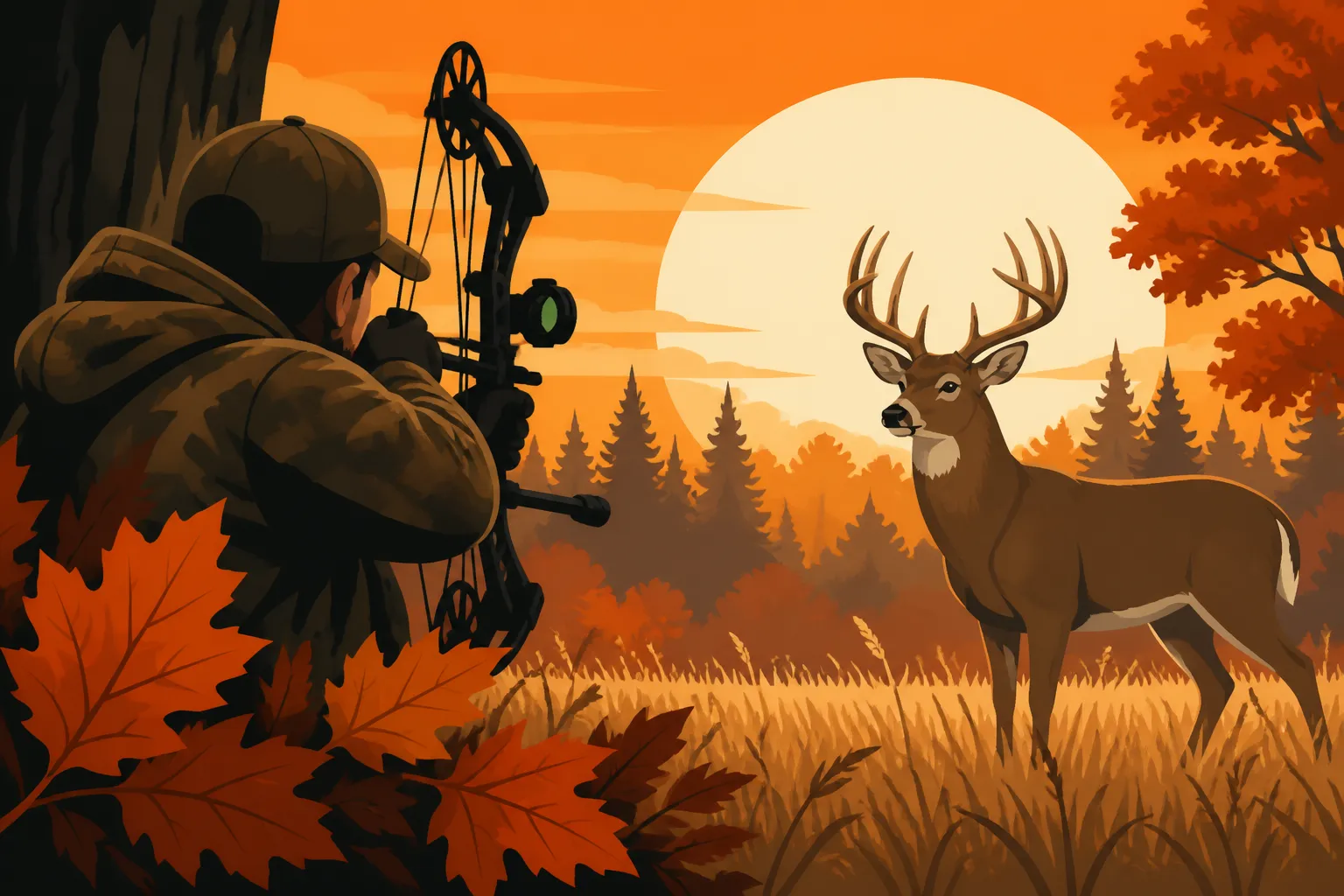
Late October in Minnesota is a fascinating, sometimes maddening, time to be in the deer woods. It's often referred to as the "seeking phase" or "pre-rut scramble," and for good reason. Bucks aren't in full-blown chase mode yet, but they're definitely getting antsy. Their testosterone levels are surging, and they're starting to actively seek out the first does coming into estrus. This isn't the chaotic, run-and-gun peak rut we all dream of, but it's a period of increasing movement and vulnerability if you know what to look for and how to respond.
Does, on the other hand, are still largely in their family groups, focused on feeding, though the mature does are starting to get restless and might be seen breaking away from their fawns more frequently. The younger does might come into estrus a bit earlier, drawing the attention of eager bucks. This discrepancy in readiness means you'll see sporadic activity, not consistent chasing. You might witness a buck dogging a doe for a short distance before she pulls away, or a lone buck cruising through an area he typically wouldn't frequent during daylight hours. It’s this unpredictability that makes late October both challenging and incredibly exciting. The key is to be present when those brief windows of heightened activity occur, and that means understanding their motivation. Bucks are fueled by a mix of hormonal drive and a need to establish dominance before the competition really heats up. They're still somewhat cautious, but their internal clock is pushing them to expand their home range and check more areas for receptive does.
Scouting and Locating Deer During the Shifting Rut
Successful late October hunting hinges on meticulous scouting and knowing where to focus your efforts as deer behavior shifts. You're looking for subtle changes in the landscape that indicate bucks are transitioning from food-centric patterns to breeding-centric ones. This is where fresh sign truly becomes your best friend. Look for newly opened or heavily worked scrapes, particularly those along travel corridors, field edges, or ridges. These "primary scrapes" are essentially community billboards where bucks leave their scent and check for does. A scrape that's just been pawed fresh, with an active licking branch above it, is a hotspot you want to target. Similarly, fresh rubs – especially larger ones on trees 3-4 inches in diameter or more – indicate a buck has been working off some aggression and leaving his mark. Pay attention to rub lines that create a path between bedding areas, food sources, and known doe hangouts.
Trail cameras are indispensable during this phase. Don't just place them on food plots; instead, shift them to monitor active scrape lines, pinch points, and natural funnels that connect different habitat types. A great tactic is to find a line of scrapes along an old logging road or a subtle ridge top and set cameras there. This will give you insights into which bucks are active and their general travel times. Using mapping tools, like the ones available on platforms such as GoHunt, can be a game-changer for identifying these key terrain features. You can pour over aerial imagery, pinpointing potential funnels between heavy cover and food sources, or identifying strategic choke points where deer are forced into a smaller area. Look for narrow strips of timber connecting two larger woodlots, creek bottoms, or saddlebacks in hilly terrain. These are natural travel corridors that bucks will frequently use as they cruise for does. Remember that deer movement patterns are starting to include more daylight activity from bucks, so cameras can show you exactly when they're making their moves. For a deep dive into using digital scouting tools, check out our guide on Reading Aerial Photos for Big Woods Deer.
Effective Tactics for Late October Deer Hunting
Now that you understand what deer are doing and where to find them, it’s time to talk about the tactics that will put you in position for a shot. This isn't the time to sit passively; it’s a time for calculated aggression.
Strategic Stand and Blind Placement: Your stand location is paramount. Forget sitting directly over a food plot during daylight hours unless it's a small, secluded plot bordering thick cover. Instead, focus on the travel routes bucks are using to check for does. This means setting up on pinch points, funnels, and transition zones between known bedding and feeding areas. If you find an active scrape line, consider placing a stand or ground blind within shooting distance, especially if it's along a natural travel corridor. For those hunting the big timber, our article on Hanging a Stand on a Big Woods Funnel offers excellent advice. Don't underestimate the power of a well-placed ground blind, especially in areas where treestand placement is tricky or on open field edges. Be sure to check out tips on Using a Ground Blind on Minnesota Public Land for effective setup strategies.
Calling Strategies: This is when calling starts to shine. Grunt calls can be highly effective in late October. Bucks are actively seeking and will often investigate a realistic grunt, believing it's another buck or even a doe. Keep your grunts short and inquisitive. If you see a buck cruising out of range, a well-timed grunt can often stop him or even draw him closer. Rattling can also work, but keep it light and subtle. This isn't peak-rut, knockdown-drag-out fighting. Think of it more as two young bucks sparring, or one buck challenging another with a few short clashes of antlers. Combine light rattling with a few soft grunts for added realism. Estrus bleats, though usually associated with the peak rut, can sometimes draw in an eager buck during late October, especially if a doe is just starting to cycle. If you're interested in refining your calling, our guide on Rattling and Grunting in Minnesota has more detailed techniques.
Decoy Use: Decoys can be a powerful tool in late October. A single doe decoy, placed where a cruising buck can spot it, can often draw him in to investigate. He's looking for receptive does, and a lone doe can be irresistible. Consider a buck decoy if you’re trying to challenge a buck that’s already showing aggression via rubs and scrapes. Just be mindful of how and where you deploy them. Visibility is key, but you also want to avoid looking unnatural. Always place your decoy slightly quartering away from your shooting lane to present a more ethical shot opportunity. For those challenging conditions in thicker cover, remember that even subtle changes in Wind and Thermals on a Minnesota Ridge can impact how deer approach your setup and how scent from your decoys travels.
Still-Hunting and Midday Movement: While sitting on stand is a common tactic, late October can be an excellent time for still-hunting, especially on days with good wind and soft ground. Bucks are covering more ground, and if you move slowly and deliberately, you can intercept them. Focus on travel corridors, ridge lines, and the edges of thick cover. Don't be afraid to hunt during the midday hours. Unlike the early season when deer are largely bedded, late October bucks are often on their feet, cruising for does in the middle of the day. This is a prime time to be in your stand or carefully still-hunting, especially between 10 AM and 2 PM. Many hunters clear out for lunch, leaving the woods quieter and potentially more productive for those who stick it out.
| Tactic/Behavior | Early October (Pre-Rut) | Late October (Pre-Peak Rut) | Peak Rut (Early November) |
|---|---|---|---|
| Buck Movement | Primarily nocturnal/crepuscular; focused on food. | Increased daylight cruising; checking scrapes; sporadic doe-seeking. | High daylight activity; chasing does; aggressive interactions. |
| Doe Behavior | Grouped, food-focused. | Still grouped; mature does becoming restless; first does enter estrus. | Scattered; actively breeding; intense buck attention. |
| Scrape Activity | Sparse; curiosity scrapes. | Active; primary scrapes worked frequently; sign becoming pronounced. | Intense; numerous fresh scrapes; often less focus on working them as bucks chase. |
| Rubs | Few; often smaller trees. | Increased; larger trees; rub lines forming. | Many fresh rubs; often associated with chase routes or bedding areas. |
| Calling | Limited effectiveness (curiosity grunts). | Grunts effective; light rattling; occasional estrus bleats. | Aggressive rattling; snort-wheezes; estrus bleats. |
| Decoys | Minimal utility. | Single doe or buck/doe pair can be effective. | Bucks often challenge, does ignore; can draw in frustrated bucks. |
| Stand Location | Food sources, bedding edges. | Funnels, pinch points, active scrapes, transition zones. | Funnels, bottlenecks, doe bedding areas, fresh sign. |
The late October rut is a transitional phase, but it's one of high potential if you adapt your methods. By understanding the deer’s motivations and employing these tactics, you’ll be much better positioned for success.
Adapting to Weather and Pressure in the Late October Woods
Minnesota weather in late October can be a mixed bag, to say the least. One day it's crisp and cool, perfect for deer movement, and the next it's unseasonably warm or dumping rain. Staying flexible and adapting your strategy to these conditions is critical. A sudden cold front, especially after a period of mild weather, can really kickstart deer activity. When temperatures drop, deer often move more, seeking out food sources to build up reserves and cruising more actively in search of does. If there's a light dusting of snow, that's a golden opportunity for tracking and can make deer movement more visible, especially when you’re still-hunting the big woods or trying to find where Big Woods Bucks Bed in Minnesota. Conversely, warm, sunny days might mean deer are moving less during midday, so you'll want to focus heavily on the first and last hours of light, or consider hunting heavier cover where they might feel more comfortable moving undetected.
Rain and wind also play a significant role. A light, steady rain can sometimes be excellent for hunting, as it dampens sound, washes away your scent, and often has deer on their feet. However, heavy downpours will usually shut down movement for extended periods. High winds can be tough. Deer tend to hunker down in thick cover, making them harder to find. When the wind howls, deer rely more on their noses and sight, often moving into sheltered areas like creek bottoms or dense conifer stands. You'll need to adjust your approach, focusing on protected areas and using the wind to your advantage for your entry and exit routes. Checking our guide on Wind and Thermals on a Minnesota Ridge can give you an edge in these conditions.
Hunting pressure is another massive factor, especially on Minnesota’s public lands. By late October, deer have likely been pressured for several weeks by bowhunters, and if firearms season has opened in certain zones, that pressure intensifies. Smart bucks become incredibly wary. To counter this, you need to think differently. Look for areas that other hunters overlook – deep pockets of public land far from access points, small isolated woodlots, or overlooked terrain features. Sometimes, the best strategy is to hike farther, pushing past the initial layers of hunters to find those untouched sanctuaries. Scout with tools like GoHunt to identify small, neglected parcels or challenging terrain that might deter other hunters. Additionally, consider changing your hunt times. If everyone else is in their stands at sunrise and sunset, try hunting heavily during those midday hours when many hunters are back at camp or home. Bucks, especially older ones, will learn to use those lulls in pressure to their advantage. For insights into finding less-pressured areas, delve into our article on Hunting Pressure on Minnesota Public Land.
Disclaimer
Please remember that hunting regulations, seasons, and permit requirements can change. Always consult the latest Minnesota Department of Natural Resources (DNR) regulations before heading into the field. This guide provides general information and tactics, but it is your responsibility to know and follow all applicable laws.