Minimum Draw Weight for Minnesota Deer
It’s a common scenario: you're eager to hit the woods for Minnesota’s archery deer season, perhaps you're new to traditional bows, or maybe you're getting back into it after a long break. But then you start wondering, "Am I strong enough? What's the absolute minimum draw weight I can get away with?" This question can feel like a big hurdle, often leaving hunters worried about compliance and, more importantly, whether their setup is truly ethical. This guide is here to cut through the confusion and help you understand Minnesota's specific requirements for archery draw weight, alongside the practical and ethical considerations that go far beyond just meeting the legal minimum.
Understanding Minnesota's Draw Weight Regulations
When you're preparing for deer season, whether it's setting up your tree stand or meticulously tuning your bow, understanding the rules is paramount. Minnesota has clear guidelines to ensure that hunting is done humanely and effectively, and draw weight for archery equipment is part of that framework. It's not just about what you can pull back, but what's legally and ethically sound for taking game.
The Legal Minimum for Archery Deer Hunting
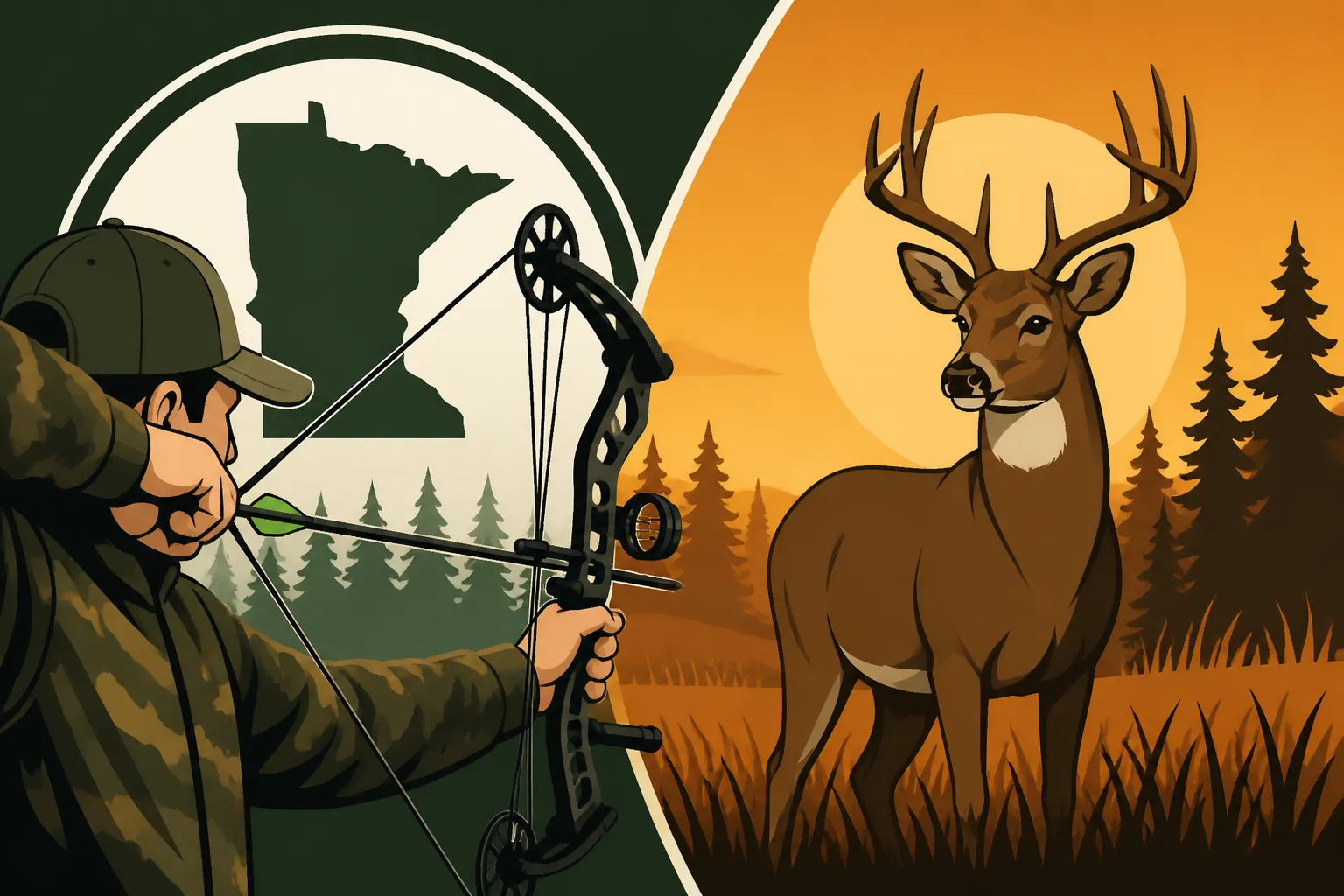
Let's get straight to the brass tacks. In Minnesota, for vertical bows (recurve and compound bows), the legal requirement states that the bow must have a minimum draw weight of 40 pounds at or before full draw. This isn't an arbitrary number; it's set with the intention of ensuring that an arrow, when properly released, carries sufficient kinetic energy to achieve a clean, ethical harvest on a deer. This regulation applies statewide, whether you're chasing whitetails in the big woods of the north or the agricultural lands of the south. This means if you're pulling a compound bow that tops out at 35 pounds, or a traditional recurve that's marked 30 pounds at a 28-inch draw, you're not meeting the legal standard for deer in Minnesota. It’s critical to verify your bow’s actual draw weight, especially if you’ve adjusted it or are using an older setup. Many modern compound bows are adjustable, allowing you to dial down the weight for practice and then crank it back up for hunting, but you must ensure it hits that 40-pound mark at full draw. If you're considering different options, it's worth reading up on topics like Crossbow Versus Vertical Bow in Minnesota to understand all your legal hunting options.
Beyond the Letter of the Law: Ethical Considerations
While 40 pounds is the legal minimum, I can't stress enough that simply meeting this benchmark shouldn't be your sole goal. Ethical hunting goes far beyond what’s written in the regulation book. The real question should be: "Can I comfortably and accurately deliver an arrow with enough energy to make a quick, clean kill?" A 40-pound bow, while legal, might be at the lower end of the spectrum for reliably harvesting a deer, particularly if your form isn't perfect, your arrows are light, or your broadheads aren't razor-sharp and well-tuned.
Imagine a scenario: You're sitting in your stand, the air is crisp, and a beautiful whitetail buck steps out at 25 yards. You draw back, but because 40 pounds is a struggle for you, your form breaks down. Your shot is rushed, or worse, poorly placed, leading to a wounded animal and a long, difficult tracking job – or no recovery at all. That's a hunter's worst nightmare, and it's precisely what we aim to avoid. We owe it to the animals we pursue to be as proficient and ethical as possible. This means prioritizing accuracy and a smooth, controlled shot over simply hitting the minimum draw weight. Many hunters find that a draw weight between 50-60 pounds offers a comfortable balance of power and shootability for deer, providing a greater margin for error in penetration. For more specific insights on bow setup, check out Bow Draw Weight for Minnesota Whitetails.
Factors Influencing Effective Draw Weight
It's easy to get caught up in the numbers, but the reality of effective draw weight in the field is a multifaceted issue. It's not just about the static pull weight of your bow, but how that weight interacts with your physical capabilities, your specific equipment, and the overall mechanics of your shot. Ignoring these interconnected factors can lead to disappointing results, regardless of whether you meet the legal minimum.
Personal Strength and Form
This is where the rubber meets the road. Your personal strength, endurance, and shooting form are arguably more critical than the absolute number on your bow's limb. A hunter who can comfortably and smoothly draw a 45-pound bow, hold it steadily, and execute a clean release with perfect form will be far more effective than someone struggling to draw a 60-pound bow with shaky arms and poor technique. The ability to repeat a consistent draw and shot sequence under pressure is paramount.
Think about it: you might be able to pull 50 pounds in your living room when you're fresh, but can you do it after sitting in a cold tree stand for three hours, when that trophy buck suddenly appears and your adrenaline spikes? Can you draw silently, without extra movement, and hold steady for a few seconds while the deer clears a branch? If drawing your bow feels like a grunt-and-shove effort, it's too much. The ideal draw weight allows you to draw smoothly, hold steadily without excessive strain, and aim accurately. Don't be afraid to reduce your draw weight if it improves your consistency and comfort; a slightly lower draw weight with perfect execution is always superior to a higher one with poor form.
Bow Type and Mechanics
The type of bow you choose also plays a significant role in how draw weight feels and translates into energy.
- Compound Bows: These are designed with a "let-off" feature, meaning that once you pull the string back to full draw, a significant percentage of the peak weight is relieved. For example, a 60-pound compound bow with 80% let-off only requires you to hold 12 pounds at full draw. This makes holding at full draw much easier, allowing for longer aim times and more stable shots. This mechanical advantage is a huge factor for many archers, enabling them to shoot heavier peak weights than they could with a traditional bow.
- Recurve and Longbows (Traditional Bows): With traditional bows, there is no let-off. If your recurve is a 45-pound bow, you are holding the full 45 pounds at full draw. This requires more continuous strength and muscle endurance, making precise aiming for extended periods more challenging. For this reason, traditional archers often opt for slightly lower draw weights than their compound counterparts, focusing heavily on smooth, fluid movements and instinctive shooting.
- Crossbows: While not directly related to draw weight in the same way, crossbows offer a different solution for hunters who cannot meet vertical bow draw weight requirements or prefer a different shooting experience. They use a cranking mechanism to cock the string, removing the need for physical strength to hold the draw. For those interested in exploring this avenue, understanding Crossbow Versus Vertical Bow in Minnesota is crucial.
Each bow type has its own feel and demands. Understanding these differences helps you choose a setup that maximizes your effectiveness and adheres to legal standards.
Arrow and Broadhead Selection
The conversation about effective draw weight isn't complete without discussing your arrow and broadhead choices. These components are critical for kinetic energy transfer and penetration, regardless of your bow's draw weight.
- Arrow Weight: A heavier arrow, even launched from a lower draw weight bow, will often carry more kinetic energy and momentum than a lighter arrow from a slightly heavier bow. This is due to the principle of physics: momentum is mass times velocity. While speed is exciting, mass helps carry that energy through resistance (like hide, muscle, and bone). Pairing a mid-to-heavyweight arrow with your draw weight can significantly improve penetration. Dive deeper into this topic by exploring Arrow Weight for Short Shots.
- Broadhead Type: This is perhaps one of the most underestimated factors.
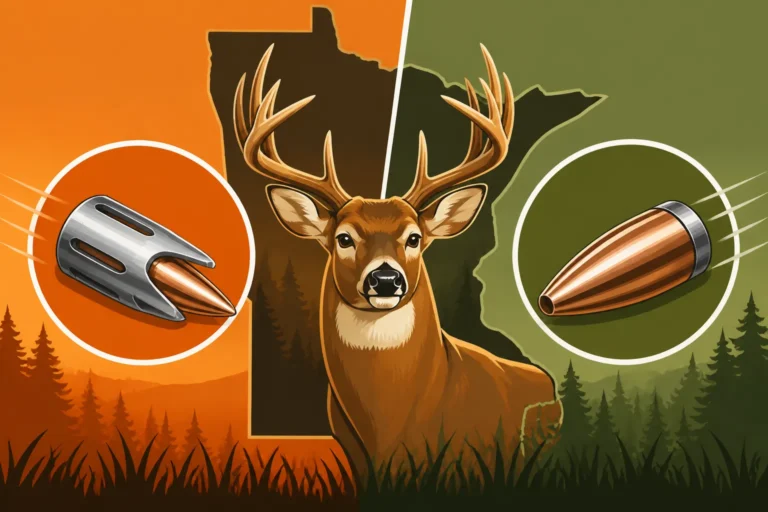
- Fixed-Blade Broadheads: Generally known for their superior penetration, especially through bone. Their blades are fixed in place, meaning no energy is expended on deployment. They require precise tuning to fly true with your bow, but many hunters swear by them for reliable performance.
- Mechanical Broadheads: These deploy on impact, creating a larger cutting diameter. While they can create massive wound channels, the energy required to deploy the blades can sometimes reduce penetration, especially on lower draw weight bows or if they encounter heavy bone. Some modern mechanicals are designed to be more "low-energy friendly," but it's crucial to test them thoroughly.
The choice between fixed and mechanical broadheads often comes down to personal preference, bow setup, and the specific animal you're hunting. For a detailed comparison, see Fixed Versus Mechanical Broadheads.
Ultimately, the goal is to create an arrow setup that provides maximum kinetic energy and momentum for your comfortable draw weight, ensuring sufficient penetration for an ethical kill. Resources like GoHunt often have detailed gear guides and discussions from experienced hunters that can help you dial in these choices.
How to Determine Your Ideal Draw Weight
Finding that sweet spot where you meet regulations, maintain ethical standards, and can consistently shoot accurately is the key to successful archery hunting. It’s a personal journey, and what works for one hunter might not work for another. There's no shame in shooting a lower draw weight if it means better accuracy and a more confident shot.
Starting Out and Building Strength
For newcomers to archery, or those returning after a hiatus, starting with a lower draw weight is not just acceptable, it's highly recommended. Many compound bows are highly adjustable, allowing you to start as low as 30-40 pounds, or even less, and gradually increase the weight as your muscles adapt and your form solidifies. Think of it like weightlifting: you don't start with the heaviest possible weight; you build up gradually.
Start with a weight you can comfortably draw at least 30-40 times in a single session without significant fatigue or compromised form. Focus on smooth, controlled draws and a consistent anchor point. Practice drawing from different positions—standing, kneeling, from a simulated tree stand or ground blind position. As your strength and muscle memory improve, you can slowly increase the draw weight by a few pounds at a time. This progressive approach helps prevent injury and builds a strong foundation for accurate shooting. Remember, consistency in practice is more important than brute strength.
Testing and Tuning for Performance
Once you've settled on a comfortable draw weight, the work isn't over. You need to rigorously test and tune your entire setup to ensure it performs optimally. This involves:
- Paper Tuning: Shooting an arrow through a piece of paper close to the bow can reveal issues with arrow flight, indicating if your arrow rest or nocking point needs adjustment. A perfect hole with three fletchings slicing clean slits is the goal.
- Broadhead Tuning: This is absolutely critical for hunting. Your broadheads must fly exactly like your field points. Shoot both field points and broadheads at various distances (20, 30, 40 yards). If they don't group together, you need to adjust your rest or tweak your broadheads (for fixed blades) until they do. This step is often overlooked, but a broadhead that flies differently than your practice points will lead to missed shots or wounded game.
- Kinetic Energy (KE) Calculation: While not strictly necessary, understanding your arrow's KE can be informative. You can use online calculators with your arrow weight and speed (measured with a chronograph) to see your KE. Generally, 40-50 ft-lbs is considered adequate for deer with a sharp broadhead, but more is always better for penetration, especially through bone.
It’s often best to perform these tuning steps with the help of a reputable pro shop. They have the experience and equipment to help you get your bow shooting perfectly. Many hunters use hunting apps like GoHunt to log their practice sessions and shot groups, helping them track their performance and identify areas for improvement.
When to Seek Professional Guidance
Don't be shy about asking for help! Archery can be a complex sport, and experienced bow technicians and mentors are invaluable resources. A good pro shop can:
- Measure your draw length accurately.
- Help you select the right arrows and broadheads for your bow and draw weight.
- Assist with paper tuning and broadhead tuning.
- Ensure your bow is set up safely and correctly.
- Provide advice on form and technique.
Even seasoned archers bring their bows to the shop for annual tune-ups or specific issues. If you're struggling with accuracy, experiencing pain, or simply want to optimize your setup, professional guidance is worth its weight in gold. They can help you confirm your draw weight is sufficient for Minnesota's regulations and your personal hunting goals. When you're out there hanging a stand, whether it's Portable Treestands Worth Packing In or something more permanent, knowing your bow is perfectly tuned instills incredible confidence.
Dispelling Common Draw Weight Myths
There's a lot of old wives' tales and misconceptions floating around in the hunting world, and draw weight is certainly not immune. It’s important to separate fact from fiction so you can make informed decisions about your gear and approach.
"More Weight Equals More Kill Power"
This is perhaps the most prevalent myth, and it often leads hunters to over-bow themselves. The idea is simple: a heavier draw weight means a faster, more powerful arrow, which automatically translates to a quicker kill. While it's true that higher draw weights generally generate more kinetic energy and momentum, this only holds true if you can shoot that bow accurately.
A 70-pound bow shot poorly is far less effective and ethical than a 45-pound bow shot perfectly. The most important factor in a quick, ethical kill is precise arrow placement. A perfectly placed shot from a legal minimum draw weight bow with a sharp broadhead through both lungs will be lethal, every single time. Conversely, a poorly placed shot from a heavy-hitting bow, even if it penetrates deeply, can lead to a long, drawn-out recovery or a lost animal. Focus on accuracy first, then find the highest comfortable draw weight that allows you to maintain that accuracy. Your skill with your bow, especially when using your Bow Sights for Timber Shots, is what truly matters, not just the numbers on the limbs. It also helps to remember that good preparation extends beyond your gear. For example, knowing Hunting the Rut in Late October can give you an edge, regardless of your draw weight.
Age, Gender, and Physicality: Debunking Stereotypes
Another common misconception is that certain demographics must shoot a particular draw weight. For instance, the idea that all men should shoot 60+ pounds, or that women and younger hunters are relegated to 40 pounds. This is simply not true. Strength and physical capability vary widely among individuals, regardless of age or gender.
Many women comfortably shoot 50-60 pound bows, and many men prefer 40-50 pounds for greater accuracy and less fatigue during long practice sessions or hunts. Youth hunters, with proper instruction and adjustable bows, can often work their way up to very respectable draw weights. The focus should always be on individual strength, comfort, and the ability to maintain excellent form throughout the shot sequence, not on societal expectations or stereotypes. The regulations are there for a reason, but your personal optimal draw weight is just that: personal. Don't let anyone pressure you into shooting more weight than you can handle effectively. We want everyone to enjoy Minnesota Archery Season Dates and have a successful, ethical hunt. Understanding regulations like blaze orange requirements for archery hunters is far more universal than arbitrary strength targets.
Making Your Draw Weight Work for You
Ultimately, selecting the right draw weight for Minnesota deer hunting is about balance. It's about respecting the legal minimums, upholding ethical hunting practices, and finding a setup that allows you to be the most effective and confident hunter possible. Don't chase numbers; chase accuracy and consistency. A well-tuned bow, sharp broadheads, and a practiced shot will always trump brute force.
Remember to consider your personal strength and stamina, the mechanics of your bow, and the critical role of arrow and broadhead selection. Start low, build up slowly, and don't hesitate to seek expert advice from a pro shop. With the right approach, you'll be well-prepared to make a clean, ethical harvest, no matter what your comfortable draw weight turns out to be. Hunting is about the experience, the challenge, and the respect we have for the game. Being proficient with your equipment is a huge part of that. Knowing your gear, and how to use it, makes all the difference when you're dragging a deer out of a slough, or heading home after a successful day. Think about topics like Field Dressing a Deer in Cold Weather — proper preparation makes those parts of the hunt easier too.
| Factor | Impact on Penetration | Consideration for Draw Weight |
|---|---|---|
| Draw Weight | Directly contributes to kinetic energy and momentum. | Minimum 40 lbs legal in MN. Aim for comfortable, consistent pull. |
| Arrow Weight | Heavier arrows retain more momentum, improving penetration. | Optimize for your draw weight; a slightly heavier arrow can compensate for lower draw weight. |
| Broadhead Type | Fixed blades generally penetrate better; mechanicals make larger cuts. | Fixed blades recommended for lower draw weights or traditional bows. |
| Bow Type | Compound bows offer let-off for easier holding; traditional bows require constant strength. | Compound bows allow higher peak weights. Traditional bows require lower, sustainable weights. |
| Shot Placement | Most critical factor; overrides all other mechanical advantages. | Prioritize accuracy and consistent form above all else. |
Finding good public land is another part of the puzzle. There are lots of resources available, and you might consider using mapping tools or apps like GoHunt to scout areas and understand Hunting Pressure on Minnesota Public Land before you even step foot in the woods. Similarly, learning Saddle Hunting in Minnesota Oaks could change your whole strategy, and a comfortable draw weight makes that transition much smoother.
Disclaimer
This article is for general informational purposes only and does not constitute professional advice. Laws, prices and regulations vary by location and change over time. Consult a qualified professional for guidance on your specific situation.