Grouse and Woodcock Hunting in Minnesota
There's a unique frustration that comes with chasing Minnesota's upland birds: one moment you're strolling through what looks like perfect cover, feeling confident, and the next, a rocket-fast flush sends your heart into your throat while the bird disappears before you can even shoulder your gun. It’s a dance of anticipation and split-second decisions that can be incredibly rewarding or utterly baffling. This comprehensive guide aims to peel back the layers of grouse and woodcock hunting in Minnesota, offering practical advice and deep insights to help you understand their habits, find their secret haunts, and ultimately, find more success in the field.
The Allure of Minnesota's Upland Birds
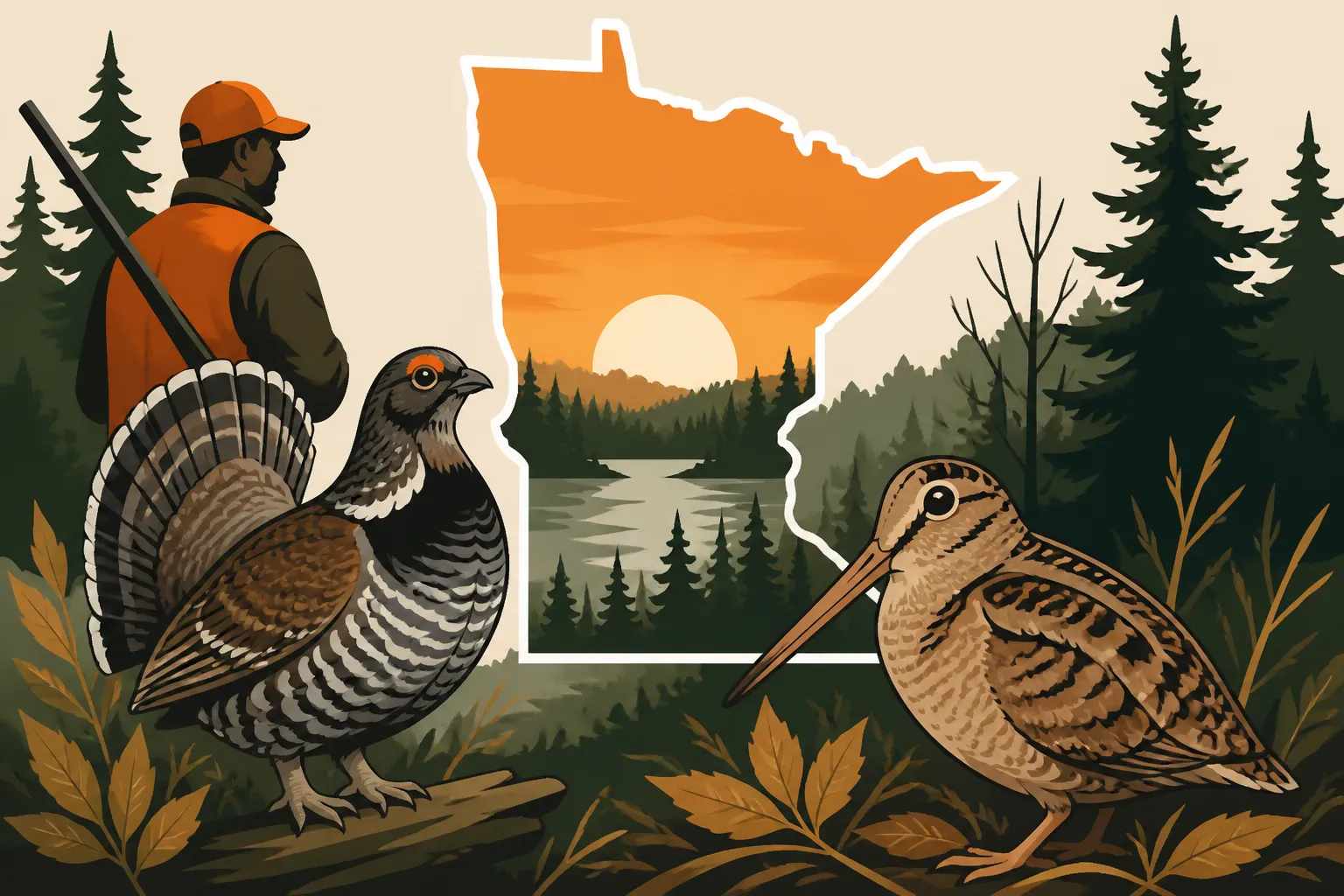
Minnesota's woods and wetlands offer a fantastic opportunity for upland bird hunters, providing a diverse landscape where both ruffed grouse and American woodcock thrive. These two species, while often hunted in similar habitats, present distinct challenges and rewards, making a day afield a dynamic and engaging experience.
Ruffed Grouse: The King of the Northwoods
The ruffed grouse, often affectionately called the "thunder chicken," is the undisputed king of Minnesota's northern woods. Its explosive flush, a sudden blur of brown and gray wingbeats, is a sound that sets an upland hunter's pulse racing. These birds are masters of camouflage, blending seamlessly into their preferred aspen and popple thickets. They're notoriously challenging to hit, often putting multiple trees between themselves and the hunter in the blink of an eye. The satisfaction of a successful shot on a ruffed grouse is immense, a testament to quick reflexes and careful navigation of dense cover.
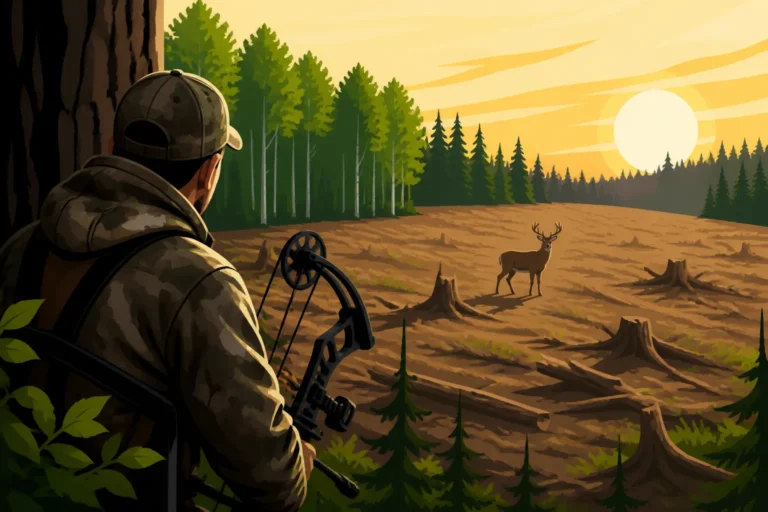
Ruffed grouse thrive in young, regenerating forests, particularly those dominated by aspen. These areas provide the dense overhead cover that protects them from avian predators and the thick understory that offers abundant food sources like catkins, buds, and berries. You'll often find them along logging trails, near old clear-cuts, or in patches of thick alders bordering wetlands. Their habitat preferences often align perfectly with the cyclical nature of forest management in Minnesota, meaning good grouse hunting often follows timber harvest. Understanding Minnesota Ruffed Grouse Cycles and how they relate to the grouse population can significantly impact your hunting strategy.
Woodcock: The Timberdoodle's Unique Charm
Often overlooked in the shadow of the more boisterous grouse, the American woodcock, or "timberdoodle," offers its own distinct appeal. These migratory shorebirds, with their long bills, large eyes, and short legs, are truly unique. Unlike grouse, woodcock are primarily insectivores, probing soft, moist earth for earthworms with their specialized bills. Their flight is typically slower and more erratic than a grouse, a fluttering, corkscrew ascent that can be surprisingly tricky to track, especially when they weave through dense saplings.
Woodcock are primarily migratory, passing through Minnesota in spring and fall. Hunters primarily pursue them during their fall migration, which can offer some incredible hunting opportunities if you time it right. You’ll find them in damp, brushy areas, especially along creek bottoms, alder runs, and young willow thickets. These birds are often associated with moist soil and are frequently encountered while Hunting Grouse and Woodcock Together in mixed coverts. The unique whistle of their wings as they flush is a sound you'll quickly learn to recognize and anticipate.
Understanding Their Similarities and Differences
While both grouse and woodcock offer exciting upland hunting, their subtle differences dictate slightly varied approaches. Both prefer dense cover, but grouse are more tied to regenerating forest types like aspen and birch, while woodcock favor moist, boggy areas with alders and willows.
| Feature | Ruffed Grouse | American Woodcock |
|---|---|---|
| Primary Diet | Buds, catkins, berries, leaves, insects | Earthworms, insect larvae |
| Habitat | Young aspen/birch forests, thickets, clear-cuts | Moist alder/willow thickets, creek bottoms, swamps |
| Flight | Explosive, direct, powerful | Erratic, fluttering, corkscrew ascent |
| Vocalization | Drumming (males), alarm clucks, clucking calls | Peent (males), twittering wings, soft chirps |
| Migration | Non-migratory (resident) | Migratory (spring & fall through MN) |
| Camouflage | Forest floor patterns | Dead leaf/twig patterns |
Understanding these distinctions is key. When you're Grouse Hunting Minnesota Aspen Cover, you might be focused on areas with more deciduous growth and denser overhead canopy. However, when you find yourself walking through an Woodcock Hunting Minnesota Alder Runs in a low-lying area, you'll want to adjust your expectations and be ready for a different kind of flush. This combined knowledge helps hunters maximize their time afield by knowing what to look for in different cover types.
Locating Prime Upland Bird Habitat
Finding grouse and woodcock in Minnesota often feels like solving a puzzle. It's not just about finding "woods"; it's about identifying the right kind of woods and cover that these birds depend on for food, shelter, and breeding. Success hinges on being able to read the landscape, both on a map and on the ground.
Decoding Ruffed Grouse Coverts
Ruffed grouse are creatures of young, regenerating forests. Think dense, young stands of aspen, birch, and mixed hardwoods that are typically 5 to 20 years old since their last logging or disturbance. These "popple" cuts provide incredible security cover, making it difficult for predators to spot them, and offer a smorgasbord of food. Look for areas with a mix of saplings and older, mature trees for drumming sites. Often, these prime spots will be adjacent to thicker pines or cedars, providing thermal cover during cold snaps.
When scouting, whether digitally or on foot, pay close attention to recent logging activity. The DNR manages many state forests and WMAs with an eye toward creating ideal grouse habitat. A stand that was clear-cut 5-10 years ago might look impassable to a deer hunter, but to a grouse hunter, it's a goldmine. Areas with a strong component of budding aspen, especially along ridges or near water sources, are almost always worth investigating. Remember that Why Popple Cuts Grow Grouse is directly tied to the dense horizontal cover and abundant food sources they provide.
Finding Woodcock in Alder and Willow Bottoms
Woodcock are more particular about moisture and soil conditions. Their ideal habitat consists of damp, brushy areas with soft, workable soil, usually found along creek bottoms, beaver ponds, and low-lying alder or willow thickets. These areas provide the perfect conditions for earthworms, their primary food source. You'll often find them tucked into the thickest parts of these wet tangles, sometimes right on the edge where a dense alder patch meets a slightly drier aspen stand.
The key to finding woodcock is looking for that perfect blend of moisture and cover. They need moist soil for feeding, but also dense overhead cover to feel secure and hide from predators. A classic woodcock covert might be a narrow strip of alders winding along a small stream, especially if it opens up into a slightly drier, brushy area nearby. When Finding Woodcock in Alder Runs, you're often looking for that very specific kind of wet, dense growth that might seem impenetrable but offers exactly what these timberdoodles need. Digital mapping tools, like those found in the GoHunt app, can be invaluable for identifying these low-lying, wet areas often marked by distinct vegetation patterns.
Utilizing Public Lands and Mapping Tools
Minnesota boasts an incredible amount of public hunting land, from vast state forests and national forests to numerous Wildlife Management Areas (WMAs). The challenge isn't finding public land, but finding the right public land that holds birds and isn't overly pressured. Digital mapping apps have revolutionized this aspect of hunting. Tools like the Minnesota DNR's Recreation Compass or third-party apps like GoHunt (or onX Hunt, BaseMap, etc.) allow you to scout from your couch. You can identify logging cuts, forest types, elevation changes, and water features with incredible detail.
Layers showing timber cuts, forest stand age, and public/private land boundaries are crucial. Look for concentrations of young aspen, dense alder bottoms, and edges where different cover types meet. Consider how far other hunters might be willing to walk. Often, the best grouse and woodcock hunting can be found by venturing just a bit further than the casual hunter. Using The Minnesota Recreation Compass Map Tool or similar apps can help you pinpoint access points, parking areas, and navigate vast tracts of public ground. Pay attention to satellite imagery that shows distinct habitat types; a good satellite image can tell you a lot about the density and type of cover before you ever step foot on the ground.
Essential Gear for Upland Hunters
Upland hunting isn't about having the most expensive gear, but rather the right gear that can withstand the rigors of dense cover and unpredictable weather, while also allowing for quick, effective shooting. Comfort, durability, and safety are paramount when you're busting brush all day.
Shotguns, Chokes, and Ammunition Selection
For grouse and woodcock, a fast-handling shotgun is key. Most upland hunters prefer lighter 12, 16, or 20 gauge shotguns, with 20 gauge being a popular choice for its lighter weight and sufficient stopping power for these smaller birds. Over-and-under or side-by-side shotguns are traditional favorites, but pump-action and semi-automatics work just as well, offering quick follow-up shots. The most critical aspect is that the gun fits you well and swings smoothly. You'll be making quick, instinctive shots in thick cover, so a natural point is more important than precise aiming.
Choke selection is equally important. Given the close-range, fast-flushing nature of these birds in dense cover, open chokes are generally preferred. A skeet, improved cylinder, or even cylinder choke is often ideal for the first shot, opening up the pattern quickly. Many hunters choose a double-barrel shotgun with an improved cylinder in the first barrel and a modified choke in the second, providing versatility for a close flush or a slightly longer follow-up shot. As for ammunition, light field loads with 7.5 or 8 shot are perfect. For grouse, some prefer 6 shot if longer shots are anticipated, but 7.5 is often a good all-around choice. When selecting Shot Size for Grouse and Woodcock, remember that dense patterns are more effective than larger pellets at short ranges. Non-toxic shot is not required for upland birds unless hunting on specific federal lands (like some WPAs), but it's always an ethical choice to consider.
Apparel and Footwear for Tough Cover
Hunting Minnesota's upland birds means walking through some seriously thick and often wet cover. Durable, briar-resistant clothing is non-negotiable. Canvas or waxed cotton brush pants are a lifesaver, protecting your legs from thorns, sharp branches, and general abrasion. A good upland vest or strap vest is essential for carrying shells, water, a first-aid kit, and of course, your birds. These vests often feature a large game pouch on the back, making it easy to stash your harvest. Layering is crucial for comfort in Minnesota's variable fall weather. Start with moisture-wicking base layers, add a fleece or wool mid-layer, and finish with a quiet, briar-resistant outer shell.
Footwear must be waterproof and provide excellent ankle support. You'll be crossing uneven terrain, navigating mud, and potentially wading through shallow water. Insulated rubber boots are excellent for wet conditions, while sturdy, waterproof leather or synthetic hunting boots are also great options. Ensure they are well broken-in to prevent blisters. When choosing Boots for Walking Minnesota Popple Cuts or alder bottoms, prioritize waterproofness and comfort for miles of walking. For those hunting with dogs, a pair of Bird Dog Boots and Cut Pads can protect their paws from the rough terrain. Don't forget a blaze orange hat or vest, as Minnesota requires hunters to wear blaze orange or blaze pink when hunting small game during the firearm deer season.
Navigational Aids and Safety Essentials
Even in seemingly familiar woods, it's easy to get turned around when you're focused on birds. A reliable GPS unit or a smartphone with a dedicated hunting app like GoHunt is an absolute must. Download offline maps before heading out, as cell service can be spotty in remote areas. Mark your vehicle, important landmarks, and any good coverts you find. A compass and paper map are also good backups.
Safety should always be your top priority. Carry a small first-aid kit for minor cuts, scrapes, and blisters. A whistle can be used to signal for help if you get lost or separated from hunting partners. Always let someone know where you're going and when you expect to return. Consider carrying a small survival kit with fire-starting materials, a knife, and emergency food. Hydration is important, so bring plenty of water, especially on warmer early season days. Even though upland hunting isn't typically as solitary as deer hunting, it's wise to be prepared for any eventuality in the remote reaches of the Northwoods.
Mastering Hunting Tactics and Techniques
Successfully hunting grouse and woodcock in Minnesota is an art form, a blend of understanding bird behavior, reading the cover, and executing with precision. Whether you hunt with a seasoned bird dog or prefer to "boot hunt" on your own, thoughtful tactics will elevate your success.
Working Coverts with or Without a Dog
A well-trained bird dog is undoubtedly an asset for upland hunting, turning a challenging pursuit into a truly memorable experience. Dogs can cover more ground, penetrate dense cover that's difficult for humans, and most importantly, locate birds and retrieve them after the shot. A good pointer or flusher will work methodically, signaling when birds are present, allowing the hunter to get into position for a shot. When a dog goes on point, approach cautiously, ready for the flush. A dog can also be invaluable for Flushing Grouse Without a Dog by systematically working through thick brush, although this phrase typically refers to human hunters doing the flushing.
If you don't have a dog, don't despair! "Boot hunting" or still-hunting for grouse and woodcock can be very effective, though it requires a different approach. Walk slowly and deliberately, pausing frequently for 30-60 seconds. Grouse often hold tight, and these pauses can make them nervous enough to flush. Zigzag through the cover, paying attention to natural travel corridors like old logging roads, game trails, or edges of different habitat types. Make sure you're always ready to shoulder your gun, as flushes can be sudden and unexpected. Work into the wind when possible, as this can help mask your scent and sound from the birds.
Effective Flushing and Shooting Strategies
The key to successful upland shooting is being ready for anything. Most shots will be at close range, often within 15-25 yards, and through dense cover. When a bird flushes, resist the urge to panic. Mount your gun smoothly and quickly, focusing on the bird's flight path rather than a specific spot. Swing through the bird, pull ahead of it, and squeeze the trigger. It's often referred to as "point and shoot" or "snap shooting." You rarely have time for a perfect sight picture.
For grouse, expect an explosive, straight-line flight that often tries to put a tree between you and the bird. For woodcock, anticipate that characteristic spiraling, fluttering ascent. Practice shouldering your gun quickly and swinging on imaginary birds in your backyard. Being mentally prepared for the flush, rather than physically surprised, significantly increases your chances. Always know where your hunting partners are and maintain safe shooting lanes. Never shoot at sound alone. The general advice is to stay calm, let the bird clear the initial thickest cover, then make your move.
Timing Your Hunts for Peak Activity
Timing can make a big difference in upland hunting success. Early season (September/early October) often means warmer weather, dense foliage, and young, less wary birds. Grouse broods will still be somewhat together, and woodcock will be plentiful before the main migration push. As the season progresses into late October and November, leaves drop, improving visibility but also making birds warier. This is often when Hunting the Minnesota Rut in Early November for deer hunters coincides with some of the best grouse hunting, as cooler weather makes birds more active and easier to spot.
For woodcock, the migration is everything. Timing the Minnesota Woodcock Flight typically peaks from late September through mid-October, though it can vary year to year based on weather patterns and cold fronts. Watch weather reports for cold fronts moving south, as these often push migratory birds ahead of them. A good frost can also trigger woodcock to migrate, as it freezes the ground and makes it harder for them to probe for worms. For both species, hunting during overcast days or after a light rain can be productive, as birds may be more active and foliage might be quieter. Mid-morning and late afternoon are often prime times, as birds move to feed.
Navigating Minnesota's Seasons and Regulations
Understanding Minnesota's hunting regulations is crucial for a legal and ethical hunt. The state's DNR does a commendable job of managing game populations, and staying informed about season dates, bag limits, and licensing requirements ensures a smooth experience afield.
Key Dates for Grouse and Woodcock Seasons
Minnesota offers generous seasons for both ruffed grouse and woodcock, typically opening in mid-September and running through the end of the year, or even into early January for grouse. Specific dates can shift slightly each year, so always check the most current Minnesota DNR hunting regulations.
The general framework often looks like this:
| Species | Season Opening | Season Closing | Notes |
|---|---|---|---|
| Ruffed Grouse | Mid-September | Early January | Long season, overlaps with deer hunting. |
| American Woodcock | Mid-September | Early November | Migratory, season closes earlier. |
Knowing the Minnesota Grouse Season Dates and Minnesota Woodcock Season Dates is your first step in planning. The overlap is intentional, allowing hunters to target both species simultaneously in appropriate habitats. Early season hunting often features dense cover, while late season sees birds concentrated in thicker thermal cover after the leaves have dropped and snow begins to fall.
License Requirements and Migratory Bird Certification
Before heading afield, every hunter needs to ensure they have the proper licenses. For residents, this typically means a valid Minnesota small game license. Non-residents will also need a non-resident small game license. You can purchase these online, at various vendors, or by phone. Always carry proof of your license while hunting, whether it's a physical copy or stored digitally on your phone via the DNR's eLicense system.
Because woodcock are migratory birds, hunters must also obtain a Harvest Information Program (HIP) certification. This is free and helps the U.S. Fish and Wildlife Service gather data on migratory bird harvests. It's a quick process, often done when you purchase your small game license. Remember, federal law also requires hunters 16 years and older to possess a valid Federal Duck Stamp to hunt waterfowl, but this is not required for woodcock, even though they are migratory birds. Always review the Minnesota Small Game License Requirements and Minnesota Migratory Game Bird Certification rules before your hunt to ensure full compliance.
Understanding Bag Limits and Shooting Hours
Minnesota sets daily bag limits and possession limits for grouse and woodcock to ensure sustainable populations. For ruffed grouse, the daily bag limit is typically 5 birds, with a possession limit of 10. For woodcock, the daily bag limit is often 3 birds, with a possession limit of 9. These numbers can change, so consult the current regulations booklet. Respecting these limits is a cornerstone of ethical hunting and responsible resource management.
Shooting hours for upland birds generally run from one-half hour before sunrise to sunset. This provides ample time for hunting during prime periods without encroaching on nighttime hours. Always be aware of the official sunrise and sunset times for your specific location, which can be easily found online or through your hunting app. Adhering to Minnesota Shooting Hours and Legal Methods ensures you are hunting legally and safely. Additionally, remember the blaze orange/pink requirements during firearm deer season if you're out hunting grouse or woodcock during that period; it’s a critical safety measure.
Field Care, Processing, and Enjoying Your Harvest
Bringing a grouse or woodcock to hand is the culmination of skill and effort. Proper field care and processing ensure that this delicious wild game makes it to your table in the best possible condition. These smaller birds require a slightly different approach than larger game, but the principles of quick cooling and cleanliness remain the same.
Quick Field Dressing and Meat Preservation
As soon as you harvest a bird, the clock starts ticking, especially on warmer early season days. The first step is to field dress the bird to cool the meat quickly. This involves removing the entrails through a small incision. You can also fan the bird open to allow air circulation. If you're deep in the woods, carrying a few zip-top bags can help keep the cavity clean.
Once field dressed, the birds need to be cooled. If it's a cool day, simply placing them in the game pouch of your vest is usually sufficient. However, on warmer days, you might want to consider carrying a small soft-sided cooler with some ice packs back at your vehicle. Lay the birds on top of the ice rather than submerged in it to prevent waterlogging. The goal is to get the body temperature down as quickly as possible to prevent spoilage and ensure the best flavor. A common practice is to keep the feathers on until you're ready to clean them more thoroughly back at camp or home, as the feathers act as a protective barrier.
Plucking vs. Skinning: A Hunter's Choice
When it comes to processing, upland birds offer two main choices: plucking or skinning. Each has its advantages.
Plucking:
- Pros: Keeps the skin on the bird, which adds flavor, fat, and prevents the meat from drying out during cooking. Many chefs prefer roasted game birds with the skin on for crispiness.
- Cons: Can be messy and time-consuming, especially with smaller birds. Grouse feathers are quite dense, and woodcock feathers are delicate.
Skinning:
- Pros: Much faster and cleaner than plucking. Ideal if you're planning to debone the breast or just want to get the meat quickly.
- Cons: Removes the skin, which can lead to drier meat if not cooked carefully. You lose some of the rich flavor associated with roasted skin.
Many hunters choose to simply breast out their birds, removing just the breast meat, which is the largest portion. This is the quickest method, especially if you're not planning to roast the whole bird. However, for a gourmet experience, plucking and roasting whole is often preferred. Experiment with both methods to see what works best for your cooking style and time constraints.
Delicious Ways to Prepare Grouse and Woodcock
Both grouse and woodcock offer incredibly flavorful, lean meat that is a true culinary delight. Grouse meat is dark, rich, and often described as having a slightly wilder, more robust flavor than chicken. Woodcock meat is even darker, very tender, and has a unique, earthy flavor that some compare to duck or liver, making it a favorite among gourmands.
- Grouse: Can be roasted whole (if plucked), pan-seared, or stewed. Pan-seared grouse breasts with a simple butter and herb sauce are fantastic. They also make excellent pot pies or additions to wild rice soup. Given the lean nature, be careful not to overcook them.
- Woodcock: Often prepared similarly to other small game birds. Their small size makes them perfect for individual portions. Many prefer to roast woodcock whole, wrapped in bacon to keep them moist and add fat. They can also be grilled quickly or pan-fried. The classic French preparation, bécasse en salmis, involves roasting the bird and making a sauce from its internal organs and drippings.
Don't be afraid to experiment with different recipes. Simple preparations that highlight the natural flavor of the meat are often the best. These birds are a testament to the bounty of Minnesota's wild places, and enjoying them at the table is a fitting end to a successful hunt.
Beyond the Basics: Advanced Tips and Conservation
Becoming a truly successful upland hunter in Minnesota means moving beyond basic tactics and developing a deeper understanding of the birds, their environment, and the broader conservation efforts that sustain them. It's about being observant, adaptable, and a responsible steward of the resource.
Reading Habitat Cycles and Weather Impacts
Upland bird populations, especially ruffed grouse, are cyclical. Minnesota Ruffed Grouse Cycles typically run on a 10-year ebb and flow, heavily influenced by factors like predation, weather, and habitat quality. Knowing where Minnesota sits in this cycle can help set expectations for a given season. In years of high grouse populations, birds may be found in more marginal habitats, while in low years, they'll concentrate in prime coverts. Similarly, Aspen Management and Minnesota Grouse are intrinsically linked, as active timber management creates the young forest growth grouse rely on.
Weather plays a significant role too. Early season droughts can impact insect populations, which poults feed on, affecting recruitment. Harsh winters with deep, crusty snow can make it difficult for grouse to "snow roost" for warmth, leading to increased mortality. On the flip side, mild winters and good nesting conditions can lead to bumper crops. Always check the annual DNR forecast for grouse and woodcock before the season. For woodcock, strong cold fronts directly influence their migration, so keeping an eye on long-range weather forecasts can help you predict When Woodcock Migrate Through Minnesota and concentrate your efforts during peak flight.
Contributing to Upland Bird Conservation
Upland hunting is about more than just harvesting birds; it's about being an active participant in conservation. Organizations like the Ruffed Grouse Society (RGS) and American Woodcock Society (AWS) are critical partners in preserving and enhancing habitat. These groups work with landowners, state agencies, and federal programs to advocate for and implement sound forest and wetland management practices. Many of the productive grouse and woodcock coverts you hunt on public land are the direct result of habitat projects championed by these organizations.
Hunters contribute directly to conservation through license fees and excise taxes on firearms and ammunition (the Pittman-Robertson Act). Beyond that, consider joining an upland conservation group. Volunteering for habitat workdays, participating in surveys like the Minnesota Grouse Drumming Surveys or Minnesota Woodcock Singing Ground Surveys, or simply reporting your harvest numbers accurately helps biologists manage populations effectively. Every time you spend time on Minnesota's public lands, such as areas identified through Best Minnesota Ground for Public Land Grouse, you're also implicitly supporting the funding mechanisms that make these lands accessible and healthy.
Ethical Hunting and Respect for the Resource
Ethical hunting practices are the cornerstone of our outdoor heritage. This includes adhering to all regulations, practicing good sportsmanship, and showing respect for the land, wildlife, and other hunters. Always ensure you have a clean shot and avoid taking risky shots that could wound a bird or endanger others. If hunting with a dog, ensure it's well-controlled and doesn't harass non-game wildlife.
Responsible land use is also vital. Pack out everything you pack in, and leave no trace of your presence. Respect private property boundaries, and if you're hunting near agricultural areas, be mindful of crops and livestock. Our privilege to hunt is contingent on our collective responsibility to act as ethical conservationists. By embracing these principles, we not only ensure healthy upland bird populations for future generations but also uphold the positive image of hunters as dedicated stewards of Minnesota's natural resources.
Disclaimer
Always consult the current year's Minnesota Department of Natural Resources (DNR) hunting regulations for the most up-to-date and specific rules regarding grouse and woodcock seasons, bag limits, shooting hours, and licensing requirements. Information provided here is for general guidance only and should not be considered a substitute for official DNR regulations.