Minnesota Grouse Season Dates
There's nothing quite like the crisp autumn air hinting at the season's change, and for many of us in Minnesota, that whisper carries the promise of flushing grouse. But pinning down the exact dates for grouse season can sometimes feel like trying to nail down a drumming ruffed grouse – they move fast, and if you're not paying attention, you might miss the prime window. This guide is here to walk you through everything you need to know about Minnesota's grouse season dates, ensuring you're ready when the leaves start to turn and the birds start to flush.
Understanding Minnesota's Grouse Hunting Seasons
Getting out into the woods for ruffed grouse and woodcock is a cherished tradition for many Minnesota hunters, myself included. It's not just about the shot; it's about the rustle of leaves, the smell of decaying timber, and the heart-stopping thunder of a bird erupting from cover. Knowing when you can pursue these elusive birds is the first step to a successful season. Minnesota's Department of Natural Resources (DNR) sets these dates annually, and while they tend to follow a predictable pattern, it's always wise to confirm the exact dates each year.
General Season Structure and Key Dates
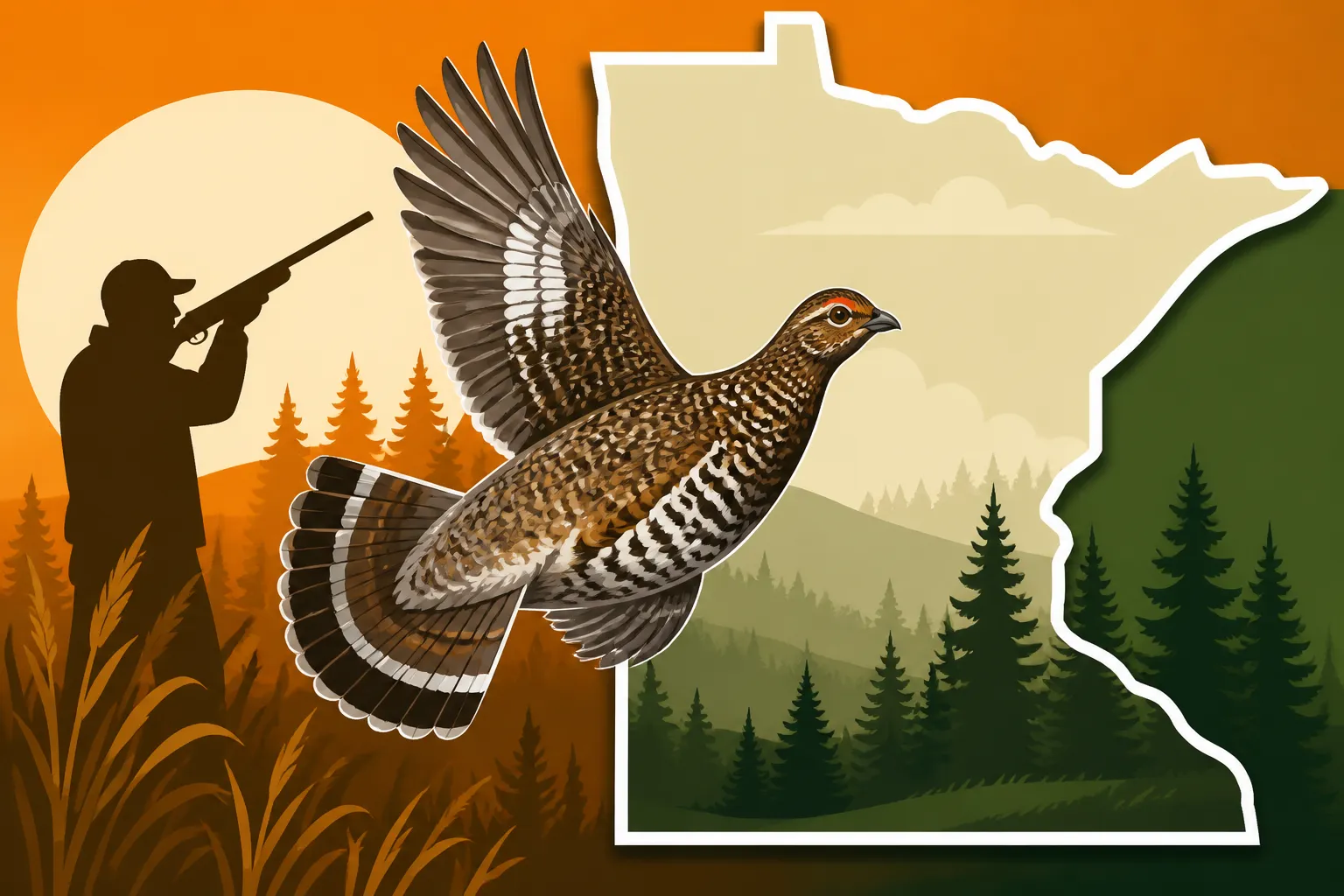
For ruffed grouse and spruce grouse, Minnesota's hunting season typically kicks off in mid-September and runs right into the first week of January of the following year. For the 2024-2025 season, for example, the dates are officially set from September 14, 2024, through January 5, 2025. This generous timeframe gives hunters ample opportunity to get out, whether you prefer the mild temperatures and thicker cover of early fall or the stark, silent woods after a fresh snowfall. This long season is one of the many reasons why Minnesota is a premier destination for upland bird hunters.
It's important to remember that while the dates are broad, the hunting experience changes dramatically throughout this period. Early in the season, you'll be dealing with full foliage, which means birds might be harder to see but can be concentrated in specific cover types. Later in the season, as leaves drop, visibility improves, but birds might be more spread out or concentrated around specific food sources and thermal cover. For a broader look at when you can target other small game, check out our guide on Minnesota Small Game and Upland Bird Seasons.
Regional Variations and Early Bird Opportunities
Unlike some other game species, Minnesota's grouse season dates are generally uniform statewide for both ruffed and spruce grouse. There aren't specific zones or regional openers that drastically alter the dates for these birds. This simplifies planning considerably, as you don't have to worry about crossing an invisible line that suddenly makes your hunting illegal. However, the type of grouse hunting available certainly varies by region.
For instance, the dense forests of northern Minnesota, particularly in areas like the Iron Range, the Chippewa National Forest, and the Superior National Forest, are prime ruffed grouse country. These areas are characterized by extensive aspen stands and mixed hardwoods that provide ideal habitat. In contrast, spruce grouse are more restricted to the deep, boggy conifer forests found further north, often overlapping with moose habitat. While the season dates remain the same, your strategy and target species might shift depending on which part of the state you're hunting. Using tools like the GoHunt app or DNR's Recreation Compass can help you pinpoint specific public lands known for good grouse populations and understand the type of cover you'll encounter.
Why These Dates Matter for Grouse Behavior
The extended grouse season isn't just a convenience for hunters; it reflects the birds' natural life cycle and behavioral changes throughout the fall and early winter. When the season opens in mid-September, grouse are often still in their family groups, sometimes referred to as broods. They'll be primarily feeding on a variety of berries, insects, and tender green vegetation. The cover is thick, and the flushes can be explosive and close-quarters.
As October progresses, the leaves begin to fall, and grouse start to transition to a diet heavier in buds and catkins, especially from aspen and birch trees. This is also when the "crazy season" can happen, particularly for ruffed grouse, where young birds might fly into windows or exhibit less caution. For many, late October and early November, coinciding with the peak of the deer rut, offers some of the best grouse hunting as the woods open up, making birds easier to spot and shoot, but still providing enough cover to make it a challenge. Learning about Minnesota Ruffed Grouse Cycles can give you an edge in predicting bird behavior. By the time December rolls around, grouse are fully committed to a diet of buds and will often be found high in trees or hunkered down in dense thermal cover, requiring different tactics, often with snow on the ground.
Preparing for Your Minnesota Grouse Hunt
Stepping into the grouse woods without proper preparation is like trying to make maple syrup without tapping a tree – you're missing a crucial first step. Planning extends beyond just knowing the dates; it involves understanding the legal requirements, having the right gear, and doing your homework on where the birds might be. A well-prepared hunter not only has a better chance of success but also ensures a safer and more enjoyable experience in Minnesota's diverse landscapes.
License Requirements and Important Stamps
Before you even think about shouldering your shotgun, you need to make sure your paperwork is in order. To hunt ruffed grouse or any other small game in Minnesota, resident hunters generally need a small game license. For non-residents, a non-resident small game license is required. Additionally, if you plan to hunt migratory birds like woodcock (which often inhabit the same cover as ruffed grouse), you'll also need a Minnesota Migratory Bird Certification and a Federal Duck Stamp. While not strictly for grouse, it's good practice to have these if you're targeting mixed bags in the same covers.
It's easy to purchase your licenses online through the Minnesota DNR's e-license system, or at various vendors throughout the state. Always carry proof of your license, either a physical copy or on your phone using the authorized app. The cost of a small game license is quite reasonable, especially when you consider the months of enjoyment it unlocks. You can find more details on current pricing in our article on Minnesota Resident Small Game License Cost. Always double-check the DNR website for any specific stamps or certifications that might be new or changed for the current season.
Essential Gear for Early Season Success
The gear you choose for grouse hunting can make a significant difference in your comfort and effectiveness, especially during the early season. Since you'll be walking through dense cover, durability and mobility are key.
Here's a breakdown of what I consider essential:
- Shotgun: A lightweight 12 or 20 gauge shotgun with an open choke (like improved cylinder or skeet) is ideal for the fast, close-range shots often presented by flushing grouse. Many hunters prefer side-by-sides or over/unders for their quick handling and ability to carry two different chokes, but a pump or semi-auto works just fine.
- Ammunition: Light target loads, typically 7 ½ or 8 shot, are perfect for grouse and woodcock. They provide a dense pattern without over-penetrating. Remember that Shot Size for Grouse and Woodcock can impact your success.
- Clothing: Layers are your friend. Early season can be warm, but mornings can be chilly. Wear durable, briar-resistant pants or chaps to protect against thorns and thick brush. A good upland vest with plenty of pockets for shells, water, and harvested birds (and often a built-in game bag) is invaluable. Don't forget bright blaze orange (or pink) for safety, as required by law during firearm deer season and always a good idea in any hunting situation.
- Boots: Waterproof, comfortable boots are non-negotiable. You'll be walking through damp areas, over uneven terrain, and possibly even shallow water. Look for good ankle support and traction. Our guide on Boots for Walking Minnesota Popple Cuts offers some great advice.
- Navigation: Even if you know an area well, a GPS unit or a reliable mapping app on your phone (like GoHunt, which I often use for satellite imagery and public land boundaries) is critical. Losing your way in dense woods, especially as daylight fades, is no fun. Always carry a compass as a backup.
- Water and Snacks: Hydration is important, even on cooler days. Small, high-energy snacks can keep you going.
This table provides a quick overview of recommended gear:
| Gear Item | Purpose | Key Considerations |
|---|---|---|
| Shotgun | Flushing birds at close range | 12 or 20 gauge, open choke (IC/Skeet) |
| Ammunition | Effective pattern, minimal damage | 7 ½ or 8 shot, lead (where legal for upland birds) |
| Upland Vest | Carry essentials, game bag | Durable, ample pockets, comfortable fit |
| Briar Pants | Protection from brush and thorns | Tough material (nylon, canvas), comfortable for walking |
| Waterproof Boots | Comfort, dryness, support | Good ankle support, aggressive tread, waterproof lining |
| Navigation | Stay found, identify boundaries | GPS unit or mapping app (e.g., GoHunt), compass |
| Blaze Orange | Safety, visibility to other hunters | Vest or hat, clearly visible from all directions |
| Water Bottle | Hydration | Durable, easy to access |
Scouting and Finding Prime Grouse Habitat
Success in grouse hunting often comes down to knowing where to look. Ruffed grouse thrive in young, regenerating forests – particularly stands of aspen. They love the dense vertical cover these areas provide, which protects them from aerial predators, and they feed on the buds of aspen and birch. When you're scouting, look for clear-cuts that are 5-20 years old. These areas often feature a mix of young aspens, alders, and various berry bushes, creating a mosaic of food and cover. Our guide on How Old a Cut Should Be for Grouse delves into this in more detail.
Woodcock, on the other hand, prefer wetter, brushier habitats, often found near alder thickets, willow stands, or swampy areas with soft ground for probing. Since they're migratory, their numbers will be highest during the fall migration, typically peaking in mid-October. The beauty is that these habitats often overlap, allowing for a mixed bag hunt.
Before the season even opens, take some time to scout prospective areas. Use aerial photos on mapping apps (like GoHunt's satellite layer) to identify promising clear-cuts, alder runs, and dense timber. Look for access points, walking trails, and areas that appear to hold good cover. Even a quick drive or walk through potential hunting grounds can reveal valuable information about bird activity. For deep insights on pre-season scouting, read our article on Scouting Minnesota Public Land Before Season.
Maximizing Your Time in the Grouse Woods
Once you've got your licenses, gear, and a general idea of where to go, it's time to hit the woods. But grouse hunting isn't always a walk in the park; it requires adapting your tactics, understanding regulations, and knowing how to navigate Minnesota's vast public lands. Making the most of your time means being efficient, safe, and respectful of the environment and other hunters.
Adapting Tactics to Early Season Conditions
Early in the season, Minnesota's woods are still quite lush. The thick canopy and undergrowth provide ample hiding spots for grouse, making them incredibly challenging to see before they burst into flight. This means you need to be deliberate in your approach.
- Walk Slow and Deliberate: Don't rush. Walk slowly, pausing frequently. Grouse will often hold tight, relying on their camouflage. Those pauses might just be enough to make a nervous bird flush, giving you a shot.
- Hunt the Edges: Grouse often favor the edges of different cover types – where a young aspen stand meets an older forest, or where dense cover transitions to a more open area. These transition zones offer both protection and easy access to food.
- Utilize a Dog (if you have one): A good bird dog is an invaluable asset for early season grouse hunting. A well-trained pointing or flushing dog can locate birds you'd walk right past, retrieve fallen birds in thick cover, and greatly increase your chances of success. If you're hunting without a canine companion, our guide on Flushing Grouse Without a Dog provides some excellent strategies.
- Listen: Pay attention to your surroundings. The sound of a grouse flushing, even if you don't see it, can tell you where birds are holding. Also listen for drumming, which indicates a male grouse on his territory.
- Focus on Food Sources: In September and early October, grouse are heavily feeding on berries (such as thornapple, wild rose hips, and highbush cranberry) and various green plants. Concentrate your efforts in areas where these food sources are abundant, often found in the younger clear-cuts mentioned earlier. The Grouse Hunting Minnesota Aspen Cover article details these prime habitats further.
Understanding Daily Bag and Possession Limits
Even with the best planning and tactics, it’s crucial to know and adhere to the legal limits. The Minnesota DNR sets daily bag limits and possession limits to ensure sustainable populations. For ruffed grouse and spruce grouse, the daily bag limit is typically 5 birds, with a possession limit of 10. Woodcock usually have a daily bag limit of 3 and a possession limit of 9. These numbers can change, so always consult the current year's Minnesota Hunting and Trapping Regulations booklet or the DNR website before you head out.
- Daily Bag Limit: This is the maximum number of birds you can legally take in a single day of hunting. Once you hit your limit, your hunting for that species is done for the day.
- Possession Limit: This refers to the maximum number of birds you can have in your possession at any given time, including those at home, in camp, or in your vehicle. It's usually two times the daily bag limit, allowing hunters who stay out for multiple days to accumulate birds.
Knowing these limits ensures you're hunting legally and responsibly contributing to conservation efforts. Never exceed these limits, as penalties can be steep and you risk harming the future of the resource.
Navigating Public Lands and Forest Access
Minnesota boasts millions of acres of public land, making it a dream destination for grouse hunters. Wildlife Management Areas (WMAs), State Forests, and National Forests (like the Superior and Chippewa) offer vast opportunities. However, navigating these areas requires a bit of homework.
- Maps are Your Best Friend: Invest in good paper maps and digital mapping apps. Apps like GoHunt or onX Hunt are fantastic for showing land ownership, public land boundaries, forest roads, and even features like timber cuts and habitat types. Using the Recreation Compass Map Tool provided by the Minnesota DNR is also highly recommended.
- Access Roads: Many public forests have a network of forest roads, some maintained, some less so. These can provide excellent access points. However, be aware of seasonal closures, especially later in the fall when wet conditions or snow can make some roads impassable or officially closed to vehicle traffic. Always respect signage.
- Respect Other Users: Public land is shared. You'll encounter other hunters (deer, bear, other upland birds), hikers, mountain bikers, and ATV riders. Be courteous, safe, and always aware of your surroundings. Wearing blaze orange, even when not legally required for upland hunting (like during the archery deer season overlap), is a smart safety measure, particularly during the firearm deer season.
- Tread Lightly: Pack out everything you pack in. Leave no trace. This ensures these beautiful wild places remain pristine for future generations of hunters and outdoor enthusiasts.
Beyond the Dates: Factors Influencing Grouse Seasons
While knowing the season dates is fundamental, truly understanding grouse hunting in Minnesota means appreciating the ecological forces that shape bird populations year after year. Grouse numbers aren't static; they ebb and flow with natural cycles and human influence, directly impacting the quality of your hunting experience.
The Ruffed Grouse Population Cycle
One of the most fascinating aspects of ruffed grouse is their cyclical population fluctuations. These cycles typically run about 8 to 11 years, with populations peaking and then declining significantly, often by 80-90%, before beginning to climb again. Minnesota is famous for these cycles, which are believed to be driven by a complex interplay of factors including predator-prey dynamics, habitat availability, and even weather patterns impacting nesting success.
During a low point in the cycle, you might walk for miles and only flush a handful of birds, making for tough hunting. Conversely, during a high point, flushes can be abundant, and limits are more attainable. The DNR monitors these cycles through drumming counts and other surveys. Knowing where Minnesota sits in the Minnesota Ruffed Grouse Numbers Today can help set realistic expectations for your hunt. Regardless of where we are in the cycle, dedicated hunters can still find birds by focusing on prime habitat and adapting their strategies. It’s all part of the challenge and reward of pursuing these magnificent birds.
Habitat Management and Future Outlook
Ultimately, habitat is king for grouse. Ruffed grouse are highly dependent on young, regenerating forests, especially aspen and birch stands. This kind of habitat, rich in dense vertical cover and food sources, is often a result of timber harvesting, clear-cutting, or natural disturbances like wildfires. Without active forest management, many areas will mature into older forests that don't support high grouse populations.
The Minnesota DNR, along with organizations like the Ruffed Grouse Society (RGS), works tirelessly on habitat management projects across the state. These efforts involve strategic timber harvests designed to create and maintain optimal grouse habitat. You'll often find excellent grouse hunting on public lands where these management practices are in place. If you're interested in how specific forestry practices benefit grouse, our article on Aspen Management and Minnesota Grouse provides a detailed look. The future of grouse hunting in Minnesota largely depends on continued sound habitat management, which creates a mosaic of forest ages vital for these birds and many other wildlife species. Supporting these efforts, whether through direct involvement or by purchasing conservation licenses, helps ensure that Minnesota remains a premier destination for grouse hunters for generations to come.
Disclaimer
This guide is intended for informational purposes only and does not supersede official regulations. Hunting regulations, season dates, and license requirements can change. Always consult the current year's Minnesota Department of Natural Resources (DNR) Hunting and Trapping Regulations for the most accurate and up-to-date information before hunting. It is the hunter's responsibility to know and follow all applicable laws.