Minnesota Waterfowl Hunting on Lakes and Potholes
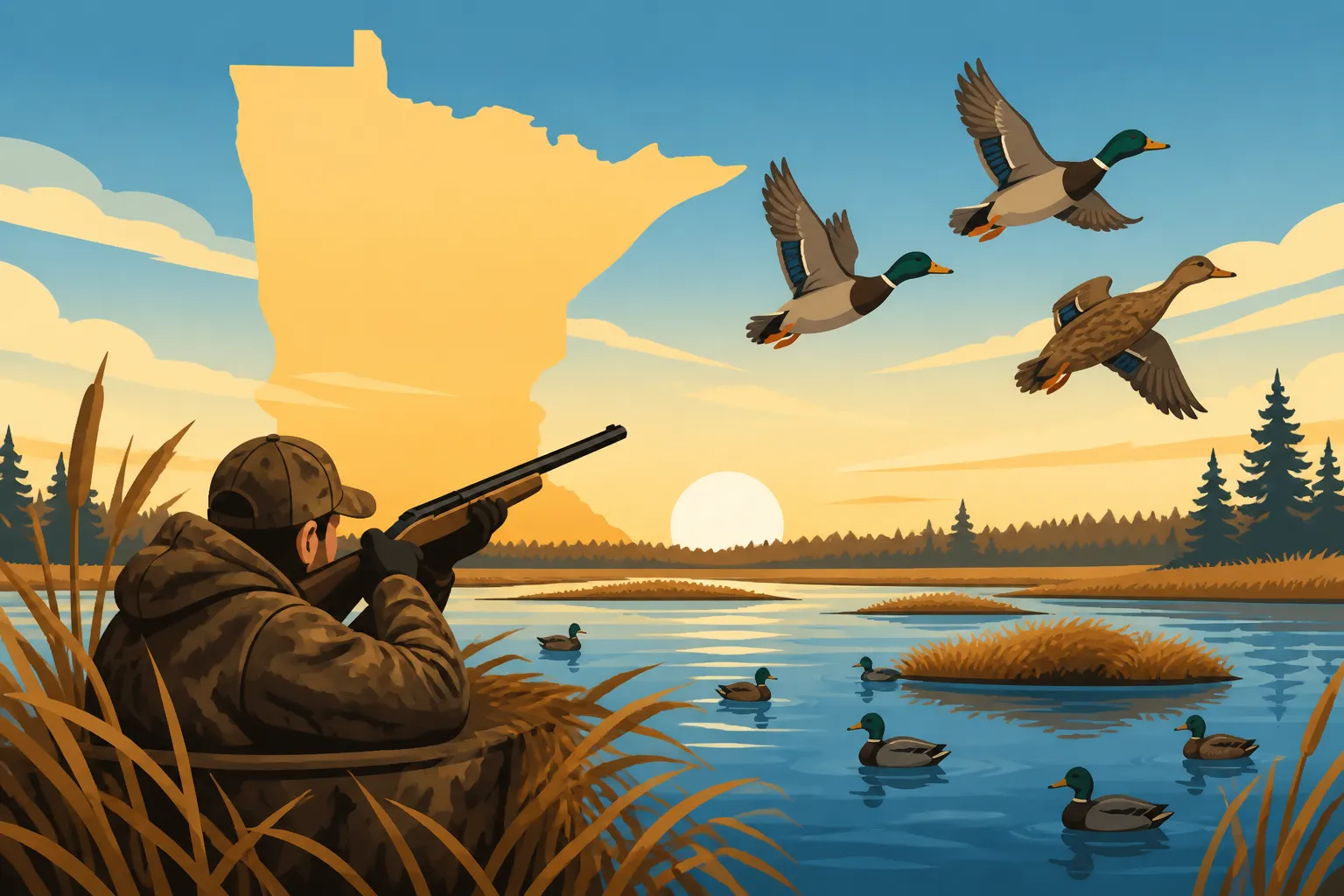
If you've ever spent a frosty Minnesota morning shivering in a blind, watching ducks zip past just out of range or refusing to commit to your spread, you know the frustration. Waterfowl hunting on Minnesota's countless lakes and potholes can be incredibly rewarding, but it’s also a game of relentless adaptation against changing weather, shifting bird patterns, and the sheer challenge of open water. This comprehensive guide is designed to help you decode the nuances of hunting ducks and geese across the Gopher State's diverse aquatic landscapes, from vast lakes to hidden prairie potholes, giving you the practical strategies you need to fill your strap.
Understanding Minnesota's Waterfowl Landscape
Minnesota is a waterfowler's paradise, blessed with an incredible diversity of wetlands, lakes, and rivers that serve as crucial breeding grounds, migration corridors, and wintering areas for countless ducks and geese. But this abundance also means you need to understand the different types of water bodies and the species they attract to truly be successful. It’s not a one-size-fits-all approach when you’re dealing with everything from shallow, vegetation-rich potholes to deep, windswept lakes.
The Diverse Waters of Minnesota
When we talk about Minnesota waterfowl hunting, we're really talking about a spectrum of habitats. On one end, you have the small, often temporary, prairie potholes scattered across western and southern Minnesota. These shallow depressions are absolutely vital for breeding dabbling ducks like mallards, teal, and pintails, and they act as crucial refueling stops during migration. Their rich invertebrate life and emergent vegetation make them irresistible to birds looking to feed and rest.
Then you move into the larger, more permanent marshes and sloughs, often found nestled among farmland or adjacent to larger lakes. These areas feature denser stands of cattails, bulrushes, and wild rice, providing excellent cover and food sources. These are prime locations for jump-shooting opportunities or setting up concealed blinds, especially for early-season birds before they get too pressured. The key with these spots is usually access and knowing how to navigate the thick vegetation without making too much noise.
Finally, you have Minnesota's vast network of lakes, from the smaller, shallower basins that might feel like overgrown potholes to immense bodies of water like Lake Mille Lacs or Lake of the Woods. These larger lakes, particularly those with bays, points, and shallow flats, are magnets for diver ducks such as bluebills, canvasbacks, and redheads, especially during the peak of migration. They also draw in large flocks of geese that might raft up in the middle during the day before heading to fields to feed. Hunting these big waters requires different tactics, often involving larger boats and specialized decoy spreads.
Key Waterfowl Species and Their Preferences
Knowing what you're hunting helps you understand where to hunt. Dabbling ducks, like our beloved mallards, wood ducks, green-winged teal, and gadwalls, are surface feeders. They prefer shallow waters where they can tip-up to feed on seeds, aquatic insects, and vegetation. This is why you'll find them concentrating in those prairie potholes, flooded timber, and the shallow margins of larger lakes. They often feed actively in the mornings and evenings and will seek out sheltered spots during the middle of the day.
Diver ducks, on the other hand, are built for diving, as their name suggests. Species such as canvasbacks, redheads, scaup (bluebills), and ring-necked ducks frequent deeper, open waters where they can dive for submerged vegetation, mollusks, and aquatic insects. You’ll find them congregated in massive rafts on big lakes, especially during strong winds when they prefer to ride the chop rather than deal with smaller, choppy potholes. Identifying their flight patterns and understanding their tendency to fly low over the water or hug shorelines can be critical.
Don't forget the geese! While Canada geese are often associated with farm fields, they also utilize lakes and potholes extensively. They'll use these water bodies for roosting overnight, especially large, open lakes where they feel safe from predators. During the day, they might loaf on a quiet pond or slough before heading out to feed. Understanding their daily routine – from roost to feed and back – is a cornerstone of goose hunting strategy, and often involves using large, visible spreads on water or nearby fields.
The Impact of Weather and Water Levels
Weather and water levels are arguably the two most significant factors dictating waterfowl behavior in Minnesota. A strong north wind after a cold front? That's when those northern birds, especially divers, start pushing south. Pay close attention to these shifts; a sudden dip in temperature often means a fresh influx of birds. Wind, in particular, affects how ducks fly, where they land, and how they stage. Ducks almost always land into the wind, so understanding the prevailing wind direction on your chosen water body is paramount for decoy placement and blind orientation.
Water levels, too, are a constant variable. A dry year might mean those prime potholes are nothing more than cracked mud, forcing birds to concentrate on larger, more permanent waters. Conversely, a wet spring and summer can create temporary sheet water or expand shallow marsh areas, dispersing birds across a wider range of habitat and making them harder to find. Fluctuating water levels can also expose new food sources or flood existing ones, shifting where birds decide to feed. Keeping an eye on rainfall totals and water level reports, even checking historical data on the DNR website, can give you a significant advantage year after year.
Scouting for Success: Finding the Birds
You can have the best decoys, the most expensive calls, and a custom-built blind, but if you're not where the birds want to be, you might as well be hunting in your backyard. Scouting is the absolute bedrock of successful waterfowl hunting on Minnesota's lakes and potholes. It’s a year-round commitment for some, but even a few dedicated days before the season and in-season reconnaissance can dramatically increase your odds.
Pre-Season Aerial Scouting and Map Work
Before you ever set foot in the marsh or launch a boat, spend serious time with maps. Online tools like Google Earth, the Minnesota DNR's Recreation Compass, and dedicated hunting apps like GoHunt are invaluable. They allow you to virtually explore vast areas from the comfort of your home. Look for patterns: where are the shallow areas with emergent vegetation? Are there discernible channels or open pockets within dense cattails? Identify potential roosting areas (often large, open water) and feeding zones (shallower, food-rich areas).
Pay particular attention to choke points, bottlenecks, or prominent points on larger lakes where birds might concentrate as they travel. Look for areas with diverse habitat adjacent to agricultural fields, as geese and some dabblers will utilize both. You can even check historical satellite imagery to see how water levels have changed over the years and how vegetation has grown or receded. This pre-season map work isn't just about finding a spot; it's about understanding the flow of the landscape and how birds might use it. It also helps you plan your access points, gauge travel times, and identify potential obstructions or hazards before you’re out there in the dark.
On-the-Ground Reconnaissance
As useful as aerial maps are, there's no substitute for getting out there. A week or two before the season opens, drive the back roads, especially those adjacent to potential waterfowl habitat. Bring good binoculars and a spotting scope. Scan wetlands, lakes, and even flooded agricultural fields from a distance. Look for rafts of ducks, feeding geese, or birds actively flying between different water bodies. Early mornings and late evenings are prime times to observe these patterns.
When you find birds, don't just note their presence; observe their behavior. Are they actively feeding? Are they just loafing? What direction are they flying when they leave the water? Where do they land when they return? Pay attention to the types of birds present, as this will influence your decoy spread and calling strategy. Be discreet in your scouting; often, the best spots are those that aren't scouted heavily by others. Avoid driving right up to the water's edge or sending birds flaring repeatedly, as this can pressure them before the season even starts. Remember, the goal isn't to scare them, but to understand them.
Reading the Wind and Flight Paths
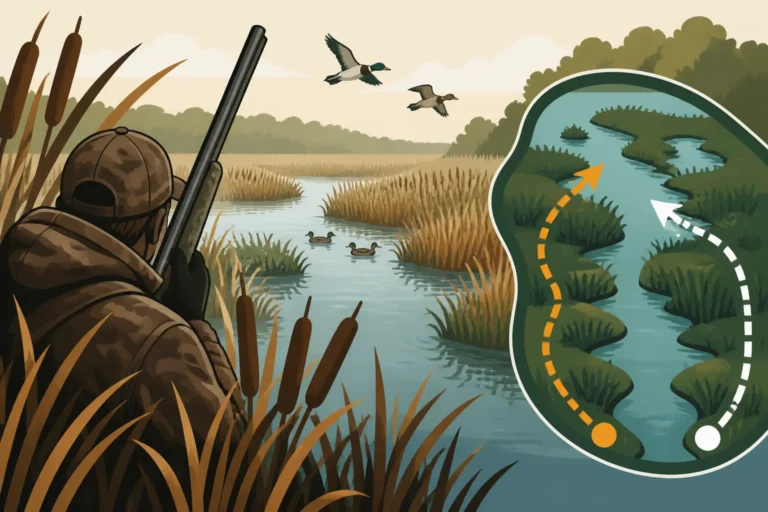
The wind is your compass and your greatest ally (or foe) in waterfowl hunting. Ducks and geese are creatures of habit, and their flight paths are heavily influenced by wind direction. On calm days, birds might come from any direction, making setup a bit trickier. But on windy days, they'll almost always approach your spread by flying into the wind. This means you need to position your blind and decoys downwind of where you expect the birds to approach, ensuring they have a clear landing zone directly in front of you.
Observe how birds are using the wind during your scouting trips. Are they hugging a particular shoreline to avoid strong headwinds? Are they cutting across a point where the wind creates a natural eddy? Watch how they approach different water bodies. Do they circle a few times, or do they commit quickly? These observations are gold. They tell you not just where to set up, but also how to set up to make your spread look as natural and inviting as possible. Understanding the local thermals and how they affect air currents, especially around larger bodies of water or bluffs, can also give you an edge, guiding you to prime flight corridors that might not be obvious from a map.
Decoy Spreads for Lakes and Potholes
Decoys are your silent partners in the field, drawing birds in and giving them the confidence to commit. But just throwing out a random assortment won't cut it. The kind of water you're hunting—whether it's a shallow pothole or a sprawling lake—and the species you're targeting should dictate your spread. It's about creating a believable illusion, telling a story to passing birds that says, "Hey, this is a safe, friendly place with good food. Come on down!"
Dabbler Spreads on Potholes and Shallow Lakes
For dabbling ducks like mallards, pintails, and teal, especially in smaller potholes or shallow bays, naturalness is key. You don't usually need a massive spread. A dozen to two dozen decoys can be incredibly effective. The classic "J-hook" or "U-shape" spread works well, creating an open landing zone in front of your blind, with the "hook" or "legs" of the U extending upwind. This guides birds to land directly into the wind, putting them right in your face.
Another effective strategy for pressured birds on smaller waters is a "messy" or "scattered" spread. Instead of tight, organized groups, deploy your decoys in smaller, more natural clusters, as if ducks are feeding and loafing independently. Mix up your species: a few teal, some gadwalls, and dominant mallards give a sense of security and diversity. Adding a few motion decoys, like spinning wing decoys (where legal) or jerk strings, can provide invaluable movement, mimicking real birds on the water. Remember, ducks in a pothole often aren't in perfectly uniform lines; they're spread out, feeding, and resting. The more you can mimic that natural chaos, the better.
Diver Spreads for Deeper Waters
Diver ducks, unlike dabblers, often congregate in large rafts on open water. To attract them on big lakes, you generally need a larger, more visible spread. Long lines are incredibly effective for divers. You attach multiple decoys to a single main line, anchoring it at both ends. These lines can be hundreds of feet long, creating a massive, visible "string" of decoys that mimics a resting raft of divers. You can deploy several of these lines, perhaps with a slight bend, creating a large, inviting area.
Another common diver spread is the "raft" or "blob" spread. This involves putting a large number of diver decoys (2-4 dozen or more) in a tight group, mimicking a resting flock. You want to leave a generous landing zone upwind of this raft. Diver decoys often work best when they are all of one or two species (e.g., all bluebills or mostly canvasbacks with a few redheads mixed in), as these birds tend to stick together. Don't be afraid to run deep water spreads 50-100 yards out from shore, or even farther on very large lakes, as divers prefer open water. Consider using heavier keel decoys or adding extra weight to prevent them from flipping in heavy chop. For targeting these unique birds, understanding the specific dynamics of Minnesota's deep lakes, like during a big hunt, can make all the difference.
Adding Geese to Your Spread
Even when primarily targeting ducks, adding a few Canada goose decoys to your spread can be a game-changer. These are known as "confidence decoys." Geese are larger and more easily spotted from a distance, signaling to passing ducks that the area is safe. Ducks often feel more secure landing near geese. Place your goose decoys slightly upwind or to the side of your duck spread, as if they're a separate, relaxed group. A small family group of 3-5 full-body goose decoys is often enough to add that extra layer of realism and confidence.
On larger lakes where both ducks and geese frequent, especially those near agricultural fields, you might opt for a combined spread. Create a distinct goose "pocket" near shore or on a prominent point, separate from your duck spread, but still within view. This can effectively attract both species, giving you more options. Just remember to ensure your spread provides clear landing zones for both, and adjust your calling to match the birds you're trying to work. When considering these mixed scenarios, scouting with tools like GoHunt can help identify crossover areas where both species are likely to be found.
| Decoy Type/Species | Preferred Water Body | Ideal Spread Size | Typical Spread Shape | Key Feature |
|---|---|---|---|---|
| Dabblers (Mallard, Teal, Gadwall) | Potholes, shallow lakes, marsh edges | 12-24 decoys | J-hook, U-shape, scattered | Natural, active look |
| Divers (Bluebill, Canvasback, Redhead) | Large, deep lakes, open water | 24-72+ decoys | Long lines, large raft/blob | High visibility, mass |
| Geese (Canada Goose) | Large lakes (roost), adjacent fields, any water (confidence) | 3-12+ decoys | Family groups, separate from ducks | Confidence, large profile |
| Motion Decoys (Spinning wing, jerk string) | Any water | 1-2 per spread | Integrated for movement | Adds realism, attracts attention |
Blind and Concealment Techniques
Getting ducks and geese to commit to your spread is only half the battle; the other half is remaining completely hidden from their keen eyesight. Waterfowl have incredible vision, and any unnatural outline, movement, or glare will send them flaring out of range. Minnesota's diverse waterfowl habitats demand a variety of concealment techniques, from blending into natural vegetation to deploying specialized blinds designed for open water.
Layout Blinds and Marsh Boats
For hunting open water on larger lakes or shallower, sparse potholes where natural cover is minimal, layout blinds are a game-changer. These low-profile blinds allow you to lie flat on your back, effectively disappearing into the terrain or even on a floating platform. When covered with local vegetation like cattails, prairie grass, or cornstalks, a well-brushed layout blind becomes virtually invisible from above. The key is to perfectly match the local environment and ensure there are no sharp lines or shadows that give you away.
For those venturing into deeper marshes or lakes with sparse reeds, specialized marsh boats or sneak boats offer excellent low-profile concealment. These boats are designed to be shallow-drafting and can be easily brushed in with local vegetation. They offer mobility to follow birds or adjust to changing conditions, while keeping you dry and providing a stable shooting platform. Many hunters prefer these for their versatility, allowing them to hunt diverse areas that fixed blinds or shoreline setups can't reach. Remember, in both cases, your face and hands are often the most visible parts; use face paint, gloves, and headnets to complete your camouflage. You can learn more about using these effectively in scenarios like Layout Blind Hunting Minnesota Farm Fields.
Natural Cover and Brush Blinds
When you’re hunting smaller potholes, creek edges, or the protected bays of larger lakes, natural cover is often your best friend. Look for dense stands of cattails, bulrushes, willows, or even submerged timber that can break up your silhouette. The goal isn't to create a perfect wall, but to blend in. A simple approach might involve sitting down low in a dense clump of cattails, using a camo net to break up your upper body, and remaining absolutely still.
For a more permanent or adaptable solution, building a brush blind out of natural materials found on site is highly effective. Gather dead cattails, willow branches, reeds, or grasses and weave them into a frame (often made from branches or lightweight poles) that closely mimics the surrounding vegetation. Ensure the blind is tall enough to conceal you when sitting or standing, but not so tall that it creates an obvious, unnatural structure. Leave shooting lanes, but make sure they're not gaping holes that expose you. The beauty of a well-built brush blind is its seamless integration with the environment, making you part of the landscape. Just be mindful of local regulations regarding blind construction on public lands.
Boat Blinds and Permanent Blinds
On large Minnesota lakes, especially those where divers concentrate, a well-built boat blind can be essential. These blinds are typically frames attached to a boat, which are then covered with camo fabric and natural vegetation. A boat blind offers stability, protection from the elements, and the ability to transport a large number of decoys and gear. The key is to ensure the blind is not only well-camouflaged but also safe for boating in potentially rough conditions. Many hunters also use these boat blinds as an excellent way to retrieve decoys and downed birds without getting too wet, making the most of colder, late-season hunting.
For hunters with access to private land or designated areas on public land (where permitted), permanent blinds can be an excellent option. These are typically more robust structures, often built into the bank or on pilings, and designed to withstand the elements year after year. They offer maximum comfort and concealment, especially for larger groups or longer hunts. However, they require significant effort to build and maintain, and they need to be brushed in regularly to match the changing seasonal vegetation. Whether it's a boat blind or a permanent structure, the principle remains the same: meticulously blend your setup with the environment, eliminate sharp lines, and hide any movement or glare.
Calling Strategies for Minnesota Waterfowl
Calling ducks and geese is an art form, a conversation you're trying to have with wild birds. It’s not just about making noise; it’s about timing, tone, and understanding what the birds are telling you. On Minnesota's lakes and potholes, the right call at the right time can turn a high-flying flock into a cup-winged descent into your decoys. The wrong call, however, can send them packing.
Mastering Basic Mallard Calls
The mallard call is the cornerstone of any duck hunter's repertoire, and mastering a few basic sounds is far more important than knowing a dozen complicated routines. The greeting call is your most common opener: a series of 4-7 quick quacks, usually descending in pitch (quack, quack, quack, quack). Use this to grab the attention of distant birds or to welcome approaching ones.
The lonesome hen or hail call is a longer, louder series of 5-7 drawn-out quacks, often used to reach high-flying ducks or those that are far off. It says, "Hey, I'm over here, where are you?" Once birds are working your spread, switch to a softer, more contented feed call or chuckle—a series of rapid, low-volume quacks that mimic ducks happily feeding. This tells them everything is safe and inviting. Finally, the comeback call is a louder, more urgent series of 5-9 quacks, used when birds begin to leave your spread or pass by without committing. It's your last-ditch effort to get their attention and swing them back around. Practice these until they sound natural and confident, focusing on rhythm and tone rather than sheer volume.
Adding Variety with Other Dabbler Calls
While mallards are often the primary target, other dabbling ducks frequent Minnesota's waters, and having calls for them can broaden your success. A good pintail whistle can be incredibly effective, especially for wary pintails that often won't respond to mallard calls alone. The distinctive "whee-o-whee" sound is easy to learn and adds a layer of realism to your calling, indicating a diverse, healthy flock.
Teal, particularly blue-winged and green-winged, are fast-flying and often respond well to their specific calls. A short, sharp whistle for green-wings and a higher-pitched, rapid chuckle for blue-wings can bring these little rockets into your spread. Gadwalls, sometimes called "gray ducks," have a unique mallard-like quack that's hoarser and often sounds like a descending "ra-a-a-a-ap." Adding these diverse calls at appropriate times makes your spread sound more authentic and can entice species that might otherwise ignore your mallard-centric efforts. Remember, volume is key with teal; their smaller size means a softer call is usually more effective.
Goose Calls and When to Use Them
Canada geese are highly vocal, and their calls are essential for successful goose hunting, whether they are your primary target or just confidence decoys. The basic honk is your bread and butter, a loud, single note used to grab distant birds' attention. Vary the pitch and intensity to mimic different geese.
When birds are closer and working your spread, switch to clucks and moans. Clucks are short, sharp sounds that indicate contentment or a warning, while moans are lower, drawn-out sounds. Together, they create a realistic chatter that says, "We're happy and safe down here!" Many hunters also use a double-cluck, which is a quick two-note cluck, often indicating excitement or urgency. For migrating flocks, particularly the larger honkers, a loud, persistent series of honks and clucks can be devastatingly effective. It’s a full-on conversation you're having with them. The more natural and varied your goose calling, the more likely you are to convince a flock of wary birds that your spread is the place to be. Always remember to match your calling volume to the distance of the birds; don't blast a loud hail call at birds that are already cupped and committed to your spread.
Gear Essentials for Lake and Pothole Hunting
Waterfowl hunting in Minnesota often means facing challenging conditions: cold temperatures, strong winds, rain, and even early season snow. Having the right gear isn't just about comfort; it's about safety and effectiveness. Skimping on essentials can turn a potentially great hunt into a miserable, and even dangerous, experience.
Shotguns, Ammunition, and Chokes
Your shotgun is your primary tool, and reliability is paramount. Most waterfowl hunters opt for 12-gauge shotguns, either semi-automatics or pump actions, known for their versatility and capacity for multiple shots. While 20-gauge shotguns are also effective, especially for lighter loads and smaller birds like teal, the 12-gauge offers more knockdown power and a wider range of ammunition choices for larger ducks and geese. Regardless of gauge, ensure your shotgun is well-maintained and accustomed to handling the often harsh conditions of waterfowl hunting.
Ammunition choice is critical. Minnesota, like all states, requires the use of non-toxic shot for waterfowl. Steel shot is the most common and economical option, available in various sizes from #4 for smaller ducks to BB or BBB for geese. Bismuth and tungsten-based alternatives, while more expensive, offer superior downrange energy and tighter patterns, making them excellent choices for wary birds or longer shots. Always pattern your shotgun with your chosen load and choke before the season.
Choke selection depends on the range and type of birds. For close-in work over decoys in potholes, an Improved Cylinder or Modified choke is often sufficient. For larger lakes and pass-shooting at longer ranges, a Full or even an Extra Full choke might be appropriate, especially with steel shot, which patterns tighter than lead. Many hunters carry interchangeable chokes to adapt to varying situations throughout the day.
Waders, Boats, and Decoy Transport
Staying dry is crucial for comfort and safety in Minnesota's cold waters. High-quality chest waders are non-negotiable. Neoprene waders offer excellent insulation for cold weather, while breathable models are better for warmer early-season hunts. Ensure they fit well, allow for layering underneath, and are durable enough to withstand snags and punctures from submerged branches or sharp ice. Remember, Waders for Minnesota Marsh Hunting are a critical part of your setup.
For reaching those hidden potholes, setting large spreads on big lakes, and retrieving downed birds, a reliable boat is essential. Layout boats or sneak boats are excellent for low-profile hunting in open water. Jon boats or canoes are perfect for navigating shallow marshes, sloughs, and reaching less accessible areas. For larger lakes, a stable duck boat or even a larger pleasure craft outfitted with a blind can be invaluable, offering safety in rough water. Always prioritize safety: ensure your boat has all required safety equipment, including life jackets (PFDs) for everyone on board.
Transporting dozens of decoys, your blind, gun, and other gear can be a workout. Decoy bags are a must-have for organizing and protecting your blocks. Many hunters use large mesh bags or specialized slotted bags to carry decoys. For long treks into marshes or across frozen ground, a deer sled or a specialized waterfowl cart can save your back, allowing you to haul heavy loads more efficiently.
Clothing and Cold Weather Layering
Minnesota weather can change on a dime, especially during hunting season. Layering is the key to staying warm, dry, and comfortable. Start with a moisture-wicking base layer to pull sweat away from your body. Add insulating layers like fleece or wool for warmth, depending on the temperature. A good quality, waterproof and windproof outer shell is critical to protect you from rain, snow, and bone-chilling winds. Look for quiet fabrics that won't rustle and spook birds.
Don't forget extremities: insulated, waterproof gloves or mittens are essential for keeping your hands warm while still allowing dexterity for shooting and calling. A warm hat that covers your ears is critical, as you lose a significant amount of body heat through your head. Waterproof, insulated boots are also a must, providing traction and warmth in muddy, icy, or snow-covered terrain. Consider bringing extra layers in a dry bag, just in case you get wet or the temperature drops unexpectedly. Think about Layering for a Minnesota Deer Stand – many of those principles apply directly to waterfowl, perhaps with even more emphasis on waterproofing.
Safety Considerations on Open Water
Waterfowl hunting on Minnesota's lakes and potholes inherently involves risks, especially when dealing with cold water, unpredictable weather, and potentially rough conditions. Ignoring safety protocols can turn a day of hunting into a life-threatening situation. Responsible hunters prioritize safety above all else, ensuring everyone returns home safely.
Boating Safety and Navigation
If you're using a boat for waterfowl hunting, comprehensive boating safety is paramount. Always wear a U.S. Coast Guard-approved personal flotation device (PFD), and ensure everyone in your party wears one. The water temperatures in Minnesota, particularly during duck season, are often cold enough to induce hypothermia rapidly. Don't just have PFDs in the boat; wear them.
Before heading out, check the weather forecast meticulously, paying close attention to wind warnings and potential storms. On large lakes like Mille Lacs or Lake of the Woods, conditions can change dramatically and quickly, turning calm waters into dangerous whitecaps in minutes. Familiarize yourself with your hunting area, especially at night or in low light. Carry a GPS unit or a reliable mapping app (like GoHunt's navigation features) to prevent getting lost in thick fog, dense cattails, or on expansive open water. Ensure your boat is properly equipped with required safety gear: distress signals, navigation lights, a sound-producing device, a fire extinguisher, and a first-aid kit. File a float plan with someone on shore, letting them know where you're going and when you expect to return.
Hypothermia and Cold Water Immersion
The risk of hypothermia is ever-present for Minnesota waterfowl hunters, even in early fall. Falling into cold water can quickly lead to hypothermia, where your body loses heat faster than it can produce it. Symptoms include shivering, confusion, slurred speech, and loss of coordination. Without proper response, it can be fatal.
To prevent hypothermia, dress in layers, with a focus on insulating materials like wool or synthetics that retain warmth even when wet. Avoid cotton. Always have a dry change of clothes available, preferably in a waterproof bag. If you do fall into cold water, focus on staying calm. Try to get back into your boat or onto stable ground immediately. If that's not possible, use the HELP (Heat Escape Lessening Posture) position or huddle with others to conserve body heat. Signal for help. Having a waterproof communication device (like a marine radio or fully charged cell phone in a dry case) can be a lifesaver. Never hunt alone in extreme cold or dangerous water conditions.
Hunter Safety and Ethics
Beyond boating and cold weather, general hunter safety and ethics are non-negotiable. Always treat every firearm as if it's loaded. Keep the muzzle pointed in a safe direction, keep your finger off the trigger until ready to shoot, and be absolutely sure of your target and what's beyond it. In a busy waterfowl blind, establishing clear zones of fire among hunters is critical to prevent accidents. Never swing on birds that are directly over another hunter.
Ethical hunting also means knowing your limits. Don't attempt shots at extreme ranges, which often result in wounded birds that are difficult to recover. Prioritize quick, humane kills. Make every effort to retrieve all downed birds, even if it means getting a little wetter or working a little harder. Leaving wounded birds to suffer or unretrieved game is unethical and wasteful. Respect other hunters, public and private land, and the regulations. Being a safe and ethical hunter ensures the longevity of our sport and maintains a positive image for all outdoorsmen and women.
Navigating Regulations and Seasons
Minnesota's waterfowl hunting opportunities are regulated by a combination of state and federal laws, designed to conserve bird populations while providing sustainable hunting opportunities. Understanding these rules is crucial to staying legal and making the most of your time on the water. Ignorance of the law is never an excuse, and violations can lead to heavy fines and loss of hunting privileges.
Minnesota Duck Zone Boundaries and Their Impact
Minnesota is divided into three distinct waterfowl zones: the North Zone, Central Zone, and South Zone. Each zone has its own specific duck season dates and bag limits, designed to account for differing migration patterns and duck availability across the state. The North Zone typically opens first, followed by the Central, and then the South. It's imperative to know Minnesota Duck Zone Boundaries and which zone you are hunting in, as misidentifying your zone can lead to hunting out of season.
These zone boundaries often roughly align with latitude, but it's important to consult the official DNR waterfowl regulations map each year, as they can occasionally shift or have nuanced definitions. For instance, a county might fall into one zone, but a particular lake on its border could be under a different designation. This zoning system allows the DNR to manage hunting pressure and harvest more effectively, adapting to biological data and migratory trends. Always double-check the current year's regulations before you head out, as dates can change annually.
Understanding Daily Bag and Possession Limits
Daily bag limits specify the maximum number of birds of each species or category you can harvest in a single day. These limits vary not only by species (e.g., mallards have a different limit than wood ducks or pintails) but also by gender for certain species, such as mallards (often only two hens). Possession limits, on the other hand, dictate the total number of birds you can have in your possession at any given time, including those at your home or in cold storage. This limit is typically two or three times the daily bag limit.
It's critical to be able to identify ducks and geese in hand, and ideally in flight, to ensure you stay within these limits. Misidentification can easily lead to over-bagging on protected species or those with lower limits. The DNR's waterfowl identification guides are an excellent resource for new and experienced hunters alike. Remember that even if you hunt multiple days, your total possession cannot exceed the established limit. For current information, consult the official Minnesota Duck Daily Bag Limit each season.
Federal and State Stamp Requirements
In addition to your general Minnesota hunting license, waterfowl hunters must meet several specific stamp and certification requirements. First, every waterfowl hunter 16 years of age and older must possess a valid Federal Migratory Bird Hunting and Conservation Stamp, commonly known as the "Federal Duck Stamp." This stamp, signed across its face, is a vital source of funding for wetland conservation efforts across the nation.
Secondly, you must also purchase a Minnesota Migratory Waterfowl Stamp. This state-specific stamp contributes to wetland habitat acquisition and restoration within Minnesota. Finally, all migratory bird hunters (including waterfowl) are required to register with the Harvest Information Program (HIP). This involves a brief survey about your hunting activity from the previous season, and the resulting certification is crucial data used by wildlife agencies to estimate harvest numbers and manage populations. This Minnesota HIP Certification for Bird Hunters is mandatory, and you can usually get it when purchasing your other licenses. Make sure you have all required licenses and stamps on your person while hunting, as conservation officers routinely check for compliance. It's also worth noting that non-toxic shot is required for all waterfowl hunting in Minnesota, regardless of the area or species.
Disclaimer
Please note: This article is intended for informational purposes only and should not be considered legal advice. Hunting regulations, seasons, and requirements can change frequently. Always consult the official Minnesota Department of Natural Resources (DNR) regulations and federal hunting laws each year before heading afield. Safety should be your top priority in all hunting activities.