Hunting Grouse and Woodcock Together
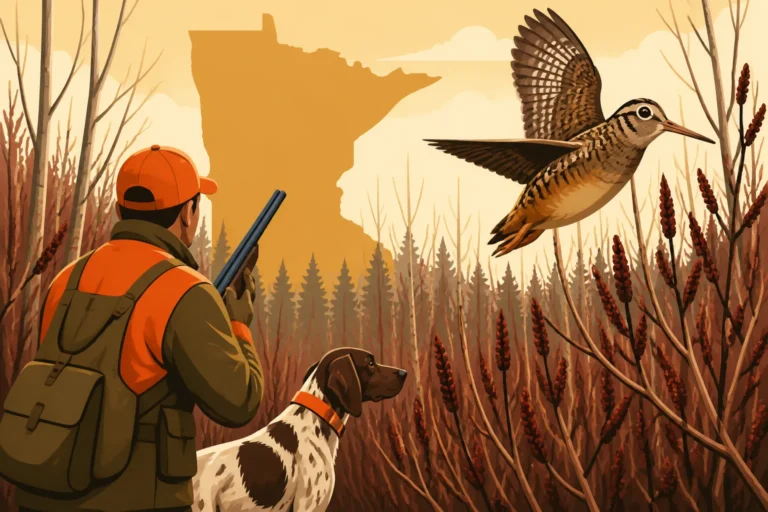
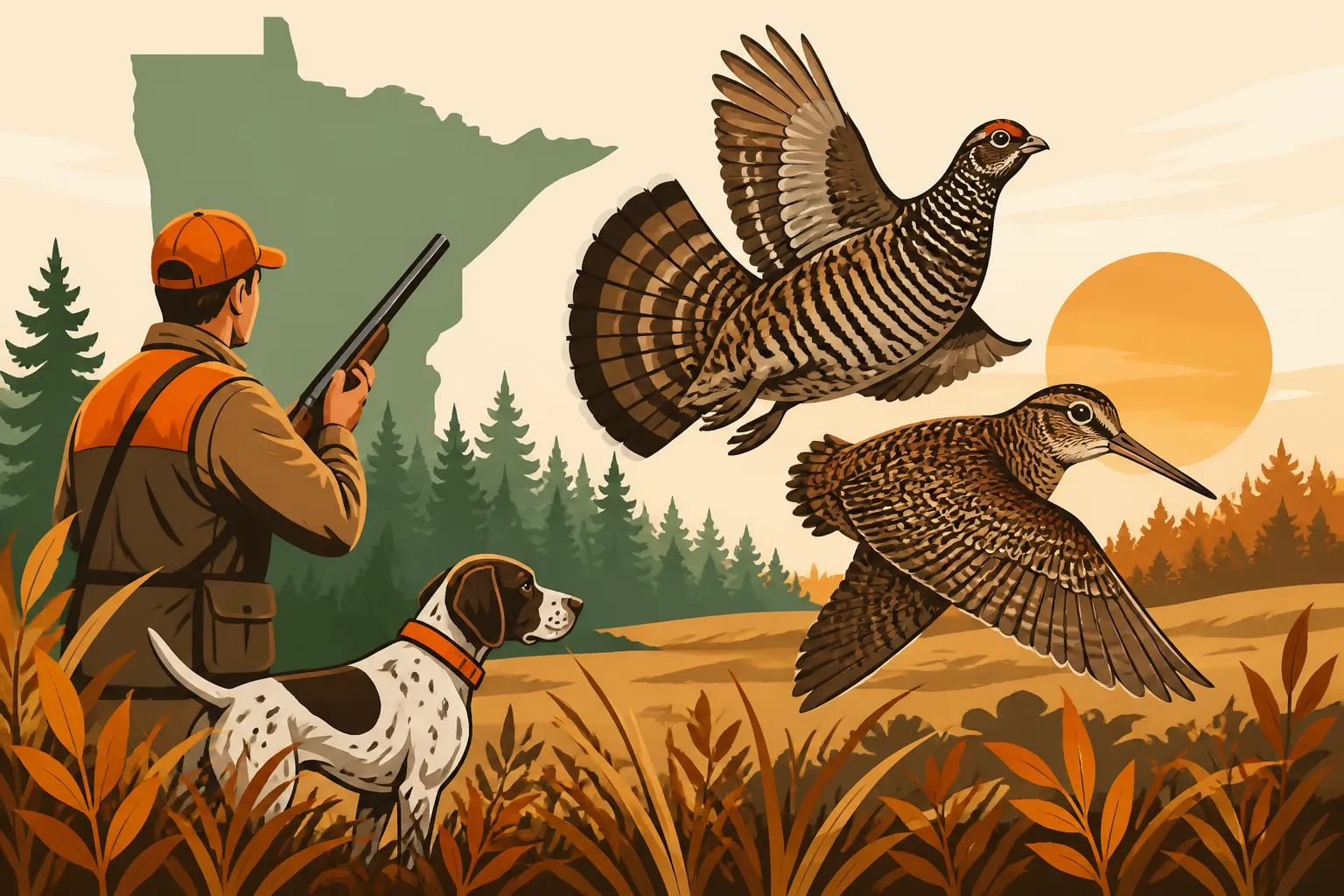
There’s nothing quite like walking through the crisp Minnesota fall woods, dog ranging ahead, the anticipation of a thunderous flush hanging in the air. But let's be honest, those flushes don't always materialize when and where we want them to, leaving us sometimes wondering if we're even in the right spot. For many of us, the dream is to find a place where both ruffed grouse and American woodcock call home, maximizing our chances for a truly memorable day afield. This guide is all about helping you understand the subtle art and practical strategies for effectively hunting both of these magnificent upland birds in the same cover, turning those quiet walks into exciting, productive hunts.
Understanding the Overlap in Habitat
When you're out there, boots on the ground, it’s easy to think of grouse and woodcock as separate entities, each with their own unique hangouts. And while it’s true they have preferred habitats, there's a beautiful, often overlooked, overlap that makes hunting them together not just possible, but incredibly rewarding. The trick is knowing what to look for and understanding the subtle signs of both birds in the same general area.
Aspen and Alder: The Perfect Mix
Ruffed grouse are, of course, synonymous with young aspen stands. They love that dense, regenerating timber, particularly patches that are 8-20 years old, offering them both food in the form of buds and catkins, and superb escape cover. They'll also use mature timber edges, especially those with a thick understory, for drumming logs and protection. When you're searching for prime grouse cover, you're looking for that tangled mess of slender trunks, often with a good berry crop or some clover nearby. For more on finding these spots, check out our guide on Grouse Hunting Minnesota Aspen Cover.
Now, woodcock? They're a different beast, preferring much wetter feet. They thrive in moist, rich soil where they can probe for earthworms, their primary food source. This means thinking about low-lying areas, creek bottoms, bog edges, and especially dense alder thickets. Alder provides that cool, moist, shady environment with soft earth perfect for their long bills. They also appreciate young willow and dogwood growth, often found in similar wet zones.
The magic happens where these two preferences meet. Imagine a young aspen cut that tapers down into a lowland drainage. The higher, drier sections are prime grouse territory, while the transition zone—where the aspens start to thin and the ground becomes wetter, giving way to thick alder or willow—is exactly where you'll find woodcock. Look for areas where an upland ridge of aspen or mixed hardwoods dips down to a creek bed or a low-lying bog. The edges of those damp, brushy areas are often goldmines for both species. You might find grouse feeding on the aspen buds on the slight rise, and then, just a few yards into the darker, wetter tangle, a woodcock flushes from under your nose.
Water, Drainage, and Soil Composition
The key to consistently finding woodcock is water, or rather, the evidence of it. You’re looking for soft, moist soil, which is often a result of poor drainage or proximity to a water source. Think about small springs, seeps, or sluggish streams that run through or alongside aspen stands. These subtle landscape features create microclimates that might be too wet for a grouse to spend all its time, but are perfect for a woodcock.
When scouting, pay attention to the vegetation. Lush, green undergrowth even in late fall, cattails along the edges of clearings, or patches of jewelweed (which likes wet soil) can all be indicators of woodcock habitat. The presence of these elements within or adjacent to young aspen or mixed hardwood forests signals a high probability for a mixed bag. Many mapping apps, like the Minnesota Recreation Compass or even premium services like GoHunt, can help you identify these drainage features and vegetation changes from an aerial view. This allows you to pinpoint those promising transition zones before you even step foot on the property.
A useful way to think about it is this: grouse are often found on the "shoulders" of the landscape, while woodcock prefer the "armpits." When those shoulders slope down into an armpit, that's your honey hole.
| Bird Species | Preferred Habitat Type | Key Indicators | Food Source |
|---|---|---|---|
| Ruffed Grouse | Young aspen stands (8-20 years old), dense mixed hardwoods, thick regenerating clearcuts, forest edges. | Dense vertical cover, scattered evergreens, berry bushes (hazelnut, highbush cranberry), drumming logs. | Aspen buds/catkins, clover, various berries, insects. |
| American Woodcock | Moist, low-lying areas, alder thickets, willow swamps, stream bottoms, bog edges, dense young hardwoods in wet soil. | Soft, probe-able soil, dense overhead cover, areas prone to standing water, jewelweed, dogwood, young willow. | Earthworms, insect larvae. |
Essential Gear for Mixed Bag Hunting
Preparing for a day chasing both grouse and woodcock means thinking about versatility and comfort. You'll be covering different types of terrain, from relatively dry, upland aspen to boggy, wet alder thickets. Having the right gear won't just make your hunt more enjoyable, it can also significantly improve your success rate and safety.
Shotguns and Ammunition Choices
When it comes to shotguns, the good news is that what works for grouse generally works for woodcock. A fast-swinging, lightweight shotgun is ideal for both species, as shots are almost always at close range in dense cover. A 20-gauge or even a 28-gauge is often preferred over a 12-gauge for its lighter weight and quicker handling, especially if you're putting in a lot of miles. Open chokes, like Skeet, Improved Cylinder, or even a modified choke, are perfect for the tight quarters you'll be shooting in. For a deeper dive into appropriate firearms, you might find our article on Upland Guns for Popple and Alder helpful.
The real consideration comes with ammunition. For ruffed grouse, most hunters opt for a field load of 7.5 or 8 shot. This provides a dense pattern suitable for breaking through light cover and anchoring a fast-flushing bird. For woodcock, smaller shot is often preferred because of their delicate bone structure. Many hunters will drop down to 9 shot, or even 10 shot, which creates an incredibly dense pattern, perfect for those smaller, often quicker-flushing birds.
So, how do you manage this for a mixed bag hunt? One common strategy is to load your first barrel with 9 shot for a woodcock, and your second barrel with 7.5 or 8 shot for a grouse. If you're using a semi-automatic or pump shotgun, you might load the first two shells with 9 shot, knowing you're likely to encounter a woodcock in the wetter, denser stuff first, and then follow with a 7.5 shot shell for potential grouse. Experiment with different loads and chokes on the patterning board to see what works best with your shotgun. Remember, the goal is a wide, forgiving pattern at 15-25 yards.
Footwear and Clothing for Varied Terrain
This is where comfort and practicality truly meet. As discussed, you'll be transitioning from relatively dry uplands to potentially very wet lowlands. Your footwear needs to be up to the challenge. Waterproof boots are an absolute must. Look for something that offers good ankle support for navigating uneven terrain and is comfortable enough for miles of walking. Many hunters prefer rubber boots for their complete waterproofing when slogging through muddy, saturated areas, while others opt for high-quality leather or synthetic waterproof hiking boots for better breathability on drier ground. Consider gaiters if you're using shorter boots to prevent debris and water from getting inside. Our guide on Boots for Walking Minnesota Popple Cuts offers more detailed advice on choosing appropriate footwear.
Layering your clothing is also critical for Minnesota's unpredictable fall weather. You'll likely start cool in the morning, warm up considerably while walking, and then cool down again if you stop or as the day progresses.
- Base Layer: Moisture-wicking material to pull sweat away from your skin.
- Mid-Layer: Fleece or wool for insulation.
- Outer Layer: Durable, briar-resistant jacket or vest, ideally blaze orange for safety. Blaze orange requirements are mandatory during certain seasons, and it's always a good idea when sharing public land with other hunters.
Don't forget good quality hunting pants, preferably briar-proof or briar-resistant, to protect your legs from thorns and brush. A durable vest with plenty of pockets for shells, a water bottle, and a game bag is also highly recommended.
Tactics for Flushing and Shooting Both Species
The art of hunting grouse and woodcock together lies in adopting a flexible approach. You need to be ready for the explosive, often horizontal flush of a grouse, as well as the rocket-like, vertical ascent of a woodcock. This demands a keen eye, quick reflexes, and an understanding of how each bird behaves.
Working Cover with Your Dog
For many upland hunters, a good bird dog is an indispensable partner. A well-trained flushing dog (like a springer spaniel or Labrador retriever) or pointing dog (such as a setter or pointer) can dramatically increase your success, particularly on woodcock, which can hold incredibly tight.
When working your dog through the transition zones where both birds might be present, encourage them to cover the terrain thoroughly.
- Flushing Dogs: Allow your flusher to work the thickest cover, moving back and forth in front of you. Their excitement and scenting ability will often push out birds that you might walk past. Be ready for sudden action. As your dog hits a wet, alder-choked area, anticipate a woodcock; as it moves into slightly higher, denser aspen, expect a grouse.
- Pointing Dogs: A pointing dog provides a thrilling moment of anticipation. When your dog goes on point in a mixed habitat, approach cautiously. If the point is in a dense, moist lowland, it’s likely a woodcock. If it's in higher, drier aspen, it's more likely a grouse. Sometimes, however, a woodcock might be pointed on the edge of an aspen stand, or a grouse could be hunkered down in slightly damp cover. Always be prepared for either.
One of the challenges with dogs is that woodcock can be so aromatic that they can sometimes override the scent of grouse, leading the dog to focus solely on the 'timberdoodles.' This is where good dog training and understanding your dog's preferences come into play. It's also critical to keep your dog close and within sight in dense cover. A GPS collar, like those offered by Garmin Alpha or SportDOG Tek systems, can be a lifesaver for tracking your dog in thick Minnesota cover. For more on canine companionship in the field, read our post on Bird Dog Gear for Minnesota Cover.
Still-Hunting Techniques for Mixed Bags
Even without a dog, you can still have productive mixed-bag hunts by employing thoughtful still-hunting techniques. This involves moving slowly, observing your surroundings, and pausing frequently.
- Slow and Deliberate Movement: The key is to cover ground at a pace that allows you to see and react. Take a few steps, then stop for 10-20 seconds. This often spooks birds that are trying to sit tight, and it gives you a chance to spot subtle signs of bird presence, like fresh droppings or dusting spots.
- Zigzagging and Edges: Rather than walking in a straight line, zig-zag through promising cover. Pay extra attention to edges – where different cover types meet, or where a dense thicket meets a more open area. These are natural travel corridors and holding spots for both grouse and woodcock. As you move from upland aspen into a lowland alder thicket, slow your pace even more, and be ready for a woodcock to flush almost directly underfoot.
- Utilize Natural Funnels: Look for natural funnels in the landscape, such as narrow strips of cover between fields, or where a ridge narrows. Birds will often use these corridors. The GoHunt app can be excellent for identifying these features on public land.
- Listen Actively: Grouse can be heard taking off with a distinctive explosive wing beat, while woodcock often make a whistling sound as they rocket upwards. Learning to differentiate these sounds can give you a precious half-second to shoulder your gun.
Whether you're hunting with a dog or still-hunting, always walk with your shotgun in a ready position, safety on, but ready to be disengaged the moment a bird flushes. Shots will be quick, close, and often obscured by branches.
Best Times and Locations in Minnesota
Minnesota offers fantastic opportunities for hunting grouse and woodcock, with the potential for a mixed bag in many areas. Knowing when and where to focus your efforts can make all the difference between a quiet walk and a memorable hunt.
Early Season Considerations
The Minnesota ruffed grouse season typically opens in mid-September, coinciding with the woodcock season. Early season hunting can be fantastic, especially if you get a good hatch for both species.
- Woodcock: In the early season, woodcock are generally widely dispersed and tend to be found more in the very thick, moist cover, often near their nesting areas. As the first frosts hit, they'll start to congregate in larger numbers in staging areas before their southward migration. Our article on Timing the Minnesota Woodcock Flight delves into this more deeply.
- Grouse: Early season grouse, particularly young birds, can be a bit more predictable as they haven't been pressured yet. They'll be feeding heavily on berries and tender green shoots. Focus on those young aspen cuts with a good understory, especially if there’s a water source nearby.
The vegetation is usually still very thick in September, which means shooting windows can be incredibly small. This is where an open choke and quick shooting come into play. It’s also crucial to remember that mosquitoes and ticks can still be active, so appropriate bug spray and protective clothing are recommended.
Peak Migration and Fall Brilliance
The prime time for hunting grouse and woodcock together in Minnesota is generally from late September through mid-October. This period often aligns with the peak of the woodcock migration through the state, and before the grouse have been too heavily pressured. The falling leaves also significantly open up the woods, making shots easier and allowing dogs to range more effectively.
Key areas to focus on for mixed bags include the northern and central forests of Minnesota. Counties like Aitkin, St. Louis, Cass, Itasca, and Beltrami are renowned for both grouse and woodcock. Look for large tracts of public land, including Wildlife Management Areas (WMAs) and State Forests, which often have a mosaic of habitat types necessary for both birds.
- Northern Forests: The vast expanses of the Superior and Chippewa National Forests, along with numerous State Forests, offer incredible opportunities. Look for areas that have had recent logging activity (within the last 5-20 years), creating those young aspen and regenerating clear-cuts. Many of these areas also feature numerous small creeks, drainages, and boggy sections that hold woodcock.
- Central Transition Zone: Areas where the northern forests meet the agricultural lands, often referred to as the "transition zone," can also be excellent. These areas might have smaller pockets of ideal habitat but can hold high densities of birds.
Using a mapping tool like GoHunt can be a game-changer for scouting these locations. You can identify potential aspen cuts, locate low-lying areas, and map out your walking routes to maximize your exposure to both prime grouse and woodcock habitat. Pay attention to our Minnesota Grouse Season Dates and Minnesota Woodcock Season Dates to ensure you're hunting within legal windows. Always check the Minnesota DNR website for the latest regulations and any specific area closures before heading out.
Remember, flexibility is your best friend when hunting mixed bags. Be ready to adjust your approach based on what the birds are doing and what the cover is dictating. Some days might be heavy on grouse, others on woodcock, but the beauty of hunting them together is that every flush is a welcome surprise.
Disclaimer
Hunting is an inherently dangerous activity. Always prioritize safety, follow all local and state regulations, and obtain proper licensing. This guide provides general information and recommendations, but it is the hunter's responsibility to ensure safe practices and compliance with all laws. Conditions in the field can change rapidly, and personal judgment is paramount.