Minnesota Woodcock Season Dates
The crisp autumn air in Minnesota carries the promise of more than just turning leaves; for many upland bird hunters, it signals the arrival of the American woodcock. However, missing this fleeting opportunity is a common frustration – woodcock seasons are notoriously short and tied intimately to the birds' migration patterns. This comprehensive guide will walk you through Minnesota's woodcock season dates, crucial timing, and everything you need to know to hit the coverts when the "timber doodles" are plentiful.
Understanding Minnesota's Woodcock Season Structure
Unlike deer or even turkey seasons, which can have complex zone-specific regulations, Minnesota's woodcock season is refreshingly straightforward in its statewide applicability. What makes it tricky isn't the zones, but the highly migratory nature of the bird itself. Woodcock don't stick around all year; they breed in the northern states and Canada, then head south as cold weather pushes them. This means hunting them successfully is less about choosing the right geographic location within Minnesota and more about nailing the timing of their "flight."
The season typically kicks off in late September, often coinciding with the early part of the ruffed grouse season. This overlap is a huge bonus for upland enthusiasts, allowing for fantastic mixed-bag opportunities in similar cover types. Many hunters, myself included, cherish this period because you never know if a long-legged woodcock or a explosive ruffed grouse will flush from the thickets. Understanding this dual opportunity is key to maximizing your time afield, as both species thrive in the dense, young forest habitats that define much of Minnesota’s prime upland country.
The relatively short window for woodcock hunting means that every day of the season can feel precious. The regulations are set to allow hunters a chance at both resident birds before they migrate, and then the larger influx of transient birds from further north. While the framework remains consistent year to year, local weather patterns and specific cold fronts are what truly dictate when the bulk of the birds will be present in your hunting area. It's a game of patience and constant weather-watching, hoping to be out when the conditions are just right for a fresh push of birds.
Key Dates and Limits for Woodcock Hunting
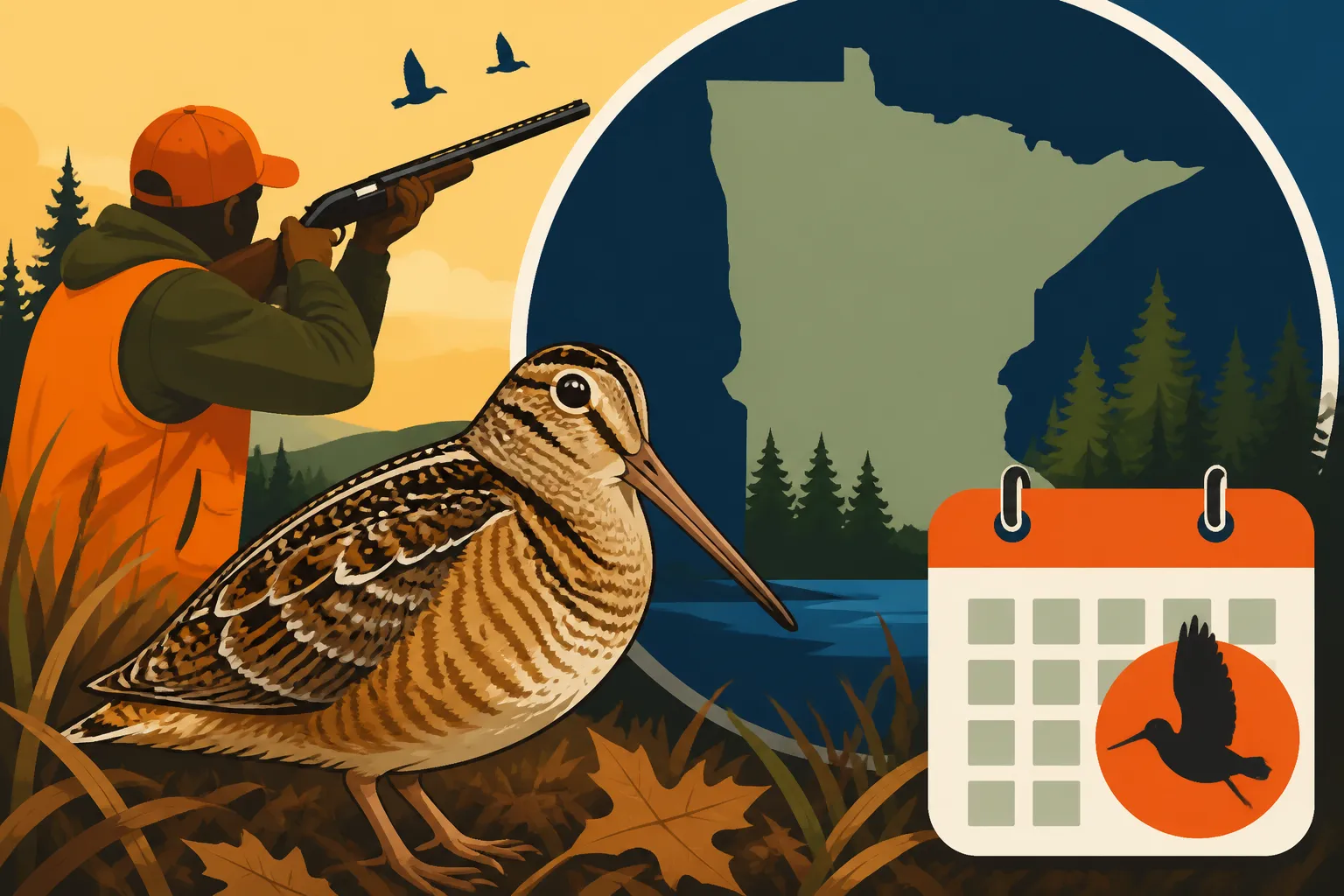
Minnesota's woodcock season typically opens in the latter half of September and runs into early November. For instance, in recent years, you could expect the season to begin around September 23rd and conclude around November 6th. It's vital to check the current year's Minnesota DNR Hunting and Trapping Regulations booklet or their website for the precise dates, as they can shift slightly. These dates are generally statewide, meaning you don't have to worry about different zones or permit areas as you might with other game animals.
The daily bag limit for woodcock in Minnesota is three birds. This limit applies to the number of birds you can harvest in a single day. The possession limit, which is the total number of birds you can have on hand, in cold storage, or transporting, is typically three times the daily bag limit, making it nine woodcock. These limits are designed to allow for a reasonable harvest while still protecting the migratory population. It's a good idea to keep a mental tally or even a physical one if you're having a particularly good day, as exceeding these limits can lead to serious penalties.
Shooting hours for woodcock follow the standard migratory bird regulations in Minnesota, which usually run from one half-hour before sunrise to sunset. This offers a generous window, allowing hunters to be in the coverts early to capitalize on morning activity, or to make a late afternoon push. Always double-check these times in your regulations, especially as sunrise and sunset times change throughout the season. Planning your hunt around these hours, coupled with the knowledge of where woodcock typically feed and rest, can significantly increase your chances of success.
Here's a quick overview of typical woodcock season regulations in Minnesota:
| Regulation | Details (Typical) |
|---|---|
| Season Dates | Late September – Early November (e.g., Sept 23 – Nov 6) |
| Daily Bag Limit | 3 birds |
| Possession Limit | 9 birds |
| Shooting Hours | One half-hour before sunrise to sunset |
| Zones | Statewide (no specific zones) |
Remember, these are typical dates and limits. Always refer to the official Minnesota DNR regulations for the precise details for the current hunting season.
Timing the Migration: When to Hunt for Peak Numbers
The real secret to successful woodcock hunting in Minnesota isn't just knowing when the season technically opens, but understanding when the birds are actually in your area. Woodcock are migratory, and their presence is dictated almost entirely by weather patterns. We often talk about "the flight," which refers to the main migratory push of birds from Canada and northern Minnesota heading south. Catching this flight is when you'll experience the most action.
Generally, the first few weeks of the season will see a mix of local birds that nested in Minnesota, along with some early arrivals. However, the peak of the migration usually happens after the first significant cold fronts sweep through Canada and northern Minnesota. When temperatures drop consistently, and especially when you see a hard freeze up north, that’s your cue. These cold snaps act like a natural alarm clock, telling the woodcock it’s time to move. You’ll often find that the first week or two of October, or sometimes even a bit later into mid-October, offers the best chance at intercepting these larger groups of migrating birds. For more detailed insights on this, you might find Timing the Minnesota Woodcock Flight particularly helpful.
To really dial in your timing, you need to become a bit of a meteorologist and a geography expert. Keep a close eye on weather forecasts for areas north of you, especially towards the Canadian border. A prolonged period of cold weather, particularly freezing nights, will send birds winging their way south. You can also use tools like the GoHunt app or similar online resources that provide detailed weather maps and even migration forecasts for various species. Remember, the migration is sequential; birds will arrive in northern Minnesota first, then central, and finally the southern regions. So, if you're hunting near Duluth, you might see the flight before someone down by Rochester. Understanding where Minnesota sits on the larger migratory map is key to getting out when the woodcock are truly stacked up in good cover. Knowing when to scout Finding Woodcock in Alder Runs also plays a huge role here.
Essential Gear and Tactics for Minnesota Woodcock
Hunting woodcock in Minnesota doesn't require a ton of specialized gear, but having the right setup can certainly make your experience more enjoyable and successful. For firearms, a lightweight 20-gauge or 28-gauge shotgun is often preferred. These birds are small, and shots are typically close in thick cover, so a fast-handling gun with an open choke (like improved cylinder or skeet) is ideal. Load up with light target loads or upland loads with smaller shot sizes, typically 7 ½ or 8. For specific recommendations, check out Shot Size for Grouse and Woodcock and Choke Choice for Fast Flushes. Many hunters carry an Upland Guns for Popple and Alder that works equally well for grouse.
When it comes to tactics, woodcock thrive in moist, young forest habitats. Look for areas with dense alder thickets, young aspen stands, or willow bottoms near streams or wet areas. They'll often concentrate along the edges of these cover types, especially where there's soft, damp soil that allows them to probe for worms with their long bills. A good bird dog, particularly a pointing breed, is an incredible asset for woodcock, as these birds hold tight and allow a dog to get a solid point. If you don't have a dog, you'll need to hunt slowly, methodically, and be very attentive. Walk in a zig-zag pattern, stopping frequently, as woodcock will often flush when you pause. For more comprehensive strategies, consider reading Hunting Grouse and Woodcock Together, as the techniques often overlap.
Safety is paramount, especially when hunting in dense cover with other hunters around. Minnesota law requires hunters to wear blaze orange or blaze pink when hunting small game during the firearm deer season. Even outside of that specific overlap, wearing a blaze orange hat or vest is highly recommended anytime you're in the woods, especially on public land. It's a simple way to stay visible and safe. Beyond that, sturdy, waterproof boots are essential for navigating the often-wet woodcock coverts – think about investing in quality footwear like those mentioned in Boots for Walking Minnesota Popple Cuts. And always, always carry a compass or a GPS app (like GoHunt, onX, or others) on your phone to keep your bearings in the thick stuff. Being prepared for a walk in the woods with the right gear and knowledge of Blaze Orange Jackets Versus Vests is a game changer.
Disclaimer
The information provided in this article is for general guidance and informational purposes only. Hunting regulations, season dates, and bag limits are subject to change. Always consult the official Minnesota Department of Natural Resources (DNR) regulations for the most current and accurate information before planning any hunting trip. Compliance with all state and federal hunting laws is the responsibility of the individual hunter.