Hunting the Minnesota Rut in Early November
There's nothing quite like the feeling of early November in Minnesota for a deer hunter. You've endured the patience of the early archery season, perhaps even the crowds of the firearm opener, and now, the air crackles with anticipation. The biggest frustration for many of us is that while everyone says the rut is happening, sometimes the woods feel eerily quiet, making you second-guess if you're even in the right spot at the right time. This guide is here to cut through the confusion and equip you with realistic strategies for successfully hunting the Minnesota rut in early November, helping you understand what's really happening and how to capitalize on it.
The Myth and Reality of Minnesota's Early November Rut
The early November window in Minnesota is often hyped as the "peak rut," and while that's biologically true in many regards, it doesn't always translate to non-stop action at any given stand. Understanding the nuances of this period, from the biological drivers to the environmental factors, is crucial for setting realistic expectations and refining your tactics. It's a time of intense activity, but also one where deer behavior can seem frustratingly unpredictable.
Biological Triggers and Environmental Factors
The primary driver of the rut is photoperiod – the decreasing amount of daylight as fall progresses. This biological clock in whitetails is incredibly consistent, triggering hormonal changes in bucks and does that lead to the breeding phase. In Minnesota, this typically means that by late October, bucks are already in a "pre-rut" phase, actively seeking does. However, early November is when the majority of does become receptive, leading to the frantic chasing and breeding activity most hunters associate with the rut.
Weather plays a massive role in how visible this activity is. A crisp, cold snap in early November often ignites the woods, sending deer moving throughout the day. Conversely, unseasonably warm temperatures can push deer movement more towards dawn, dusk, and even nighttime hours, making daytime hunting tougher. Snow cover can also make a huge difference, not just in tracking but in how deer use the landscape. For instance, in the heavily timbered areas of northern Minnesota, a fresh blanket of snow can reveal a buck's cruising path that might otherwise go unnoticed.
Why the "Peak" Can Feel Elusive
Despite the biological peak, many hunters experience days during early November when the woods feel dead. This isn't necessarily because the rut isn't happening; it's often because a buck has already found a receptive doe and is "locked down" with her in a secluded spot, sometimes for 24-48 hours. During this time, he's not cruising, not responding to calls, and not readily visible. He's focused solely on breeding, and they might be bedded in thick cover that's difficult to access or even observe.
Another factor is hunting pressure. Public land, especially in popular areas like the 100 series, can see a significant increase in hunters during the firearm opener, which often overlaps with the first week of November. This pressure can push deer into thicker cover or force them to become more nocturnal. If you're encountering quiet woods, it's not always a sign of no deer activity, but potentially less visible deer activity due to these biological and environmental realities. To get ahead, learning about Scouting Minnesota Public Land Before Season can help identify those overlooked pockets before the pressure mounts.
Understanding Whitetail Behavior During the Peak Rut
During early November, a buck's priorities shift dramatically from food and safety to finding and breeding does. This fundamental change in their drive dictates their movement patterns and how they interact with their environment. If you can anticipate these changes, you can put yourself in a better position for success.
Cruising and Seeking Behavior
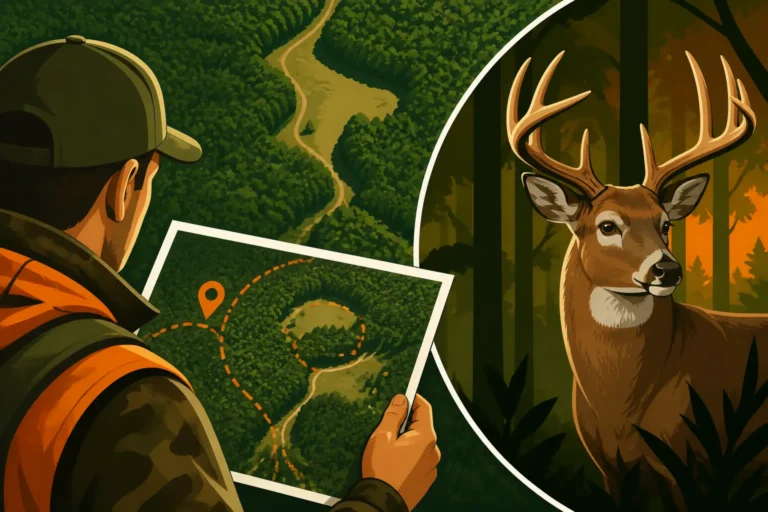
In the initial stages of the peak rut, and especially between lockdown periods, bucks are relentless in their search for receptive does. This means they are cruising – traveling extensively, often covering significant ground, looking for fresh sign or scent. They're moving through traditional travel corridors, checking doe bedding areas, and scent-checking scrapes. These movements can happen at any time of day, not just dawn and dusk, which is why all-day sits become so effective. They're often covering ground that leads from one potential doe group to another, using natural pinch points, funnels, and terrain features to their advantage. Using a mapping app like GoHunt can be invaluable here, allowing you to identify these likely travel routes and funnels on aerial photos, even before you step foot in the woods. Look for those subtle terrain changes or strips of cover that force deer into predictable patterns.
Scrapes, Rubs, and Scent Communication
While scrapes and rubs are made throughout the pre-rut, during the peak in early November, their purpose intensifies. Scrapes become communal communication hubs, regularly checked by multiple deer. Bucks will paw the ground, urinate in the scrape, and work the licking branch above it, depositing scent from their forehead glands. Does also visit scrapes, leaving their own scent. These aren't just signposts; they're active bulletin boards. A fresh, worked-up scrape with a strong odor is a clear indicator that bucks are actively patrolling the area looking for estrous does.
Rubs, especially fresh ones on larger saplings and small trees, show aggression and mark territory, but during the rut, they often signify a buck's travel route. He's rubbing as he moves, leaving scent and demonstrating his presence. While you might not want to set up directly on a scrape (deer often visit them at night), understanding their location helps you identify key travel routes and areas of high deer activity. Consider placing your stand downwind of a cluster of fresh scrapes along a subtle ridge or within a block of cover, anticipating a buck to cruise past. Don't forget that Scrape Lines Along a Logging Trail are often overlooked goldmines during this time.
Effective Hunting Strategies for Early November Rut
Once you understand the deer's behavior, you can tailor your strategies to intercept these rut-crazed bucks. This often means being more aggressive, more patient, and more aware of the subtle signs around you.
Targeting Travel Corridors and Funnels
During early November, bucks are moving between doe bedding areas and feeding areas, often using the path of least resistance or the densest cover. This makes identifying and hunting travel corridors and funnels absolutely critical. Think about natural features that constrict deer movement:
- Ridges and creek bottoms: These often serve as highways, especially in bluff country or heavily wooded areas.
- Logging roads or field edges: Deer often walk the edges of these, especially if there's good cover nearby.
- Pinch points between swamps or thickets: Any narrow strip of timber or brush that connects two larger blocks of cover is a prime spot.
- Inside corners of fields or clear-cuts: These act as transition zones where deer often stage before entering open areas.
Your stand placement in these areas should account for wind direction, entry and exit routes, and sun position. You want to be able to get in and out undetected, and have the wind in your favor. Knowing how to set up Treestand Setups in Minnesota Hardwoods is invaluable, ensuring you’re in a prime position to intercept a cruising buck.
Calling Tactics: Rattling, Grunting, and Decoys
This is the time to be confident with your calls. Bucks are aggressive, territorial, and driven by the urge to breed.
- Rattling: Mimicking two bucks fighting can bring curious or aggressive bucks right into your lap. Use real antlers or a synthetic rattling bag with conviction. Start with soft sparring, then escalate to intense clashing, breaking branches, and grunts. Follow up with some light antler tickling and grunts. Don't be afraid to be loud, especially in thick cover. Wait at least 15-20 minutes after a rattling sequence before moving or calling again, as a buck might be cautiously circling downwind. For more detailed insights, check out Rattling and Grunting in Minnesota.
- Grunting: A deep, drawn-out grunt can pique a buck's interest. Use it to stop a cruising buck, or to challenge a buck that's on the move. Pair it with rattling, or use it solo.
- Doe bleats and estrous calls: These calls can draw in a buck looking for a receptive doe. Use them sparingly and realistically.
- Decoys: A buck or doe decoy, or even a combination, can be incredibly effective, especially in open country or food plots. They provide a visual cue that can seal the deal when combined with calling. Always set up your decoy downwind of your stand so an approaching buck faces the decoy, not you, giving you a broadside shot.
However, a word of caution: overcalling can spook deer. Pay attention to how deer in your specific hunting area respond. Sometimes less is more.
All-Day Sits and Midday Movement
Many hunters pack it in by mid-morning, but during the peak rut, that's a huge mistake. Bucks are on the move all day long looking for does. A doe might come into estrous at 11 AM, and suddenly a buck that was bedded becomes active. The midday hours (10 AM to 2 PM) are often incredibly productive during the rut.
This requires preparation. Pack enough food, water, and warm clothing to stay comfortable and focused. Layering is key, especially with Minnesota's November weather swings. A good Cold-Weather Sitting Strategy in Minnesota will help you endure those long hours. Choose a stand location that allows for comfortable movement and minimizes fidgeting. The more time your boots are off the ground, the higher your chances of encountering a rutting buck.
Avoiding Common Rut Hunting Pitfalls
Even with the best intentions and strategies, it's easy to fall into traps that can derail your rut hunt. Being aware of these common mistakes is the first step to avoiding them.
Overlooking Scent Control
During the rut, bucks are using their noses constantly to locate does. While their brains might be overridden by hormones, their noses still work perfectly. Human odor is a major deterrent. Don't let your excitement cause you to neglect good scent control practices.
- Shower with scent-eliminating soap: Before every hunt.
- Wash hunting clothes in scent-free detergent: Store them in airtight bags or containers.
- Spray down with scent-eliminating spray: Before heading to your stand.
- Pay attention to prevailing winds: Always hunt with the wind in your favor, anticipating where a buck might approach from downwind.
- Mind your entry and exit routes: Avoid walking through high-traffic deer areas. A silent and scent-free approach is critical, which is where careful planning with tools like GoHunt comes in handy for marking quiet routes.
It’s easy to get complacent when the action heats up, but a buck’s nose is his primary defense, and you ignore it at your peril.
Poor Stand Placement and Entry/Exit Routes
You can have the best rut strategy in the world, but if your stand isn't in the right spot or your entry/exit spooks deer, it's all for naught.
- High-traffic areas: Don't just pick a tree next to a hot scrape. Think about why deer are using that area. What's connecting to what?
- Wind awareness: Always have a primary and secondary stand location for different wind directions. A good Wind and Thermals on a Minnesota Ridge strategy is paramount for elevated stands.
- Concealment: Ensure you have good background cover and that your silhouette is broken up.
- Entry/Exit: This is where many hunts are ruined. Plan your routes carefully. Use natural features, thick cover, or low-lying areas to mask your movement. Don't use a bright flashlight for your walk in or out if you can avoid it, as it can alert deer. Consider having multiple routes for different wind directions or for minimal disturbance.
Remember, a deer learns faster than you do. One bad encounter can make them change their patterns for the rest of the season.
Hunting Pressure and Public Land Challenges
Minnesota's public lands, while abundant, can become quite crowded during the firearm season, which often coincides with the peak rut. This pressure can significantly impact deer behavior, pushing them into less accessible areas or making them more nocturnal.
- Go deeper: Many hunters stick close to roads and trails. Be willing to walk further than most to find undisturbed pockets of deer. Using GoHunt to identify potential sanctuaries or overlooked areas, particularly those with difficult access, can be a game-changer.
- Hunt thick cover: Don't shy away from the nastiest swamps, clear-cuts, or cedar thickets. Pressured deer will often retreat to these areas for security, and a rutting buck might follow an estrous doe right into them.
- Hunt weekdays: If possible, avoid weekend crowds on public land. Weekday hunting often sees significantly less pressure.
- Focus on transition times: The first and last hours of daylight can still be productive even with pressure, as deer are more likely to move under the cover of low light.
It's a common frustration that public land deer are "smarter," but really, they're just reacting to pressure. Adapting your tactics to that reality is key. Discover more about managing expectations in areas with a lot of activity by reading Opening Weekend Crowds in the 100 Series.
Essential Gear and Preparation for Peak Rut Hunting
Hunting the Minnesota rut in early November means dealing with potentially unpredictable and often harsh weather. Being properly equipped isn't just about comfort; it's about staying safe and effective in the field.
Layering Systems for Cold and Wet Weather
Minnesota in November can throw anything at you: crisp, sunny days, driving sleet, freezing rain, or a sudden blizzard. A good layering system is your best friend.
- Base layer: Wicking material like merino wool or synthetic helps manage moisture, keeping you dry even if you sweat on the walk in. Merino wool is excellent for its warmth-to-weight ratio and natural odor-fighting properties.
- Mid-layers: Fleece or heavier wool garments provide insulation. Think a lightweight jacket or vest that can be easily added or removed.
- Outer shell: This is your protection against wind and precipitation. Look for waterproof and windproof materials that are quiet. Gore-Tex or similar membranes are great for keeping you dry. Brands like Sitka Gear or First Lite offer excellent hunting-specific layering systems designed for quiet movement and effective thermal regulation.
- Head and hands: A warm hat (beanie or balaclava) is critical, as you lose a lot of heat through your head. Insulated, waterproof gloves or mittens are also essential. Consider a thin pair of liner gloves for dexterity when shooting, with a warmer pair to pull over them.
- Footwear: Insulated, waterproof boots are non-negotiable. Look for boots rated for extreme cold if you plan on all-day sits in freezing temperatures. Rubber boots are also excellent for scent control on the walk in, and for navigating wet or muddy terrain. For more comprehensive tips on footwear, check out Boots for Minnesota Swamps and Snow.
Always pack more layers than you think you need. You can always take them off, but you can't add what you don't have.
Scent Control and Field Accessories
Beyond your clothing, several accessories contribute to a successful rut hunt.
- Scent-eliminating products: Sprays, detergents, and even ozone generators can help minimize your human odor. While no product is 100% effective, they can give you an edge, especially when combined with careful wind management.
- Binos and rangefinder: During the rut, bucks can appear out of nowhere. Quality binoculars (8×42 or 10×42) are essential for spotting subtle movements in the timber or across fields. A rangefinder is crucial for making ethical shots, especially if you're excited. Brands like Vortex, Leupold, and Zeiss offer excellent options for various budgets.
- Mapping app/GPS: Whether it's a dedicated GPS unit or a smartphone app like GoHunt, having reliable navigation is paramount. It allows you to mark key features (scrapes, rubs, potential stand sites), plan entry/exit routes, and know property boundaries, especially on mixed public/private lands. This is critical for Reading Aerial Photos for Big Woods Deer and understanding the topography.
- Calls: Rattling antlers or bags, grunt tubes, and doe bleat calls are crucial tools for aggressive rut hunting. Practice using them effectively before hitting the woods.
- Headlamp/flashlight: A reliable light source is essential for safe entry and exit in the dark. Choose one with a red light option to preserve your night vision and minimize disturbance.
Ensuring Your Weapon is Ready
Before you head out, make sure your rifle, shotgun, or bow is sighted in and ready for action. The rut is not the time to discover a scope issue or a fletching problem.
- Rifle/Shotgun: Confirm your zero at realistic hunting distances. In thick Minnesota woods, shots are often under 100 yards, but on a field edge, you might get a longer opportunity. Consider your specific hunting terrain. If you're using a modern rifle now that Hunting Minnesota Now That Rifles Are Legal Statewide has changed, ensure it's sighted in for your chosen cartridge.
- Bow/Crossbow: Practice shooting from your stand or from a kneeling position. Confirm your pins are accurate. Check your broadheads for sharpness and ensure your arrows fly true.
A quick check and a few practice shots can prevent heartbreak when that buck of a lifetime steps out.
Navigating Public and Private Lands During the Rut
The strategies you employ during the rut can be heavily influenced by whether you're hunting public or private land. Both offer unique opportunities and challenges.
Public Land Tactics for Pressured Deer
Hunting public land during the peak rut means facing competition, but it also means having access to vast tracts of land where a big buck can roam. The key is to be smarter and often more aggressive than the average hunter.
- Go deep, get nasty: As mentioned, most hunters won't venture far from easy access. Identify areas that require a long walk, a difficult climb, or a bushwhack through thick cover. These are often the places where older, wiser bucks will seek refuge and does will lead them during the rut. Using tools like GoHunt to scout remote corners and analyze topography is invaluable for finding these overlooked havens.
- Hunt overlooked micro-funnels: On public land, the obvious funnels often get pounded. Look for subtle deer trails that pinch down between small swamps, dense pockets of multiflora rose, or along old fence lines that aren't apparent on a standard map. Deer will use the path of least resistance, even if it's just a 20-yard wide strip of cover.
- Utilize the hunting pressure: Sometimes, other hunters can inadvertently push deer your way. If you know where other hunters typically enter or set up, position yourself along escape routes or downwind of areas where deer might be pushed. This isn't about interfering with other hunters, but about anticipating deer movement patterns in response to human presence. Learning about Hunting Pressure on Minnesota Public Land can help you predict these movements.
- Be mobile: If a spot isn't producing after a day or two, don't be afraid to move. A rutting buck could be anywhere, and being able to adapt and move to where the sign is fresh or where does are congregating is crucial. Pack a lightweight treestand or a mobile ground blind.
Private Land Advantages and Stewardship
Hunting private land often offers the advantage of lower pressure and more predictable deer movement, especially if the property has a history of quality deer management.
- Known deer patterns: On private land, you often have a better understanding of the deer herd, including specific buck travel routes, doe bedding areas, and food sources. Utilize trail cameras and previous scouting to confirm these patterns leading into the rut.
- Food plot strategies: If the private land has food plots, they can be absolute magnets during the rut. Does will frequent them, and bucks will cruise their edges, scent-checking for receptive females. Position stands to intercept bucks cruising the downwind side of these plots or entering/exiting them.
- Controlled access: The ability to control access and disturbance means you can keep certain areas as sanctuaries, ensuring deer feel safe to move freely during daylight hours. This can lead to more consistent daytime rut activity.
- Rattling and calling effectiveness: With less pressure, deer on private land are often more responsive to calling. Be confident in your rattling and grunting sequences, as bucks may be more willing to investigate.
- Stewardship is key: Always maintain a good relationship with the landowner. Respect their property, clean up after yourself, and offer to help with chores. This ensures continued access and trust, which is invaluable for long-term hunting opportunities. If you're lucky enough to have private land access, make sure to read Hunting Small Private Tracts in Minnesota for tips on maximizing those opportunities.
Ultimately, whether public or private, hunting the Minnesota rut in early November requires dedication, adaptability, and a deep understanding of whitetail behavior. It's a challenging but incredibly rewarding time to be in the woods.
Disclaimer
Please remember that hunting regulations and seasons can change. Always consult the official Minnesota Department of Natural Resources (DNR) website or regulations handbook for the most current information before heading afield. This guide is for informational purposes only and does not supersede state or federal hunting laws.