Opening Weekend Tactics in the 100 Series
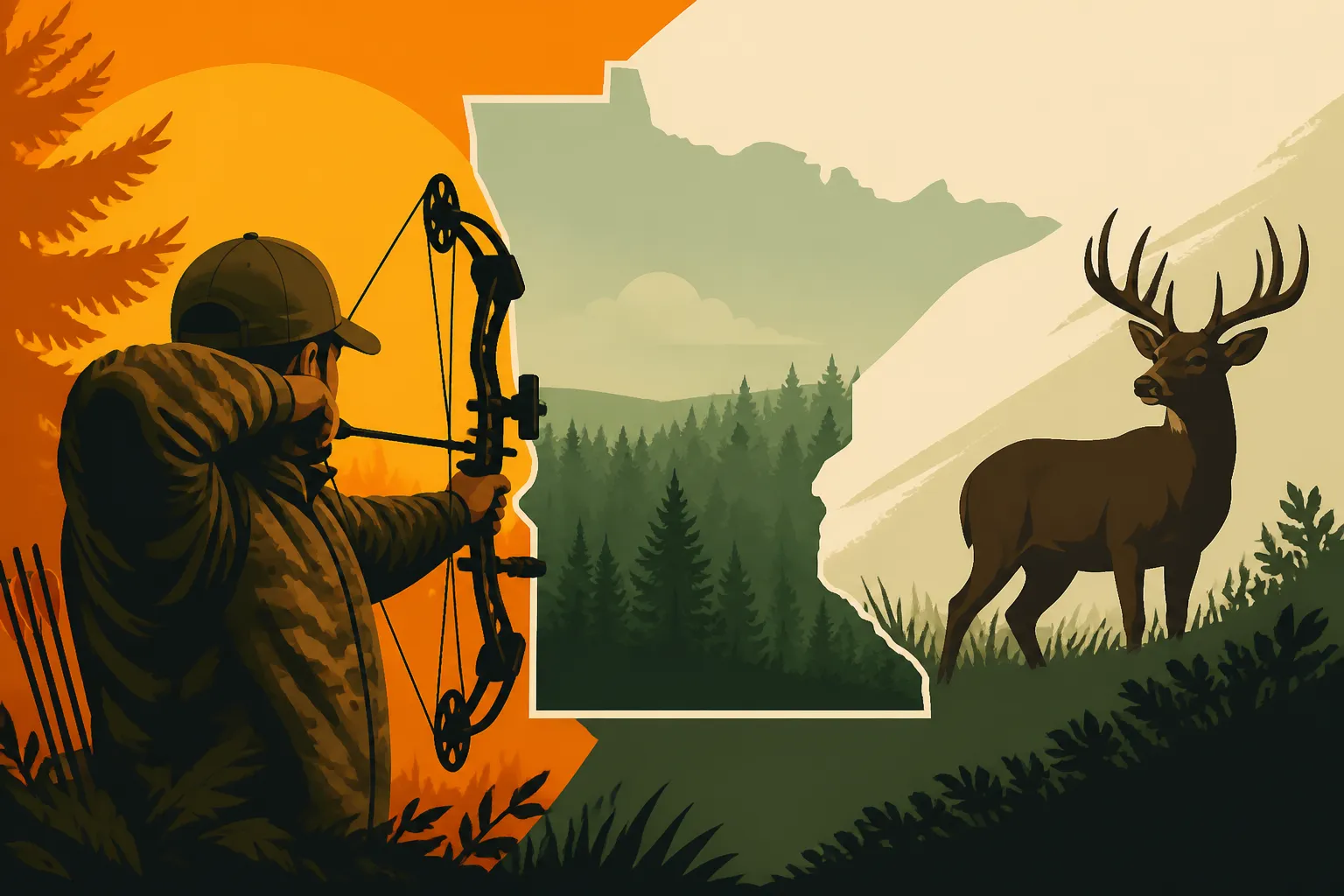
Opening weekend in Minnesota's 100 Series firearm zone can feel like a chaotic free-for-all, especially with the sheer number of hunters flooding public lands. It’s easy to get discouraged when you see trucks lined up along every gravel road or hear shots ringing out from every direction. This guide is here to help you cut through that noise, offering practical strategies and a realistic outlook for finding success in these often-pressured areas.
Understanding the 100 Series Zone
The 100 Series firearm zone encompasses a significant chunk of Minnesota, stretching across a variety of landscapes from dense woods to agricultural interfaces. It's a popular destination for many hunters, partly due to its accessibility and historical deer numbers. But popularity also brings challenges, particularly when hundreds, if not thousands, of hunters descend on the same areas come opening day.
Geographic Characteristics and Deer Behavior
Unlike the sprawling big woods of northern Minnesota or the dramatic bluffs of the southeast, the 100 Series is often characterized by a mosaic of habitats. You'll find extensive tracts of mixed hardwoods, often interspersed with smaller swamps, cattail sloughs, and agricultural fields. This diverse landscape means deer here have a lot of options, but also means they are constantly adapting to human presence.
In areas bordering farmland, deer patterns are often tied to food sources like corn and soybean fields, especially early in the season before the crops are fully harvested. However, as pressure mounts, these deer will quickly retreat to the thickest cover available – dense conifer swamps, overgrown clear-cuts, or even just thick tangles of buckthorn that offer a visual and physical barrier. They become incredibly adept at using even small pockets of cover to avoid detection, often holding tight until the last possible second. Their normal travel corridors can shift dramatically from daylight movement along field edges to nocturnal ventures, moving only under the cover of darkness.
Permitting and Regulations
Hunting in the 100 Series means you're generally in a "Hunter Choice" or "Managed" permit area, though it's always critical to double-check the specific regulations for your chosen location. This allows you to harvest an antlered deer with your regular license, and often an antlerless deer if you possess a bonus tag or are in a Hunter Choice area. Understanding your options here is crucial, as it dictates how many deer you can legally pursue.
The regulations for The 100 Series Firearm Deer Zone are designed to manage the deer population in these more populated and accessible areas. While the recent statewide rifle legalization has changed much of Minnesota hunting, always confirm if any local ordinances exist in the thirteen counties that opted to retain shotgun-only rules. These specific local rules can directly impact your weapon choice and, therefore, your hunting strategy. Make sure your understanding of the zone’s specific rules is crystal clear; a misstep can cost you a tag or worse.
Expected Hunting Pressure
Let's be real, opening weekend in the 100 Series is often less about serene solitude and more about managing expectations amidst a crowd. Hunters come from all corners of the state, especially from the Twin Cities metro area, looking to fill their freezers. This means popular public land spots, easily accessible tracts of state forest, and even some Walk-In Access (WIA) parcels can see significant traffic.
This high pressure forces deer to change their behavior almost immediately. What might have been a prime, visible feeding area during pre-season scouting could become a ghost town by 9 AM on opening day. Deer learn quickly where hunters aren't and will shift into those overlooked sanctuaries. This isn't necessarily a bad thing; it just means your tactics need to be dynamic and often counter-intuitive to what you might do in less pressured zones. The key is to anticipate where deer will go when pressured, not just where they are initially.
Pre-Season Scouting and Preparation
Success on opening weekend isn't born in the heat of the moment; it's forged in the weeks and months leading up to the season. Doing your homework before the orange army descends is paramount, allowing you to establish a solid game plan and pivot when necessary.
Leveraging Technology for Initial Recon
Before you even pull on your boots, your phone or computer can be an invaluable scouting tool. Modern mapping applications are absolute game-changers, allowing you to digitally explore vast tracts of land from your couch. Tools like GoHunt or onX Hunt are fantastic for identifying potential hotspots and understanding the lay of the land without leaving a single scent molecule in the woods.
Start by looking for pinch points, funnels, and natural barriers that might concentrate deer movement. Identify areas of dense cover, especially evergreen stands or thickets within larger hardwoods, which often serve as bedding areas. Pay close attention to subtle terrain features – slight elevation changes, drainages, or forgotten logging roads that might provide natural travel corridors. Look for the edges where different habitat types meet, such as the border between a swamp and a hardwood ridge, or a patch of thick timber adjacent to an open field. These transition zones are often high-traffic areas. The Minnesota DNR's Recreation Compass is another excellent resource, offering detailed layers for public land boundaries, habitat types, and even topographical maps. Learning how to effectively utilize Scouting With the Minnesota Recreation Compass App can give you an edge by showing you public land access points and internal features that might otherwise be missed.
Boots-on-the-Ground Verification
Once you've identified promising areas on your digital maps, it's time to put boots on the ground. There's no substitute for actually walking the property and confirming what you see on the screen. Look for fresh deer sign: rubs, scrapes, tracks, and droppings. During the pre-season, especially closer to October, deer are often very active, and you should be able to identify primary travel routes and feeding areas.
Pay attention to less obvious details. What types of food sources are available? Are acorns abundant? Are there browse lines on certain plants? Which way is the prevailing wind usually blowing across a potential stand site? How do the contours of the land influence wind and thermals? Identify natural barriers like creeks, uncrossable swamps, or dense stands that might funnel deer into predictable paths. Also, look for human sign – old treestands, established trails, or even trash can indicate areas of past hunting pressure that you might want to avoid or approach differently. Even in the 100 Series, the principles of Finding Sign in Minnesota Big Woods can be adapted to smaller woodlots; deer are still deer, and they leave clues.
Stand Placement Strategy
Your stand placement on opening weekend in the 100 Series needs to be strategic, considering both deer movement and hunter presence. You want to be where the deer want to be, but also where other hunters aren't. Consider two types of stand locations: an early morning ambush spot and a mid-day "pressure relief" stand.
For the early morning, think about transition zones between bedding and feeding areas. A hard edge where a thick marsh meets a hardwood ridge, or a funnel of timber connecting two larger woodlots, can be lethal at first light. Ensure your entry and exit routes are quiet and undetected, especially in the dark. For mid-day, look for those dense, overlooked pockets of cover – a small island of high ground in a cattail slough, or a thick cedar swamp that others might shy away from. These are the places pressured deer will retreat to. A well-placed ground blind can also be incredibly effective, especially in areas with limited trees for stands, or where you anticipate needing to shift your position based on pressure. Thinking about Treestand Setups in Minnesota Hardwoods is always a good starting point, but don't discount the versatility of Using a Ground Blind on Minnesota Public Land in the varied terrain of the 100 series.
| Stand Type / Tactic | Pros for 100 Series Opening Weekend | Cons for 100 Series Opening Weekend | Best Scenario |
|---|---|---|---|
| Fixed Treestand | Good visibility, scent dispersion, can be pre-set. | Visible to other hunters, limited mobility, requires specific trees. | Known deer trails between bedding/food, less pressured corners. |
| Climbing Stand | Mobile, can reach higher vantage, quiet entry/exit. | Requires specific tree types (straight, limbless), more gear to carry. | Adapting to shifting deer patterns, deep public land. |
| Saddle Hunting | Ultra-light, highly mobile, 360-degree shooting. | Steep learning curve, not for everyone, requires practice. | Aggressive hunting, fast adjustments to pressure. |
| Ground Blind | Concealment, weather protection, less visible from a distance. | Limits visibility, can hold scent, requires brushing in for natural look. | Field edges, thickets, areas with poor stand trees, high traffic. |
| Still-Hunting | Active, covers ground, can adapt on the fly. | Requires skill and patience, can bump deer if not careful. | Mid-day lulls, exploring new cover, after initial pressure. |
Tactics for Opening Day Success
Opening day is a whirlwind of excitement and anticipation, but it's also when hunter pressure is at its peak. Your tactics need to be sharp, efficient, and ready to adapt. Don't be afraid to deviate from your plan if the woods tell you something different.
Early Morning Stands and Ambush Points
The first few hours of opening day are often your best chance at encountering unpressured deer. Before the woods become saturated with human scent and sound, deer will follow their established routines. This means focusing on ambush points along key travel corridors between bedding areas and food sources. Think about field edges, especially those bordering thick cover, or saddles and draws within a timber block that funnel deer movement.
Position yourself for a clean, ethical shot and ensure your entry to the stand is as quiet and scent-free as possible. This means walking in well before dawn, using the cover of darkness to your advantage. If you're on public land adjacent to private fields, deer may be actively feeding there at dawn before retreating to public timber. Your stand should be set up to intercept them on their way back to bed. This is where your pre-season scouting really pays off – knowing exactly where these transition zones are and how deer utilize them.
Midday Still-Hunting or Small Drives
As the sun climbs and more hunters venture out, deer will often seek the safety of dense cover. The mid-morning lull can be frustrating for stand hunters, but it's often an excellent time for more active tactics. Still-hunting, a slow, deliberate method of stalking through the woods, can be incredibly effective when deer are bedded down and trying to avoid detection. Focus on moving into thickets, dense swamps, or other heavy cover that other hunters might avoid.
When still-hunting, take one or two steps, then pause and scan every direction, looking for horizontal lines in a vertical world – the tell-tale sign of a deer's back or legs. Pay attention to subtle sounds, like distant shots or a branch cracking, which might indicate other hunters are pushing deer your way. If you're with a small group of trusted hunting partners, a quiet, organized small drive through a dense woodlot can also be productive during midday. These aren't chaotic pushes, but rather slow, deliberate movements designed to gently nudge deer out of their bedding areas towards a waiting stander. For more insight on this active method, read up on Still-Hunting Minnesota Big Woods, as its core principles apply universally to deer movement. Similarly, if considering a small group effort, understanding Deer Drives With Three or Four Hunters can help you execute it safely and effectively.
Evening Feeds and Funnels
As the afternoon progresses and hunting pressure starts to wane in some areas, deer will begin to stir, moving back towards evening food sources. This is when your evening stand locations become critical. Focus on areas where deer will stage before entering a field, or where they will browse along a timber edge.
Funnels, whether natural or created by terrain features, are always prime evening spots. A narrow strip of woods connecting two larger blocks, a drainage that forces deer to cross at a specific point, or even a small, overlooked food plot on public land can be excellent choices. Just like in the morning, silent entry and exit are key. You want to be in your stand well before deer start moving, and you want to be able to leave without spooking any animals that might be using the area after legal shooting hours. Remember, even after opening weekend, deer will continue to use these primary food sources, albeit with more caution.
Adapting to Pressure and Weather
The 100 Series during opening weekend is a dynamic environment, constantly shaped by both human presence and Mother Nature. Your ability to adapt to these variables will often be the deciding factor between success and frustration.
Dealing with High Hunter Traffic
When the woods are buzzing with other hunters, it's easy to feel overwhelmed. However, deer are masters of evasion, and they will find the path of least resistance – which is usually away from the most heavily trafficked areas. This means you need to identify and target those overlooked pockets of cover, the "sanctuaries" where deer retreat when pressured.
These can be surprisingly small – a thick, thorny patch of brush deep within a larger woodlot, a stand of tall cattails surrounded by water, or even a steep-sided ravine that hunters avoid. Utilize your mapping apps (like GoHunt) to identify areas that look difficult to access or navigate. Often, just a few hundred yards off a main trail can put you into deer-rich territory that others walk past. Consider extending your walk-in distance, or approaching from an unexpected direction. For more strategic insights on this, dive into Hunting Pressure on Minnesota Public Land which offers valuable perspectives on navigating crowded areas.
Wind, Rain, and Temperature Considerations
Minnesota weather in November can be incredibly unpredictable, swinging from mild and sunny to blustery, cold, and wet in a single day. Each weather pattern impacts deer movement and your hunting strategy. A strong wind will often keep deer bedded down, or they'll move into sheltered areas. This can be an advantage for still-hunting, as the wind helps cover your noise and scent.
Rain, especially a light, steady drizzle, can also get deer moving, as it dampens human scent and sound. Just make sure your gear is waterproof and you're prepared for a long, damp sit. Cold temperatures, particularly after a warm spell, can invigorate deer and make them more active, especially around food sources as they seek to build up energy reserves. However, extreme cold can also push them into thermal cover like conifer swamps. Always dress in layers, and understand how Cold-Weather Sitting Strategy in Minnesota can keep you comfortable and effective. Pay close attention to how Wind and Thermals on a Minnesota Ridge influence scent dispersion, even in flatter 100 series terrain, as deer use it to their advantage.
Noise and Scent Management
In high-pressure situations like opening weekend, noise and scent management become even more critical. Every rustle, every unnatural smell, can alert a deer to your presence and send it fleeing. Wear quiet clothing that won't make noise as you move or when rubbing against your stand. Avoid crunchy snacks or loud zippers.
Scent control is a constant battle, but it's worth the effort. Shower with scent-free soap, use scent-eliminating sprays on your clothes, and store your hunting clothes in airtight containers. Always play the wind, positioning yourself so your scent is carried away from where you expect deer to approach. Remember, deer rely heavily on their nose, and a single whiff of human scent can spoil your hunt. This attention to detail extends to your entry and exit routes – try to avoid walking through areas where you expect deer to travel later.
Post-Opener Adjustments
The initial rush of opening weekend quickly dissipates, and deer respond to the changed environment. If you're hunting beyond the first day, your tactics will need to evolve to match the deer's new patterns.
Shifting Deer Patterns
After the first few days of intense hunting pressure, deer in the 100 Series will have radically altered their behavior. They'll become largely nocturnal in open areas, moving primarily under the cover of darkness. Daytime activity will be concentrated in the thickest, nastiest cover they can find. This means your high-traffic field edge stands might become less productive.
Instead, focus on interior bedding areas, dense thermal cover, and subtle travel corridors within those thickets. Deer will learn where hunters are and aren't, and they'll adjust their movements accordingly. They might start using old, overgrown logging trails or barely perceptible game trails deep in the woods that they avoided during the initial pressure. Adapt your strategy by moving deeper, slower, and into areas that are less appealing to casual hunters.
Locating Sanctuary Areas
The key to success after opening weekend is finding those "sanctuary" areas – the places where deer feel safe from hunting pressure. These are typically areas of dense, overlooked cover that are difficult to access or navigate. Think cattail sloughs with high, dry islands, thick conifer swamps, or dense stands of dogwood and buckthorn that are nearly impenetrable.
Use your mapping tools to identify these features and then plan how to quietly and effectively get into a position to intercept deer moving within or to and from these sanctuaries. Often, these areas are only a few hundred yards from roads or property lines, but their dense nature makes them intimidating for many hunters. Sometimes, you might need to embrace Hunting Minnesota Cattail Sloughs for Deer or other difficult terrain to find where the deer are hiding. Consider setting up on the downwind side of these sanctuaries, catching deer as they exit to feed, or moving along their edges.
Extended Season Opportunities
While opening weekend is often about the firearm season, remember that Minnesota offers a variety of deer hunting opportunities that extend beyond the initial rush. If you have a bonus tag or are hunting in a zone with an extended antlerless season, your strategies can shift even further. Late-season hunting, often after significant snowfall, presents a whole new set of challenges and opportunities.
Deer will be focused almost exclusively on food sources and thermal cover, making them more predictable if you can locate those resources. Learning about Late-Season Antlerless Hunting in Minnesota can provide valuable insights into hunting during colder months when deer patterns are heavily influenced by temperature and snow depth. This is also a good time to revisit your scouting; what might have been an overlooked food source earlier could be critical later in the season. Always check the DNR regulations for your specific permit area to ensure you understand all available opportunities.
Disclaimer
Please be aware that hunting regulations and conditions can change. Always consult the official Minnesota Department of Natural Resources (DNR) website or their current hunting regulations handbook for the most up-to-date and accurate information before heading into the field. This guide provides general advice and is not a substitute for checking current local and state regulations. Stay safe and hunt ethically.