Bear Hunting With Bait and Hounds in Minnesota
Bear hunting in Minnesota is unlike almost any other pursuit, often requiring an immense amount of time, dedication, and sometimes, a whole lot of sweat equity. It's not just about spending a few days in the woods; it's a commitment that can stretch for weeks or even months, from scouting and establishing bait sites to the intense, adrenaline-fueled chase with a pack of hounds. Many hunters feel overwhelmed by the sheer effort and detailed regulations involved, often wondering where to even begin. This comprehensive guide will walk you through everything you need to know about successfully hunting black bears in Minnesota, whether you're focusing on the strategic game of baiting or the thrilling tradition of running hounds.
Understanding Minnesota's Bear Hunting Landscape
Hunting black bears in Minnesota is a unique and deeply rewarding experience, but it comes with its own set of challenges and stringent regulations. It's not a casual hunt; it requires planning, patience, and a thorough understanding of the state's wildlife management efforts. Minnesota's black bear population is robust, but careful management ensures sustainability, which means hunters need to be well-informed and prepared.
Minnesota's Bear Population and Range
Minnesota is home to a healthy and thriving black bear population, estimated to be well over 10,000 animals. These magnificent creatures primarily inhabit the forested regions of the state, stretching across the vast wilderness of northern Minnesota, from the Canadian border down into the central forest zone. While occasional sightings occur further south, their stronghold remains in the northern counties, where dense timber, swamps, and abundant natural food sources provide ideal habitat. They are incredibly adaptable animals, capable of covering large territories, and their presence is a true testament to Minnesota's wild character. Understanding their typical movements and preferred habitats is your first step in successful hunting, and resources like Minnesota's Black Bear Population can provide deeper insights into their distribution.
However, despite a robust population, bear hunting is carefully regulated to maintain these numbers. This isn't a free-for-all hunt; it's a managed system designed for conservation. Hunters often spend countless hours scouting potential bear sign—scat, tracks, torn-up logs, and claw marks on trees—long before the season even begins. This pre-season work is absolutely critical for understanding local bear activity, as their patterns can shift year to year based on food availability and local pressures. Don't underestimate the legwork required; it's the foundation of any successful bear hunt.
Bear Permit Areas and Lottery System
Unlike deer hunting, bear hunting in Minnesota operates on a permit area system, and for most areas, permits are allocated via a lottery. This means you can't just buy a license and go; you must apply for a permit in a specific Bear Permit Area (BPA) and hope your name is drawn. There are numerous BPAs across the state, each with a predetermined quota of permits to ensure sustainable harvest rates. Some areas are known for higher bear densities, leading to more competition for permits, while others might offer a better chance of drawing a tag but potentially a lower bear density.
The application period for these permits usually opens in the spring, typically from April to early May, with results announced later in the spring or early summer. It's a nail-biting wait for many hunters, as drawing a tag is often the biggest hurdle to overcome. If you're new to this, it's a good idea to research the different permit areas, their success rates from previous years, and what kind of terrain they offer. Platforms like GoHunt, which provide detailed mapping and historical data, can be incredibly useful for this research, helping you decide which areas to apply for. For more detailed information on this process, check out Minnesota Bear Lottery and Permit Areas. There are also "no-quota" areas, primarily in the northernmost reaches of the state, where permits are available over the counter, but these areas often require significantly more effort to find bears due to lower densities and vast, rugged terrain.
General Hunting Regulations
Beyond the lottery system, Minnesota has a host of regulations specific to bear hunting that are crucial to understand. These include legal shooting hours, carcass tagging requirements, blaze orange requirements (which can vary depending on the season and method), and specific rules around baiting and using hounds. For example, bait sites must be registered with the DNR, located a certain distance from dwellings and public roads, and must be free of bait for a specified period before the season opens. There are also restrictions on what materials can be used as bait.
Ignorance of the law is never an excuse, and game wardens in Minnesota are diligent in enforcing these regulations. Before you even set foot in the woods, make sure you've thoroughly reviewed the current year's hunting regulations booklet provided by the Minnesota Department of Natural Resources (DNR). It's available online and at license vendors. Pay particular attention to Minnesota Bear Registration Rules and any updates regarding baiting or carcass movement. These rules are in place to ensure ethical hunting practices, promote safety, and protect the bear population. Adhering to them not only keeps you on the right side of the law but also upholds the integrity of the hunting tradition.
The Art of Bear Baiting in Minnesota
Bear baiting in Minnesota is a deeply ingrained tradition for many hunters, offering a unique opportunity to observe and eventually harvest a bear. It's far more involved than just tossing out some leftovers; it's a strategic, labor-intensive, and incredibly rewarding method that tests patience and woodsmanship. You're essentially creating a dining experience to attract and hold bears in a specific area, allowing for a controlled, ethical shot opportunity.
Choosing and Establishing a Bait Site
The success of a bear baiting operation hinges entirely on the location of your bait site. This isn't a decision to be taken lightly. You're looking for an area that offers good bear habitat, natural travel corridors, and ideally, some degree of remoteness to minimize human disturbance. Look for thick cover, swamps, natural food sources like berry patches (though these can work against you if they're too plentiful), and access to water. Proximity to trails, logging roads, or even old deer trails can be beneficial, as bears often use these for travel. However, remember that your bait site must be a minimum distance from public roads and dwellings, typically 100 yards from a public road and 500 yards from an occupied building. Always double-check the current Minnesota Bear Bait Registration Rules for exact distances.
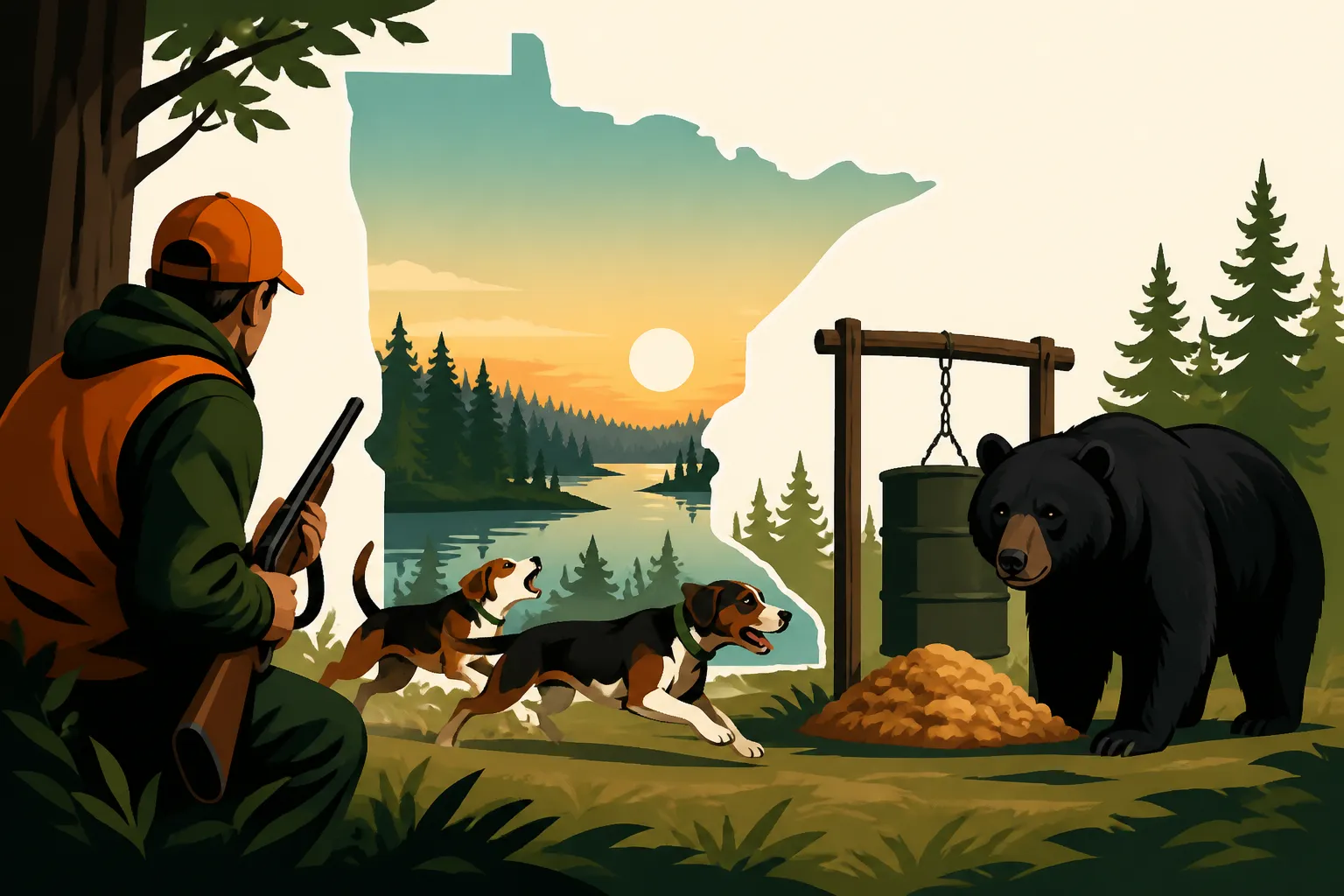
Once you've identified a promising area, establishing the site involves clearing a small patch of ground, often near a sturdy tree for a treestand or ground blind setup. You'll want to place your bait barrel or container securely, often chained to a tree to prevent bears from dragging it off. Many hunters use an old steel barrel with some holes drilled in it to let out scent and allow bears to pull out small amounts of bait. The initial "sweetening" of the site with strong-smelling, attractive foods is critical for drawing in bears. This early effort, often weeks before the season, is what sets the stage for success.
Legal Bait Materials and Best Practices
When it comes to bear bait, not just anything will do, and Minnesota has specific rules about what you can and cannot use. The general rule of thumb is that bait must be natural and edible. Things like bakery goods (donuts, bread, cookies), candy, fruit, and even some meat scraps are common. Bears have an incredibly sweet tooth and an even more incredible sense of smell, making sugary treats highly effective. Many hunters swear by old pastries from bakeries, often available for free or cheap, as the rich, sweet scent carries far. Conversely, certain items like animal carcasses (other than legally harvested furbearers or non-game animals) and household waste are prohibited. Always verify What Bear Baiters Use in Minnesota in the current regulations.
Best practices extend beyond just legality. You want to make your bait as attractive and irresistible as possible. Mixing sweet and savory items can create a potent combination. Layering your bait in a barrel, perhaps with a strong scent attractant poured over the top, helps disperse the aroma. Some hunters even hang scent wicks or rags soaked in anise oil or potent fish oil in nearby trees to broadcast the smell even further. Remember, consistency is key; bears are creatures of habit, and regular replenishment of your bait helps to "train" them to visit your site. This requires frequent trips, often every few days, to keep the larder stocked and the scent fresh.
Maintaining Your Bait Site and Trail Camera Use
Maintaining a bait site is an ongoing commitment, not a one-time setup. Once bears start hitting your site, you need to keep it regularly supplied. This means frequent trips to replenish bait, especially as the season approaches. A bear that finds an empty barrel is less likely to return. This is where the physical demands really kick in – hauling heavy bags of bait through thick woods can be a workout, particularly in warm summer conditions. It's a labor of love, but one that directly correlates to your success. Learn more about Building and Freshening a Minnesota Bear Bait to keep your site active.
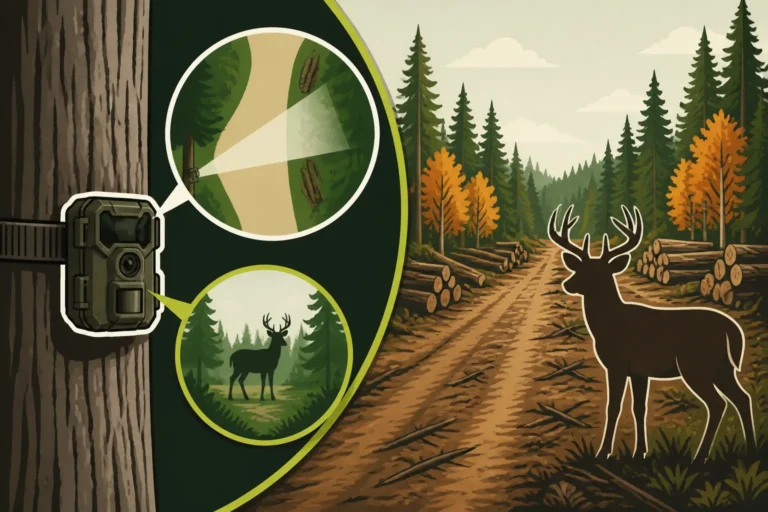
Trail cameras have become an indispensable tool for bait hunters. Setting up a few cameras around your bait site allows you to monitor bear activity without disturbing them. You can learn exactly when bears are visiting, how many different bears are using the site, and even identify specific individuals (e.g., a large boar versus a sow with cubs). This intelligence is priceless. If a large boar is consistently visiting at night, you might adjust your hunting times or strategy. If a sow with cubs shows up, you know to hold off, as Minnesota regulations typically prohibit harvesting sows with cubs. GoHunt's mapping features can also help you track camera locations and bear activity logs in different spots. Cameras help you confirm the presence of a legal bear and strategize your hunt, saving you countless hours of unproductive sitting.
Hunting Bears with Hounds in Minnesota
Hunting bears with hounds is a deeply rooted tradition in Minnesota, particularly in the northern reaches of the state where vast forests and rugged terrain provide ample challenge. This method is an incredible display of teamwork, dog training, and sheer physical endurance, far removed from the static nature of bait hunting. It's about letting highly trained dogs do what they do best: track, chase, and ultimately bay or tree a bear, allowing the hunter to move in for an ethical harvest.
The Role of Hounds in Bear Hunting
Hounds are the heart and soul of this hunting method. These dogs, typically breeds like Plott Hounds, Walkers, or a mix of various scent hounds, are bred and trained for generations specifically to track and pursue bears. Their incredible sense of smell allows them to pick up a bear's scent trail, often hours old, and follow it relentlessly through incredibly difficult terrain—think dense swamps, rocky ridges, and thick timber. It's a far cry from walking a leash in the park; these dogs are athletes, covering miles and navigating obstacles that would stymie a human.
The hunt begins when a fresh bear track is located, often by scouting logging roads or known bear travel routes. Once the dogs are released on a track, they "strike" the trail, vocalizing loudly (the "hound music" that hound hunters cherish) as they pursue the bear. This chase can last for minutes or many hours, sometimes covering dozens of miles. The goal is for the dogs to either "bay" the bear on the ground, holding it at bay with their barking, or more commonly, to "tree" the bear, forcing it up a tree where it can be safely and ethically harvested. The partnership between hunter and dog is paramount, a bond built on trust, training, and countless hours in the field. To truly grasp the complexity, one might explore Running Hounds for Minnesota Bears.
Training and Managing Bear Hounds
Training a successful bear hound is a lifelong commitment, not a weekend project. It begins when the dogs are pups, often by exposing them to bear scent, hides, or even small, controlled encounters with captive bears (where legal and ethical). As they grow, they're trained on increasingly difficult trails, learning to ignore other animals, stay focused on the bear, and work as a team within a pack. A good pack of hounds isn't just a collection of individual dogs; they learn to communicate, push each other, and adapt to the specific challenges of a track.
Managing hounds during a hunt is equally demanding. Hunters use GPS collars on each dog to track their movements and location in real-time, often via handheld devices or smartphone apps. This technology is vital, as dogs can quickly disappear over ridges or into dense cover. The hound handler, or "master of hounds," must be skilled at reading dog behavior, interpreting their barks, and understanding the nuances of a bear's escape tactics. They need to know when to push the dogs, when to hold them back, and how to recover them safely, often requiring long hikes and sometimes navigating difficult terrain at night. This isn't a passive hunt; it's an active, dynamic pursuit where the hunter is constantly engaged with their dogs.
Working with a Hound Hunting Crew
Bear hunting with hounds is almost always a team effort. It's rare for an individual to run a successful hound operation alone. A typical crew might consist of several hunters, each with specific roles: a "driver" who might drop dogs at a starting point, "roaders" who listen for dog music and potentially intercept the bear if it crosses a road, and the "tree-man" or "shooter" who moves in on the treed bear. This collective effort is essential, especially when a bear leads the dogs on a long chase through difficult country.
Communication within the crew is paramount. Two-way radios are often used to coordinate movements, report on dog locations, and plan the approach to a treed or bayed bear. The physical demands on the hunters can be extreme; imagine hiking for miles through rough terrain, sometimes off-trail, just to catch up to the dogs. It's an immersive, exhausting, and exhilarating experience that builds incredible camaraderie among those involved. If you're considering this method, finding an experienced hound hunting mentor or joining an established crew is almost a prerequisite. It's the best way to learn the intricate skills, ethical considerations, and safety protocols necessary for How a Minnesota Bear Hound Race Works successfully.
Strategic Approaches for Bait and Hound Hunting
While distinct methods, baiting and hound hunting for bears in Minnesota often involve overlapping strategies and a deep understanding of bear behavior. A truly successful bear hunter might even integrate elements of both, using a bait site to locate bears before releasing hounds, or using knowledge gained from hound activity to refine bait placements. It's about outsmarting a wary animal that possesses incredible senses and survival instincts.
Integrating Baiting and Hound Strategies
For some hunters, baiting and hound hunting aren't mutually exclusive but rather complementary. A hunter with a hound permit might use bait sites to scout for the presence of bears. Instead of hunting the bait directly, they might monitor the cameras at a bait site to identify a large boar, then, once the season opens, look for its tracks in the vicinity of the bait. Once a fresh track is found, the hounds can be released, increasing the chances of a successful chase. This approach combines the information-gathering power of baiting with the active pursuit of hounds.
Another scenario involves using bait sites to draw bears into a general area where hounds can be run more effectively. In vast, unpressured forest zones, simply trying to "strike a track" can be like finding a needle in a haystack. By establishing a few active bait sites, you're essentially concentrating bear activity, making it easier for hounds to pick up a fresh scent trail when released. This integration can significantly improve success rates, especially in areas with lower bear densities or when time is limited. It's a strategic chess match, using every available tool to increase your odds against a truly challenging quarry.
Reading Bear Sign Around Bait Sites
Whether you're primarily a bait hunter or using bait as a scouting tool for hounds, becoming adept at reading bear sign is absolutely crucial. Bears leave a wealth of clues about their presence, size, and habits around an active bait site. Look for tracks in the mud or soft soil, noting their size and stride—larger, wider tracks with longer strides often indicate a mature boar. Scat can tell you what they've been eating, which might influence your bait choices.
Beyond the obvious, pay attention to the subtle signs. Claw marks on the bait barrel or nearby trees can give you an idea of the bear's size and how aggressively it's feeding. Broken branches, flattened vegetation, or even hair rubbed off on trees can all tell a story. Regularly inspecting the surrounding area for new signs helps you understand the patterns of the bears frequenting your site. Are they approaching from a specific direction? Are they wary or confident? This information can inform where you set your stand, whether you need to add more scent, or if it's time to release the hounds. GoHunt's detailed topographical maps can help you identify potential entry and exit routes for bears to and from your bait.
Executing a Successful Hound Race
Once the hounds are on a track and the "race" begins, the execution is everything. This involves careful coordination, understanding the terrain, and predicting the bear's movements. When the dogs finally bay or tree a bear, the crew must move in cautiously and strategically. The primary goal is always a safe and ethical harvest. This means approaching quietly, assessing the situation, and ensuring a clear, responsible shot.
If the bear is treed, the shooter needs to move into a position that offers a safe, unobstructed shot at the vital organs, often the chest cavity. Shot placement on a Minnesota Black Bear is critical to ensure a quick, humane kill. If the bear is bayed on the ground, the situation is more dynamic and potentially more dangerous for the dogs and hunters. In this scenario, the dogs hold the bear at bay, allowing the hunter to approach carefully and take a controlled shot. The entire process, from releasing the dogs to the final shot, demands intense focus, quick decision-making, and a profound respect for both the animal and the working dogs. Every member of the crew plays a vital role in ensuring a smooth and successful conclusion to the chase.
Essential Gear and Preparation for Minnesota Bear Hunts
Regardless of whether you choose to hunt bears over bait or with hounds, having the right gear is non-negotiable. Minnesota's varied terrain and unpredictable weather demand equipment that is reliable, durable, and suited to the challenging conditions. Proper preparation isn't just about comfort; it's about safety and increasing your chances of success.
Firearms and Ammunition for Bears
Choosing the right firearm for bear hunting in Minnesota is a critical decision. While black bears aren't grizzly bears, they are formidable animals that require a powerful, well-placed shot for an ethical harvest. Many hunters opt for a centerfire rifle in calibers like .30-06, .308, .270, or even larger magnums. These calibers deliver sufficient energy and bullet weight to penetrate the bear's thick hide, muscle, and bone to reach vital organs. Given the new statewide rifle rules in Minnesota, hunters have more options than ever for rifle choice.
For those hunting over bait, shots are often relatively close, typically within 50-75 yards. However, in thick cover or if a bear moves unexpectedly, having a round with good knockdown power is essential. When hunting with hounds, shots can be even closer, often at a treed bear, but again, confidence in your rifle and ammunition is key. Use high-quality, heavy-for-caliber bullets designed for deep penetration and controlled expansion, such as Nosler Partition, Barnes TSX, or Hornady Interlock. Practice extensively with your chosen firearm and ammunition to ensure accuracy and familiarity under pressure. Don't forget that a sidearm in a powerful caliber like .44 Magnum can be a useful backup for hound hunters, especially in close-quarters baying situations.
Clothing, Optics, and Navigational Tools
Minnesota's bear season typically runs from early September through mid-October, meaning you can encounter a wide range of weather conditions, from warm, humid late-summer days to crisp, cool fall mornings with potential for rain or even early snow. Layering is paramount. Start with moisture-wicking base layers, add insulating mid-layers like fleece or wool, and top it off with a durable, waterproof and windproof outer shell. Blaze orange is required for all firearm hunters during the open firearms deer season, and often recommended for safety even outside those specific dates, especially if you're hunting public land.
Good optics are also essential. High-quality binoculars (8×42 or 10×42) are useful for scouting, confirming what's at your bait site, or glassing a treed bear. A dependable rangefinder is critical for precise shot placement, even at close ranges. For navigation, a robust GPS unit or a reliable mapping app on your smartphone (like GoHunt or onX Hunt) is a must. These tools allow you to mark bait sites, track dog movements, navigate through unfamiliar terrain, and ensure you can find your way back to your vehicle, especially when retrieving a bear after dark. Carrying a headlamp with extra batteries is also non-negotiable for those inevitable walks out in the dark.
Safety Protocols and Contingency Planning
Bear hunting, particularly with hounds, comes with inherent risks. Safety should always be your top priority. Always hunt with a partner or a crew, and ensure everyone knows the hunting plan, expected routes, and rendezvous points. Carry a well-stocked first-aid kit, especially in remote areas. Communication devices, like two-way radios or satellite messengers (e.g., Garmin inReach), are vital in areas with no cell service.
Contingency planning means thinking through potential problems before they arise. What if a dog gets lost? What if a hunter gets injured far from the vehicle? What if a bear is wounded and bolts? Having a plan for these scenarios, including emergency contact numbers and knowledge of local resources, can make all the difference. When hunting with hounds, understand the risks involved for the dogs, too. Bears are powerful animals, and dogs can get injured. Always be prepared for an unexpected encounter, carry bear spray as a non-lethal deterrent, and ensure everyone understands safe firearm handling practices, especially when approaching a treed or bayed bear.
Post-Harvest Responsibilities and Meat Care
Harvesting a bear is the culmination of immense effort and dedication. However, the work doesn't end when the shot is fired. Ethical hunting demands that you quickly and efficiently handle the bear's carcass, ensuring its proper registration, the preservation of the meat, and respect for the animal. This phase of the hunt is just as critical as the pursuit itself.
Field Dressing and Bear Registration
Once you've successfully harvested a bear, the immediate priority is to field dress it to begin cooling the meat. Bears have a thick layer of fat, and their body temperature can remain high, especially in warmer early season conditions. Rapid cooling is essential to prevent spoilage. Field dressing involves removing the internal organs, which significantly reduces the carcass's temperature. This is often a messy and physically demanding task, especially with a large bear. Be prepared with sharp knives, game bags, and gloves. After field dressing, some hunters will split the bear down the middle to further aid cooling, if conditions dictate.
Following field dressing, the bear must be registered with the Minnesota DNR according to Minnesota Bear Registration Rules. This typically involves reporting your harvest online or by phone within a specified timeframe, often 48 hours. You'll need your license information, the permit area where the bear was harvested, and details about the bear (sex, date of harvest). This data is crucial for the DNR's wildlife management, helping them track harvest numbers and manage the bear population effectively. Failing to register your bear promptly can result in penalties, so always make this a priority.
Handling Bear Meat Safely
Bear meat can be incredibly delicious, but it requires careful handling due to the potential presence of Trichinella parasites, which can cause trichinosis in humans. Thorough cooking to an internal temperature of at least 160°F (71°C) is absolutely essential. Freezing meat, as is often done with pork, is not sufficient to kill trichinella in bear meat. Therefore, avoid consuming bear meat raw or undercooked.
After field dressing, get the meat cooled as quickly as possible. If the weather is warm, quarter the bear and get the meat on ice in coolers. Don't allow it to sit in standing water. Once cooled, bone out the meat, trim as much fat as possible (bear fat can turn rancid quickly and impart a strong flavor), and package it for freezing. Many hunters choose to process their own bear meat, turning it into roasts, steaks, burgers, sausage, or even bear bacon. If you're not comfortable processing it yourself, find a reputable wild game processor who understands the unique aspects of handling bear meat. Proper care after the shot is crucial for Handling a Bear After the Shot and ensuring delicious, safe meals.
Dealing with Hide and Skull
For many hunters, the hide and skull are valuable trophies that commemorate the hunt. If you plan to have the hide tanned or the skull European mounted, proper care immediately after harvest is vital. The hide should be skinned promptly, taking care not to make unnecessary cuts. Once off the bear, thoroughly scrape all fat and flesh from the hide. Then, either salt it heavily or get it to a reputable taxidermist or tanner as quickly as possible. In warm weather, a hide can begin to spoil rapidly, causing hair slippage.
The skull, if you plan to keep it, should also be cleaned of as much flesh as possible. Many hunters will freeze the skull until they can take it to a taxidermist for a professional cleaning and mounting. Alternatively, if you're doing a European mount yourself, simmering (not boiling!) the skull to remove flesh is a common method, followed by bleaching. Remember to retain any evidence of sex (e.g., penis bone for males) if required by regulation, especially if you harvested the bear in a permit area with specific restrictions. The care you put into these aspects ensures your trophy will last for years to come, serving as a powerful reminder of your Minnesota bear hunting adventure.
Ethical Considerations and Responsible Hunting Practices
Bear hunting, especially with methods like baiting and hounds, sometimes draws public scrutiny. As responsible hunters, it's our duty to not only follow the law but to also uphold the highest ethical standards. Our actions reflect on the entire hunting community, and demonstrating respect for the animal, the environment, and public perception is paramount.
Minimizing Impact and Respecting Wildlife
True conservationists understand that hunting is a privilege, not a right. This means actively working to minimize our impact on the environment and ensuring we treat the animals we pursue with the utmost respect. For bait hunters, this means cleaning up bait sites thoroughly after the season, removing all artificial containers, chains, and any remaining bait. Leaving trash or rotting food behind is irresponsible and can attract unwanted attention from other wildlife or even create nuisance bear problems.
For hound hunters, respect means managing your dogs responsibly. This includes ensuring they don't harass non-target wildlife or livestock, recovering lost dogs promptly, and minimizing disturbance to private property. It also means only releasing dogs on fresh, legitimate bear tracks and avoiding situations where dogs might be put into undue danger without a clear purpose. Both methods require a commitment to fair chase and a deep understanding of wildlife behavior, ensuring that the harvest is quick, humane, and ethical. This respect for the bear is a cornerstone of responsible hunting.
Understanding Public Perception
It's a reality that bear hunting, particularly with bait and hounds, can be controversial for some members of the non-hunting public. While these methods are legal and scientifically supported management tools in Minnesota, they are often misunderstood. As hunters, we have a responsibility to be ambassadors for our sport. This doesn't mean hiding what we do, but rather being open, honest, and articulate about why we hunt and the role these methods play in wildlife management.
Be prepared to explain the science behind baiting (e.g., allowing for selective harvest, reducing hunter-caused crippling, facilitating research) and the tradition and skill involved in hound hunting. Emphasize the conservation funding generated by license sales and the commitment hunters have to wildlife health. Avoid inflammatory language or boasting. Instead, focus on education and sharing your passion for the outdoors and its wildlife responsibly. Our actions in the field directly influence how the broader public perceives hunting.
Contributing to Conservation
Every Minnesota bear hunter is a critical contributor to wildlife conservation. The funds generated from hunting license and permit sales directly support the Minnesota DNR's wildlife management efforts, including bear research, habitat preservation, and law enforcement. The data you provide when registering your bear is invaluable for biologists tracking population trends and making informed management decisions.
Beyond financial contributions, ethical hunters are also stewards of the land and its resources. This means adhering to regulations, practicing selective harvest (e.g., avoiding sows with cubs), and continuously seeking to improve your skills and knowledge. Consider becoming involved with local conservation groups or hunter education programs. By actively engaging in these ways, we ensure that Minnesota's black bear population remains healthy and thriving for future generations, and that the rich traditions of bear hunting continue responsibly.
Important Disclaimer
Always check the most current Minnesota Department of Natural Resources (DNR) regulations before engaging in any hunting activities. Hunting laws and regulations can change annually, and it is the hunter's responsibility to stay informed and compliant. This article provides general information and should not be considered legal advice.