Bird Dog Boots and Cut Pads
As Minnesota hunting season rolls around, many of us are focused on our own gear—our rifles, our calls, our layering systems. But what about our loyal bird dogs? They’re often running miles through some of the roughest, most unforgiving cover the North Star State can throw at them, and their paws, while tough, aren't invincible. The reality is, a cut pad or a torn nail can end a hunt—or even an entire season—prematurely for your best companion, leaving you frustrated and your dog in pain. This guide is all about understanding why paw protection is so crucial in Minnesota, what options are out there, and how to keep your dog’s feet healthy and ready for action.
The Unseen Hazards: Why Minnesota's Terrain Demands Paw Protection for Your Bird Dog
It's easy to think a dog's paws are naturally tough enough for anything, especially if you have a seasoned hunting partner. And for a certain extent, that's true. Years of running fields and timber definitely builds up resilience. But Minnesota's diverse landscapes present a unique gauntlet of challenges that can quickly turn a fun day into a frantic trip to the vet. From the sharp stubble of a harvested cornfield to the frozen crust of late-season snow, danger lurks in places we often overlook as hunters. Ignoring these threats is a recipe for heartbreak, both for you and your dog.
The Grinding Reality of Agricultural Fields
If you're out chasing pheasants in southern Minnesota, you know the territory: vast stretches of corn and soybean fields, often with patches of thick CRP grass or cattail sloughs mixed in. While the grass might seem soft, it's what's underneath or next to it that poses a real threat. Harvested fields leave behind incredibly tough, sharp stalks that can lacerate pads. Imagine running full speed through a field of tiny knives—that's what it can feel like for your dog. A day spent Pheasant Hunting Minnesota Farmland can mean micro-abrasions that build up to painful rawness, or a single sharp stub that causes a deep cut requiring stitches. These aren't just minor nicks; they can lead to infections and long recovery times, sidelining your dog for weeks.
The Abrasive Nature of Northern Woods and Brush
Venture up to the big woods for grouse and woodcock, and the hazards change but don't disappear. Here, you're dealing with rocky terrain, sharp granite outcroppings, and endless miles of deadfall from mature timber. The ground can be a mix of abrasive gravel and sharp branches. When you're Grouse Hunting Minnesota Aspen Cover, your dog might be tearing through thick popple regenerations where old, brittle branches lie hidden beneath layers of leaves. Alder runs, common when Woodcock Hunting Minnesota Alder Runs, are another culprit, with stiff, thorny branches that can puncture skin between toes or cut paw pads. Even a seemingly soft forest floor can hide jagged roots or sharp pieces of frozen earth in colder weather, all ready to wreak havoc on unprotected paws.
Cold, Ice, and Chemical Threats of Late Season
As the season progresses and the temperatures drop, new challenges emerge. Frozen ground can be as hard as concrete, leading to bruising and cracking of paw pads, especially for dogs not conditioned to it. Then there's ice. Running across a frozen ditch or a thin crust of snow can result in serious cuts from sharp ice edges, or worse, slips and falls that cause joint injuries. Beyond the natural elements, we also have to consider human factors. If you're hunting near roads or populated areas, road salts and other de-icing chemicals can be highly irritating and even toxic if ingested when a dog licks its paws. Even in more remote areas, the sheer cold itself can cause frostbite on exposed paw pads if a dog is standing on frozen ground for extended periods without moving, making specialized Boots for Walking Minnesota Popple Cuts invaluable.
Decoding Dog Boots: Features, Materials, and When to Deploy Them
Given the gauntlet of hazards in Minnesota, it's clear that investing in quality paw protection for your bird dog isn't a luxury; it's a necessity. But with so many options on the market, how do you choose? It’s not just about slapping a boot on; it’s about understanding the specific features, materials, and situations where each type excels. Just like you wouldn't wear duck waders for a sprint, your dog needs the right footwear for the job.
Material Matters: Fabric, Rubber, and Blends
The material of a dog boot is crucial to its performance and durability.
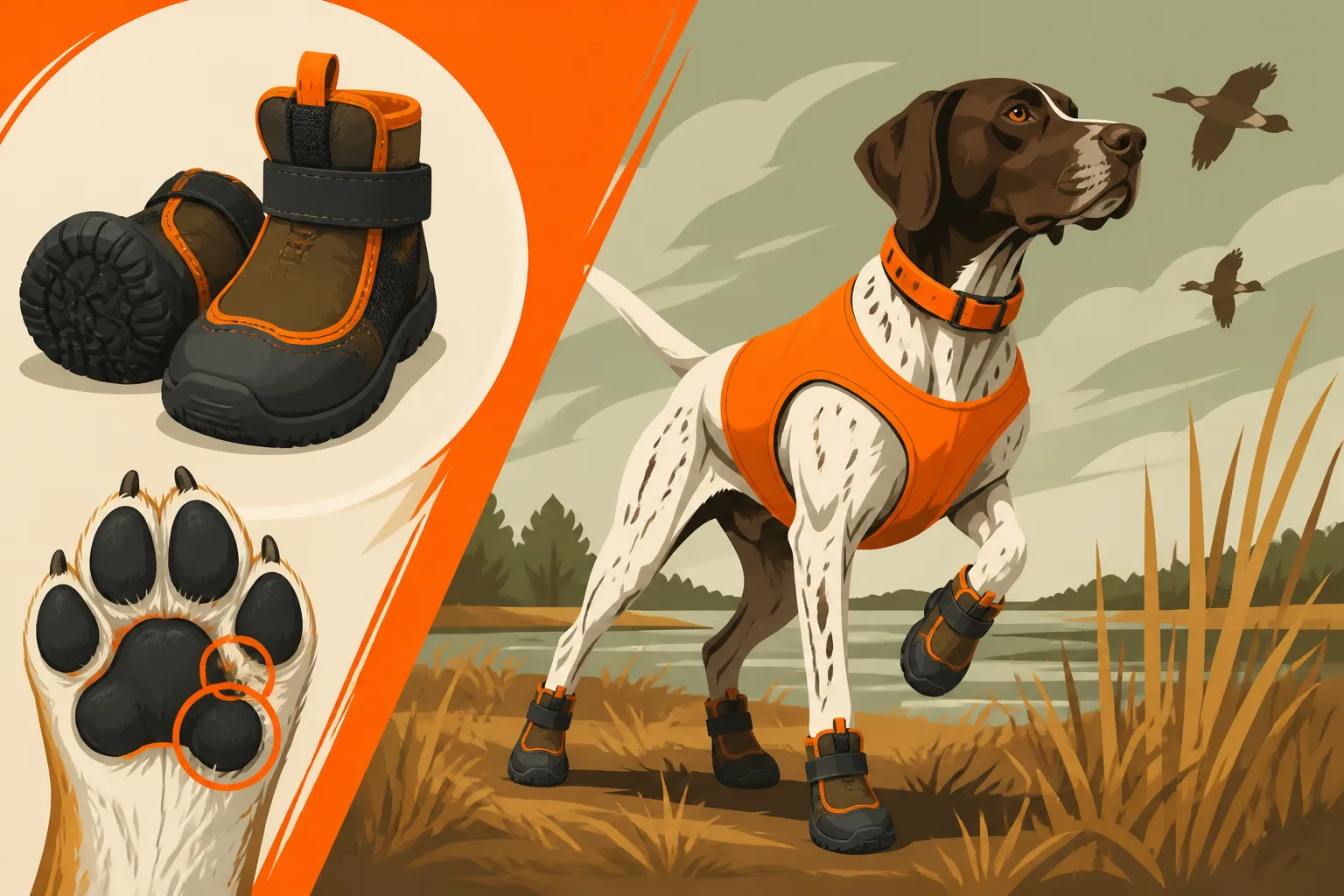
- Cordura or Nylon: Many common dog boots, especially those designed for general protection against abrasions, are made from tough synthetic fabrics like Cordura or heavy-duty nylon. These materials offer excellent tear resistance and breathability. They're great for protecting against stubble, minor cuts, and general wear and tear. However, they aren't always fully waterproof, and very sharp objects can sometimes penetrate them. They tend to be more flexible, allowing for a natural range of motion, which is important for a dog covering a lot of ground. Brands often use a multi-layer design to enhance protection without sacrificing comfort.
- Rubber or Silicone: For maximum waterproofing and puncture resistance, rubber or silicone boots are an option. Think of these as more like heavy-duty baloons or dedicated rain boots for dogs. They excel in extremely wet, muddy, or icy conditions, providing superior grip and keeping paws completely dry. The downside is that they are generally less breathable, can sometimes be harder to keep on, and may not offer the same level of comfort for long, high-exertion hunts due to their less flexible nature. However, for short bursts in extreme conditions, or for a dog with a healing injury, they can be a lifesaver.
- Leather or Synthetic Leather: Some higher-end boots incorporate leather or durable synthetic leather for reinforcement, particularly in the sole or toe areas. This adds another layer of abrasion resistance and can improve the lifespan of the boot. These are often combined with fabric uppers for breathability and flexibility. These hybrid designs try to offer the best of both worlds, providing robust protection where it's needed most while maintaining overall comfort.
Design Features: Straps, Soles, and Heights
Beyond the material, the design of the boot plays a huge role in its effectiveness.
- Closure Systems: How a boot stays on is paramount. Many utilize hook-and-loop (Velcro) straps, sometimes two or even three, to cinch securely around the dog's leg. The key here is proper placement—tight enough to prevent slipping and twisting, but not so tight that it cuts off circulation. Some boots have elasticized openings or even zippered closures. The best designs often have a wide, secure strap that wraps high on the leg to prevent the boot from being pulled off by deep snow, mud, or thick brush when your dog is crashing through cover while Hunting Minnesota Cattail Sloughs for Deer.
- Soles: The sole of the boot is where the rubber meets the road (or the field, or the ice). Most feature a non-slip, textured rubber sole, similar to what you'd find on a hiking boot. This provides grip on slick surfaces and protects against punctures from sharp objects. Some soles are thicker and more rigid for maximum protection, while others are thinner for better ground feel. Consider the type of terrain you'll be hunting. A dog running on rocky ground might benefit from a thicker, more cushioned sole, while one mostly on soft grass might prefer something lighter.
- Boot Height: The height of the boot varies from ankle-length designs to those that extend further up the leg. Taller boots offer more protection against snow, mud, and brush, and they're generally harder for a dog to kick off. However, they can also restrict movement more if not designed correctly. For general upland hunting, a medium-height boot that covers the paw and just a bit above the ankle is often a good compromise, providing protection without undue restriction. For deep snow, a taller boot would be a better choice.
A helpful comparison of common boot types might look like this:
| Boot Type | Primary Material | Best For | Pros | Cons |
|---|---|---|---|---|
| Fabric (e.g., Cordura) | Nylon, Cordura | General abrasion, stubble, light brush | Breathable, flexible, good comfort | Not fully waterproof, less puncture resistant |
| Rubber/Silicone | Natural or synthetic rubber | Extreme wet, ice, snow, chemical protection | Waterproof, excellent grip, high puncture resistance | Less breathable, can be less flexible, harder to fit |
| Hybrid (Fabric/Leather) | Fabric upper, leather sole | Rocky terrain, heavy brush, extended use | Durable, good balance of protection & comfort | Often more expensive, can be heavier |
When considering Bird Dog Gear for Minnesota Cover, remember that a multi-pack of boots is always a good idea. Pads often wear unevenly, and a lost boot in thick cover is a common occurrence. Having spares ensures your dog stays protected, even if one goes missing. I always keep a few extra in my vest when I'm out in the field.
Beyond the Boot: Proper Paw Care and Maintenance for Hard-Working Hunting Dogs
While dog boots are an incredible tool for preventing injuries, they're not a set-it-and-forget-it solution. The truth is, optimal paw health for a hunting dog requires a comprehensive approach that includes daily care, smart conditioning, and diligent post-hunt routines. Even if your dog wears boots religiously, their underlying paw health is paramount. Neglecting proper care can lead to issues whether boots are on or off, potentially compromising their comfort and performance in the field.
Daily Routines for Healthy Paws
Healthy paws start at home, long before you ever step foot in the pheasant field or the grouse woods.
- Regular Nail Trims: This might seem basic, but overgrown nails are a major source of problems. Long nails can alter a dog's gait, putting stress on joints, and are far more prone to cracking, breaking, or tearing—especially when running hard through cover. A quick tear can bleed profusely and expose the quick, requiring a vet visit. Keep those nails trimmed short, even with the paw pad, so they don't hit the ground when your dog stands naturally. This is especially critical for dewclaws, which can get snagged easily.
- Moisturizing and Conditioning: Just like human skin, dog paw pads can dry out and crack, particularly in cold, dry Minnesota air. Consider using a dog-specific paw balm or moisturizer, especially during the off-season or a few days leading up to a hunt. These products help keep the pads supple and less prone to cracking, which makes them more resilient to the stresses of hunting. Always choose products safe for dogs, as they will inevitably lick their paws.
- Inspecting Between Toes: Hairs between your dog's toes can collect burrs, foxtails, mud, and ice, leading to irritation, matting, or even infection. Keep the hair trimmed short between the pads to prevent these issues. This simple step can make a huge difference, particularly if you're hunting in areas known for sticky burrs or heavy snow, where ice balls can form between the toes and cause significant discomfort.
Post-Hunt Care: The Essential Debrief
The moments immediately after a hunt are just as important as the preparation. Your dog has just put in a massive effort, and their paws need immediate attention.
- Thorough Inspection: As soon as the hunt is over, or even during a break, sit down and give each paw a meticulous inspection. Look for cuts, scrapes, punctures, thorns, burrs, or anything lodged between the pads or toes. Pay close attention to the webbing between their toes as well. Don't forget to check for redness, swelling, or tenderness. Early detection of an issue can prevent it from worsening. This is the moment to address minor issues before they become major problems.
- Cleaning: Use warm water to clean off mud, dirt, burrs, and any potential irritants. If your dog has been in an area potentially exposed to road salt or chemicals, a good rinse is absolutely crucial. A quick wash helps to prevent infection and allows you to better see any hidden injuries. You can even use a mild antiseptic solution (diluted Betadine, for example, but check with your vet first) if there are any open wounds, ensuring they are clean before further treatment.
- Drying: After cleaning, thoroughly dry your dog's paws, especially between the toes. Moisture can lead to skin irritation, fungal infections, or maceration of the skin, making it more susceptible to damage. In colder weather, damp paws are also highly susceptible to frostbite. A towel works great, and for dogs with longer hair, a quick blast with a cool-setting hairdryer can ensure complete dryness.
Boot Maintenance: Keeping Them Ready
Your dog's boots also need care to perform their best and last through multiple seasons.
- Cleaning: After each hunt, clean the boots. Shake out any debris, then wash them with warm water and mild soap to remove dirt, mud, and grime. This prevents material breakdown and keeps them hygienic. Pay attention to the closure straps, as mud can impede their function.
- Drying: Just like paws, boots need to be completely dry before storage. Hanging them up in a well-ventilated area is ideal. Storing damp boots can lead to mildew, odors, and material degradation. Nobody wants to put smelly, damp boots on their dog next time out.
- Inspection and Repair: Before and after each season, inspect the boots for wear and tear. Look for fraying seams, worn-out soles, or weakened straps. Many minor repairs can be done with heavy-duty thread and needle, or even a good fabric glue. Replacing a worn boot before it fails in the field is much better than finding out it's compromised when you're miles from the truck. Having an extra set or two in your Bird Dog Gear for Minnesota Cover is always a good idea, as even the toughest boots can get lost or damaged in the field.
Making the Choice: How to Select and Introduce Boots for Your Hunting Partner
Deciding to use dog boots is one thing, but actually implementing them effectively takes a bit more thought and patience. It's not just about buying the first pair you see; it's about making an informed choice that suits your dog, your hunting style, and the Minnesota terrain you'll be covering. Once you have them, the real challenge begins: getting your dog to not only tolerate them but to move naturally and confidently while wearing them.
Sizing and Fit: Crucial for Comfort and Security
The most critical aspect of choosing dog boots is getting the right size and fit. A boot that's too loose will spin, slip off, or cause chafing, leading to blisters. A boot that's too tight will restrict circulation and cause discomfort.
- Measure Accurately: Measure your dog's paws while they are standing and bearing weight. Measure the widest part of the paw, and then measure from the tip of the longest claw to the back of the paw pad. Most manufacturers provide sizing charts based on these measurements. Don't assume all four paws are the same size—many dogs have slightly larger front paws. It's best to measure all four and size accordingly, even if it means buying two different sizes.
- Test the Fit: When you receive the boots, put them on your dog and observe them. The boot should fit snugly around the paw, preventing excessive movement, but not be so tight that it pinches or restricts toe splay. The straps should allow you to secure them firmly without being overly constricting. A good test is to try to twist the boot around the paw—it shouldn't move easily. Watch your dog walk; they should be able to move their paw naturally without the boot flopping around. Remember, your dog's comfort is key to their performance and willingness to wear them. This is where researching reputable brands with good sizing guides, like those you might find recommended in reviews on hunting community forums or through trusted sources like GoHunt, can be really helpful.
Introducing Boots: Patience is a Virtue
Don't just spring the boots on your dog right before opening day and expect them to perform flawlessly. Introducing boots requires a gradual, positive approach.
- Start Slow and Positive: Begin by putting on just one boot at a time for short periods indoors. Distract your dog with treats or a favorite toy. The initial reaction might be comical—high-stepping, shaking their paw, or trying to chew it off. This is normal.
- Gradual Increase: Once they tolerate one boot, try two, then all four. Gradually increase the duration they wear them. Do this during feeding times, play sessions, or short walks around the yard. Make it a positive experience with lots of praise and rewards.
- Short Walks First: When they seem comfortable indoors, take them for short walks on concrete or easy terrain. This helps them adjust to the feel and grip of the boots on different surfaces. Observe their gait and comfort level. Are they moving naturally? Are the boots staying on?
- Trial Runs in the Field: Before a critical hunt, take your dog on a short training session in the actual hunting cover. Let them run and experience the boots in real-world conditions. This is where you'll discover if any adjustments are needed, or if a different boot type might be more suitable. This is also a good time to double-check their security, especially if you're navigating dense cover or Hunting the Mississippi River Backwaters where mud and debris are common.
When to Use Boots and When to Rely on Natural Toughness
While boots offer excellent protection, they aren't always necessary for every situation, and some dogs genuinely despise them.
- Prioritize Tough Terrain: Boots are most crucial in environments with sharp stubble, jagged rocks, abrasive gravel, thick thorny brush, or icy conditions. If you're going into heavy cover for upland birds or tracking through frozen fields for late-season deer, boots are a smart choice. Consider your anticipated route as you are Scouting Minnesota Public Land Before Season to determine if boots will be needed.
- For Healing or Sensitive Paws: If your dog has a history of paw injuries or currently has a sensitive spot or minor cut, boots provide a protective layer for healing or preventing recurrence. They can allow a dog to stay active while a minor issue resolves.
- Conditioned Paws for General Use: For dogs with naturally tough, well-conditioned paws that primarily hunt in softer, less abrasive cover (like some grassy fields or softer forest floors without much undergrowth), boots might not be a daily necessity. Many dogs develop incredible pad toughness over years of regular activity. However, even these dogs can benefit from boots if conditions suddenly become extreme—a sudden cold snap making the ground like concrete, or unexpected ice.
- Listen to Your Dog: Ultimately, your dog's comfort and behavior are your best guide. If boots cause significant distress, chafing, or alter their gait in a detrimental way, it might be better to focus on intense paw conditioning and careful selection of hunting areas, using boots only for the most extreme conditions or short periods. Always prioritize your dog's well-being and happiness in the field.
Disclaimer
This article is for general informational purposes only and does not constitute professional advice. Laws, prices and regulations vary by location and change over time. Consult a qualified professional for guidance on your specific situation.