Flushing Grouse Without a Dog
You know, not everyone has the luxury of a well-trained bird dog to sniff out those wily ruffed grouse in the Minnesota woods. For many of us, it’s just our two feet, a shotgun, and a whole lot of hope. It can be frustrating, walking mile after mile through thick cover only to hear that explosive flush behind you, or worse, not hearing a thing. But don't you worry. This guide is all about empowering you to become a savvy, dog-less grouse hunter, breaking down the tactics, mindset, and gear you need to consistently put birds in the vest without a four-legged friend.
Understanding Ruffed Grouse Behavior for the Solo Hunter
Before you even step foot in the woods, it’s absolutely crucial to understand what makes a ruffed grouse tick, especially when you’re hunting without a dog. Unlike pheasants that often run or hold relatively loosely, ruffed grouse are notorious for holding incredibly tight, often letting you walk right past them before erupting in a blur of wings. They rely on their camouflage and stillness to avoid detection, making them a true challenge for the solo hunter.
Habitat is King, No Matter What
Ruffed grouse are creatures of specific cover. In Minnesota, this almost always means young aspen stands, typically 8-25 years old. These areas provide the dense understory they need for food, protection from predators, and drumming logs for the males. You'll often find them on ridges, along the edges of swamps, or where these younger aspen transition into more mature timber or open areas. Don't overlook alder thickets along creek bottoms either; these can be dynamite, especially for woodcock, but grouse will certainly use them too. Your first step to success without a dog is to spend time scouting these prime habitats, even just by studying maps at home. Tools like the GoHunt app or the Minnesota DNR's Recreation Compass can be invaluable for pinpointing these areas, helping you identify public lands with suitable cover before you burn a drop of gas. Knowing where to go, specifically focusing on "popple cuts" and How Old a Cut Should Be for Grouse, is the foundation of any successful dog-less hunt.
The Art of the Flush: What to Expect
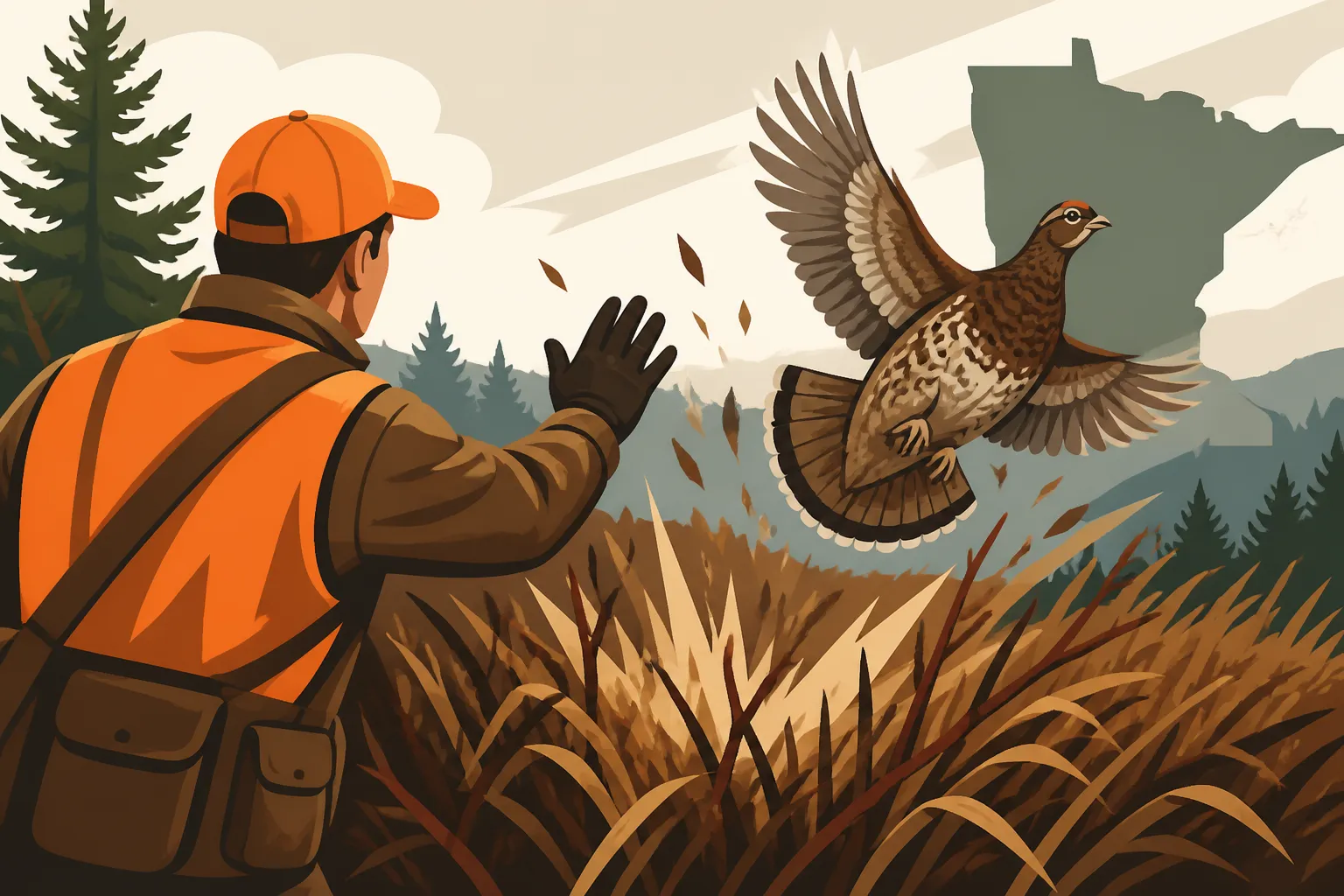
When a grouse flushes, it's an adrenaline dump like no other. They explode with incredible speed and noise, often putting several trees between you and them in a heartbeat. Without a dog, you're relying solely on your eyes and ears to detect them before they fly. They usually fly low and fast through the timber, seeking the nearest dense cover. Sometimes, especially early in the season, they might pitch up into a tree after a short flight. This is a golden opportunity if you can mark them down. Later in the season, especially once the leaves are off, they tend to fly further and faster. The challenge for the solo hunter is triggering that flush, anticipating their escape route, and getting the gun up quickly for a shot.
Seasonal Movements and Food Sources
Grouse movements and where they'll be holding can change throughout the season. Early in the fall, when leaves are still thick, they'll be scattered throughout dense cover, feeding on a variety of berries, buds, and insects. As the season progresses and leaves fall, they'll often concentrate more around remaining food sources like aspen buds, catkins, and specific ground vegetation. This is where Minnesota Ruffed Grouse Cycles come into play. Understanding how these populations fluctuate year to year can also inform your expectations. During peak years, you might find birds in less-than-ideal cover, while in low years, they'll stick strictly to the best habitat. Pay attention to the weather, too. Grouse can be more active on cloudy, calm days and might hold even tighter during windy conditions, making them even harder to flush.
Essential Tactics for Flushing Grouse Solo
Hunting grouse without a dog boils down to becoming your own "flushing machine." You need to move in a way that makes birds uncomfortable enough to fly, but not so fast that you miss your shooting window. It’s a delicate dance between pushing cover and being ready to shoot.
The "Stop and Go" Shuffle
This is perhaps the most critical tactic for the solo grouse hunter. Instead of walking at a steady, predictable pace, you need to walk for a short distance – say, 10 to 20 yards – then stop completely. Stand absolutely still for 10-30 seconds. Often, a grouse that was confidently holding, thinking you were passing by, will get nervous when you stop. That sudden cessation of movement is often the trigger for them to flush. Sometimes they'll flush immediately, other times it takes a few moments of silence. This method capitalizes on their "freeze" response, then exploits their nervousness when that perceived threat (you) behaves unexpectedly. You’ll be amazed at how many birds you flush within feet of where you stop.
Strategic Walking Patterns
Forget just wandering aimlessly. Think like a dog, or rather, think about how a dog would work the cover.
- Zig-Zagging: Instead of walking in a straight line, zig-zag through the cover. This allows you to effectively cover a wider swath of ground and approach potential hiding spots from different angles. It also puts you in a better position to react to flushes that might occur to your left or right.
- Parallel Edges: Grouse love edges. Walk parallel to logging roads, clear-cut boundaries, dense alder swamps, or even the subtle transitions between different timber types. These linear features act like highways for grouse, and by walking them, you're increasing your odds of intercepting a bird.
- Cover Density: Don't shy away from the nastiest, thickest stuff. While it's tempting to walk the easier paths, grouse are often in the nearly impenetrable tangles of thorny brush and dense conifers. Push through it. Make noise, break branches, and really stomp around in there. That's where they feel safest, and that's where they're most likely to hold tight until you're right on top of them. You might even find yourself in the perfect spot for Grouse Hunting Minnesota Aspen Cover if you commit to the thick stuff.
Listening and Looking: Your Best Senses
Without a dog's nose, you have to be extra vigilant with your own senses.
- Listen for the Drum: Early morning and late evening, especially in the spring and early fall, you might hear a male grouse drumming. This isn't just a mating call; it tells you a grouse is in the area and likely on a drumming log. While you're not likely to sneak up on him, it's a good indicator of prime habitat.
- Keep Your Head on a Swivel: Grouse can flush from anywhere. Don't get tunnel vision. Scan the ground ahead for movement, but also look back over your shoulder periodically, and glance to both sides. Sometimes they'll try to sneak out silently before exploding.
- Marking the Flush: This is crucial. When a bird flushes, immediately mark the general direction and, if possible, where you think it might land. If it pitches into a tree, try to spot it. Even a small piece of flagging tape on a nearby branch can help you re-orient yourself if you lose sight of the landing zone, allowing you to move in on a second flush.
| Tactic | Description | Ideal Situation | Hunter Action |
|---|---|---|---|
| Stop and Go | Walk 10-20 yards, stop completely for 10-30 seconds, then resume. | All cover types, especially dense aspen. | Be ready to mount your gun quickly at any moment. |
| Zig-Zagging | Instead of straight lines, weave back and forth through cover. | Wide areas of uniform cover, clear-cuts, young forests. | Covers more ground, approaches cover from multiple angles. |
| Edge Walking | Walk parallel to habitat transitions (e.g., aspen/swamp, clear-cut/mature). | Any area with defined habitat edges. | Intercepts birds using edges as travel corridors. |
| Noise & Stomp | Actively make noise, break branches, stomp through thickest cover. | Very dense, tight cover where birds hold extra tight. | Forces reluctant birds to flush that might otherwise sit. |
| Slow Advance | Move slowly and deliberately, constantly scanning and listening. | Especially useful when leaves are off and visibility increases. | Allows more time to react to visual flushes or subtle movements. |
Gear and Preparations for Dog-less Grouse Hunts
Hunting grouse without a dog also means you're carrying everything you need and relying purely on your own stamina and equipment choices. Your gear should be light, durable, and suited for busting through thick Minnesota cover.
The Right Shotgun and Ammunition
When you’re not limited by a dog's range, you're often taking shots in tight windows, at fast-moving targets, and at relatively close distances.
- Gauge and Choke: A 12-gauge or 20-gauge shotgun is perfect. Many hunters favor a 20-gauge for its lighter weight, making it easier to carry all day and swing quickly in tight cover. An open choke, like Improved Cylinder or Skeet, is ideal. These chokes provide a wider pattern at close ranges, increasing your chances of connecting with a fast-flushing bird. If you're using a double barrel, consider an Improved Cylinder in the first barrel and a Modified in the second, giving you options. The 20 Gauge Doubles for Popple Cover article might have some more specific advice here.
- Shot Size: For grouse, you typically want smaller shot that provides a dense pattern. #7.5 or #8 lead shot is standard. These pellets are small enough to ensure a good pattern but still carry enough energy to cleanly take down a grouse. Make sure you're using appropriate loads, often referred to as "field loads" or "target loads," which are lighter recoiling and fast-shooting. When considering your load, think about Shot Size for Grouse and Woodcock to ensure you have the right setup.
Clothing for the Bushwhacker
Minnesota grouse cover is often wet, brushy, and can be quite thorny. Your clothing needs to withstand abuse and keep you comfortable.
- Brush Pants: Invest in good quality brush pants or chaps. They’ll protect your legs from thorns, briars, and wet brush, which is essential when you're pushing through thick cover all day. Brands like Filson, Orvis, and even some workwear brands make excellent options.
- Layers: Dress in layers. You'll be working hard, generating heat, but then you might stop for extended periods. A moisture-wicking base layer, a warm mid-layer (fleece or wool), and a durable, water-resistant outer layer are perfect. Avoid cotton next to your skin as it holds moisture and will make you cold.
- Blaze Orange: Safety first! Minnesota requires blaze orange or blaze pink to be worn when grouse hunting on public lands during the firearm deer season. Even outside of deer season, wearing a blaze orange hat or vest is a good idea to ensure you're visible to other hunters.
- Footwear: Comfortable, waterproof boots with good ankle support are a must. You'll be walking uneven terrain, crossing wet areas, and potentially slogging through mud. Consider boots designed for upland hunting or hiking, such as those discussed in Boots for Walking Minnesota Popple Cuts.
Essential Carry-Along Items
You're your own support crew, so pack smart.
- Upland Vest/Game Bag: You need a way to comfortably carry extra shells, water, snacks, and most importantly, any birds you harvest. An upland vest with a built-in game bag is perfect. Many even include a small backpack section for extra gear. Look for options with Upland Vests With Water Capacity to stay hydrated.
- Water and Snacks: Hydration is key, especially if you're putting in miles. A water bottle or hydration bladder is a must. A few energy bars or a sandwich will keep you fueled.
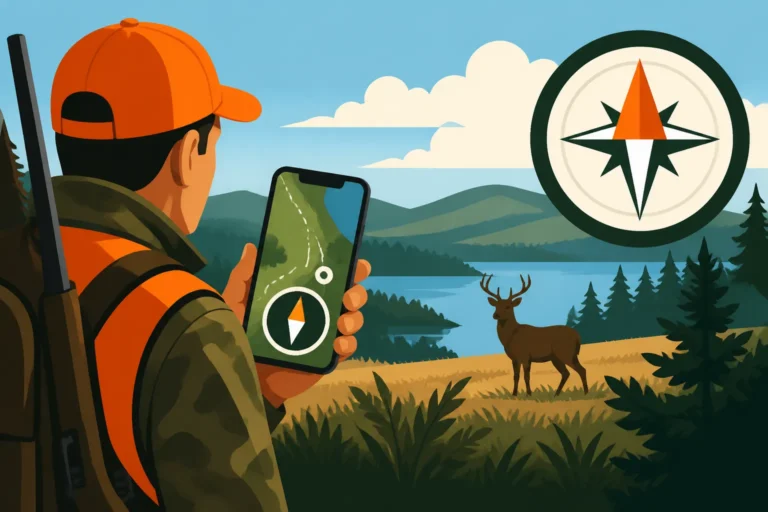
- Navigation: While old-school maps and compass are great backups, a GPS unit or a reliable mapping app on your phone (like GoHunt or onX Hunt) is invaluable. These help you stay oriented in dense cover, mark flush locations, and ensure you don't get turned around. Make sure your phone is fully charged and consider a portable power bank.
- First Aid Kit: A small, basic first aid kit for cuts, scrapes, and blisters is always a good idea when you're venturing into the woods.
- Knife: For field dressing small game or other emergencies.
- Hearing Protection: Even with lighter loads, repeated shotgun blasts can damage your hearing. Electronic hearing protection allows you to hear the subtle sounds of the woods while protecting your ears from gunshots.
Post-Flush Strategies and Continued Success
Getting a grouse to flush is only half the battle. What you do after that initial explosion can make all the difference between an empty game bag and a successful hunt.
Marking the Fall and Follow-Up Shots
The moment a grouse flushes, your priority is to mount your gun smoothly, swing, and get a shot off. But immediately after the shot, whether you hit or missed, your next action is critical: mark where the bird went down or where it flew to.
- Visual Markers: If you suspect you hit the bird, watch it all the way to the ground. Pick out a prominent tree, stump, or unique feature near where it fell. Then walk directly to that spot. Grouse are incredibly camouflaged, and even a mortally wounded bird can be hard to find in the dense undergrowth.
- Listen for Landing: If the bird continues flying, listen intently for any rustling leaves or flapping wings that indicate where it might have landed. Sometimes, they'll fly a short distance and pitch into a tree. If you can spot it in a tree, a second, more deliberate shot can be taken. This is a common tactic, and sometimes you'll hear the soft thud of a bird landing after a long flight, giving you a general area to approach slowly.
Re-working Cover and Multiple Birds
Don’t assume a spot is "dead" after one flush. Grouse often live in small coveys, especially earlier in the season, or there might be multiple birds in a particularly good patch of cover.
- Walk the Landing Zone: If a bird flew off relatively unmolested, make a mental note of where it landed and then go work that area. Often, a flushed bird will land and hold tight again, giving you another opportunity if you approach cautiously and employ the "stop and go" method again.
- Fan Out from the Flush: After flushing one bird, take a few moments to scan the area where the first bird flushed. Then, instead of just continuing in a straight line, subtly fan out. Walk in a small semicircle around the original flush point. This can often kick up another bird that was holding nearby, or one that was pushed further into the cover by the first flush. This approach is particularly effective in areas known for holding higher densities of birds.
Persistence and Patience: The Dog-less Hunter's Virtues
Let's be real: hunting grouse without a dog is a demanding endeavor. You're going to walk a lot of miles, encounter a lot of thick brush, and sometimes, you're going to come home with an empty vest. That’s just part of the game. The key is persistence. Don't get discouraged by unproductive cover or missed shots. Every flush, every missed opportunity, is a lesson. Pay attention to why a bird flushed where it did, what the cover looked like, and how you were moving. Over time, you’ll develop an instinct for finding birds, even without a wagging tail leading the way. And remember to enjoy the journey, the sights, and the sounds of the Minnesota woods. Sometimes the biggest reward is simply being out there, regardless of whether you fill your game bag. Knowing how to Scouting Minnesota Public Land Before Season can significantly increase your odds and build that confidence.
Disclaimer
Please ensure you are aware of and adhere to all current Minnesota hunting regulations, licensing requirements, and season dates. Always prioritize safety in the field. This information is for educational and entertainment purposes only and should not be considered legal advice. Consult the Minnesota Department of Natural Resources for official rules and guidelines.