Woodcock Hunting Minnesota Alder Runs
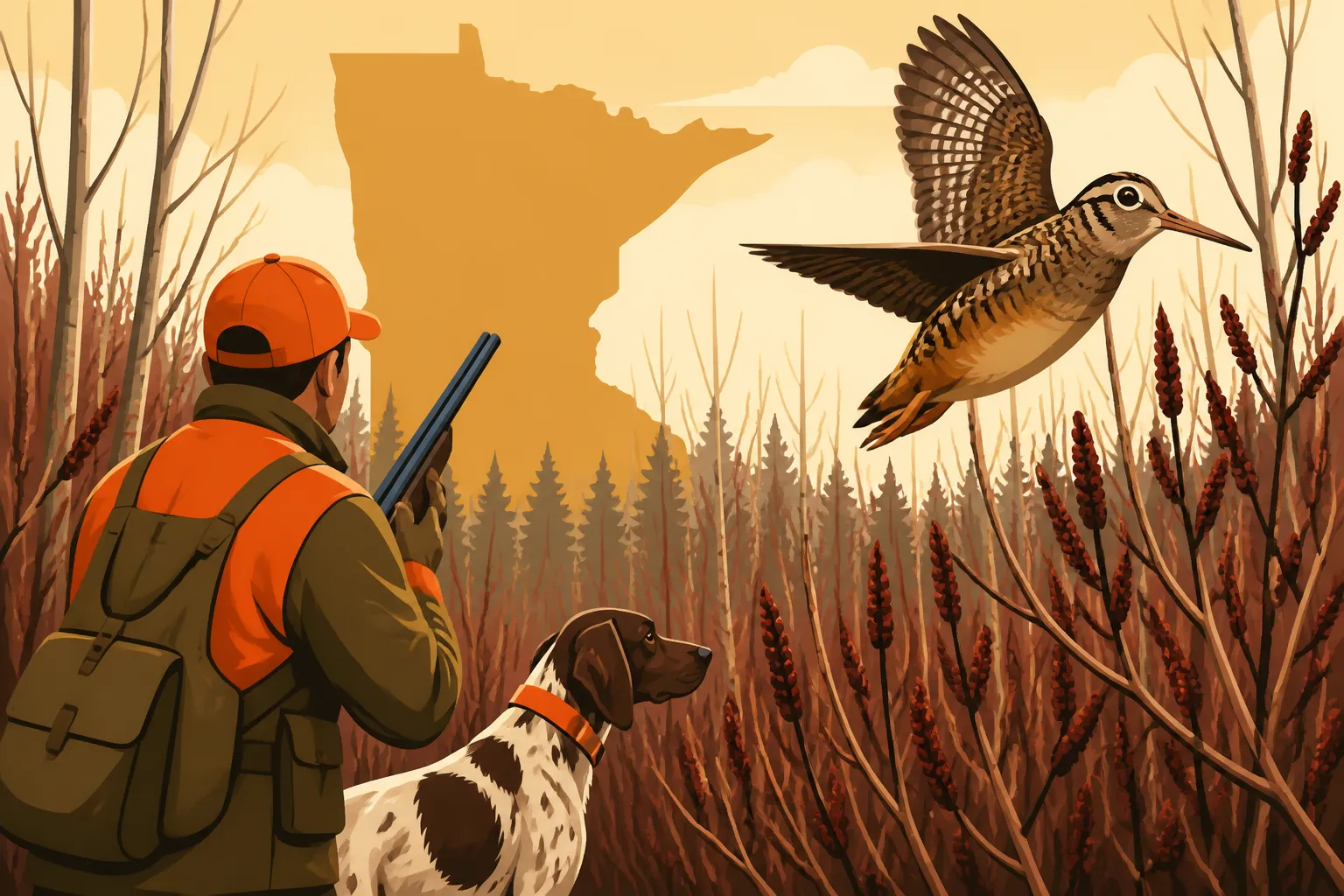
There's a special kind of frustration, isn't there, when you're tramping through what looks like perfect woodcock cover—tangled, damp, and dense—only to come up empty-handed? These "timberdoodles" are masters of hide-and-seek, and unlocking their secrets in Minnesota's famous alder runs can feel like cracking a cryptic code. This guide is here to unravel that mystery, offering practical strategies and insights to help you find and flush more woodcock in the challenging, yet incredibly rewarding, habitat they call home.
Understanding Woodcock Habitat in Minnesota
Woodcock aren't just any bird; they're unique creatures with specific needs, and understanding these needs is the first step to consistently finding them in Minnesota. They're often overlooked by hunters focused on grouse or pheasants, but for those who appreciate a challenging flush and a quirky bird, the woodcock offers an unparalleled experience.
The Allure of Alder: Why Woodcock Love It
Alders aren't just dense shrubs; they represent a five-star hotel for woodcock, especially the American woodcock. These birds are worm-eaters, pure and simple. Their long, prehensile bills are perfectly adapted for probing soft, moist soil, and that's precisely what you find in an alder thicket. Alder, particularly speckled alder, thrives in wet, lowland areas, often bordering swamps, small streams, or boggy depressions. This specific environment creates the ideal conditions: rich, loamy, perpetually moist soil teeming with earthworms.
When you're slogging through an alder run, you're not just pushing through brush; you're entering the woodcock's cafeteria. The thick overhead canopy provides excellent camouflage from avian predators, while the dense, intertwined stems offer protection from ground-based threats and give the birds a sense of security. They also appreciate the thermal cover provided by these dense thickets, especially as temperatures dip during the migration season. Think of it as a natural fortress that's also a food delivery service. If you find a patch of alders with soft, dark soil that squishes a little underfoot, you're probably in the right neighborhood.
Identifying Prime Cover: Beyond Just Alders
While alders are key, woodcock habitat isn't only about alders. These birds are edge dwellers. They love the transition zones where dense alder thickets meet slightly higher ground, perhaps a young aspen stand, a tag alder swamp, or even the fringes of a mature hardwood forest. Look for areas where alders are interspersed with willow, young aspen, dogwood, or even some stunted tamaracks. These mixed covers provide a diversity of food and escape routes. Young, regenerating forest cuts, especially those only a few years old, can also be dynamite woodcock spots if they’re adjacent to or contain those moist, alder-rich depressions.
Another critical element is the presence of openings. Woodcock, particularly males, need small, open clearings for their elaborate sky-dancing courtship rituals in spring. While you won't be hunting during courtship, these historical openings often indicate suitable breeding habitat, meaning local birds are likely to be present in the surrounding cover during the early hunting season. Keep an eye out for forgotten logging roads, old clearings, or even small, grassy pockets within the broader alder landscape. Using a mapping tool like GoHunt can be invaluable here, allowing you to scan aerial imagery for these subtle transitions and clearings that might otherwise go unnoticed from the ground. Look for those distinct color changes in vegetation that indicate different cover types.
Water and Soil: The Crucial Ingredients
I can't stress this enough: moisture is everything to a woodcock. Without consistently moist, unfrozen soil, their primary food source – earthworms – isn't accessible. This means you'll rarely find woodcock on dry ridges or in upland pines. They are inextricably linked to riparian zones, wetlands, and other areas where groundwater is close to the surface. Small, sluggish streams, seepages on hillsides, the edges of beaver ponds, or just naturally low-lying areas that retain water are all prime candidates.
The soil itself should be dark, rich, and loamy. Clay-heavy soils can be too dense for their bills, and sandy soils often don't hold enough moisture or earthworms. When you're walking through potential cover, pay attention to the soil. If it's light-colored, dry, or sandy, keep moving. If it's dark, spongy, and you sink a bit with each step, slow down and get ready for a flush. These areas are not only rich in worms but also provide the necessary insulation to keep the ground from freezing too quickly in the fall, extending the woodcock's stay before they migrate south.
Timing Your Minnesota Woodcock Hunt
Minnesota's woodcock season is short and sweet, dictated largely by their migratory patterns. Getting the timing right is crucial to maximize your chances of finding these elusive birds. You can find detailed season dates in the official Minnesota Grouse and Woodcock Seasons regulations.
The Early Season Local Birds
When the season opens in mid-September, you'll be primarily hunting "local" birds – those that hatched and summered in Minnesota. These birds are often found in relatively consistent spots year after year if the habitat remains stable. These early weeks offer a fantastic opportunity to get out before the crowds, and the weather is usually much milder. However, the cover can still be incredibly dense with leaves on the trees, making visibility and shooting opportunities challenging.
Local birds tend to be a bit more scattered than the migrating flocks. They might be in smaller pockets of suitable habitat, and you might have to walk a lot of ground to find them. They also tend to hold tighter, offering a good opportunity for a dog to work. If you've done your Scouting Minnesota Public Land Before Season, marking areas with good alder and moist soil, these are your best bets for opening weekend. Don't expect huge numbers, but the quality of the hunt can be exceptional, and it's a great way to get your dog tuned up for the main event.
The Main Migration Wave: Peak Action
The real excitement begins when the "flight birds" from Canada and northern Minnesota start moving through. This typically occurs from late September through mid-October, heavily influenced by weather patterns to the north. This period, often overlapping with the peak of the Timing the Minnesota Woodcock Flight, is when you can encounter incredible numbers of woodcock concentrated in prime stopover habitats. The leaves are usually starting to drop by this time, which can slightly improve visibility, but the birds are also more prone to flushing wild if pressured.
Identifying the peak of the migration often involves paying attention to weather fronts. A strong cold front pushing down from Canada will almost certainly trigger a significant movement of birds. Listen to local reports, check online forums, or better yet, just get out there and hunt! The migration isn't a single event but a continuous flow. One day a covert might be empty, and the next it's brimming with birds. This unpredictability is part of the thrill, turning each hunt into a potential jackpot. Remember to have your Minnesota HIP Certification for Bird Hunters in order, as it's required for migratory game birds.
Reading Weather Patterns for Movement
Weather isn't just a factor; it's the factor for woodcock migration. As mentioned, cold fronts are your best friend. A sustained drop in temperature, especially coupled with northerly winds, signals to woodcock that it's time to head south. Look for forecasts predicting overnight lows consistently below freezing in northern Minnesota or Canada. These conditions push birds south, and Minnesota's alder runs become critical refueling stops.
Rainfall is another important weather element. While woodcock need moist soil, torrential downpours can actually make conditions temporarily less favorable, as earthworms might burrow deeper to avoid drowning, or the birds might seek temporary shelter. However, light, consistent rain or recent rainfall will ensure the soil remains soft and worm-rich, setting the stage for good hunting. The true migration push comes when the ground further north starts to freeze solid, cutting off their food supply. When you see extended freezing temperatures to your north, know that the woodcock are on the move and heading your way.
Essential Gear and Dog Considerations
Hunting woodcock in Minnesota's dense alder runs isn't like walking open fields for pheasants. It requires specialized gear and, ideally, a well-trained dog. Preparing properly will make your hunt safer, more comfortable, and far more productive.
Shotguns and Ammunition for Fast Shots
Woodcock are small, erratic fliers, and shots are almost always at close range in extremely thick cover. This means you need a fast-handling shotgun that throws a relatively open pattern. Most hunters opt for a 20-gauge or 28-gauge, but a 12-gauge can work well too, especially with lighter loads and open chokes. The key is quick maneuverability. Over-and-unders or side-by-sides are popular for their balance and ability to switch chokes quickly, but pumps and semi-autos are also perfectly viable. For specific recommendations, check out advice on Upland Guns for Popple and Alder.
For chokes, anything tighter than improved cylinder is generally overkill. Many dedicated woodcock hunters even use skeet or cylinder chokes to get a wider pattern in the impossibly tight shooting lanes you'll encounter. Remember, these birds typically flush vertically, then weave through the branches. You often get just a split second. As for ammunition, light loads of 7 ½ or 8 shot are perfect. They deliver plenty of pellets for the small bird, and the lighter recoil is appreciated after a long day of walking. Some even go as light as 9 shot for a dense pattern. Don't overthink power; it's about getting enough pellets on target quickly. Consider tips on Choke Choice for Fast Flushes for more insights.
Clothing and Footwear for Wet, Dense Cover
Forget your pristine hunting clothes; woodcock hunting is a dirty, wet, and often thorny affair. You'll be pushing through tangled, often wet, alders and wading through damp or muddy terrain. Waterproof and thorn-resistant clothing is non-negotiable. Briar-proof pants or chaps are a lifesaver, protecting your legs from thorns and keeping you dry. A good quality, waterproof hunting coat that's durable enough to withstand snags is also essential. Layering is always smart, as you'll be working hard and building up heat, but then standing still for flushes.
Footwear might be the most critical piece of gear. You need comfortable, waterproof boots with good ankle support. Rubber boots are a popular choice for their complete waterproofing, especially if you're frequently encountering standing water or boggy ground. However, modern waterproof leather or synthetic hiking boots can also work, as long as they offer superior waterproofing and traction. Consider specific advice on Boots for Walking Minnesota Popple Cuts. You'll be slogging, slipping, and sinking, so make sure your feet stay dry and comfortable to avoid blisters and cold toes, which can quickly end a hunt.
The Indispensable Role of a Good Bird Dog
While you can hunt woodcock without a dog, a well-trained bird dog elevates the experience dramatically and significantly increases your success. Woodcock are masters of camouflage and will often hold incredibly tight, relying on their cryptic plumage to avoid detection. A good pointing dog will pinpoint these birds, allowing you to move into position for a shot. Labs, setters, pointers, and springers are all excellent choices, each bringing their own style to the cover.
Beyond just finding birds, a dog is crucial for retrieving downed woodcock. Their small size and dense cover make finding a fallen bird nearly impossible without a keen nose. Losing a bird is frustrating and unethical, making a reliable retriever a key partner. Ensure your dog is wearing a bell or GPS collar, like those from Garmin, so you can keep track of them in the thick stuff. It’s easy for a dog to get out of sight, and a bell helps you locate them when they go on point. A good dog allows you to hunt more effectively, cover ground more efficiently, and minimize lost game.
Hunting Techniques for Alder Runs
Hunting woodcock in alder runs is less about covering vast distances and more about methodically dissecting the cover. It's a close-quarters game that demands patience, keen observation, and quick reflexes.
Systematic Flushing and Working Cover
When you step into an alder run, resist the urge to simply crash through. Woodcock habitat is often fragmented, so a systematic approach is key. Start by working the edges where the alders meet higher ground or open areas. These transition zones are often travel corridors for woodcock. If you have a dog, let them work the wind, quartering back and forth in front of you. Pay attention to every twitch of their tail, every change in their gait—it could mean they're getting birdy.
As you move deeper, try to work in a grid or zigzag pattern to ensure you cover all potential holding spots. Woodcock often prefer the denser pockets within the larger run. Slow down your pace. Woodcock will sometimes run ahead of a hunter or dog before flushing, so a slow, deliberate approach can prevent them from getting out of range. When a bird flushes, pay attention to its flight path. If it flies off cleanly, you might mark where it landed if you think it's within range for a second attempt. But often, the cover is so thick that you're just reacting to the burst. It's truly a test of your reflexes.
Solo Hunter Strategies vs. Group Hunts
Hunting woodcock solo can be incredibly rewarding, offering a quiet, personal experience in the woods. When alone, you become both the "beater" and the "shooter." Focus on moving slowly and deliberately, pausing frequently. Woodcock are notorious for flushing after you've walked past them, thinking they've escaped detection. Pausing for 5-10 seconds every 20-30 yards can sometimes trigger a bird that was holding tight. Your dog becomes even more crucial in this scenario, as they can cover more ground and pinpoint birds you'd otherwise walk by.
Hunting with a partner or a small group (2-3 hunters) can increase your chances significantly. One hunter can act as a "blocker" or "poster" along a suspected escape route or at the end of a long cover strip, while others push through the alders. This creates a net effect, forcing birds to fly into an open shooting lane. When working as a group, communication is paramount. Use whistles or verbal cues to signal flushes or points, and always know where your partners are to ensure safety. A good strategy is to walk abreast, 20-30 yards apart, effectively sweeping a section of cover. This can be particularly effective when you're deer hunting during Deer Drives With Three or Four Hunters and encounter woodcock by accident.
Deciphering Woodcock Flight Patterns
Woodcock are truly unique in their flight. Unlike a grouse that might explode horizontally through the trees, a woodcock often rockets straight up, almost like a miniature helicopter, sometimes clearing the canopy before leveling off. This vertical flush is their primary escape mechanism in dense cover. Once airborne, they typically fly a short distance—usually 30 to 70 yards—before pitching back down into cover, often spiraling through the branches.
Understanding this pattern is crucial. When a bird flushes, quickly identify its initial vertical trajectory. If you get a shot, take it. If not, try to mark where it re-enters the cover. This can give you a chance to re-approach and attempt another flush. Because their flights are usually short, it's not uncommon to flush the same bird multiple times. Also, remember that woodcock can be notoriously hard to see in flight due to their camouflage and the dense background. Don't be discouraged if you hear them before you see them, or if you only get a fleeting glimpse. Their unique flight, combined with the difficulty of the cover, is precisely why they're such a challenge and a joy to hunt.
Navigating Public and Private Lands
Finding productive woodcock cover means knowing where to look and how to access it legally. Minnesota offers abundant opportunities, both on public lands and through respectful private land access.
Finding Public Access: WMAs and State Forests
Minnesota is blessed with vast amounts of public land, much of which contains prime woodcock habitat. Wildlife Management Areas (WMAs) are often managed with upland birds in mind and can be excellent spots. State Forests, too, frequently contain numerous alder runs, especially in low-lying areas or along rivers and creeks. Areas like the Nemadji State Forest in Pine and Carlton counties, or sections of the St. Croix State Forest, offer extensive public access.
To effectively locate these areas, mapping tools are your best friend. The Minnesota DNR's Recreation Compass map tool is an invaluable resource for identifying WMAs, State Forests, and other public lands. It allows you to zoom in and examine aerial imagery, helping you pinpoint those tell-tale strips of alder next to water or young aspen cuts. Tools like GoHunt or onX Hunt are also incredibly powerful, offering layers that clearly delineate public/private boundaries, land ownership, and detailed satellite imagery to scout potential cover from your couch. Look for "green" on the maps, often indicating public forest or wildlife areas, and then layer satellite imagery to identify the specific habitat.
Gaining Private Land Permission
While public lands are fantastic, don't overlook the potential of private parcels. Many landowners, especially those with smaller, swampy sections of their property, might be amenable to granting permission, particularly if they don't hunt birds themselves. The key here is respect and courtesy. Always ask for permission well in advance of the season, ideally in person. Dress neatly, introduce yourself, and clearly explain what you're hoping to do (hunt woodcock, often with a dog).
Be prepared to offer something in return, whether it's helping with a chore, sharing some game, or simply leaving your contact information and promising to report on your success. Knowing who owns what parcel is crucial, and again, mapping applications like GoHunt can show property lines and often landowner names, helping you target your requests effectively. A little bit of polite persistence and respect goes a long way. Always leave gates as you found them, pick up any trash (even if it's not yours), and thank the landowner profusely, regardless of your hunting success.
Mapping Tools and Scouting Aids
Modern mapping technology has revolutionized upland hunting. Gone are the days of relying solely on paper maps, though a physical map is still a great backup! Digital tools like the DNR's Using the Recreation Compass Map Tool, GoHunt, and onX Hunt allow you to:
- Identify public/private boundaries: Crucial for staying legal.
- Analyze aerial imagery: Pinpoint alder runs, young growth, water sources, and access points.
- Mark waypoints: Save locations of flushes, points, parking spots, and good cover.
- Track your movement: See how much ground you've covered and avoid unproductive areas.
- Identify access roads/trails: Plan your entry and exit points.
Before you even step foot in the woods, spend time digitally scouting. Look for those characteristic long, winding strips of dark green vegetation (alders) often following a watercourse or in low-lying areas. Note where they intersect with younger, regenerating forests or old clearcuts. Use these tools to identify potential parking spots and plan your walking routes. This pre-hunt scouting can save you hours of aimless wandering and put you right in the heart of the action.
Post-Hunt Care and Regulations
Successfully bagging a woodcock is a moment to savor, but the hunt isn't truly over until you've properly cared for your game and ensured you've followed all regulations.
Field Dressing and Game Care
Woodcock are small birds, and their meat is dark, rich, and delicious. Proper field dressing is essential, especially on warmer early season days. As soon as possible after the retrieve, gut the bird. You can do this quickly in the field by making a small incision at the vent and removing the entrails. This helps the meat cool down and prevents bacterial growth. Some hunters prefer to pluck them whole, while others breast them out. For such small birds, plucking offers more meat, especially the legs, which are surprisingly meaty and flavorful.
Once field dressed, get your birds on ice in a cooler as quickly as possible. Avoid piling them in a warm game bag for hours. If you're walking a long distance, a small soft-sided cooler with an ice pack in your vest can make a big difference. When you get home, either pluck/breast them immediately or place them in a secondary cooler with more ice for temporary storage before processing. The quality of your table fare depends directly on how quickly and effectively you cool the bird down after the shot.
Minnesota Woodcock Regulations
It's critical to know and follow all Minnesota hunting regulations. These regulations are designed to ensure sustainable hunting and the health of the woodcock population. Key regulations to be aware of include:
- Season Dates: As a migratory bird, woodcock seasons are set annually and can vary slightly. Always check the current Minnesota DNR regulations before heading out. The Minnesota Grouse and Woodcock Seasons page is your go-to source.
- Bag Limits: There's usually a daily bag limit and a possession limit. Make sure you know both and don't exceed them.
- Shooting Hours: Woodcock, like other migratory birds, have specific legal shooting hours, typically from one-half hour before sunrise to sunset.
- HIP Certification: As mentioned earlier, all migratory bird hunters in Minnesota (and nationwide) must complete the Harvest Information Program (HIP) certification annually. This is generally a free, quick online process when you buy your license.
- Blaze Orange: While not always strictly required for woodcock in certain scenarios (e.g., archery deer hunters in archery season), it is highly recommended and often legally required in specific zones or during the concurrent firearm deer season. Always err on the side of safety and wear highly visible orange, such as a Blaze Orange Jackets Versus Vests, when hunting any upland bird during peak hunting seasons, especially if other hunters are likely to be present.
Conservation Efforts for Woodcock
Woodcock, despite their somewhat secretive nature, face conservation challenges. Habitat loss due to forest maturation and development is a significant concern. They rely on early successional forest habitats, which naturally decline as forests age. Organizations like the Ruffed Grouse Society and American Woodcock Society play a vital role in promoting active forest management, such as timber harvests, to create and maintain the young, brushy cover that woodcock (and grouse) need.
Hunters contribute to these conservation efforts through license fees and excise taxes on firearms and ammunition (Pittman-Robertson Act), which directly fund wildlife habitat management and research. Participating in woodcock banding programs, if available in your area, or simply reporting your observations to the DNR, can also contribute to a better understanding of their populations and migration patterns. By being a responsible hunter, you're not just enjoying the pursuit of this unique bird; you're also playing a part in ensuring their future in Minnesota's woods.
Disclaimer
Please note: Hunting regulations and conditions can change rapidly. Always consult the most current Minnesota Department of Natural Resources (DNR) hunting regulations before planning any hunt. This guide is for informational purposes only and does not supersede official DNR publications or laws.