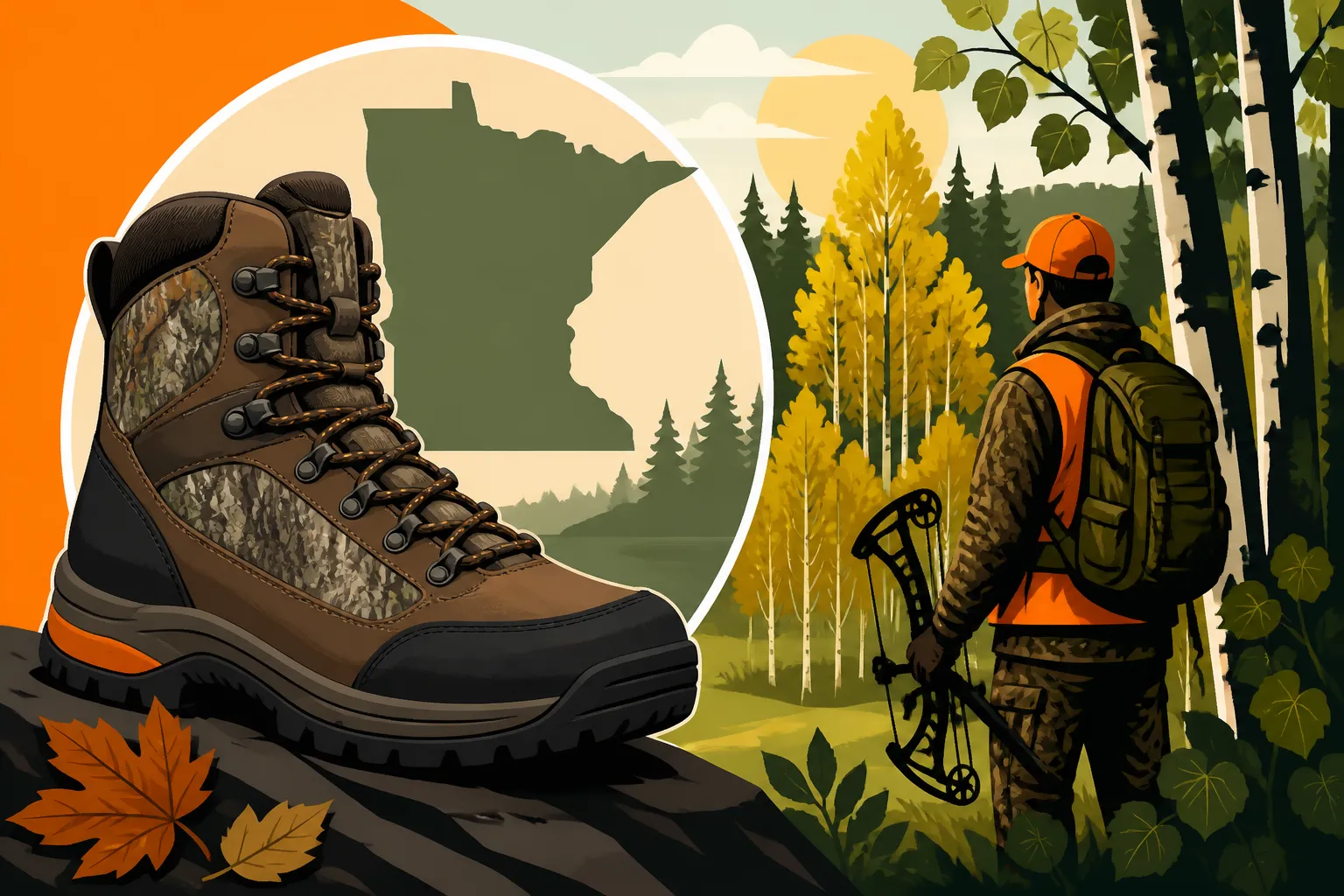
Boots for Walking Minnesota Popple Cuts
There's nothing quite like the relentless challenge of navigating Minnesota's dense popple cuts, especially when it comes to keeping your feet dry, warm, and well-supported. Anyone who's spent a day pushing through those thick, tangled saplings and soggy ground knows the misery of ill-fitting or leaky boots. This guide will walk you through exactly what to look for, and how to pick the perfect footwear to conquer even the nastiest popple stand, ensuring comfort and durability for your hunting adventures.
The Unique Challenges of Minnesota Popple Cuts
Minnesota's popple (aspen) stands, especially those in various stages of regeneration after logging or fire, offer incredible habitat for ruffed grouse, woodcock, and deer. However, for the hunter, they present a gauntlet of environmental challenges that demand specific footwear attributes. It's not just about walking; it's about pushing, climbing over downed logs, slogging through mud, and enduring varied temperatures.
Navigating Dense, Tangled Terrain
Picture this: you're trying to follow a faint grouse trail, or perhaps push through to a deer bedding area you spotted on your GoHunt map. The saplings are so thick you can barely see your feet, let alone the ground. Below, there's a tangled mess of fallen branches, stumps, and often, hidden holes or depressions. This isn't flat, open ground. Your boots need to provide exceptional ankle support to prevent twists and turns on uneven surfaces. A flimsy pair of boots will leave your ankles screaming after just an hour, not to mention the risk of a serious sprain miles from the truck. The constant scraping against rough bark and sharp sticks also puts a premium on durability.
Furthermore, the ground beneath this tangle can be incredibly soft and uneven. Old logging ruts, mossy humps, and areas where trees have recently fallen, exposing root balls, all contribute to a wildly unpredictable walking surface. You're not just moving forward; you're often stepping sideways, high-stepping, and sometimes even crawling. Boots that offer stiff lateral stability, preventing your foot from rolling inside the boot, are paramount here. Without it, you'll be constantly fighting your footwear instead of focusing on the hunt, missing that subtle flush or deer sign.
Conquering Moisture and Mud
Popple cuts are notorious for holding moisture. Even on dry days, the canopy often keeps the ground shaded and damp. After a rain, or during spring and fall melts, these areas become incredibly marshy and muddy. Water can seep in from every angle: over the top of the boot if you step in a puddle too deep, through seams that aren't properly sealed, or from prolonged exposure to wet brush rubbing against the boot's exterior. There's nothing that can cut a hunt short faster than cold, wet feet.
Beyond puddles and saturated ground, consider the dew-soaked underbrush in the mornings, or the heavy snow in late-season hunts. Your boots will be constantly brushing against wet vegetation. This is where truly waterproof membranes shine, acting as a barrier to keep external moisture out while ideally allowing some internal moisture (sweat) to escape. But waterproofing isn't just about the material; it's also about construction. Glued seams, a gusseted tongue, and a proper height are all critical components to keep that water from infiltrating. When the ground turns into a mucky mess, the mud isn't just a nuisance; it's a test of your boot's seals and how well it can shed debris.
Temperature Fluctuations and Insulation Needs
Minnesota's hunting seasons often span a wide range of temperatures. Early fall grouse hunts might be mild, but a late October or November deer hunt in a popple cut can see temperatures drop dramatically, with biting winds. Your boots need to be versatile enough to handle both scenarios, or you'll need different pairs for different seasons. Too much insulation in warm weather leads to sweaty feet and blisters; too little in cold weather leads to frozen toes and misery.
For those deep woods excursions when you're Cold-Weather Sitting Strategy in Minnesota, adequate insulation is a non-negotiable. Popple cuts, while dense, don't always protect you from chilling winds. When you stop moving, your body temperature drops quickly, and your feet are often the first to feel the cold. This is where you might need to consider boot insulation levels, often measured in grams. A common mistake is to over-insulate for active hunts, leading to excessive sweating, which ironically can make your feet colder once you stop moving. Finding that balance, or having different boots for different activity levels and temperatures, is key.
Essential Boot Features for Popple Country Success
Choosing the right boots for hunting Minnesota's popple cuts isn't just about looks or brand names; it's about understanding the practical features that will stand up to the specific demands of this environment. Your feet are your most important tool in the woods, so investing in them wisely pays dividends in comfort and effectiveness.
Uncompromising Waterproofing
This is arguably the most critical feature. As we've established, popple cuts are wet. Period. Your boots absolutely must keep water out. Look for boots that feature a reputable waterproof membrane, such as GORE-TEX or similar proprietary technologies. These membranes are designed with microscopic pores that are too small for water droplets to enter but large enough for water vapor (sweat) to escape. This is crucial for keeping your feet dry from both external sources and internal perspiration.
However, a membrane alone isn't enough. The boot's construction plays a huge role. Look for full-grain leather or durable synthetic uppers that are treated for water repellency. Seams should be minimal and, ideally, sealed. The tongue should be gusseted, meaning it's attached to the boot along its sides, preventing water from seeping in through the lace area when you step into a deeper puddle. A good pair of rubber boots, or rubber bottoms on a hybrid boot, will offer superior waterproofing in truly swampy conditions, often found in low-lying popple alongside alder runs. Remember, a boot might say it's waterproof, but real-world testing in a Minnesota popple cut will quickly reveal the truth. Don't cheap out here; it's worth paying for proven performance.
Superior Ankle Support and Stability
The uneven, tangled nature of popple cuts demands boots that cradle and support your ankles. A twisted ankle deep in the woods is a serious problem. Look for boots with a high cut (typically 8 inches or more) that provides ample support around the ankle bone. The stiffness of the shaft and the lacing system are key here. A well-designed lacing system allows you to cinch the boot down tightly, locking your heel in place and preventing excessive movement that can lead to blisters or instability.
The shank of the boot, often made of steel or nylon, also contributes significantly to stability. A stiffer shank helps distribute pressure and protects your foot from sharp objects, which are abundant in a popple cut. This is particularly important when Hunting Grouse and Woodcock Together where you might be quickly changing direction or stepping over fallen timber. You want a boot that feels like an extension of your leg, not something your foot is flopping around in. While too much stiffness can sometimes feel restrictive, in truly challenging terrain, that rigidity is your friend. Many hunters find that a stiffer sole, even one that feels a bit less "flexible" initially, provides better all-day comfort and stability when navigating highly uneven ground.
Aggressive Traction and Outsole Design
Walking over slick, mossy logs, through wet leaves, or across muddy patches requires an outsole designed for grip. Look for boots with deep, multi-directional lugs that can dig into soft earth, mud, and snow. The rubber compound of the outsole also matters; some compounds offer better grip in cold, wet conditions. Avoid boots with shallow, smooth treads, as these will turn into ice skates in challenging conditions.
Consider the pattern of the lugs – widely spaced lugs tend to shed mud better, preventing your treads from caking up and losing their effectiveness. Some boots incorporate different rubber densities in various parts of the sole for optimal grip and durability. A good outsole will not only prevent slips and falls but also provide a stable platform for every step, reducing fatigue over a long day. If you're frequently encountering steep, muddy banks or slippery slopes within these cuts, prioritizing a boot with a strong heel brake and aggressive perimeter lugs will make a noticeable difference in your confidence and safety. Checking reviews, perhaps even on sites like GoHunt, often gives insights into how well different boot outsoles perform in real-world messy conditions.
Durability for the Long Haul
Popple cuts are tough on gear. Your boots will be scraped, poked, and generally abused. Cheap materials simply won't last. Invest in boots made from high-quality, full-grain leather, thick synthetics like Cordura, or robust rubber. Reinforced toe caps and heel counters are a huge plus, protecting your feet and preventing premature wear. Double-stitched seams are also a good indicator of quality construction.
Think about the longevity of the hardware too. Metal eyelets and lace hooks are generally more durable than plastic. The rand, or protective rubber strip often found around the base of the boot, helps immensely in preventing abrasions where the sole meets the upper. While a lighter boot might feel great at first, one that uses flimsy materials will quickly break down when exposed to the constant friction and impact of thick brush and sharp sticks. A durable boot isn't just an investment in a piece of gear; it's an investment in uninterrupted hunts and peace of mind.
Choosing Your Popple Cut Boot Material
The material composition of your hunting boots plays a massive role in their performance, especially when tackling the varied conditions found within Minnesota's popple cuts. Each material type has its own strengths and weaknesses, making the choice dependent on your primary hunting style and the specific challenges you anticipate.
Rubber Boots: The Waterproof Workhorses
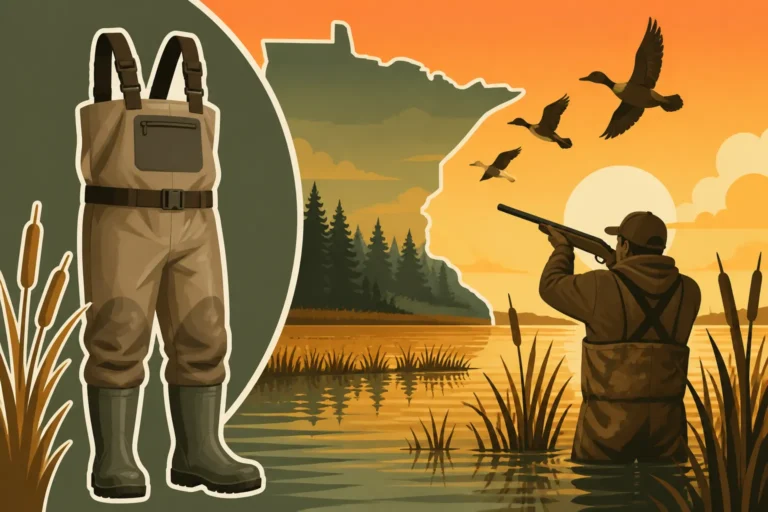
When maximum waterproofing is your absolute priority, especially in notoriously wet and muddy popple cuts, rubber boots are hard to beat. They offer complete, seam-free protection from water, making them ideal for slogging through standing water, crossing shallow creeks, or dealing with heavy dew and persistent rain. Many hunters prefer rubber boots for their scent-containment properties, as rubber doesn't absorb human scent like other materials, which can be a real advantage when deer hunting in these thick areas.
However, rubber boots come with trade-offs. They generally offer less ankle support than traditional lace-up boots, which can be a concern on very uneven terrain. Breathability is also limited, leading to sweaty feet in warmer conditions, which can then get cold when temperatures drop. To combat this, many manufacturers now offer insulated rubber boots, measured in grams of Thinsulate or similar materials, and some feature moisture-wicking liners. They also tend to be less comfortable for long walks compared to leather or synthetic boots, often feeling heavier and less flexible. When Hunting the Minnesota Rut in Early November or Hunting Minnesota Cattail Sloughs for Deer, where extreme wetness is common, rubber boots are often the go-to.
| Feature | Rubber Boots | Leather/Synthetic Hybrid Boots |
|---|---|---|
| Waterproofing | Excellent (often 100% due to seamless construction) | Very Good (with quality membrane & treatment) |
| Ankle Support | Fair to Good (varies by model, often less) | Excellent (lace-up design, stiff uppers) |
| Traction | Good to Excellent (aggressive outsoles available) | Excellent (aggressive outsoles, varied compounds) |
| Durability | Good (can be prone to punctures, but tough) | Excellent (full-grain leather is very durable) |
| Breathability | Poor | Good (with waterproof/breathable membranes) |
| Comfort for Miles | Fair to Good (can be heavy, less flexible) | Excellent (conforms to foot, good cushioning) |
| Scent Control | Excellent | Fair to Good (absorbs some scent over time) |
| Typical Use Case | Extremely wet conditions, still-hunting, cold sits | Active hunting, varied terrain, all-season flexibility |
Leather and Synthetic Hybrid Boots: The All-Arounders
For many hunters, a quality pair of leather or synthetic hybrid boots offers the best balance of features for navigating popple cuts. Full-grain leather is incredibly durable, molds to your foot over time for custom comfort, and, when properly treated, offers excellent water resistance. Paired with synthetic panels like Cordura or nylon, these boots can be lighter and more breathable than full-leather options, without sacrificing too much durability. Most high-quality hybrid boots will incorporate a waterproof/breathable membrane to ensure dry feet.
The key advantage here is superior ankle support and comfort for longer walks. The lacing system allows for a snug, customized fit, which is crucial for stability on uneven ground. While they might not offer the absolute waterproof submersion protection of a rubber boot, a well-made hybrid boot will handle heavy dew, rain, and shallow puddles with ease. They are also generally more breathable, reducing sweat buildup. However, they require more care than rubber boots, needing regular cleaning and conditioning to maintain their waterproofing and longevity. Many avid upland bird hunters who spend countless hours in popple for Grouse Hunting Minnesota Aspen Cover or Woodcock Hunting Minnesota Alder Runs swear by these types of boots for their blend of support, durability, and comfort. Always make sure to try them on with the type of socks you'd actually wear hunting, especially if you get your gear through a resource like GoHunt that offers robust product details.
Insulated vs. Uninsulated: Tailoring to the Season
Once you've decided on the material, the next big consideration is insulation. Uninsulated boots are ideal for early season hunts when temperatures are mild. They offer maximum breathability and prevent your feet from overheating and sweating excessively. Many hunters will pair uninsulated boots with a layering system of socks – a thin liner sock to wick moisture, and a thicker wool blend sock for cushioning and warmth as needed. This allows for greater adaptability to changing temperatures.
As the season progresses into late fall or early winter, especially when you're facing crisp mornings and potentially deep snow while Hunting Deer in Deep Northern Minnesota Snow, insulated boots become a necessity. Insulation is typically measured in grams (e.g., 200g, 400g, 800g). For active hunting where you're constantly moving, 200-400 grams might be sufficient, as your body generates its own heat. For stand hunting or more sedentary pursuits in colder temperatures, 600 grams or more might be warranted. It's a delicate balance; too much insulation can lead to sweaty feet, which ironically get colder when you stop moving. Consider the coldest temperatures you expect to hunt in, and err on the side of slightly more insulation if you tend to get cold feet. Having options allows you to tailor your footwear to the specific conditions, ensuring comfort no matter what Minnesota throws at you.
Longevity and Care: Making Your Investment Last
You’ve invested time, thought, and hard-earned money into finding the perfect boots for trudging through Minnesota’s demanding popple cuts. Now, the next step is ensuring they last, protecting your feet and your investment for many seasons to come. Proper care and maintenance are not just suggestions; they are crucial practices that extend the life and performance of your hunting footwear. Neglecting your boots will inevitably lead to premature wear, loss of waterproofing, and ultimately, cold, wet feet.
Cleaning and Drying Your Boots Properly
After every hunt, especially one through muddy or wet popple, your boots will be caked with dirt, mud, and debris. Don't just throw them in the back of the truck. Take a moment to clean them. Use a stiff brush or old toothbrush to remove loose dirt from the uppers and, critically, from the outsoles. Mud packed into the lugs can significantly reduce traction, making your next outing more treacherous. For stubborn mud, a gentle rinse with water is fine, but avoid harsh detergents or scrubbing too vigorously, especially on treated leather or synthetic fabrics, as this can strip away water-repellent coatings.
Once clean, proper drying is paramount. Never dry your boots next to a direct heat source like a campfire, radiator, or wood stove. High heat can damage waterproofing membranes, shrink leather, and delaminate glues, effectively ruining your boots. Instead, remove the insoles to allow for better air circulation and stuff the boots with newspaper or paper towels to absorb internal moisture. Place them in a well-ventilated area, at room temperature, and allow them to air dry completely. This might take 24-48 hours. Using a boot dryer with gentle, circulating air is an excellent investment for hunters who are out frequently, ensuring your boots are ready and fresh for the next adventure. This step is particularly important when Keeping a Muzzleloader Dry in Lake-Effect Snow as wet gear is a constant battle.
Conditioning and Re-Waterproofing
Leather boots, in particular, need regular conditioning to prevent drying, cracking, and loss of flexibility. Once your leather boots are clean and thoroughly dry, apply a high-quality leather conditioner or boot wax. This replenishes the natural oils in the leather, keeping it supple and helping to maintain its water resistance. How often you condition depends on how frequently you wear them and the conditions you hunt in, but generally, a few times per season or after particularly wet or harsh hunts is a good guideline.
For all types of waterproof boots, the exterior Durable Water Repellent (DWR) coating will eventually wear off, even with boots featuring GORE-TEX or similar membranes. You'll notice this when water no longer beads up and rolls off the surface but instead soaks into the outer fabric. When this happens, it's time to reapply a DWR treatment. There are many spray-on or wash-in products available specifically designed for technical footwear. Follow the product instructions carefully. Regularly restoring the DWR will help the waterproof membrane do its job more effectively by preventing the outer material from becoming saturated, which can make boots feel heavier and colder. Finding advice on products and application methods can often be done through outdoor gear sites or forums, much like those associated with a platform like GoHunt.
Smart Storage and Pre-Season Checks
When the hunting season is over and your boots are cleaned, dried, and conditioned, store them properly. Keep them in a cool, dry place away from direct sunlight and extreme temperatures. Avoid storing them in plastic bags, which can trap moisture and encourage mildew growth. Ensure they retain their shape by stuffing them with newspaper or using boot trees.
Before the next season begins, give your boots a thorough inspection. Check the integrity of the seams, look for any cracks or punctures in the rubber, examine the laces for fraying, and assess the wear on the outsole. Is the tread still deep enough for reliable traction? Are there any spots where the upper is separating from the sole? Addressing small issues early can prevent them from becoming major problems in the field. Replacing worn laces, for example, is a simple fix that can prevent an unexpected failure. A small tear in rubber can often be patched, while a delaminated sole might require professional repair or signal it's time for a new pair. Paying attention to these details will ensure your boots are always ready to face the demands of Hunting Minnesota's Long Archery Season or Pheasant Hunting Minnesota Farmland with confidence.
Disclaimer
This article is for general informational purposes only and does not constitute professional advice. Laws, prices and regulations vary by location and change over time. Consult a qualified professional for guidance on your specific situation.