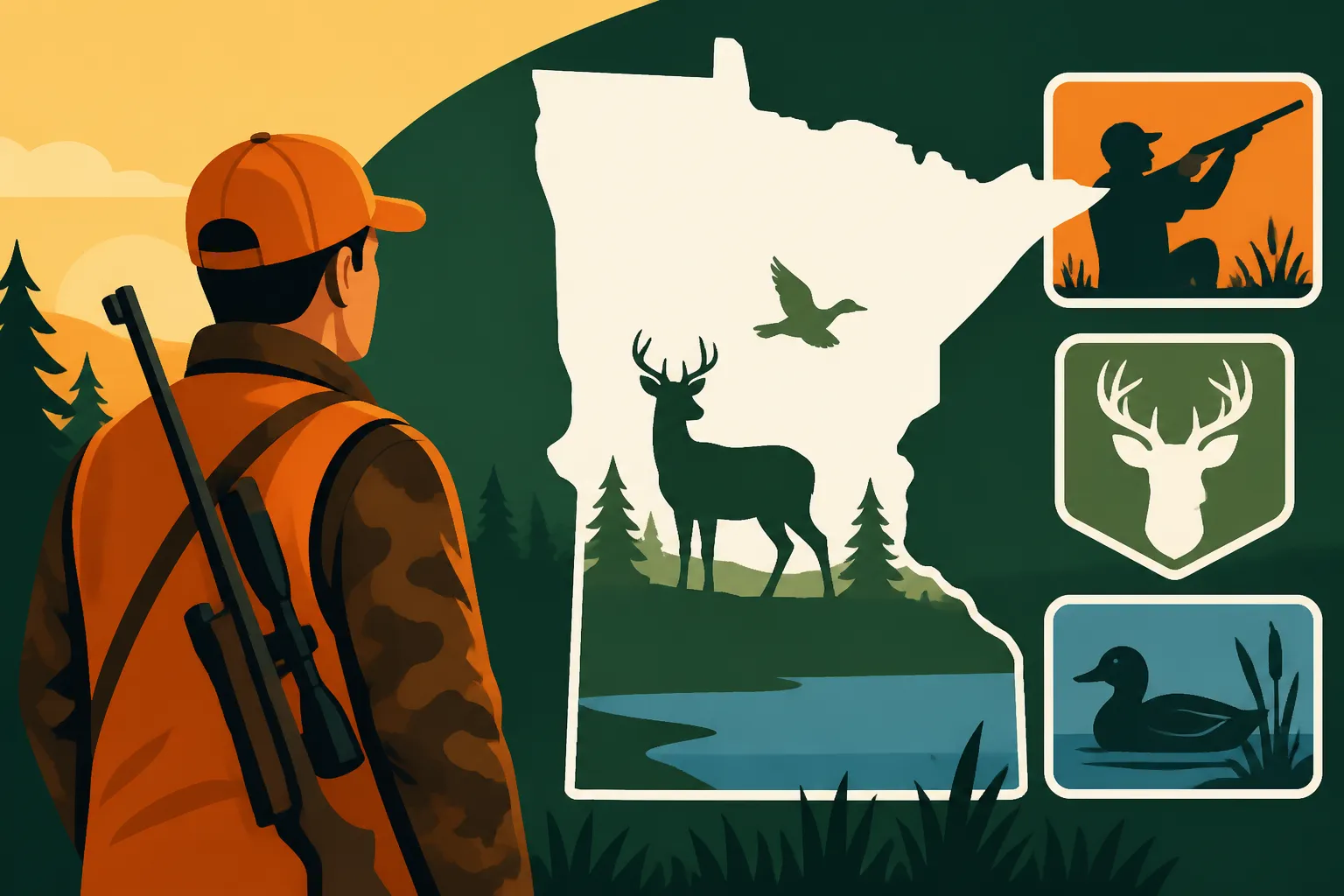
Minnesota Nonresident Hunting License Options
So, you're dreaming of a Minnesota hunting adventure, maybe chasing those elusive whitetails in the big woods or flushing pheasants across our sweeping prairies, but you're from out of state. It can feel like wading through a marsh of regulations and license types just to figure out where to start. Trust me, I get it; the paperwork and planning alone can be enough to make you consider just staying home. But don't let that initial hurdle dampen your spirits! This comprehensive guide is here to break down the ins and outs of Minnesota's nonresident hunting license options, making it as clear as a crisp autumn morning so you can focus on the hunt, not the hassle.
Understanding the Basics: Why Minnesota Is a Draw for Nonresidents
Minnesota truly is a gem for hunters, offering incredible diversity from north to south. We boast vast tracts of public land, robust populations of popular game animals, and distinct hunting experiences that are hard to find elsewhere. But for those coming from outside the Gopher State, the process of understanding which licenses you need, how much they cost, and when to apply can feel like trying to track a mature buck through a blizzard. It's a common frustration, and you're certainly not alone in feeling a bit overwhelmed at first glance.
The Allure of Minnesota's Diverse Landscapes
From the dense, coniferous forests of the north, home to massive timber bucks and ruffed grouse, to the patchwork of farmlands and wetlands in the south and west that teem with pheasants and waterfowl, Minnesota offers a smorgasbord of hunting opportunities. Imagine the crisp morning air as you pursue a wild turkey in our burgeoning populations, or the thrill of calling coyotes across a frozen winter landscape. Our state truly holds something for every type of hunter. Nonresidents often come for a specific experience, whether it's the legendary whitetail hunting in zones like the 100 Series Firearm Deer Zone or the incredible waterfowl hunting that puts Minnesota squarely on the Mississippi Flyway. That allure, however, comes with its own set of administrative complexities.
Initial Hurdles for Out-of-State Hunters
The biggest hurdle for many nonresidents isn't necessarily the cost, but the sheer volume of information to sift through. Each game species has its own season dates, license requirements, and sometimes even permit area restrictions. Add in the need for various stamps – like the Minnesota Pheasant Stamp Requirement or the Minnesota Migratory Bird Stamp Cost – and it can quickly become a tangled web. You might be accustomed to a simpler system in your home state, and Minnesota's detailed approach, while designed to manage our resources effectively, can definitely be a bit of a shock. It's important to remember that these regulations are in place to ensure sustainable hunting for everyone, but getting to grips with them is your first big challenge.
Navigating the Online System and DNR Resources
Thankfully, the Minnesota Department of Natural Resources (DNR) has made significant strides in streamlining the licensing process through their eLicense system. While it can still feel a bit clunky, it's generally where you'll go to purchase most of your licenses and apply for lotteries. Many hunters, especially those new to the state, also find tremendous value in online mapping tools like the Minnesota Recreation Compass App, which can help visualize public lands and navigate boundaries. Services like GoHunt are also becoming invaluable for nonresidents, offering curated information and application strategies that cut through the noise, helping you understand your odds and optimize your hunt planning by providing detailed data on license types, draw odds, and unit breakdowns.
General Nonresident License Requirements and Costs
Before you even think about which game animal you're targeting, there are some fundamental licenses and requirements every nonresident hunter needs to understand. It's like the foundation of a good treestand setup – you don't want to skip these essential steps, or your whole season could come crashing down. These basic licenses are your entry ticket to hunting in Minnesota and often serve as prerequisites for more specific game tags.
Annual Small Game License and Associated Stamps
For many nonresident hunters, especially those looking to pursue upland birds, waterfowl, or even just small game like rabbits and squirrels, the starting point is the Minnesota Nonresident Small Game License Cost. This license typically covers a wide array of species, but it's crucial to understand that it's often not enough on its own. For instance, if you plan to hunt pheasants, you'll almost certainly need to purchase a separate pheasant stamp. Similarly, migratory bird hunters will need both a federal duck stamp (available at post offices or through the U.S. Fish and Wildlife Service) and the state migratory bird stamp, along with proof of HIP (Harvest Information Program) certification. These additional stamps directly contribute to habitat conservation, so while they add to the cost, they're vital investments in the future of hunting.
Here's a quick look at some common nonresident license types and their typical costs (note: prices can change annually, so always check the DNR website for the most current information):
| License Type | Estimated Nonresident Cost (Annual) | Validity Period | Primary Game Covered (Base) | Additional Stamps/Permits Often Required |
|---|---|---|---|---|
| Small Game | $100-$120 | Calendar Year | Upland Birds, Small Game | Pheasant Stamp, Migratory Bird Stamp |
| Deer (Archery/Firearm/Muzzle) | $180-$200 | Specific Season | Deer | Antlerless Permit (Lottery/Bonus) |
| Turkey (Spring/Fall) | $90-$100 | Specific Season | Turkey | Lottery application for specific periods |
| Bear | $220-$250 | Specific Season | Bear | Lottery application |
| Waterfowl | Covered by Small Game | Calendar Year | Ducks, Geese | Federal Duck Stamp, Migratory Bird Stamp, HIP |
Disclaimer: These costs are estimates and subject to change by the Minnesota DNR. Always verify current prices on the official DNR website or through their authorized vendors.
Hunter Safety and Age Requirements
Just like in your home state, Minnesota takes hunter safety seriously. If you were born after December 31, 1979, and are 12 years of age or older, you must possess a valid firearms safety certificate or a hunter education card to purchase a hunting license. This isn't just a recommendation; it's a legal requirement. The good news is that certificates from other states are generally recognized, so if you've already completed a course elsewhere, you should be all set. For younger hunters, Minnesota offers a fantastic Mentored Youth Hunting Rules program, which allows youth under certain ages to hunt without a firearms safety certificate, provided they are accompanied by a licensed adult mentor who meets specific criteria. It's a great way to introduce the next generation to our hunting heritage safely.
The eLicense System and Proof of Purchase
When you buy your Minnesota Nonresident Hunting License Options, whether it's a general small game license or a specific deer tag, it will typically be done through the DNR's eLicense system, either online or at a licensed vendor. Once purchased, you are required to carry proof of your license with you while hunting. This can be a physical copy, or increasingly, a digital copy on your phone. However, if you choose the digital route, always make sure your phone is charged and protected from the elements, especially when deep in the woods or far from service. There's nothing worse than a dead battery when a conservation officer asks to see your license. This seamless digital integration is one of the many benefits that services like GoHunt leverage to help you manage your hunting portfolio and stay compliant with various state regulations, making the process of Buying a Minnesota License on eLicense much smoother.
Specific Nonresident Deer Hunting Licenses
Deer hunting is, without a doubt, the biggest draw for many nonresident hunters in Minnesota. Our state offers varied deer habitats and hunting opportunities, from the dense northern forests where a mature buck might only show himself for a fleeting moment, to the agricultural lands of the south where deer often utilize standing corn or cattail sloughs for cover. Understanding the specific nonresident deer license options is critical, as they differ based on weapon type and the permit area you plan to hunt.
Understanding the Nonresident Deer License Structure
Unlike some states that have a single, all-encompassing deer tag, Minnesota's deer hunting licenses are often broken down by weapon type (archery, firearm, muzzleloader) and further refined by permit area regulations. For nonresidents, this means careful planning is essential. You can't just buy a general "deer license" and expect it to cover everything. You'll need to select the license that aligns with your preferred hunting method and the specific regulations of the deer permit area (DPA) you intend to hunt. This level of detail helps the DNR manage local deer populations effectively and ensure good hunting opportunities. It’s a good idea to research the various Minnesota Deer Seasons and Permit Areas well in advance.
Archery, Firearm, and Muzzleloader Options
Nonresidents have access to the same weapon-specific seasons as residents, each with its own unique challenges and rewards:
- Archery Season: If you're an archery enthusiast, you'll be happy to know that Minnesota's Archery Season Dates often run for an extended period, starting in mid-September and stretching well into December. This gives bowhunters plenty of opportunities, including the chance to hunt during the early pre-rut and the prime rut periods. The nonresident archery license allows you to pursue deer with a vertical bow or a crossbow (provided you meet the Minnesota Crossbow Rules During Archery Season).
- Firearm Season: The firearm season is usually the most popular, and for nonresidents, it involves choosing a license that corresponds to the specific zone or permit area you'll be hunting. With Minnesota's New Statewide Rifle Rules, many areas that were previously shotgun-only now allow rifles, which has opened up new possibilities for hunters. However, there are still Which Thirteen Counties Kept Shotgun-Only Rules, so always double-check your intended hunting location. Licenses for firearm season are typically categorized by the 100, 200, and 300 series permit areas, each with slightly different season structures.
- Muzzleloader Season: For those who enjoy the challenge and tradition of black powder hunting, Minnesota offers a dedicated muzzleloader season, usually in late November and early December, after the main firearm season. This can be a fantastic time to hunt, often with snow on the ground, making tracking easier. A nonresident muzzleloader license is required for this specific season, allowing you to participate in Muzzleloader Tactics in December Cold during colder weather conditions.
Antlerless Lottery and Bonus Tags for Nonresidents
This is where it can get a little tricky for nonresidents. Many of Minnesota's deer permit areas operate under a lottery system for antlerless deer permits. This means that to harvest an antlerless deer (a doe or fawn), you might need to apply for and draw an antlerless permit for your chosen DPA. The Antlerless Lottery Deadline in Minnesota is typically in early September, so planning ahead is absolutely crucial.
Nonresidents can participate in these lotteries, but often with lower draw odds compared to residents, especially in popular permit areas. Some permit areas are designated as "hunter choice," allowing hunters to take either an antlered or antlerless deer on their base license without a lottery, or "managed/intensive," which allow for bonus antlerless tags to be purchased over the counter without a lottery after a certain date, helping hunters fill their freezers. It's vital to research the specific DPA you're interested in through the DNR's website or with resources like GoHunt, which can provide detailed draw odds and unit information for Can Nonresidents Hunt Minnesota Antlerless Lottery Areas?. This way, you can strategically plan where you might have the best chance to draw an antlerless tag or where you can simply purchase a bonus tag if you already have a buck tag.
Nonresident Waterfowl and Upland Bird Opportunities
Beyond deer, Minnesota is a waterfowl hunter's paradise and offers exceptional upland bird hunting. If you're traveling from out of state to experience our duck blinds or chase pheasants, there are specific licenses and stamps you'll need to make sure you're legal and compliant.
Waterfowl Licenses, Stamps, and HIP Certification
For nonresident waterfowl hunters, the basic Minnesota Nonresident Small Game License Cost is your entry ticket. However, that's just the beginning. To hunt migratory waterfowl (ducks, geese, coots, and mergansers), you'll also need:
- Federal Duck Stamp: This is a federal requirement for all waterfowl hunters 16 years of age or older across the U.S.
- Minnesota Migratory Waterfowl Stamp: A state-specific stamp dedicated to waterfowl conservation in Minnesota.
- HIP (Harvest Information Program) Certification: This free certification is required annually by the U.S. Fish and Wildlife Service and helps collect harvest data. You'll typically complete this when you purchase your small game license.
Without all three of these, you're not legally permitted to hunt ducks or geese in Minnesota. Be sure to check the Minnesota Waterfowl Zones and Seasons for specific dates and bag limits, as they can vary by zone within the state. Our rich network of lakes, rivers, and potholes makes for incredible hunting, but a conservation officer will expect to see all your paperwork in order.
Upland Bird Hunting: Pheasants, Grouse, and Woodcock
Minnesota offers fantastic opportunities for upland bird hunters. For pheasants, you'll need the Minnesota Nonresident Small Game License and the Minnesota Pheasant Stamp Requirement. The prime pheasant hunting generally occurs in the southwestern and west-central parts of the state, in our rich agricultural country. For grouse and woodcock, often found in the northern forests, only the nonresident small game license is typically required. The Minnesota Grouse and Woodcock Seasons are known for their strong cycles, especially for ruffed grouse, making it a highly anticipated season for many. Whether you're working a shelterbelt for roosters or pushing through aspen cuts for grouse, having your small game license and any necessary stamps squared away is paramount.
Early Seasons and Special Migratory Bird Rules
Minnesota has several early seasons that are incredibly popular with nonresidents, especially for migratory birds. The Minnesota Early Teal Season Dates in September offer a fast-paced hunt before the general duck season opens. Similarly, the Minnesota Early Goose Season Dates provides an opportunity to target resident goose populations. These early seasons often have specific regulations and bag limits, so it's critical to review the DNR's migratory bird hunting regulations each year. Pay close attention to legal shooting hours, ammunition requirements (nontoxic shot is mandatory for all waterfowl and certain upland areas), and bag limits for different species, which can vary widely.
Other Game: Bear, Turkey, and Small Game for Nonresidents
While deer and waterfowl might steal the spotlight, Minnesota also offers exciting opportunities for nonresidents to hunt bear, turkey, and a variety of small game animals. Each of these pursuits has its own unique licensing structure and challenges, often involving a lottery system or specific season dates.
The Minnesota Bear Lottery and Permit Areas
Bear hunting in Minnesota is a highly sought-after experience, and for nonresidents, it's primarily a lottery-based system. To hunt black bears, you'll need to apply for a permit in one of Minnesota's Fifteen Bear Permit Areas. The Minnesota Bear Lottery Application Deadline is typically in early May, so this is another hunt that requires significant advance planning. Nonresidents compete for a limited number of permits, so drawing a tag can be challenging, but the reward of hunting a Minnesota black bear is immense. Services like GoHunt provide valuable insights into application strategies and draw odds for these highly competitive permits, helping nonresidents make informed decisions. If you're fortunate enough to draw a tag, be sure to familiarize yourself with Baiting Bears in Minnesota's Forest Zone if you plan to utilize that method, as there are strict regulations regarding baiting.
Spring and Fall Turkey Hunting Considerations
Minnesota's wild turkey populations have made an incredible comeback, offering fantastic hunting opportunities for both spring and fall seasons. For nonresidents, the Minnesota Spring Turkey License Cost is separate from other licenses, and spring hunting is typically managed through a lottery system for specific time periods within various zones. You apply for a particular period (e.g., A, B, C, D, E, F, G) and zone. Fall turkey hunting, however, is generally available over the counter without a lottery in many areas. Regardless of the season, understanding the Minnesota Spring Turkey Zones and Periods and the Minnesota Fall Turkey Season Rules is paramount. Calling a Minnesota gobbler off the roost or breaking up a fall flock offers a thrilling experience for nonresident hunters.
Nonresident Small Game: Rabbits, Squirrels, and More
Beyond the major game species, Minnesota offers a wealth of small game hunting that can be incredibly rewarding, especially for those looking to extend their time in the woods or introduce new hunters to the sport. With the basic Minnesota Nonresident Small Game License, you can pursue:
- Rabbits and Hares: Our state has good populations of cottontails and snowshoe hares. Rabbit Hunting Thick Minnesota Brush can be a blast, especially in winter when tracks are easy to follow and the landscape is stripped down.
- Squirrels: Both gray and fox squirrels are abundant, particularly in our hardwood forests. Squirrel Hunting a Minnesota Oak Ridge is a classic pursuit, requiring patience and keen eyes.
- Coyotes and Fox: These predators can be hunted year-round without a specific license beyond the small game license, making Coyote Calling in a Minnesota Winter a popular pastime for those looking for an exciting challenge during the colder months.
These small game opportunities are often overlooked but provide excellent chances for nonresidents to enjoy Minnesota's wild places without the intense planning and lottery requirements of big game.
Important Considerations and Common Pitfalls
Even with your licenses in hand, there are still a few critical considerations and potential pitfalls that nonresident hunters often encounter. Being aware of these can save you a lot of headaches, potential fines, and ensure a smooth, enjoyable hunting trip to Minnesota.
Application Deadlines and Planning Ahead
The single biggest mistake nonresidents make is missing application deadlines. For lottery hunts like deer antlerless permits, bear, and spring turkey, missing the deadline means you're out of luck for that year. The application windows are strict and non-negotiable. This is where meticulous planning, often starting months in advance, becomes absolutely crucial. Utilize calendars, set reminders, and consider using platforms like GoHunt that specialize in tracking application deadlines across multiple states, ensuring you don't miss out on vital opportunities to apply for Minnesota Bear Lottery and Permit Areas or the Antlerless Lottery Deadline in Minnesota. Seriously, mark those dates!
CWD Zones and Carcass Movement Restrictions
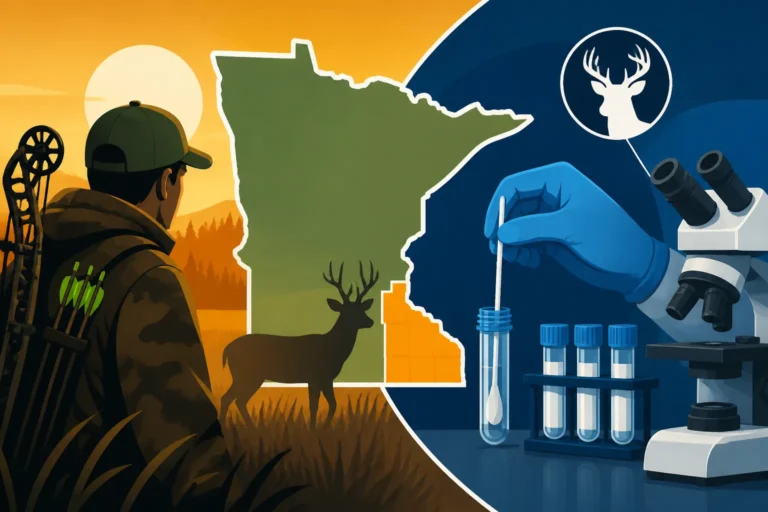
Chronic Wasting Disease (CWD) is a serious concern for deer, elk, and moose populations, and Minnesota has implemented significant regulations to help control its spread. For nonresident hunters, this means you need to be acutely aware of CWD Management Zones in Minnesota. If you harvest a deer within a CWD management or surveillance zone, there will be strict rules regarding how you can process and transport that animal out of the zone, and especially out of state. Generally, only deboned meat, skull caps, antlers, hides, and taxidermy mounts are allowed to leave CWD zones. Whole carcasses, spinal columns, and brains are usually prohibited. You'll also need to be aware of Minnesota Carcass Movement Restrictions and any mandatory CWD testing requirements in specific areas. Always check the current year's regulations on the DNR website for the most up-to-date information before you hunt.
Public Land Access and Regulations for Nonresidents
Minnesota boasts a vast amount of Public Hunting Land in Minnesota, including Wildlife Management Areas (WMAs), State Forests, and National Forests like the Superior and Chippewa. Nonresidents have the same access rights to these lands as residents, which is fantastic. However, each type of public land can have slightly different regulations regarding vehicle access, camping, treestand placement, and the use of trail cameras. For instance, while treestands are generally allowed on public land, they often need to be removed at the end of the season, and damaging trees is prohibited. Before venturing out, it's wise to research the specific rules for the type of public land you'll be hunting. Tools like the Scouting With the Minnesota Recreation Compass App can be invaluable for identifying land ownership and boundaries, helping you avoid accidental trespass and ensuring a legal and ethical hunt.
Disclaimer
Please remember that hunting regulations, license costs, and season dates are subject to change annually by the Minnesota Department of Natural Resources (DNR). While this guide provides comprehensive information, it is always your responsibility to consult the most current official Minnesota DNR hunting regulations and statutes before planning and undertaking any hunting activities. This content is for informational purposes only and should not be considered legal advice.