When Southeast Minnesota Enters CWD Testing
The fear and uncertainty surrounding Chronic Wasting Disease (CWD) are real for hunters across Minnesota, especially when it comes to understanding where and when mandatory testing might hit next. It can feel like a moving target, trying to keep up with the Minnesota Department of Natural Resources (DNR) regulations and figure out how it impacts your hunting plans. This guide is here to demystify the CWD testing schedule specifically for Southeast Minnesota, giving you a clear picture of what to expect and how to prepare.
Understanding Minnesota's CWD Testing Rotation
For years, CWD has been a growing concern, and managing it effectively requires a proactive approach from wildlife agencies. The disease, which is always fatal to deer, elk, and moose, has unfortunately established a foothold in various parts of Minnesota, making robust surveillance crucial. However, testing every single harvested deer statewide every year would be an enormous, costly, and logistical undertaking. That's why the Minnesota DNR employs a strategic, rotational system.
Why the DNR Uses a Quadrant System
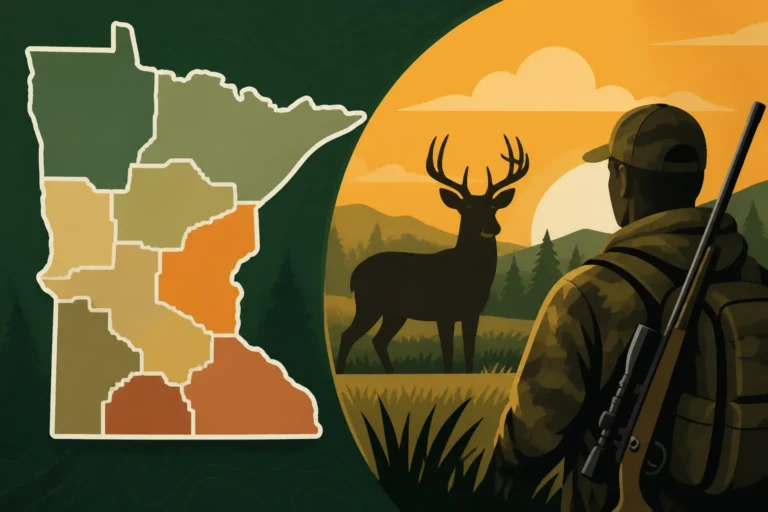
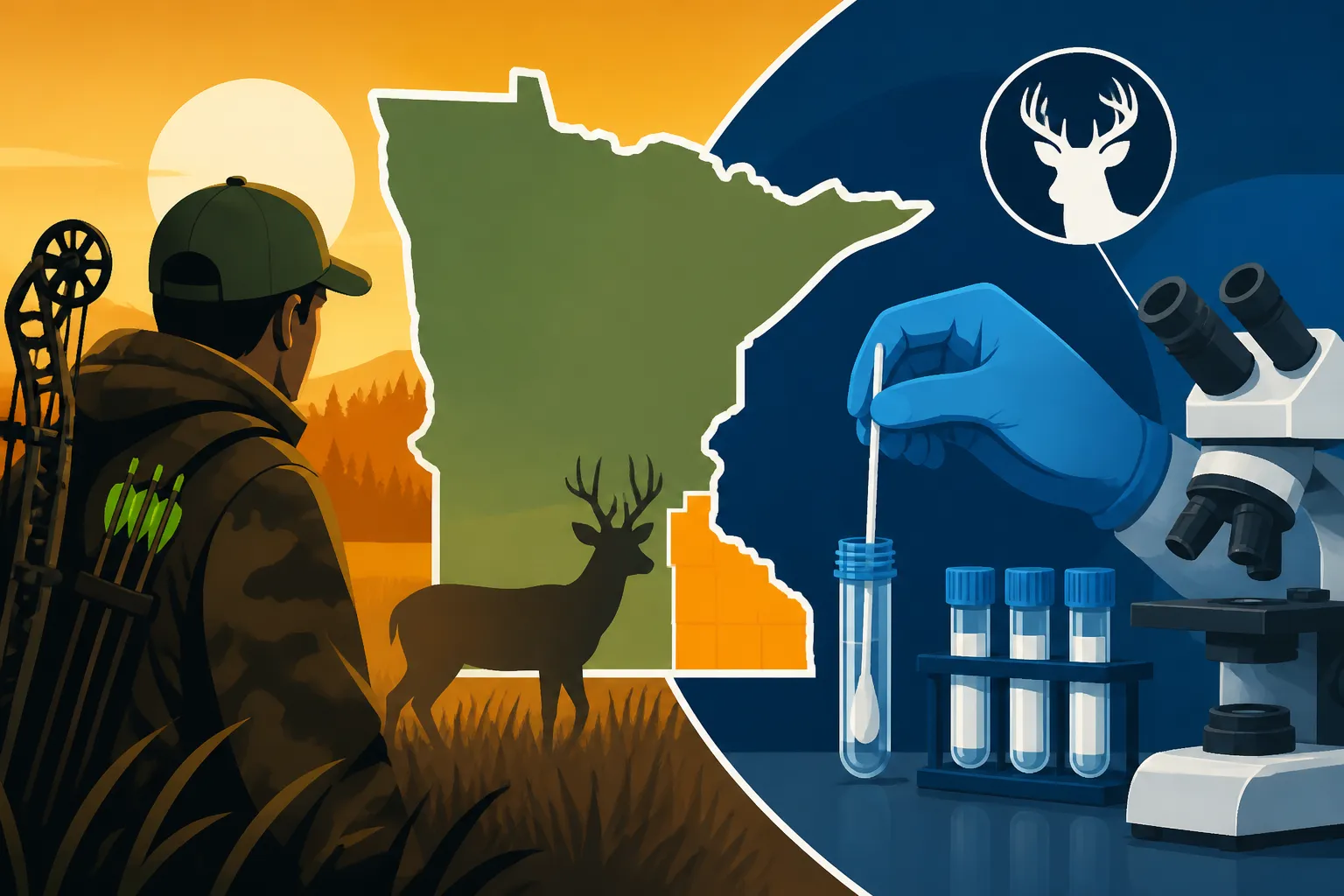
Imagine the sheer volume of deer harvested annually across our great state – it's thousands upon thousands! Collecting and processing CWD samples from every single one would overwhelm resources and laboratories. To address this, the DNR developed a four-year CWD testing rotation strategy, dividing the state into four distinct quadrants. This phased approach allows the DNR to focus intensive testing efforts on one specific quadrant each year while maintaining surveillance in others. It's a pragmatic way to monitor the disease's spread and prevalence without making the entire process unmanageable for both the agency and, critically, for hunters. This systematic approach helps pinpoint new areas of concern and tracks the disease in established CWD zones, which are predominantly found in areas like our beloved Southeast Minnesota bluff country.
The Four-Year Cycle and Its Implications
The four-year cycle means that while certain areas are under mandatory testing, others are not. This doesn't mean CWD isn't a concern in those "off-cycle" areas; it simply means the primary, mandatory surveillance focus shifts. The quadrants are generally defined by major geographic features, such as highways or rivers, creating easily identifiable boundaries for hunters to understand. For instance, one year might focus on the northwest, the next on the northeast, and so on. This rotation is designed to give a comprehensive snapshot of CWD prevalence over time, building a clearer picture of the disease's trajectory. Hunters need to pay close attention to which quadrant is "up" for mandatory testing each season, as it directly affects their responsibilities after harvesting a deer. It's not just about knowing the general season dates; it's about understanding the nuances of the game management efforts in place. This includes staying up-to-date with official DNR announcements, which are often communicated through their website and various hunting forums. For comprehensive details, you can always refer to the DNR's official guide on Minnesota's Four-Year CWD Testing Rotation.
Southeast Minnesota's Specific CWD Testing Schedule
Now, let's get down to the brass tacks for those of us who spend our autumn days navigating the rugged hills and river bottoms of Southeast Minnesota. This region has unfortunately been a hotspot for CWD detections, which means hunters here often face stricter regulations and more frequent testing requirements.
The 2026 Testing Period for the Southeast Quadrant
For hunters who call the rolling hills and deep valleys of Southeast Minnesota their hunting grounds, mark your calendars: Southeast Minnesota is scheduled for a mandatory CWD testing period in 2026. This means that during the firearm deer season in 2026, all deer harvested within the designated permit areas in the southeast quadrant will require mandatory CWD sampling. This is not a suggestion; it's a requirement to help the DNR monitor and manage the disease.
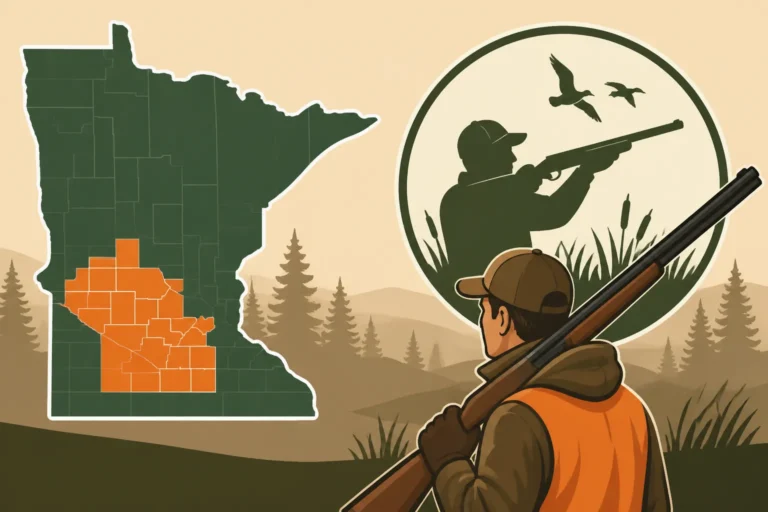
"Mandatory" testing means that if you harvest a deer in one of these specified permit areas during the firearm season, you must submit the head for CWD sampling. This typically involves bringing your deer, or at least its head, to a designated CWD sampling station. These stations are often set up at convenient locations like local bait shops, meat processors, or specific DNR offices. The exact boundaries of the "southeast quadrant" for testing purposes are clearly outlined by the DNR each year, usually encompassing a broad swathe of counties, including those that have historically seen CWD detections such as Fillmore, Houston, Olmsted, and Winona counties, among others. Hunters really need to confirm their specific permit area and county to ensure they comply. Many hunters use apps like GoHunt to keep track of these boundaries, finding it a convenient way to cross-reference their location with the current regulations.
How Mandatory Testing Impacts Hunters
When mandatory testing is in effect, it changes your post-harvest routine considerably. Gone are the days of just tagging and heading straight to the processor without another thought. Here’s a breakdown of what you can expect:
First, registration is still key. After harvesting your deer, you'll register it as usual, whether online, by phone, or at a station. But then comes the CWD testing step. You'll need to transport the deer's head, or the entire carcass, to a designated CWD sampling station. The DNR typically provides a list of these stations closer to the season, often including detailed maps. They'll take a small tissue sample, usually from the lymph nodes, which is sent to a lab for testing. This process is generally quick, and you'll be given a tracking number to check your deer's test results online later.
Second, be mindful of carcass movement restrictions. In an effort to prevent the spread of CWD, the DNR often has rules about moving deer carcasses out of a CWD-positive or surveillance zone. For instance, during the 2026 mandatory testing period, you might be restricted to transporting only deboned meat, quarters, or taxidermy-ready hides and skulls out of the designated area until the CWD test results are known. You might not be able to take a whole carcass home if you live outside the testing zone, which impacts how you plan your processing. It's a critical detail that can throw a wrench into your plans if you're not prepared. For more information on this, check out the detailed guidelines on Minnesota Carcass Movement Restrictions. Understanding these rules beforehand can save you a lot of hassle and ensure you stay compliant.
Preparing for CWD Testing in Southeast Minnesota
Being prepared is half the battle, especially when you're dealing with evolving regulations like CWD testing protocols. No one wants to be caught off guard after a successful hunt, only to realize they're not compliant with the rules.
Staying Informed About Specific Permit Areas
The most crucial step you can take is to stay informed. The Minnesota DNR is the official source for all CWD-related information, and they update their website regularly with maps, station locations, and specific regulations for each hunting season. Before the 2026 firearm season, make it a priority to visit the DNR's deer hunting page. Look for the CWD section, which will detail which specific deer permit areas (DPAs) within Southeast Minnesota are subject to mandatory testing. It's not always a perfect "quadrant" in terms of county lines, so knowing the DPA numbers is essential.
Beyond the official DNR website, online hunting communities and resources like GoHunt can be invaluable. Many platforms offer up-to-date maps with DPA boundaries overlaid with public and private land, which can help you visualize exactly where these rules apply. Some even integrate real-time updates on CWD zones as part of their robust mapping features. If you're planning a trip to a new area, or just want to double-check your usual spot, tools that show you Finding Your Minnesota Deer Permit Area alongside CWD information are incredibly useful. Don't rely on last year's memory; regulations can shift.
Best Practices for Hunters in CWD Zones
Even outside of mandatory testing years, practicing good CWD hygiene is just smart hunting. Here are a few best practices to keep in mind, especially when hunting in Southeast Minnesota where CWD is present:
- Field Dressing: If you're going to field dress your deer in the woods, consider wearing gloves. Most importantly, leave the high-risk parts of the carcass—brain, spinal cord, spleen, and lymph nodes—at the kill site, if permissible by law in that specific zone. This minimizes the potential for CWD prions to be spread to new areas.
- Sampling Station Etiquette: When you take a head to a sampling station, ensure it's clean and tagged properly. Follow all instructions from the station attendant.
- Understanding Results: Once your deer is tested, you'll typically get results online. If, unfortunately, your deer tests positive for CWD, the DNR will contact you directly. They'll provide guidance on what steps you need to take, which usually involves properly disposing of the carcass. This is a rare occurrence for individual hunters, but it's important to know the protocol.
- Respecting Bans: The DNR also implements Minnesota Feeding and Baiting Bans in CWD Zones to prevent the concentration of deer at artificial food sources, which can increase the risk of CWD transmission. Always abide by these rules, as baiting can inadvertently contribute to the spread of the disease.
The Broader CWD Picture and Its Future
CWD isn't just a concern for one hunting season or one region; it's a long-term challenge that requires ongoing vigilance and cooperation from everyone involved. Understanding the current status and future outlook helps paint a more complete picture.
Current CWD Management Zones in Southeast Minnesota
Even when Southeast Minnesota isn't in its mandatory four-year testing rotation, certain areas within the quadrant are almost always designated as CWD Management Zones or CWD Surveillance Zones. These zones are established because CWD has either been detected there or is considered a high-risk area for its emergence.
- CWD Management Zones are areas where CWD is known to exist and the DNR implements intensive management strategies to control its spread and prevalence. This might include special antlerless permit opportunities, extended seasons, or specific carcass disposal requirements. For example, some permit areas in Houston and Fillmore counties have consistently been in CWD Management Zones due to persistent detections. You can learn more about these specific areas by reading up on CWD Management Zones in Minnesota.
- CWD Surveillance Zones are areas adjacent to or near Management Zones, where the DNR maintains heightened monitoring efforts. These zones might have voluntary testing programs or specific restrictions on carcass movement, even if mandatory testing isn't in full swing that particular year. Hunters in these areas play a vital role by participating in voluntary sampling when offered. It’s always a good idea to check the current CWD Surveillance Zones in Minnesota before heading out.
These existing zones mean that even if 2026 seems far off, hunters in Southeast Minnesota are likely already dealing with CWD-related regulations to some extent. The rotation simply escalates the intensity of mandatory testing for a specific period.
The Role of Hunters in CWD Surveillance
You, as a hunter, are on the front lines of CWD surveillance. Your participation, whether through mandatory testing or voluntary submission, provides invaluable data to wildlife biologists. Without hunter cooperation, the DNR would have a significantly harder time tracking the disease's spread and making informed management decisions.
Beyond mandatory testing, consider participating in voluntary CWD testing opportunities if they are available in your area. Sometimes, the DNR will set up voluntary sampling stations or offer Ordering a Mail-In CWD Test Kit for hunters outside the mandatory zones. Submitting a sample, even when not required, contributes to the overall dataset and helps the DNR detect new cases earlier. It's a small effort that yields significant benefits for the health of our deer herd.
The turnaround time for CWD results can vary, but the DNR strives to process them as quickly as possible. Generally, you can expect results within a few weeks. If you're ever curious about the process or waiting on your results, information on How Long Minnesota CWD Results Take is usually available on the DNR's website. Ultimately, our shared passion for hunting and healthy wildlife means working together to combat this serious threat.
CWD Testing Quadrant Rotation in Minnesota (2023-2026)
To help visualize the rotation, here's a general outline of the DNR's four-year CWD testing quadrant plan. Please remember that specific permit areas and counties within these quadrants can change, so always consult the most current DNR maps before your hunt.
| Year | Quadrant Under Mandatory Testing | General Geographic Area (Approximate) | Key Impact |
|---|---|---|---|
| 2023 | Northwest | Areas west of Highway 10/71 and north of Highway 2 | Mandatory testing for firearm deer harvests in designated DPAs. |
| 2024 | Northeast | Areas east of Highway 10/71 and north of Highway 210/10 | Mandatory testing for firearm deer harvests in designated DPAs. |
| 2025 | Southwest | Areas west of Highway 13/21 and south of Highway 210/10 | Mandatory testing for firearm deer harvests in designated DPAs. |
| 2026 | Southeast | Areas east of Highway 13/21 and south of Highway 210/10 (including traditional bluff country) | Mandatory testing for firearm deer harvests in designated DPAs. |
Note: This table provides a general overview. Always confirm exact boundaries and specific permit areas with the current Minnesota DNR regulations.
Disclaimer
The information provided in this guide is for general informational purposes only and does not constitute legal advice or guarantee accuracy. Hunting regulations, including those related to Chronic Wasting Disease (CWD) testing, can change frequently. Hunters are solely responsible for understanding and complying with all current Minnesota Department of Natural Resources (DNR) rules and regulations. Always consult the official Minnesota DNR website and publications for the most up-to-date and accurate information before participating in any hunting activity.