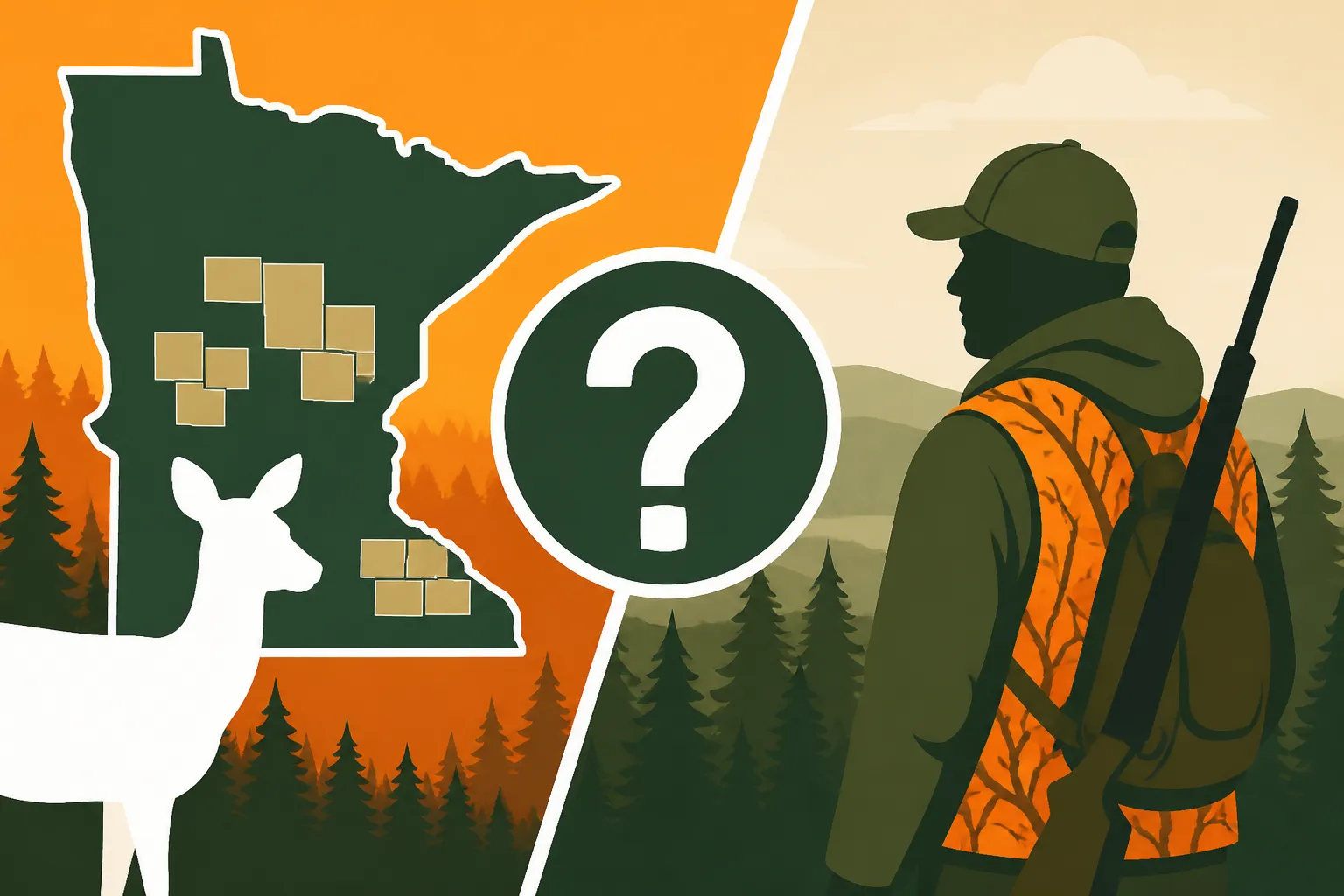
Can Nonresidents Hunt Minnesota Antlerless Lottery Areas?
Trying to figure out hunting regulations in a new state can feel like reading a foreign language, especially when it comes to specific tags and lotteries. It's easy to get frustrated wading through DNR websites and forum posts, wondering if your nonresident status automatically disqualifies you from certain opportunities. Many nonresidents wonder if they can even participate in Minnesota's antlerless lottery areas. This comprehensive guide is here to untangle that complexity, explaining exactly how nonresidents can apply for and hunt in Minnesota's antlerless lottery areas, and offering strategies to improve your chances.
Deciphering Minnesota's Antlerless Deer Lottery for Nonresidents
Minnesota's deer management system, much like many other states, relies on a combination of different permit areas to regulate deer populations and ensure healthy herds. For nonresidents, understanding this system is the first crucial step to a successful hunt, especially when it comes to antlerless opportunities. The core question for many traveling hunters is: can you, as a nonresident, even apply for those coveted antlerless tags in areas designated as "lottery" zones? The short answer is yes, you absolutely can, but there are some important rules and procedures to follow that differ slightly from resident applications.
The purpose of an antlerless lottery is simple: to control deer numbers in specific geographic areas. When a particular deer permit area has a healthy or robust population, the DNR will issue a limited number of antlerless permits through a lottery system to help meet management goals. If populations are lower or need to be boosted, they might classify areas as "managed" or "hunter choice," where antlerless tags are more readily available, or even "intensive," where multiple antlerless tags might be available. For a deeper dive into how the system generally works, you can check out this detailed guide on How the Antlerless Lottery Works.
Nonresidents are certainly eligible to participate in this lottery, which is a huge relief for many who travel to the North Star State specifically for its deer hunting. However, your ability to apply for an antlerless permit is directly tied to the type of deer license you purchase and the permit area you intend to hunt. It's not a standalone application; it's an add-on or a specific choice made when you're securing your main deer license for the season. This means that unlike some states where you might buy a general deer tag and then separate antlerless tags over the counter, Minnesota integrates the antlerless lottery application into the initial license purchase process.
The application window for the antlerless lottery is critical and typically closes well before the season opens, usually in early September. Missing this deadline means missing out on the opportunity to draw a permit in those lottery-only areas, so planning ahead is paramount. You can find specific application deadlines and details on Applying for the Antlerless Lottery Before September 10. This is often a source of frustration for nonresidents who might not be as familiar with Minnesota's unique season structure and application timelines as local hunters are.
Permit Area Classifications and Nonresident Impact
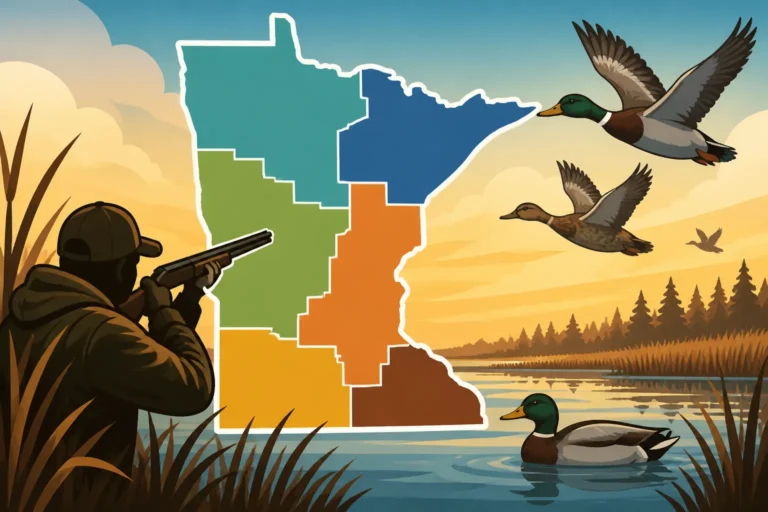
Minnesota organizes its deer hunting into various Permit Areas, each with its own specific regulations designed to achieve particular management goals. For nonresidents, it's vital to understand these classifications, as they dictate your antlerless opportunities.
- Intensive Permit Areas: These areas have high deer populations, and the DNR encourages a higher antlerless harvest. Nonresidents can typically purchase an antlerless tag over the counter without entering a lottery. This is usually the easiest route for nonresidents seeking antlerless opportunities, as detailed in What an Intensive Permit Area Allows.
- Managed Permit Areas: These areas aim for a stable deer population. Antlerless tags might be available on a first-come, first-served basis after a certain date, or through a limited lottery, but often with better odds than true "lottery" areas.
- Lottery Permit Areas: These are the areas where the antlerless harvest is strictly controlled, and a limited number of permits are issued via a random drawing. This is where nonresidents need to apply through the lottery system. Your odds of drawing a tag depend on the number of permits available and the number of applicants.
- Hunter Choice Permit Areas: These zones often allow a hunter to take either an antlered or antlerless deer with their single firearm license, without needing a separate antlerless permit. This can be a great option for nonresidents, offering flexibility. For a comprehensive look, see Minnesota Hunter Choice Permit Areas.
Understanding these categories is crucial when you're planning your nonresident hunt. Before you even think about applying, you should research the permit areas you're interested in and determine their classification for the upcoming season. Tools like the GoHunt platform's mapping features can be incredibly useful for visualizing these permit area boundaries and understanding the historical draw odds if you're looking to strategize your application.
The Application Process and Deadlines
Applying for the antlerless lottery as a nonresident follows a specific timeline and process. It's not something you can just decide to do last minute while packing your gear. The initial step is always purchasing your main deer license, which then allows you to add the antlerless lottery application.
Nonresidents need to be particularly diligent about deadlines. The application period for the antlerless lottery typically closes in early September, usually around the 10th. This is often long before many nonresidents finalize their travel plans or even think about the finer points of their hunt. If you miss this deadline, your chances of getting an antlerless tag in a lottery area for that year are essentially zero, leaving you with either an antlered-only tag or forcing you to hunt in "intensive" or "hunter choice" areas that may not be your first preference.
When you purchase your Minnesota Nonresident Hunting License Options, you'll be prompted to choose your deer permit area and indicate if you wish to apply for the antlerless lottery within that area. If you apply, you're essentially putting your name in the hat for one of the limited tags. The drawing happens later in September, and successful applicants are notified by mail or email. It’s important to remember that if you apply for a lottery tag and aren't drawn, your license typically reverts to an antlered-only tag for that specific permit area, unless it's a "hunter choice" area, which gives you more flexibility.
How Nonresidents Secure Antlerless Permits in Minnesota
So, you're a nonresident and you've decided you want to hunt an antlerless deer in Minnesota. That's fantastic! Many hunters find the opportunity to take an antlerless deer not only helpful for filling the freezer but also a valuable part of herd management. The good news, as we've established, is that Minnesota welcomes nonresidents to participate in its antlerless lottery system. However, the exact steps to secure that permit can sometimes be a little convoluted, and it's easy to overlook a crucial detail. Let's break down the process step-by-step to make sure you're set up for success.
The entire process begins with purchasing your general nonresident deer license. This is your foundation, and without it, you cannot apply for any special tags or lotteries. Minnesota offers various Minnesota Nonresident Hunting License Options, so make sure you choose the one appropriate for your weapon choice (e.g., archery, firearm, or muzzleloader). Once you have your base license, you can then proceed with the antlerless lottery application.
The Antlerless Lottery Application Step-by-Step
The application for the antlerless lottery is integrated into the license purchase. This means you won't be filling out a completely separate form later; it's all part of the same transaction, either online through the Minnesota DNR eLicense system or at an authorized vendor.
- Select Your License: First, decide which type of deer license you need – archery, firearm, or muzzleloader. For instance, if you're planning a late season hunt, you'd be looking at Minnesota Muzzleloader Season Dates and selecting a muzzleloader deer license.
- Choose Your Permit Area: This is critical. You must select the specific Deer Permit Area (DPA) where you intend to hunt. This choice is usually made at the time of license purchase. Do your research beforehand using resources like Finding Your Minnesota Deer Permit Area.
- Opt into the Antlerless Lottery: When selecting your DPA, if it's classified as a "lottery" area, you'll be given the option to apply for an antlerless permit. You must indicate your desire to enter the lottery at this point. If you select a DPA classified as "intensive," you might be able to simply purchase an antlerless tag outright, bypassing the lottery.
- Confirm and Pay: Review your selections carefully. Once confirmed, you pay for your license and your lottery application (if applicable). There's usually a small, non-refundable application fee for the lottery itself, in addition to the cost of your deer license.
- Wait for Notification: The DNR conducts the lottery drawing, typically around mid-September. Successful applicants are usually notified by mail or email. If you don't draw an antlerless tag in a lottery area, your license will automatically default to an antlered-deer-only license for that specific permit area.
It’s worth noting that if you're planning an archery hunt, especially during the early part of the season, you'll want to be familiar with the Minnesota Archery Season Dates and ensure your chosen permit area allows for antlerless harvest with an archery tag without needing a lottery, or if you still need to apply. Archery rules can sometimes differ from firearm rules regarding antlerless permits.
Understanding Preference Points and Nonresident Odds
Many states use a preference point or bonus point system for limited-entry drawings, where applicants accrue points for unsuccessful applications, improving their odds in subsequent years. This encourages hunters to keep applying, even for highly sought-after tags.
For Minnesota's antlerless lottery, it's generally a simpler, non-preference system for deer. Each year's lottery is typically a fresh slate. This means that whether you've applied for 10 years or this is your very first time, your odds of drawing an antlerless permit in a specific lottery area are statistically the same as any other applicant for that year. There isn't a long-term buildup of preference points that gives nonresidents (or residents, for that matter) an advantage.
This system has its pros and cons. On the one hand, it means new nonresident hunters have just as good a chance as seasoned veterans. On the other hand, it means you can't strategically build up points to guarantee a tag in a particularly desirable area in the future. Your best bet is to carefully research the draw odds for specific DPAs. Mapping tools, like those offered by GoHunt, often compile historical draw data, which can give you a realistic expectation of your chances. Choosing a DPA with historically higher draw odds can increase your likelihood of success, though there are no guarantees.
Navigating Permit Areas and Land Access as a Nonresident
Once you've got your Minnesota deer license and, hopefully, a coveted antlerless permit, the next big hurdle for many nonresidents is figuring out where to actually hunt. Minnesota boasts a fantastic amount of public land, but it's not always as simple as just showing up. Knowing how to effectively use tools to identify permit areas, understanding the differences between public and private land, and being aware of specific regulations like CWD zones are paramount for a successful and legal hunt.
Identifying your specific Deer Permit Area (DPA) is crucial. Your antlerless tag is valid only in the DPA for which it was drawn. Straying into an adjacent DPA where you don't have a valid tag could lead to serious legal trouble. This is where advanced mapping applications truly shine. Platforms like GoHunt offer detailed mapping overlays that show DPA boundaries, public land ownership, and even topographical features, making it incredibly easy to stay within your designated hunting zone. Before you even set foot in the woods, spend significant time on these digital maps. Zoom in, identify key access points, and plan your routes.
Public vs. Private Land Considerations for Nonresidents
Minnesota offers a wealth of public land opportunities, making it an attractive destination for nonresidents. However, the dynamics of hunting on public versus private land are very different, and it's essential to understand both.
- Public Land: Minnesota has millions of acres of public hunting land, including Wildlife Management Areas (WMAs), State Forests, and federal lands like the Superior and Chippewa National Forests. These areas are open to anyone with a valid hunting license. The advantage for nonresidents is clear: guaranteed access. However, public land often comes with increased hunting pressure, especially during the firearm season opener. You'll need to work harder to find undisturbed deer, potentially by walking further from access points or targeting less obvious cover. It's always wise to research Public Hunting Land in Minnesota to understand the specific rules and opportunities each type of public land offers. Some WMAs might have special regulations or entry points, so always check the local rules.
- Private Land: Gaining access to private land can unlock incredible hunting opportunities, often with less pressure and potentially higher deer densities. However, as a nonresident, securing private land permission can be a challenge. It requires respectfully contacting landowners, explaining your intentions, and building trust. Showing up unannounced during hunting season is rarely effective. If you plan to hunt private land, start early. Research parcels and landowners well in advance, send letters, or make calls. Always offer to share game, help with chores, or offer some other form of appreciation. Remember, you absolutely need permission to hunt private land in Minnesota. This guide on Getting Private Land Permission in Minnesota offers excellent tips for making those crucial connections.
Special Considerations for CWD Zones
Chronic Wasting Disease (CWD) is a serious concern for wildlife managers and hunters alike, and Minnesota is actively working to monitor and control its spread. As a nonresident, understanding CWD management zones and associated regulations is non-negotiable.
Minnesota has designated CWD management and surveillance zones, primarily in the southeastern and central parts of the state. If you harvest a deer in one of these zones, you will likely be subject to mandatory CWD testing requirements during specific periods. Furthermore, there are strict carcass movement restrictions in place. Generally, you cannot move whole deer carcasses out of a CWD zone. This means you'll need to bone out your deer or take it to a licensed processor within the zone before transporting the meat, antlers, and skull plate. These rules are in place to prevent the inadvertent spread of the disease.
Before your hunt, always check the current CWD regulations and zone boundaries on the Minnesota DNR website. This information can change annually, so what was true last year might not be this year. Ignoring these rules can result in significant fines and penalties. For a nonresident, it's an added layer of complexity, but one that is critical for ethical hunting and preserving the health of Minnesota's deer herd.
Maximizing Your Nonresident Antlerless Hunting Success
Hunting as a nonresident, especially for something as specific as an antlerless deer in a lottery area, requires more than just a license and a prayer. It demands preparation, strategic thinking, and an understanding of the local environment. While the thrill of the hunt is universal, success often hinges on those little details you might overlook if you're unfamiliar with Minnesota's unique landscapes and deer behavior.
For nonresidents, every piece of information you can gather before your boots hit the ground is invaluable. You won't have the luxury of casual scouting trips throughout the year, so you need to be efficient and utilize all available resources.
Scouting and Research Before You Arrive
Effective pre-season scouting is the cornerstone of any successful deer hunt, but it's even more critical for nonresidents. Since you likely can't do regular boots-on-the-ground scouting, you'll need to rely heavily on digital tools and local knowledge.
- Digital Mapping Tools: Invest in a premium mapping app like GoHunt or similar platforms. These tools are your best friend. Use them to:
- Identify Access Points: Find public road access, parking areas, and trails into public lands within your chosen permit area.
- Analyze Topography: Look for natural funnels, ridges, creek beds, and subtle elevation changes that deer might use for travel.
- Pinpoint Habitat Changes: Identify different forest types (e.g., hardwoods, conifer swamps, popple cuts), agricultural fields, and edges where deer often concentrate for food and cover.
- Locate Water Sources: Ponds, marshes, and streams are vital, especially during drier periods.
- Identify Pressure Points: Look for areas close to roads or easy access points that might see higher hunting pressure. Plan to venture deeper to find less disturbed deer.
- Aerial Photos: Spend hours poring over aerial imagery. Look for hidden clearings, thick bedding cover, and subtle transitions that might not be obvious on a basic topo map. Pay attention to how cover connects different food sources.
- DNR Reports: Read Minnesota DNR harvest reports and deer population estimates for your chosen permit area. This can give you an idea of deer density and historical success rates, though remember these are overall numbers and don't reflect specific hunting pressure in individual spots.
- Weather Patterns: Research historical weather patterns for your hunting dates. Will it be cold? Snowy? Rainy? This informs your clothing and gear choices.
By spending diligent hours on these digital tools, you can virtually scout multiple locations and narrow down your top hunting spots long before you ever leave home.
Gear Considerations for Minnesota Conditions
Minnesota's hunting seasons can present a wide range of weather conditions, from mild early fall days to frigid late-season freezes. As a nonresident, being prepared for anything is key.
- Layered Clothing: Don't underestimate Minnesota weather. Early archery season can be warm, but by late firearm or muzzleloader season, you could be dealing with sub-zero temperatures and significant snow. A good layering system, utilizing moisture-wicking base layers, insulating mid-layers (wool or synthetics are excellent), and a waterproof/windproof outer shell, is essential. Think about quiet fabrics for stalking or still-hunting.
- Insulated Boots: Waterproof, insulated boots are a must. You'll likely encounter wet conditions, snow, or even have to cross shallow water. Cold feet will ruin a hunt faster than anything.
- Reliable Optics: Quality binoculars (8x or 10x) and a good scope (if rifle hunting) are vital for spotting deer in diverse Minnesota cover, from dense woods to open farmland edges.
- Navigation Tools: While your phone with a mapping app is great, always have a backup. A dedicated GPS unit or a physical map and compass can save you if your phone battery dies or you lose signal in remote areas.
- Game Processing Gear: If you're successful, you'll need to process your deer. Knives, a bone saw, game bags, and perhaps a small tarp are essential. Consider a deer cart or sled for easier extraction, especially if hunting solo or in snowy conditions. Remember CWD carcass restrictions if you're in a management zone.
- Blaze Orange/Pink: Know the How Much Blaze Orange Minnesota Requires rules for the season you're hunting. Most firearm seasons require a significant amount of visible blaze orange or blaze pink.
Understanding Deer Behavior and Seasonal Factors
Minnesota deer behavior changes dramatically throughout the seasons, driven by food availability, breeding cycles, and pressure.
- Early Season (Archery): Deer are typically still on summer patterns, focused on lush food sources like alfalfa, soybeans, and acorns. They move less during daylight. Focus on early morning and late evening sits near feeding areas.
- The Rut: This is the peak excitement for many deer hunters. The Hunting the Rut in Late October and Hunting the Peak Rut in Early November are prime times when bucks are actively seeking does, leading to increased deer movement throughout the day. Focus on travel corridors, pinch points, and traditional scrape lines. Antlerless deer will also be on the move, interacting with bucks and other does.
- Late Season (Firearm/Muzzleloader): After the rut and increased hunting pressure, deer become much warier. They prioritize food and cover. Focus on reliable, high-calorie food sources (e.g., standing corn, brassicas, conifer swamps for thermal cover) and thick bedding areas that offer refuge. Patience and cold-weather sitting strategies are crucial.
By combining thorough research with appropriate gear and an understanding of deer behavior, nonresidents can significantly improve their chances of success in Minnesota's antlerless lottery areas, turning a complex process into a rewarding hunting adventure.
Disclaimer
Please remember that hunting regulations, season dates, and permit area classifications in Minnesota can change annually. Always consult the official Minnesota Department of Natural Resources (DNR) website and the current year's hunting regulations booklet before planning and executing any hunt. This guide is intended for informational purposes only and should not be considered a substitute for official DNR publications.