Minnesota Carcass Movement Restrictions
Navigating the regulations around deer carcass movement in Minnesota can feel like a confusing labyrinth, especially when you're just trying to do the right thing after a successful hunt. The last thing any hunter wants is to inadvertently contribute to the spread of a devastating disease or, worse, run afoul of the law. This comprehensive guide will break down Minnesota's carcass movement restrictions, explaining why they're in place, what they mean for you, and how you can ensure you're compliant while still enjoying the fruits of your labor.
Understanding the Threat of CWD in Minnesota
Before we dive into the nitty-gritty of regulations, it’s crucial to understand why these rules exist. Chronic Wasting Disease (CWD) isn't just another wildlife illness; it's a serious threat to Minnesota's beloved deer herd, and by extension, to our hunting heritage. The Minnesota Department of Natural Resources (DNR) takes it very seriously, and so should every hunter who cares about the future of hunting in our state.
What is Chronic Wasting Disease?
Chronic Wasting Disease is a fatal neurological disease that affects cervids – that’s deer, elk, and moose. It’s caused by abnormal proteins called prions, not bacteria or viruses, which makes it particularly insidious and difficult to eradicate. These prions essentially turn the animal’s brain into a spongy mess over time, leading to symptoms like drastic weight loss (hence "wasting"), behavioral changes, excessive salivation, and a lack of coordination. There is currently no vaccine and no cure, and it’s always fatal for the infected animal.
Imagine watching a deer slowly lose its vitality, becoming a shadow of its former self before succumbing. It’s a heartbreaking sight, and it’s what CWD does. While there’s no evidence that CWD can spread to humans, public health agencies still recommend against consuming meat from CWD-positive animals. This adds another layer of concern for hunters who rely on their harvest for venison.
How CWD Spreads Among Deer
The truly alarming aspect of CWD is how easily it can spread and how persistent the prions are in the environment. Infected animals shed prions through their saliva, urine, and feces. These prions can then contaminate the soil, plants, and water, remaining infectious for years, even decades. This means a deer can pick up the disease by simply grazing in an area where an infected animal once lived or died.
Furthermore, direct contact between deer, especially during rutting behavior or congregating at food sources, is a major transmission route. But here's where hunters come in: moving an infected carcass from one area to another can effectively transport these prions to a new, previously unaffected environment. When a hunter takes a deer from a CWD-positive zone and processes it elsewhere, parts of that carcass – especially the brain, spinal cord, and lymph nodes – can introduce prions to new soil, waterways, or even local meat processing facilities, creating new infection hotspots. This is why the rules on Minnesota Carcass Movement Restrictions are so vital.
Minnesota's CWD Landscape
CWD is not new to Minnesota, but it remains a persistent challenge. The disease was first detected in a captive herd in northern Minnesota in 2002 and then in wild deer in the southeastern part of the state in 2010. Since then, the DNR has been actively monitoring and managing its spread. Most of the confirmed cases in wild deer have been concentrated in the southeastern region, specifically around parts of Fillmore, Houston, and Winona counties, often referred to as the CWD Management Zone.
However, CWD detections have also popped up in other areas, including a significant concern in the Brainerd lakes area and even in the metro suburbs in recent years. This means that CWD is not just a "southern Minnesota problem" anymore. The DNR has established CWD Management Zones and CWD Surveillance Zones across the state. These zones are fluid, expanding or contracting based on new detections and surveillance efforts. Staying informed about the current zone boundaries is critical for any deer hunter in Minnesota. Tools like the GoHunt app can be invaluable for real-time updates on regulations and zone maps.
Navigating Minnesota's Carcass Movement Restrictions
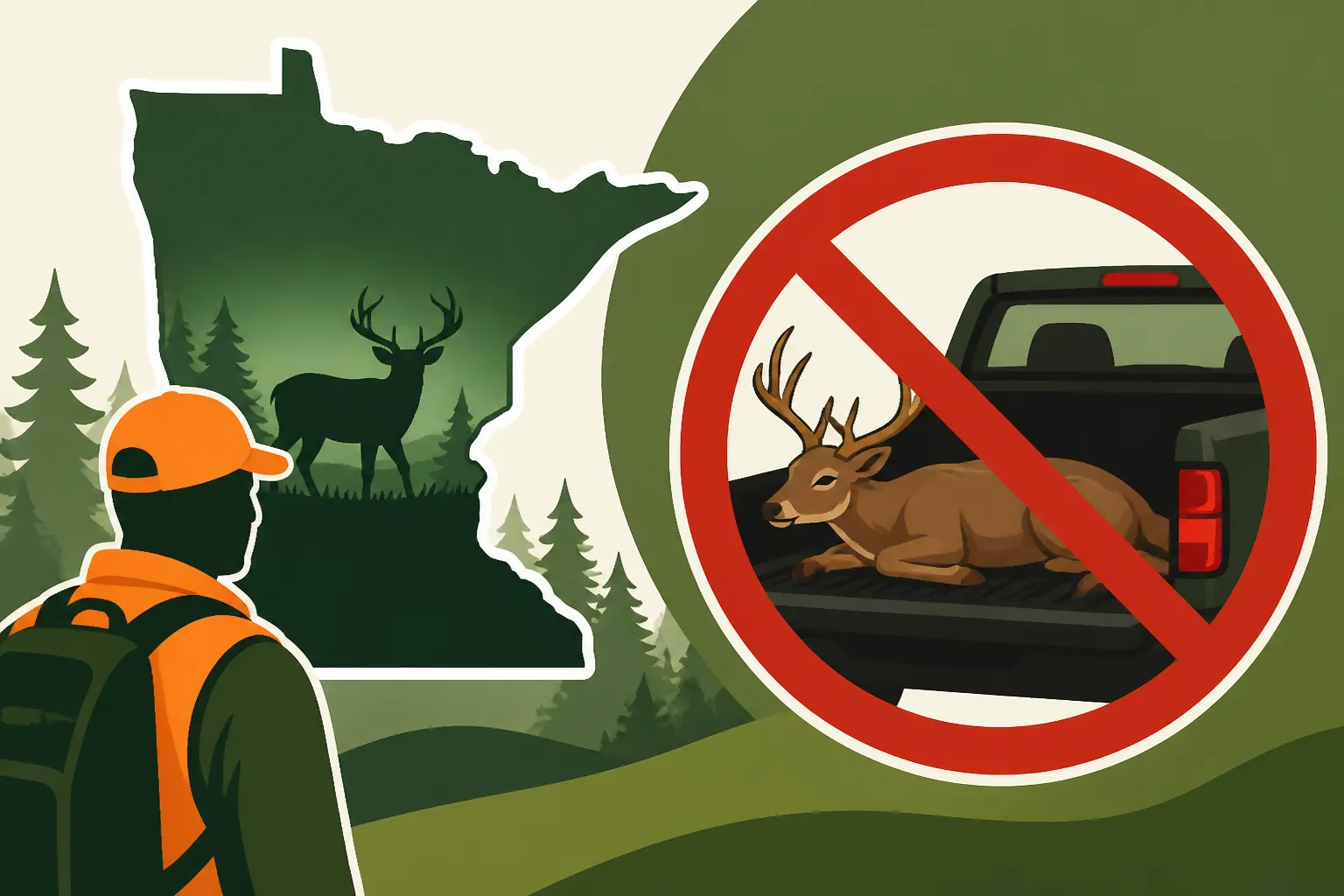
Given the insidious nature of CWD and its potential to devastate deer populations, Minnesota has implemented specific rules regarding the movement of deer carcasses. These rules are designed to prevent the physical transportation of CWD prions into new areas. It might seem like a hassle when you're tired after a long day of Hunting Minnesota Now That Rifles Are Legal Statewide, but these regulations are truly for the greater good of the herd.
Why Restrictions Are Necessary
The primary reason for carcass movement restrictions is simple: to contain and limit the spread of CWD. If a hunter harvests an infected deer in a CWD-positive area and then transports the entire carcass, including the high-risk parts like the brain and spinal cord, to a CWD-negative area, they could unknowingly contaminate new ground. When that carcass is processed, any discarded parts can release infectious prions into the environment.
Think about it this way: if a deer dies of CWD in a specific patch of woods, the prions are contained to that patch, gradually decaying over time (though very slowly). But if that deer is moved 100 miles away before processing, suddenly those prions are introduced to a completely new ecosystem. These restrictions are a proactive measure, a necessary line of defense against a disease that, once established, is incredibly difficult to remove from the landscape. It's about protecting the long-term health of deer and the hunting opportunities for future generations.
General Statewide Rules
Even outside of designated CWD zones, Minnesota has some general rules about carcass movement that apply to everyone. These are less restrictive than CWD zone rules but are still important to follow to maintain overall wildlife health and prevent any potential, unforeseen spread. The most crucial statewide rule concerns bringing cervid carcasses into Minnesota from other states or provinces.
Unless specific, approved parts are processed or boned out, you generally cannot bring whole cervid carcasses into Minnesota. The goal is to prevent CWD from being introduced from areas where it might be more prevalent or where surveillance is less rigorous. This means if you're lucky enough to harvest a deer in, say, Wisconsin or North Dakota, you need to be aware of their CWD status and Minnesota's import regulations before you cross the border. Ignoring these rules could lead to fines and the confiscation of your harvest.
Specific Rules for CWD Management Zones
This is where the restrictions get much tighter. If you harvest a deer in a designated CWD Management Zone in Minnesota, your options for moving that carcass are significantly limited. The core principle is that high-risk parts of the carcass must not leave the CWD Management Zone unless they are being transported directly to an approved CWD sampling station or a licensed meat processor/taxidermist within or immediately adjacent to the zone, specifically for CWD testing or proper disposal.
The DNR defines "high-risk parts" as the brain, spinal cord, eyes, spleen, and lymph nodes. These are the areas where CWD prions are most concentrated. Therefore, to minimize risk, the DNR mandates that you must remove and leave these parts within the CWD zone. This typically means thorough field dressing and deboning your deer before leaving the zone, or taking it to a local facility that can handle the specific CWD protocols. Knowing these rules is especially critical if you're planning on Hunting the Minnesota Rut in Early November in one of these affected areas.
Practical Steps for Hunters in CWD Zones
Understanding the rules is one thing; putting them into practice is another. When you've just harvested a deer, adrenaline is high, and efficiency is key. Knowing the practical steps to handle your deer within CWD zones will make the process smoother and ensure you're compliant.
The Approved Carcass Parts Rule
The DNR's regulations specify which parts of a deer harvested in a CWD Management Zone can be transported out of that zone. Essentially, it boils down to parts that are considered very low risk for CWD prions.
You can legally transport:
- Boned-out meat: This is the safest and most recommended option. All muscle tissue, completely separated from bone and nervous tissue.
- Quarters or other large pieces of meat with no part of the spinal column or head attached.
- Hides with no head attached.
- Antlers with no brain tissue or skull cap attached. A skull cap that has been thoroughly cleaned and dried, with all brain matter removed, is also permissible.
- Clean skull plates: These are skull plates that have had all brain and nervous tissue removed.
- Upper canine teeth (elk ivories): Not relevant for deer, but good to know for elk.
- Finished taxidermy products: Once an animal is fully processed by a taxidermist, it's considered safe.
The emphasis here is on removing all high-risk tissues. This often means a significant amount of work in the field. This detailed table summarizes the allowed and restricted parts:
| Carcass Part Category | Status for Transport OUT of CWD Management Zone | Notes |
|---|---|---|
| Boned-out Meat | ALLOWED | All muscle tissue, completely separated from bone and nervous tissue. |
| Quarters of Meat | ALLOWED | No spinal column or head attached. |
| Hides | ALLOWED | No head attached. |
| Antlers | ALLOWED | No brain tissue or skull cap attached. |
| Clean Skull Plates | ALLOWED | All brain and nervous tissue thoroughly removed. |
| Whole Carcass | NOT ALLOWED | Unless direct transport to CWD sampling station/licensed processor. |
| Head (unprocessed) | NOT ALLOWED | Contains brain, eyes, lymph nodes – high risk. |
| Spinal Column | NOT ALLOWED | Contains spinal cord – high risk. |
| Spleen/Lymph Nodes | NOT ALLOWED | High risk. Often removed during field dressing. |
Proper Field Dressing Techniques
Given the carcass movement restrictions, proper field dressing and, often, deboning in the field become absolutely essential for hunters in CWD zones. This isn't just about getting your meat cooled down; it's about responsible disease management. When you harvest a deer in a CWD zone, your goal should be to leave all high-risk material at the kill site.
Here's a basic rundown of considerations:
- Gutting: Standard field dressing involves removing the internal organs. This is usually done at the kill site, and the discarded organs should remain there, allowing nature to take its course.
- Head and Spinal Column: If you plan to take your deer out of a CWD zone, you must remove the head at the kill site and leave it there. This includes the brain, eyes, and certain lymph nodes that are CWD hotbeds. For many hunters, this means caping the head out for a shoulder mount in the field, or simply cutting off the head at the atlas joint (where the skull meets the spine). You also need to ensure no part of the spinal column is transported, meaning you'll need to bone out the meat or quarter the deer without splitting the backbone.
- Lymph Nodes: While not always obvious, some major lymph nodes are located in the neck and around the guts. Familiarizing yourself with basic deer anatomy can help ensure you're removing as much high-risk material as possible. A good resource, like those found on GoHunt, often includes detailed guides for field processing.
This might sound like a lot of work, especially if you're used to dragging a whole deer out, but it's a critical step to prevent CWD spread. Practicing these techniques beforehand can save you a lot of time and frustration in the field.
Using Approved Meat Processors and Taxidermists
If field deboning isn't your preference, or you're simply not comfortable doing it, using a local, DNR-approved meat processor or taxidermist within or immediately adjacent to the CWD Management Zone is a fantastic option. These businesses are familiar with the CWD regulations and have protocols in place to properly handle and dispose of the high-risk parts.
When choosing a processor or taxidermist:
- Confirm their CWD protocol: Always call ahead and confirm that they are aware of and compliant with Minnesota's CWD regulations. Ask how they handle high-risk waste materials from CWD zones.
- Location matters: Ensure they are located either within the CWD Management Zone or in an adjacent area approved for receiving deer from CWD zones. Transporting a whole carcass to a processor outside these approved areas is generally not permitted.
- Get your CWD test done: Many processors are also official CWD sampling stations, making it a convenient one-stop shop to drop off your deer and get your sample submitted. You can find information about Finding a Minnesota CWD Sampling Station through the DNR website or even mapping tools available via a GoHunt membership.
- Communicate clearly: Let them know immediately that your deer was harvested in a CWD Management Zone so they can follow the correct procedures from the moment your deer arrives.
Utilizing these local services supports the community and ensures proper, legal handling of your harvest. It's an investment in both your hunting experience and the health of Minnesota's deer herd.
Crossing State Lines with Your Harvest
The complexities don't stop at the Minnesota border. If you're hunting out of state or planning to take your Minnesota deer to another state, you need to be acutely aware of both Minnesota's rules and the rules of any other state you'll be traversing or ending up in. Interstate movement of cervid carcasses is a major point of emphasis for CWD management across the country.
Bringing Deer into Minnesota
For non-resident hunters, or Minnesota residents who hunt in neighboring states, bringing a cervid carcass back into Minnesota comes with strict guidelines, primarily aimed at preventing the import of CWD from other regions. Generally, Minnesota law prohibits bringing a whole or partial carcass of any cervid (deer, elk, moose, caribou) into the state if that animal was harvested in a CWD-endemic area or any state/province with documented CWD cases. This includes states like Wisconsin, Iowa, North Dakota, and many others.
The exceptions mirror the "approved parts" rule for moving deer out of CWD zones within Minnesota:
- Boned-out meat: Completely deboned muscle meat.
- Clean skull plates: Skull plates with all brain and nervous tissue removed.
- Antlers: Without any brain tissue attached.
- Hides: Without the head attached.
- Finished taxidermy products.
This means if you harvest a deer in an adjacent state, you'll likely need to process it extensively there before bringing it home to Minnesota. Always double-check the most current regulations on the Minnesota DNR website before your trip to avoid any issues at the state line. Ignoring these rules could result in your harvest being confiscated and potential fines, which is a disappointing end to any successful hunting trip.
Taking Deer Out of Minnesota
Conversely, if you're a Minnesota resident planning to hunt in a CWD Management Zone and then transport your deer to a non-CWD area in another state, you'll need to follow Minnesota's strict "approved parts" rule. This means the deer must be boned out, quartered (without spinal column), or otherwise processed to remove all high-risk materials before leaving the CWD zone.
However, Minnesota's rules are only half the battle. You must also check the CWD carcass importation regulations of the state you are traveling to. Many states have similar or even stricter rules regarding bringing cervid carcasses from CWD-positive states like Minnesota. For example, some states may require specific CWD testing documentation, even for boned-out meat. A quick call to the wildlife agency of your destination state or a check on their website is highly recommended. It’s a lot of homework, but it’s far better than having your hard-earned venison seized.
Federal Regulations and Interstate Travel
While most CWD regulations are state-specific, there is an overarching federal interest in controlling CWD, particularly concerning commercial transport of cervids and some aspects of carcass movement. The USDA works with state agencies to monitor and manage CWD. For the average hunter, federal regulations largely pertain to general transport laws, but it's important to know that states often cooperate to create a more unified front against CWD.
This means that a state like Minnesota will likely communicate with its neighbors, such as Wisconsin and North Dakota, regarding CWD detections and regulations. This collaborative effort means that while rules might vary slightly, the spirit of the law – preventing the spread of prions – remains consistent. When you're driving across state lines, especially with a cervid carcass, it’s always wise to ensure you're compliant with all relevant state and federal laws, even if it simply means your carcass is boned out and properly packaged.
The Role of Mandatory CWD Testing and Surveillance
Carcass movement restrictions are just one piece of the puzzle in Minnesota's comprehensive CWD management strategy. Another crucial component is widespread CWD testing and surveillance, which directly impacts how hunters need to handle their harvested deer, especially in certain areas. Understanding the testing regimen is as important as understanding the movement rules.
Understanding Minnesota's Four-Year CWD Testing Rotation
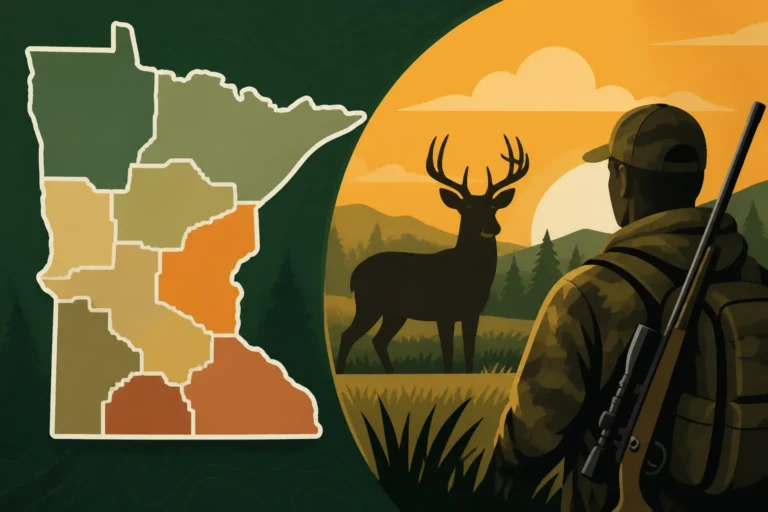
To get a clearer picture of CWD prevalence and to detect new outbreaks quickly, the Minnesota DNR employs a systematic, four-year rotation for mandatory CWD testing across different quadrants of the state. This means that specific geographic areas will have mandatory testing requirements for harvested deer during certain hunting seasons. This allows the DNR to focus resources and get a statistically significant sample size from a given region.
For example, a particular quadrant of Minnesota might be slated for mandatory testing in 2026. If you hunt in that area during that specific year and harvest a deer, you will be required to submit your deer for CWD testing. This helps the DNR map out where the disease exists and at what prevalence, guiding future management decisions, including where to establish or expand CWD Management Zones. Staying updated on Which Quadrant Requires Mandatory CWD Testing in 2026 is crucial, and the DNR's website is the authoritative source for this information.
The Importance of Voluntary and Mandatory Sampling
Beyond the rotational mandatory testing, voluntary sampling is also critical, and in CWD Management and Surveillance Zones, specific rules regarding sampling often apply.
- Voluntary Sampling: Hunters outside of mandatory testing zones are often encouraged to submit samples from their deer. This provides valuable data and helps detect new CWD cases early, before the disease becomes widespread. Many check stations or specific drop-off locations offer voluntary sampling. It's a way for every hunter to contribute to the health of the herd.
- Mandatory Sampling: In designated CWD Management Zones and sometimes in Surveillance Zones, submitting a CWD sample from your harvested deer is not optional. It is a legal requirement. This allows the DNR to intensify their monitoring in areas where CWD is known or suspected to be present. If you harvest a deer in one of these zones, failure to submit a sample could result in legal penalties.
The goal of both voluntary and mandatory sampling is to maximize data collection. The more information the DNR has, the better they can understand the disease's distribution and implement effective management strategies.
What to Do if You Harvest in a CWD Zone
If you find yourself hunting in a CWD Management Zone and successfully harvest a deer, here's a step-by-step guide to ensure you're compliant with both carcass movement restrictions and testing requirements:
- Check for Mandatory Testing: First, confirm if the specific Permit Area you are in requires mandatory CWD testing for the current season. This information is usually detailed in the annual hunting regulations and often highlighted online.
- Field Dress Strategically: Perform your field dressing at the kill site, leaving the internal organs there. If you intend to take your deer out of the CWD zone, prepare to remove the head and spinal column at the kill site as well, or bone out the entire animal. Remember the "approved parts" rule.
- Locate a Sampling Station: Identify the nearest CWD sampling station or approved meat processor/taxidermist within or immediately adjacent to the CWD zone. Many of these locations also serve as registration stations. You can typically find these locations using the DNR's online maps or through resources like a GoHunt mapping application.
- Transport to Station (if whole): If you are taking the entire carcass to a sampling station or approved processor, you must transport it directly to that location. Do not make unnecessary stops or take the carcass outside the zone before reaching the designated facility.
- Submit Your Sample: At the sampling station, trained staff will collect the necessary lymph node samples. This usually involves removing the head from your deer (if not already done in the field) and taking samples from the base of the skull.
- Receive Your Results: The DNR will process the sample and notify you of the results, typically within a few weeks. You can also track the status of your test online. For information on How Long Minnesota CWD Results Take, check the DNR's CWD portal.
- Meat Handling: If your deer tests positive for CWD, the DNR will provide guidance on safe disposal. It is strongly recommended not to consume meat from a CWD-positive animal.
These steps, while adding a bit more effort to your hunt, are crucial for supporting CWD management and preserving Minnesota's deer hunting traditions. Your responsible actions truly make a difference.
Disclaimer
The information provided in this guide is for general informational purposes only and is not intended as legal advice. Hunting regulations and CWD management protocols are subject to change. Always consult the official Minnesota Department of Natural Resources (DNR) website and the current year's hunting regulations for the most accurate and up-to-date information before planning your hunt.