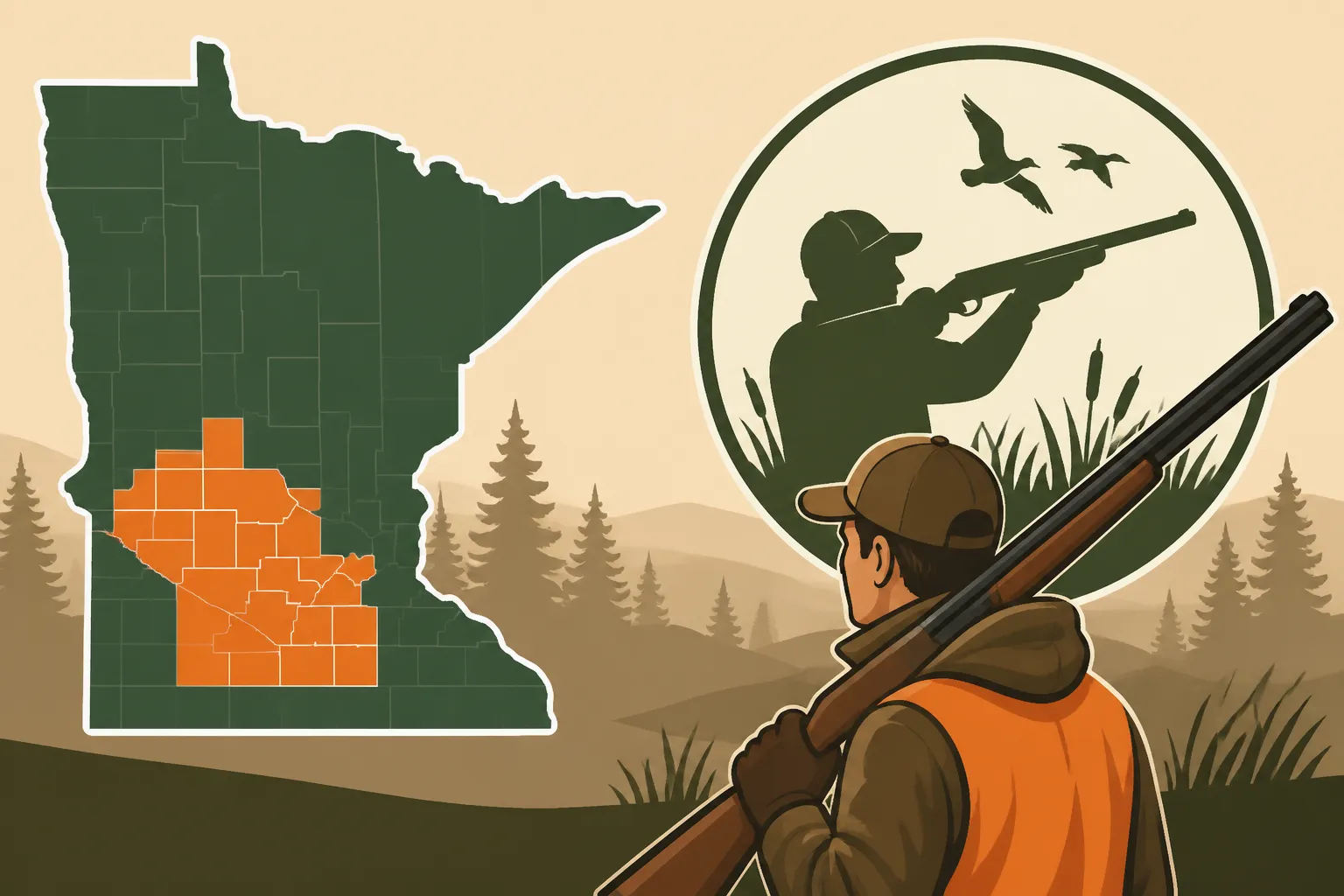
Which Thirteen Counties Kept Shotgun-Only Rules
Navigating Minnesota's deer hunting regulations can sometimes feel like trying to untangle a snarled fishing line, especially with the recent big changes. Many hunters were excited to hear about the new statewide rifle legality, but the truth is, a few specific counties still maintain shotgun-only rules, creating confusion and uncertainty. This comprehensive guide is here to cut through that fog, clearly listing those thirteen counties and giving you the essential information you need to hunt them legally and effectively.
The Big Shift: Understanding Minnesota's Statewide Rifle Rules
For decades, deer hunting in much of Minnesota, particularly the southern and eastern portions, was restricted to shotguns, muzzleloaders, and archery equipment. This was largely due to population density concerns, with the idea that slugs wouldn't travel as far as rifle bullets, making hunting safer in more settled areas. It was a long-standing tradition, and for many of us, it was just "how it's always been."
Then came the monumental decision, effective for the 2023 deer season, to allow the use of rifles statewide. This was a game-changer for many hunters who previously had to choose between a slug gun with limited range or making the trip up north to rifle zones. The flexibility of using a rifle, whether it's a trusty .30-06 or a newer straight-wall cartridge, opened up new possibilities and conversations around campfires across Minnesota. However, this sweeping change didn't apply everywhere. The legislation included a provision that allowed individual counties to vote to retain their shotgun-only status. This local control is why we still have a small, but significant, handful of counties where your trusty deer rifle needs to stay in the case during the firearm season. Understanding Why Straight-Wall Rifles Are Now Legal Statewide is key to appreciating the larger regulatory context.
Pinpointing the Thirteen: Your Shotgun-Only Counties
Despite the statewide shift, thirteen Minnesota counties opted to keep their shotgun-only regulations for deer hunting. This means if you're planning to hunt in any of these areas during the firearm season, you'll still need to reach for your slug gun, not your centerfire rifle. It’s crucial to be absolutely sure of your location to avoid any legal missteps. Before you head out, I always recommend a quick check on the Minnesota DNR website or even a reliable hunting app like GoHunt to confirm the latest regulations for your specific permit area. These areas are generally characterized by higher population densities and smaller, more fragmented parcels of hunting land, which contributed to the county boards' decisions to maintain the stricter regulations. You'll want to be familiar with Minnesota's New Statewide Rifle Rules to fully grasp the exceptions.
Here are the thirteen counties that kept shotgun-only rules for firearm deer season:
| County Name | Region | Primary Deer Zone (General) | Notes |
|---|---|---|---|
| Anoka | Metro | 200 Series | Suburbs, fragmented land |
| Carver | Metro | 200 Series | Growing residential areas |
| Dakota | Metro | 200 Series | Southeast of Twin Cities |
| Hennepin | Metro | 200 Series | Heavily populated |
| Ramsey | Metro | 200 Series | Smallest, most urban |
| Scott | Metro | 200 Series | Southwest Metro |
| Washington | Metro | 200 Series | East of St. Paul |
| Olmsted | Southeast | 300 Series | Rochester area, high density |
| Dodge | Southeast | 300 Series | Mostly agricultural |
| Goodhue | Southeast | 300 Series | Bluff country, near urban areas |
| Rice | Southeast | 300 Series | Lakes and farmland |
| Steele | Southeast | 300 Series | Agricultural, growing towns |
| Wabasha | Southeast | 300 Series | Mississippi River bluffs |
As you can see, a significant cluster of these counties are right in the heart of the Twin Cities metro area or the densely populated southeastern corner of the state. This geographical concentration makes a lot of sense when you consider the rationale behind the original shotgun-only rules. Each of these counties made a conscious decision, weighing public safety and local preferences over the statewide trend. For hunters who have traditionally hunted these areas, it’s back to business as usual, but for those new to these zones, it’s a critical distinction. Make sure you understand Which Zone a Minnesota County Falls In when planning your hunt.
The Rationale: Why These Counties Said "No Thanks" to Rifles
It’s easy to feel frustrated by varying regulations, but there’s often a very practical reason behind them. The decision by these thirteen counties to retain shotgun-only rules was primarily driven by safety concerns directly related to population density and land use. In highly populated areas, the potential for a rifle bullet to travel a long distance and cause unintended harm is a serious consideration.
Think about it: in the metro counties like Hennepin or Ramsey, hunting often takes place on smaller plots of land, surrounded by residential areas, roads, and other infrastructure. A slug, while still dangerous, loses energy and drops much faster than a rifle bullet, reducing its effective range and potential for ricochet or over-penetration beyond the target. County boards, often pressured by local residents and public safety officials, looked at the increased population and residential development since the original regulations were put in place and decided that the risk associated with rifles was simply too high for their specific circumstances.
Even in more rural-leaning counties within this list, like Dodge or Steele in the agricultural southeast, development has encroached on traditional hunting grounds. Farms are being subdivided, small towns are expanding, and there's generally less unbroken wilderness compared to the northern reaches of the state. These county officials made a local choice, asserting their right to Checking Your County's Shotgun-Only Ordinance and prioritize the safety of their constituents based on their unique landscapes. It’s not about making hunting harder, but about managing risk in areas where people and wildlife often live in close proximity. This local decision-making power is a key aspect of how Minnesota Deer Seasons and Permit Areas are managed.
Essential Gear and Tactics for Shotgun-Only Hunting
Hunting with a shotgun for deer requires a slightly different approach than rifle hunting, especially if you're used to longer-range shots. In these shotgun-only counties, you're generally looking at shorter shooting distances, denser cover, and often more fragmented habitat. Your gear and tactics need to reflect these realities.
Choosing the Right Slug Gun and Ammunition
First things first, let's talk about your firearm. A modern slug gun is a far cry from the old smoothbore pump actions we might remember. Today's slug guns, especially those with rifled barrels, can be incredibly accurate out to 100-150 yards, sometimes even further depending on the setup.
- Rifled Barrel Shotguns: If you're serious about accuracy, a shotgun with a fully rifled barrel is your best friend. These barrels are designed to impart spin on the slug, much like a rifle, greatly improving stability and range. Paired with a low-power scope (1-4x or 2-7x is often ideal for typical Minnesota timber ranges), you can achieve impressive groups. Brands like Savage, Mossberg, and Browning offer excellent dedicated slug guns or interchangeable rifled barrels for popular models.
- Ammunition: This is where you can really fine-tune your setup. For rifled barrels, sabot slugs are the way to go. These are bullet-shaped projectiles encased in a plastic "sabot" that peels away after leaving the barrel. They come in various calibers (like .50 caliber slugs fired from a 12-gauge shotgun) and can offer excellent ballistic performance. Experiment with different brands and weights to find what shoots best out of your specific gun. Don't just grab one box and go; it's worth the time and expense to pattern several different types of Shotgun Slugs for Minnesota Deer at the range.
- Smoothbore Shotguns: If you're using a smoothbore barrel (your typical bird hunting shotgun), you'll need to use rifled slugs (sometimes called Foster slugs). These slugs have angled fins on their exterior that are designed to help them stabilize in flight, though their accuracy and effective range will be less than sabot slugs from a rifled barrel. A bead sight or a simple red dot optic can work well here for close-range work.
Adapting Your Hunting Strategy
The tighter quarters and shorter engagement distances in shotgun-only zones often lend themselves to certain hunting strategies.
- Still-Hunting and Drives: Many of these areas are ideal for still-hunting, where you move slowly and deliberately through the woods, stopping frequently to scan and listen. The dense cover often means deer won't see you coming until you're close. Deer drives are also incredibly effective, especially on smaller parcels of public or private land. With fewer vast tracts, organizing a small drive with a few trusted hunting partners can push deer out of thickets and cattail sloughs. If you're working with a small group, consider tactics for Deer Drives With Three or Four Hunters.
- Scouting is Paramount: Because parcels can be fragmented and pressure can be higher, detailed scouting is critical. Look for funnels between woodlots and agricultural fields, pinch points, and thick cover where deer might bed. Pay close attention to landowner boundaries, which you can often verify using a tool like GoHunt or Using the Recreation Compass Map Tool, to ensure you're always on legal hunting ground.
- Stand Placement: Whether you're in a treestand or a ground blind, your setup should account for shorter shot opportunities. Position yourself to cover natural travel corridors, food sources, or bedding areas. With limited visibility in some areas, a well-placed ground blind can offer excellent concealment and a steady rest for your slug gun. Consider Using a Ground Blind on Minnesota Public Land for optimal concealment.
- Practice Short Shots: While we often practice at 100 yards, don't neglect practicing shots at 30, 50, and 75 yards. These are likely the ranges you'll encounter most often. Become proficient at quick target acquisition and smooth swings, especially important for deer that might burst out of thick cover.
Ensuring Compliance and Double-Checking Regulations
In the world of hunting, ignorance of the law is never an excuse. With Minnesota's recent changes, it's more important than ever to stay informed, especially if you hunt across different regions of the state. Even in the listed counties, regulations can sometimes have nuances.
The Minnesota DNR Website is Your Best Friend
The official source for all Minnesota hunting regulations is the Minnesota Department of Natural Resources (DNR) website. Before any hunt, make it a habit to visit their site and review the current year's hunting regulations for the specific permit area and county you plan to hunt. They have comprehensive guides and maps that clearly delineate zones, open seasons, and specific weapon restrictions. This is also where you'll find information about Minnesota Deer Registration Rules and CWD testing requirements.
Leverage Mapping and Hunting Apps
Modern technology offers incredible tools for hunters. Apps like GoHunt, onX Hunt, or BaseMap provide detailed property lines, public vs. private land distinctions, and often overlay hunting zone information. While these are excellent aids, always cross-reference critical regulation details with the official DNR source. These apps can be incredibly helpful for visualizing Finding Your Minnesota Deer Permit Area and understanding the lay of the land, especially when trying to understand the exact boundaries of a shotgun-only zone.
Local Law Enforcement and County Websites
If you have any lingering doubts, don't hesitate to reach out to the local county sheriff's department or the county government website for the specific county in question. They can provide clarification on local ordinances that might affect hunting, beyond what the state DNR dictates. It's rare, but sometimes local rules can add additional layers of complexity. Taking the time to be absolutely certain will save you potential headaches and ensure a legal and enjoyable hunt. This proactive approach is part of being a responsible hunter, ensuring you know Legal Firearms for Minnesota Deer Hunting in your specific hunting zone.
Disclaimer
Please remember that hunting regulations can change. While this guide provides the most current information available, it is always your responsibility as a hunter to consult the official Minnesota Department of Natural Resources (DNR) regulations for the current hunting season before heading afield. Local ordinances can also apply.