Baiting Bears in Minnesota’s Forest Zone
There's a unique thrill to bear hunting in Minnesota, and for many, the anticipation builds long before opening day with the strategic art of baiting. It’s not just about tossing out a pile of donuts; it's a dedicated, year-round commitment that truly pays off when you finally connect with a bruin in the vastness of the Forest Zone. This guide will walk you through everything you need to know about legally and effectively baiting bears, from understanding the strict regulations to setting up your dream ambush site.
Understanding Minnesota's Bear Baiting Regulations
Navigating the rules for bear baiting in Minnesota can feel a bit like reading hieroglyphics if you're not familiar with them. The Minnesota Department of Natural Resources (DNR) has specific guidelines designed to manage bear populations and ensure fair chase, especially within the designated Forest Zone. Getting these details right from the start is absolutely crucial to a successful and legal hunt.
DNR Rules and Permit Areas
First and foremost, you need to understand that bear hunting in Minnesota, especially with bait, is typically confined to the Forest Zone, which encompasses the northern and central parts of the state. These areas are specifically managed for bear populations and offer the best opportunities. To even begin, you'll need to apply for a bear license through a lottery system, and it's essential to understand the specific rules for your chosen permit area. For instance, permit areas like 13, 25, or 41 (just to name a few examples in prime bear country) will have varying quotas and demand, so research is key.
Once you secure a license, you're usually assigned to a specific permit area, and your baiting activities must remain within its boundaries. There are specific dates set for when you can begin baiting, typically a few weeks before the actual season opens. These dates are rigidly enforced, so make sure your first bait placement isn't a day too early. The DNR outlines when Minnesota bear season opens, but also remember there are specific deadlines for baiting. You also have to register your bait site with the DNR, providing its exact location. This isn't just a suggestion; it's a legal requirement that helps the DNR monitor hunting pressure and distribution. For detailed information on specific areas, you'll want to review the Minnesota Bear Lottery and Permit Areas and the full list of Minnesota's Fifteen Bear Permit Areas. Being meticulous with these administrative steps can save you a lot of headache down the road.
What Constitutes Legal Bait
The exciting part of baiting is choosing your menu, but even here, the DNR has strict rules about what you can and cannot use. Generally, bears are attracted to a wide variety of foods, especially high-calorie options, but you can't just throw out anything you find. The most common and effective legal baits include things like stale bakery goods (donuts, bread, cakes), candy (gummy bears, hard candies, chocolate), dog food, cat food, oats, corn, and even some meat scraps or fat. The key is "non-toxic" and not considered "carrion" unless specifically allowed for certain purposes, which isn't typically the case for recreational bear baiting.
What's absolutely forbidden? Any parts of deer or elk that include brain or spinal cord tissue, due to concerns about Chronic Wasting Disease (CWD). You also can't use meat from domestic animals (like beef, pork, or chicken from a grocery store) that isn't clearly identifiable as a byproduct of a legal hunting or trapping activity or from a permitted commercial source. Furthermore, any bait that contains harmful substances, plastics, or excessive non-biodegradable materials is out. The idea is to attract bears safely and naturally, without introducing anything that could harm them or the environment. When you're thinking about building and freshening a Minnesota bear bait, remember variety and legality are equally important.
Avoiding CWD Zone Conflicts
The ongoing concern about Chronic Wasting Disease (CWD) in Minnesota deer populations has led to additional rules that bear hunters must be aware of, even though we're talking about bears. While bears aren't known to contract CWD, the regulations are designed to prevent potential spread through the movement of deer and elk carcasses and parts. This means that if your bear bait site happens to be in or near a designated CWD management or surveillance zone, you need to be extra cautious about what you use as bait.
Specifically, you cannot use any cervid (deer, elk, moose) parts that contain brain or spinal cord material as bait. This is a crucial distinction. While you might be able to use some legally harvested deer scraps in non-CWD areas, it's best to err on the side of caution or avoid using cervid parts altogether if there's any uncertainty about CWD zones. Always check the most current DNR regulations and maps to ensure your bait site isn't inadvertently violating CWD-related restrictions. The intent is to minimize any risk, no matter how small, of contributing to the spread of this devastating disease, protecting not just our deer herd but the overall health of our state's wildlife.
Choosing and Preparing Your Bait Site
Once you've got your permit squared away, the real work and excitement begin: picking the perfect spot for your bait. This isn't just about finding any old tree in the woods; it’s a strategic decision that can make or break your hunting season. Bears are creatures of habit and opportunity, and understanding their movements and preferences is key to a successful bait site.
Identifying Prime Bear Habitat
Bears thrive in the dense, diverse ecosystems of Minnesota's Forest Zone, and when you're scouting for a bait site, you're essentially looking for where a bear would naturally want to be. Think about areas with a good mix of thick cover – cedars, spruce, dense popple stands – interspersed with areas that offer natural food sources, like berry bushes (blueberries, raspberries, saskatoons), oak ridges (for acorns), and swampy areas with sedges and other browse. Proximity to water is also a huge plus, as bears need to drink frequently, especially during the warmer early season.
Look for natural travel corridors: old logging roads, game trails, power lines, or the edges of swamps and clear-cuts. These are the highways bears use to move between feeding, bedding, and watering areas. A good bait site is often located a comfortable distance from human activity – enough to make a bear feel secure, but not so deep that access becomes a nightmare. Using satellite imagery, like what you find on GoHunt or other mapping apps, can be invaluable for identifying these features from above before you ever set foot on the ground. You can mark potential spots, scout them out, and pinpoint the kind of areas that hold Where Minnesota Bears Range for the best chance of success. Remember, you're trying to integrate your bait into their existing patterns, not create entirely new ones.
Establishing Multiple Bait Sites
It’s tempting to pour all your energy into one "perfect" bait site, but seasoned bear hunters will tell you that establishing multiple sites significantly increases your odds of success. Why? Bears are wide-ranging animals. Even if you have a massive bear on camera at one site, it might wander miles away for days or even weeks. Having two or three active bait sites spread out across your permit area gives you a much better chance of keeping a bear's attention or drawing in different bears.
Consider spreading your sites out by at least a mile, or even more, if the habitat dictates. This also provides a backup plan if one site isn't getting much activity, or if an unwanted visitor (like another hunter or even a pesky pack of coyotes) becomes a problem. It allows you to experiment with different bait types, access routes, and stand setups. You can learn a lot about the local bear population by seeing which baits get hit most consistently. This strategy also helps mitigate hunting pressure; if one site gets too much attention, you can shift your focus to another. It's a lot of work, for sure, but the investment in multiple locations often pays dividends come hunting season.
Camouflage and Scent Control
Bears have an incredible sense of smell, arguably one of the best in the animal kingdom. Their eyesight isn't quite as sharp, but they can still pick out unnatural shapes and movements. This means camouflage and scent control aren't just important; they're absolutely critical at your bait site. When you're preparing your site, think about how you approach and leave. Wear clean clothes, avoid strong-smelling soaps or deodorants on baiting days, and consider using scent-eliminating sprays on your boots and clothing, especially on your final approach to the bait.
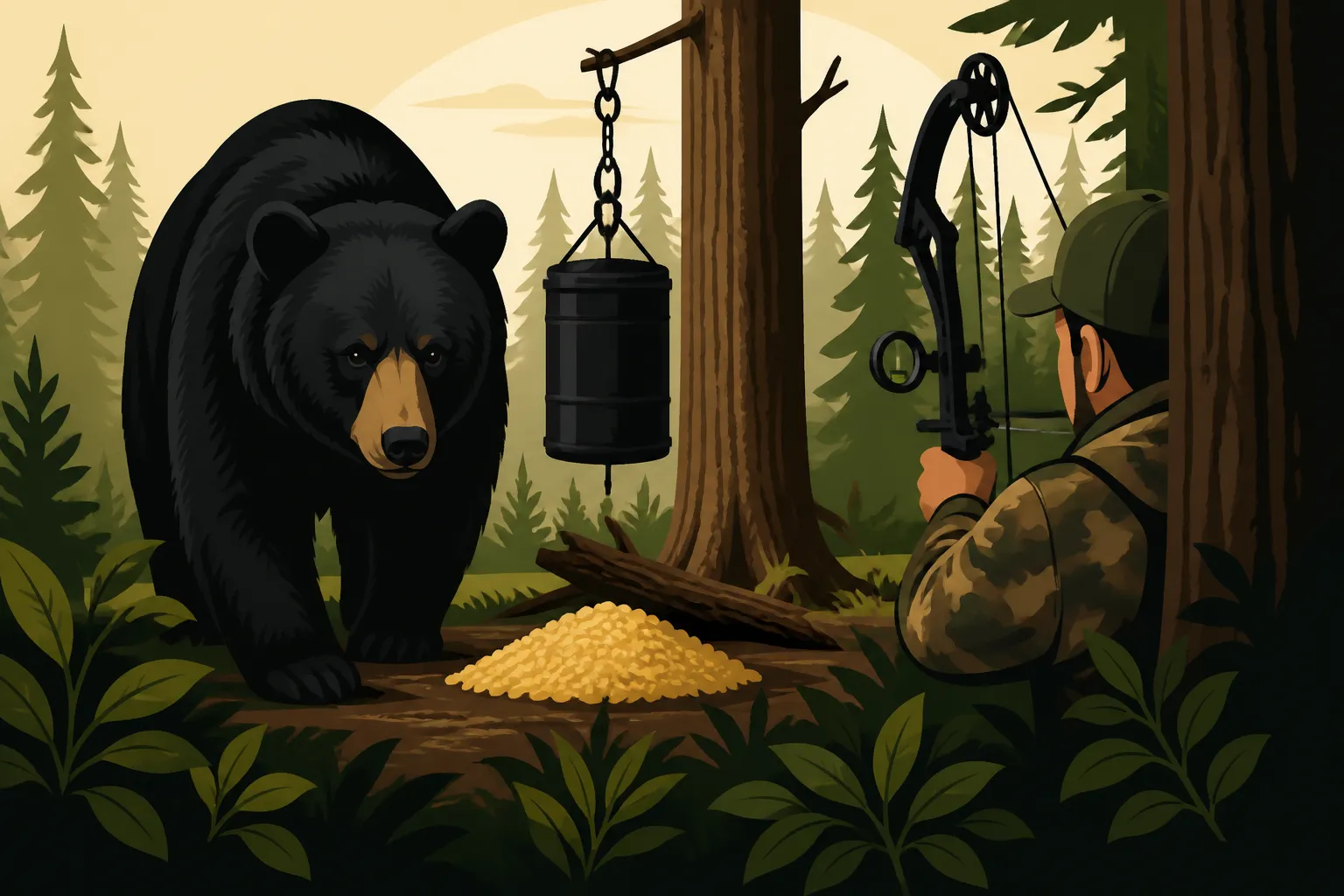
For the bait itself, use natural elements to conceal your bait container. A heavy-duty plastic barrel or a sturdy wooden box is often used, but it needs to be hidden from casual view. You want to make it look like a natural part of the environment, not a neon sign screaming "human food here!" Use logs, branches, and brush to cover and blend your barrel into the surroundings. This not only makes bears feel more comfortable approaching but also deters curious passersby, whether human or animal. The less disturbance you create, and the more natural your site appears, the more confident and consistent the bears will be in visiting.
The Art of Building and Freshening a Bear Bait
Getting a bear to consistently visit your bait isn't a one-and-done deal. It's an ongoing commitment, a dance between enticing them with irresistible treats and maintaining their interest. This process starts long before the season and requires dedication and a keen understanding of bear behavior.
Initial Baiting Strategies The Sweetener
The first few bait drops are often the most critical. You're not just feeding bears; you're announcing your presence and tempting them to explore a new food source. For this initial phase, many successful baiters focus on what's often called "the sweetener." This means using highly aromatic and potent baits that can draw bears from a distance. Think strong-smelling bakery goods like donuts, pastries, and even candy bars with lots of sugar and fat. Some hunters will also use commercial bear attractants, like anise oil, cherry extract, or even bacon grease, to douse logs or nearby trees, creating an olfactory billboard that screams "free food!"
The goal here is to create an immediate, overwhelming attraction. You want that smell to carry on the wind and pique the interest of any passing bear. Don't be afraid to make a little mess with these initial drops, scattering some tempting morsels around the main bait barrel to encourage them to investigate. Consistency is key even at this stage; try to hit your sites at regular intervals, say every three to four days initially, to establish a routine. The sooner a bear finds and trusts your bait, the sooner it will become a regular visitor, setting the stage for your hunt.
Maintaining and Monitoring Your Site
Once bears start hitting your bait, the focus shifts to maintaining their interest and, crucially, monitoring their activity. This involves regular replenishment of bait and strategic use of trail cameras. You want to keep the bait barrel full enough that bears don't clean it out completely, which might make them think the food source is unreliable. However, you also don't want to overfeed them to the point they become satiated and wander off. It’s a delicate balance. Many hunters aim to visit their baits every 3-5 days, topping off with a mix of high-calorie, longer-lasting items like dog food or oats mixed with molasses, alongside fresh bakery goods or candy.
Trail cameras are indispensable tools for monitoring your sites. They tell you what bears are visiting, when they are visiting (day or night), and how frequently. This information is gold for planning your hunt. If you're consistently seeing a large boar coming in at sunset, you know exactly when and where to set up. Cameras also alert you to other animals (coyotes, raccoons, smaller bears) that might be stealing bait, allowing you to adjust your strategy. When setting up your camera, consider using Trail Cameras on a Minnesota Bait Site to capture clear photos without spooking the bears. Always approach your bait from a consistent direction, using scent control measures to minimize disturbance.
Dealing with Unwanted Visitors Other Animals
It's inevitable that your bear bait will attract more than just bears. Raccoons, skunks, coyotes, and even birds are opportunistic eaters and will quickly discover your free buffet. While some minor scavenging is expected, excessive activity from these "unwanted visitors" can deplete your bait, drive away bears, and ultimately undermine your hunting efforts.
One of the best ways to deter smaller critters is to use sturdy bait containers that are difficult for them to access. A heavy-duty steel drum or a reinforced wooden box with a lid bolted down can prevent raccoons and skunks from cleaning out your bait too quickly. Some hunters even dig a partial hole for their barrel and use heavy logs or rocks on top. For coyotes, which can sometimes be bold enough to scare off smaller bears, strategies might include increasing the amount of bait so there's enough for everyone, or even trying to scare them off during your bait checks if they become a consistent problem. Ultimately, the goal is to make the bait most accessible and rewarding for bears, minimizing the impact of these other scavengers to keep your prime targets coming back.
Effective Stand Placement and Hunting Strategies
With a consistent bear hitting your bait, the moment of truth approaches. Setting up your stand for the shot is as strategic as baiting itself, requiring careful thought about wind, access, and shot opportunities. This isn't just about hanging a stand; it's about creating an effective ambush.
Optimal Wind and Approach Considerations
Bears rely heavily on their sense of smell, so playing the wind is arguably the most critical factor in stand placement. You absolutely must position your stand so that your scent blows away from the bait site, or parallel to it, never directly towards it. This often means scouting prevailing winds for your chosen site and having a backup plan for different wind directions, or even setting up multiple stands. A tool like GoHunt's wind prediction feature can be incredibly helpful here, allowing you to visualize wind direction hours and even days in advance. Don't guess; confirm the wind direction with a simple wind checker powder before you ever climb into your stand.
Beyond the wind, consider your approach and exit routes. You want to be able to get to and from your stand without alerting any bears that might be in the vicinity or approaching the bait. This means quiet footing, dense cover for concealment, and routes that don't cross active game trails or expose you in open areas. The less disturbance you create, the more likely a bear is to show up confidently. Think about how a bear will approach the bait and how you can remain undetected during those critical minutes.
Treestand vs. Ground Blind Tactics
The choice between a treestand and a ground blind often comes down to personal preference, the specific terrain, and your comfort level. Each has its pros and cons for bait hunting.
Treestands offer a higher vantage point, which provides a better view of the bait site and the surrounding area. This elevated position also helps with scent dispersal, lifting your scent plume above the immediate ground level. A treestand can give you a safer shooting angle down into the bear, reducing the risk of hitting bone and improving penetration. However, hanging a treestand requires a suitable tree, careful setup for safety (always use a harness and lifeline!), and you're more exposed to the elements. For those venturing into Treestand Setups in Minnesota Hardwoods, ensure you choose a tree that offers good cover from all angles.
Ground blinds, on the other hand, offer excellent concealment and can be used almost anywhere, regardless of tree availability. They provide a comfortable, enclosed space, which is great for long sits in inclement weather. The downside is that you're at ground level, which makes scent control even more paramount. Bears might be able to see into the blind if you're not well-camouflaged, and the shooting angle is flatter, requiring precise shot placement. If you choose a ground blind, make sure it's brushed in thoroughly and set up well in advance of your hunt so bears can get used to its presence. For tactics on Using a Ground Blind on Minnesota Public Land, concealment is king. The best choice ultimately depends on your specific bait site and hunting style.
Patience and Shot Opportunities
Bear hunting over bait is often a test of patience. Bears, especially larger, older boars, are incredibly wary. They might circle the bait for a long time, use the cover of darkness, or approach from unexpected directions. Be prepared for long sits, especially during the prime evening hours when bears are most active. This is where comfortable seating, quiet clothing, and minimal movement become essential.
When a bear finally approaches, resist the urge to immediately raise your weapon. Watch the bear. Let it settle in and start feeding. This gives you time to assess its size, identify a clean shot opportunity, and calm your nerves. Bears present a unique challenge for shot placement due to their thick hide, fat layers, and heavy bone structure. You're aiming for the vitals, typically the lungs and heart, which are located in the shoulder-chest area. Wait for the bear to present a broadside or slightly quartering-away shot. Never take a frontal shot on a bear. Knowing the Shot Placement on a Minnesota Black Bear is absolutely critical for a clean, ethical kill. Once you commit to the shot, follow through, and be prepared for the bear to react quickly.
Post-Harvest Considerations and Best Practices
Harvesting a bear is an incredible accomplishment, but the work isn't over when the shot rings out. Proper post-harvest care is crucial for respecting the animal, ensuring delicious table fare, and fulfilling your legal obligations.
Tracking and Recovery of a Bear
Unlike deer, bears often don't leave a bright blood trail, especially with a good fat layer. Their thick hair can "wick" up blood, making tracking a challenge. Even with a seemingly perfect shot, a bear can cover a surprising distance. After the shot, give the bear time – at least 30 minutes for a good shot, and often several hours for a marginal hit. This allows the animal to expire and prevents you from pushing a wounded bear. Mark the exact spot where the bear was standing when you shot it, and where you last saw it, with flagging tape or brightly colored markers.
Begin tracking slowly and deliberately. Look for any sign: overturned leaves, broken branches, disturbed moss, hair, and even subtle blood smears. Bears often crash into the densest cover they can find. If you lose the trail, back out and rethink. Consider bringing a friend to help with the tracking grid search. If you’re hunting later in the season, Tracking a Deer in Fresh Minnesota Snow offers similar principles that can be applied to bears, looking for disruptions in the environment. Having a good GPS unit or a mapping app like GoHunt to mark your trail and the last known position is invaluable, especially in the vastness of the Forest Zone.
Meat Care and Processing
Bear meat is surprisingly good, but proper care in the field is essential to ensure its quality. Bears have a thick layer of fat that can spoil quickly, especially if temperatures are warm. As soon as you recover the bear, begin the field dressing process. Remove the entrails as quickly as possible to allow the carcass to cool. If you're in a remote area and need to pack out the meat, consider skinning and quartering the bear in the field. This significantly reduces the weight you have to carry.
Cooling the meat rapidly is paramount. If temperatures are warm, get the meat on ice in coolers as soon as possible. Even in cooler weather, hanging the carcass or quarters to allow air circulation will help. Bear meat should be handled similarly to pork due to the potential for trichinosis. This means cooking it thoroughly to an internal temperature of at least 160°F (71°C). Many hunters process their own bear meat, making delicious roasts, steaks, and sausage. Others take it to a professional processor. Remember, properly Handling Bear Meat Safely ensures not only great meals but also peace of mind.
Packing Out Your Harvest
Minnesota black bears can be heavy, with large boars easily tipping the scales at 300-500 pounds or more. Getting a whole bear out of the deep woods can be a monumental task. If you’re hunting close to a forest road and have a vehicle, a deer cart or game sled can be a lifesaver. For more remote locations, you'll almost certainly need to quarter the bear.
A heavy-duty frame pack is ideal for carrying out quarters, hide, and head. It's often a multi-trip affair, requiring serious physical effort. Make sure you have game bags to protect the meat from dirt, insects, and debris during the pack out. Plan your extraction route in advance and be realistic about the effort involved. Don't be afraid to ask for help from hunting partners. The pride of packing out a bear you've successfully baited and harvested is immense, but it's hard work. Ensure you understand all the Minnesota Bear Registration Rules and register your bear within the specified timeframe after harvest.
| Bait Type | Effectiveness for Bears | Pros | Cons | Cost/Availability |
|---|---|---|---|---|
| Bakery Goods | High (especially sweets) | Highly aromatic, immediate draw, high calories | Can spoil quickly, messy, attracts smaller animals | Often inexpensive (stale goods from bakeries) |
| Hard Candy/Jell-O | High (sweet, long-lasting) | Very sweet, melts slowly, good long-distance draw | Can be expensive, attracts insects | Moderate to high (bulk buys can reduce cost) |
| Dog/Cat Food | Medium-High (protein) | Readily available, high protein, long-lasting | Less aromatic than sweets, can get soggy | Moderate (bulk bags are economical) |
| Molasses/Syrup | High (aroma, sweetness) | Excellent attractant, binds other baits | Messy, attracts insects, can be expensive in bulk | Moderate to high (gallon jugs are common) |
| Grease/Fats | High (calories, aroma) | Strong smell, high energy, good long-term draw | Can attract other predators (coyotes), very messy | Often inexpensive (restaurant waste, bacon grease) |
| Oats/Corn | Medium (filler, calories) | Inexpensive, good base for other baits, holds scent | Less attractive alone, needs to be mixed | Low (farm supply stores) |
Disclaimer
Please remember that hunting regulations and best practices can change. Always consult the official Minnesota Department of Natural Resources (DNR) website or their latest hunting regulations handbook for the most current and accurate information before planning and executing any hunting activities. This guide is for informational purposes only and does not supersede state or federal laws.