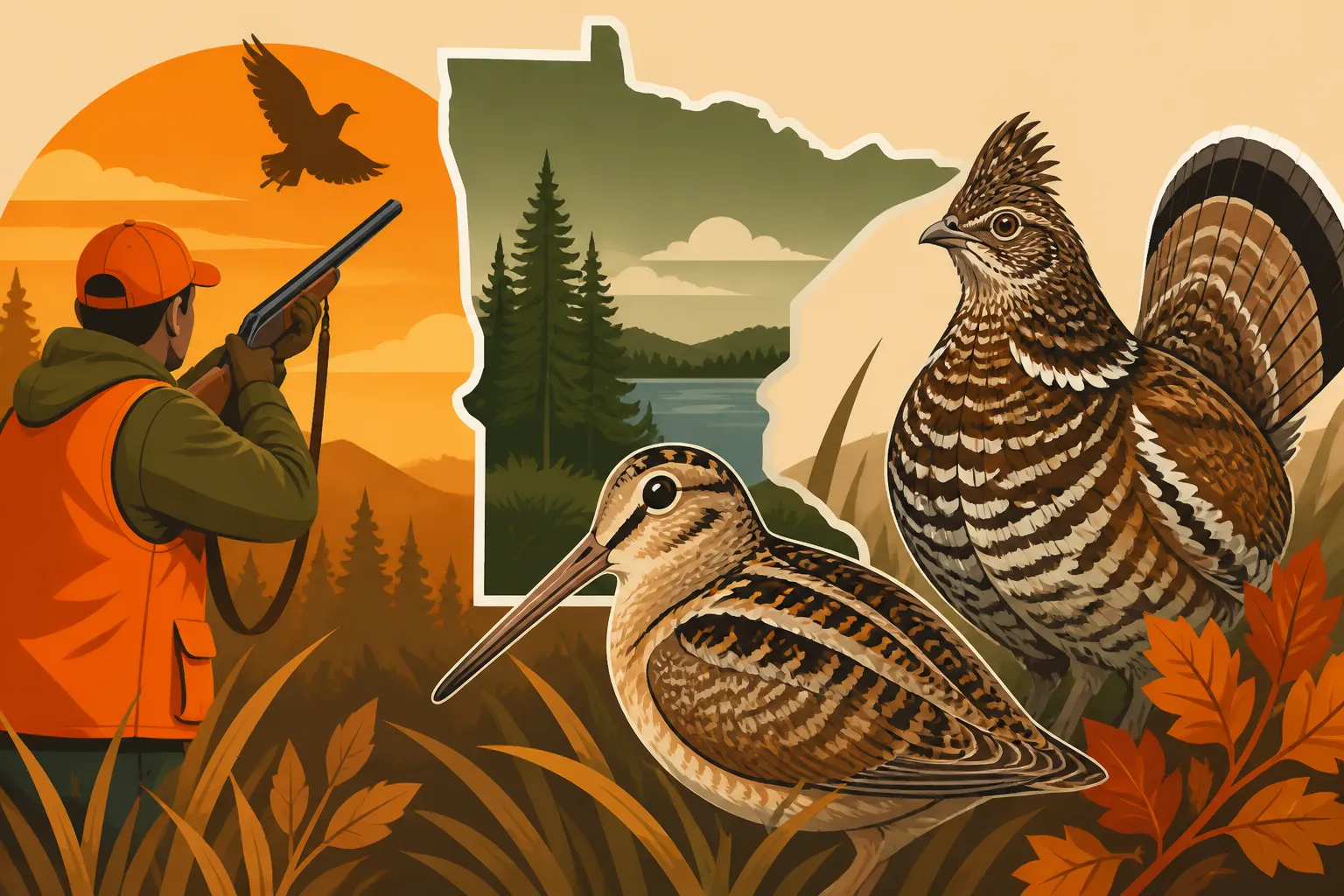
Minnesota Grouse and Woodcock Seasons
Navigating the specific season dates and nuanced regulations for pursuing ruffed grouse and American woodcock in Minnesota can feel like a real puzzle, especially when you're just eager to get out into the woods. It's tough to plan a hunt when you're unsure if you're even legally allowed to be afield, let alone what limits apply. This comprehensive guide is designed to cut through that confusion, giving you all the vital information you need to confidently plan and enjoy your Minnesota grouse and woodcock seasons.
Understanding Minnesota's Grouse Season
Ruffed grouse hunting is a time-honored tradition for many Minnesotans, a challenging pursuit that takes you deep into the state's vibrant forests. But before you lace up your boots and grab your shotgun, it’s crucial to understand the specifics of the season, bag limits, and what's expected of you as a hunter. The DNR does a great job of setting up seasons to allow for sustainable hunting while providing ample opportunity for hunters to enjoy the woods.
Typical Season Dates and Bag Limits
For many of us, the opening day of ruffed grouse season marks the unofficial start of fall. In Minnesota, the season for ruffed and spruce grouse typically opens in mid-September, usually the Saturday closest to the 16th, and runs through the end of the year, December 31st. That's a nice, long season, giving hunters plenty of opportunities to hit the timber, from the crisp, colorful days of early fall right through to the quiet, snow-dusted woods of late December. Knowing these dates is step one in planning your hunts, whether you're heading out for a quick evening walk or a multi-day trip up north. This extended season allows for great flexibility, letting you adapt to weather patterns and bird activity.
When it comes to how many birds you can take, the daily bag limit for ruffed and spruce grouse is usually set at five birds. This means you can harvest up to five grouse in a single calendar day. The possession limit, which is the maximum number of birds you can have on hand, including those at home, in camp, or in your vehicle, is typically ten birds. These limits are in place to ensure that populations remain healthy and that everyone gets a fair shake at pursuing these iconic forest birds. Always double-check the current year's regulations on the Minnesota DNR website, as these can occasionally be adjusted based on population surveys or other management considerations, although they tend to be very consistent year to year for grouse.
Prime Time for Ruffed Grouse Hunting
While the season stretches for months, not all hunting days are created equal. Many seasoned grouse hunters will tell you that the true "prime time" for ruffed grouse hunting in Minnesota often falls into a few distinct windows. Early season, right after the opener in September, can be fantastic. The leaves are still on the trees, providing thick cover, and young birds are often less wary. This period is great for those who love busting through thickets and enjoying the vibrant fall foliage. The grouse are often found in denser, brushier cover during this time, making for some challenging but rewarding flushes. You'll want to move slowly and deliberately, paying close attention to any subtle movements or sounds.
As the season progresses into late October and early November, the leaves begin to drop, which significantly improves visibility in the woods. This is when many hunters find their most success, as the grouse are easier to spot, and shooting lanes open up. It's also often when the "grouse cycles" come into play, with bird numbers peaking or dipping depending on the multi-year population trends. If you're looking for peak activity and easier shooting, this can be the sweet spot. Later in the season, particularly after the first significant snowfalls, grouse will often move to conifer stands for thermal cover, and their diet shifts to buds and catkins. This offers a different kind of challenge, often requiring a keen eye for tracks in the snow and knowledge of their winter food sources. Understanding where Minnesota Ruffed Grouse Numbers Today stand can help you set realistic expectations for your hunts.
Key Regulations and Licensing
Beyond the dates and bag limits, there are a few other regulations crucial for grouse and woodcock hunters in Minnesota. First and foremost, you'll need a valid Minnesota small game hunting license. This is your ticket to pursuing not just grouse and woodcock, but also other small game species like squirrels and rabbits. If you're a Minnesota resident, the process is straightforward, and licenses can be purchased online through the DNR’s eLicense system, at authorized agents, or by phone. Non-residents also have options for purchasing licenses, though the costs differ. Remember, you must carry proof of your license while hunting, whether that's a physical copy or an electronic version on your phone.
Another vital requirement for anyone hunting migratory game birds, which includes woodcock, is federal migratory bird stamp validation and registering for the Harvest Information Program (HIP). Even though woodcock are small game, they're migratory, so HIP certification is mandatory. This is a free, quick process that helps wildlife agencies gather important data on hunter participation and harvest. While it's not needed for ruffed grouse (which are not migratory), it's a good habit to take care of it annually if you plan to hunt any migratory birds. Always check the DNR's "Minnesota Small Game and Upland Bird Seasons" guide for the most up-to-date and comprehensive list of rules, including any specific regulations for public lands or wildlife management areas you plan to visit.
Deciphering Minnesota's Woodcock Season
While ruffed grouse get a lot of attention, the American woodcock offers a unique and equally thrilling hunting experience in Minnesota. These quirky, long-billed birds are migratory, meaning their presence in the state is transient, dictated by their breeding and migration patterns. Understanding their season and habits is key to successful hunts. They're often found in similar cover to grouse, making them a fantastic bonus bird for many upland enthusiasts, but they do have specific habitat preferences.
Woodcock Season Dates and Migration Windows
The season for American woodcock in Minnesota typically opens right around the same time as ruffed grouse, usually in mid-September, and generally runs for about 45 days. This shorter season, compared to grouse, is a direct reflection of their migratory nature. Woodcock spend their summers breeding in northern states like Minnesota and then migrate south to warmer climates for the winter. So, unlike grouse, you have a limited window to pursue them before they pack their bags and head off. This makes timing your hunts crucial.
The "migration window" is the real game-changer for woodcock hunters. While you can find resident birds early in the season, the true influx, and often the best hunting, happens when the main flight of woodcock passes through. This usually kicks into high gear in late September and continues through October, especially after the first significant cold fronts push south. A good rule of thumb is to look for that golden week or two when the leaves are really starting to turn and the nighttime temperatures dip. This is when birds from further north are pushing through, congregating in prime cover before making their final push south. Paying attention to "Minnesota's Place on the Woodcock Flight" can give you an edge, as local conditions and weather fronts heavily influence their movements.
Bag Limits and HIP Certification
Just like grouse, woodcock have specific bag and possession limits designed to manage the population responsibly. The daily bag limit for woodcock is typically three birds, which is considerably lower than that for ruffed grouse. This reflects their sometimes lower population densities and the need for careful management of a migratory species. The possession limit for woodcock is usually nine birds. Again, these numbers are subject to change, so always verify them with the current year's DNR regulations before heading afield.
As mentioned previously, the Harvest Information Program (HIP) certification is absolutely mandatory for woodcock hunters. This isn't just a suggestion; it's a federal requirement for anyone hunting migratory game birds. When you purchase your small game license, you'll typically be asked if you plan to hunt migratory birds, and if so, you'll complete a brief survey. It's a simple, free process that helps the U.S. Fish and Wildlife Service and state agencies track harvest data, which is vital for setting future seasons and managing populations effectively across their entire migratory range. Failing to complete HIP certification, even accidentally, can result in a fine if you are checked by a conservation officer.
Finding Woodcock Habitat
Woodcock are unique in their habitat preferences, and knowing what to look for can significantly increase your success. They love moist, young deciduous forests, particularly those with rich, loamy soil where earthworms, their primary food source, are abundant. Think alder runs, willow thickets, and young aspen stands near water. They often prefer areas with a dense, shrubby understory that provides cover from predators, but still allows them to probe the ground for worms. Unlike ruffed grouse who can be found in a broader range of forest types, woodcock are quite particular.
Look for areas with dense, young alders along creek bottoms, drainage ditches, or the edges of beaver ponds. Overgrown fields or old clear-cuts that have regenerated with young aspen, birch, or maple can also be hot spots, especially if they have some moisture. Woodcock will also utilize conifer edges for roosting and thermal cover, especially during colder periods, so don't overlook those transitions. Using tools like the Minnesota DNR's Recreation Compass or mapping apps like GoHunt can be invaluable here. You can layer satellite imagery with public land boundaries and even identify potential cover types to scout from home, pinpointing those low-lying, shrubby areas that scream "woodcock." They're not always easy to find, but once you locate a pocket of good habitat, you can often find multiple birds.
Here's a quick comparison of the two:
| Feature | Ruffed Grouse (Bonasa umbellus) | American Woodcock (Scolopax minor) |
|---|---|---|
| Season Dates | Mid-Sept – Dec 31st (approx.) | Mid-Sept – Late Oct (approx. 45 days) |
| Daily Bag Limit | 5 birds | 3 birds |
| Possession Limit | 10 birds | 9 birds |
| Primary Habitat | Young aspen/birch forests, mixed hardwoods, conifer edges, dense cover | Moist, young deciduous thickets (alder, willow, young aspen), rich soil near water |
| Food Source | Buds, catkins, berries, insects | Earthworms (primarily), some insects |
| Migration | Resident | Migratory (HIP certification required) |
| Vocalization | "Drumming" | "Peeent" call, spiraling flight |
| Hunting Strategy | Flush dogs, walking, still-hunting | Pointing dogs, walking dense cover |
Where to Find Grouse and Woodcock in Minnesota
Finding good grouse and woodcock cover is arguably the most challenging and rewarding aspect of upland hunting. It’s not just about looking at a map; it's about understanding habitat, forest management, and the specific needs of these birds. Minnesota is blessed with vast tracts of public land, offering incredible opportunities for hunters willing to explore.
Aspen Management Areas for Ruffed Grouse
When it comes to ruffed grouse, "young aspen" is almost synonymous with prime habitat. The DNR and other land management agencies actively manage forests, often using clear-cutting, to create the necessary young forest stages that grouse thrive in. These new growth areas, typically 5 to 25 years post-harvest, provide the dense stem count and varied understory that grouse need for food, cover, and breeding. You’ll often find these areas in northern Minnesota, especially within state forests and the large national forests. For more detail, look into topics like "Aspen Management and Minnesota Grouse" to understand how these critical habitats are maintained.
To locate these spots, you'll want to focus on areas that have seen recent timber harvest. Forest management plans and aerial maps are your best friends here. The Minnesota DNR’s website has mapping tools that can show timber sales and harvest dates, which can give you a massive head start. Looking for those bright green or light green patches on a satellite map, indicating young, dense growth, is key. Areas like the Cloquet Valley State Forest, Rum River State Forest, or the vast expanses of the Superior and Chippewa National Forests are renowned for their grouse populations. These regions often have a mix of logging roads and trails, making access relatively straightforward, though getting off the beaten path is often where the best hunting truly begins.
Alder Runs and Young Hardwoods for Woodcock
For woodcock, your focus shifts slightly from large, regenerating clear-cuts to more specific, often wetter, pockets of habitat. As we touched on, alder runs are classic woodcock cover. These dense, brushy strips often follow small creeks, seepages, or are found on the edges of swamps and low-lying areas. The key is that rich, moist soil for the worms. While grouse might be on the dry ridge above, woodcock will be down in the alder thicket below.
Additionally, don't overlook young, regenerating hardwood stands, especially those that have a good mix of species like aspen, birch, and maple, and are near a water source. Sometimes these can be overlooked by grouse hunters focusing purely on aspen, but a mixed young hardwood forest with a good understory can hold both birds. Exploring areas like the Whitewater WMA in southeastern Minnesota or other river bottoms throughout the state might surprise you with good woodcock numbers, especially during migration. These birds often use transition zones where different habitat types meet, offering a variety of food and cover.
Utilizing Public Land Resources and Maps
Minnesota boasts an impressive amount of public land, perfect for upland bird hunting. From Wildlife Management Areas (WMAs) to State Forests and National Forests, the opportunities are vast. Knowing how to find and navigate these areas is paramount. The Minnesota DNR's Recreation Compass map tool is an absolute treasure for any hunter. It allows you to view public land boundaries, habitat types, and even potential access points, whether you're planning a trip to the Superior and Chippewa National Forest Hunting areas or exploring a local WMA. You can easily find out how many acres of public land Minnesota has with this tool.
Beyond the DNR, there are excellent private mapping applications like GoHunt. Tools like GoHunt layer detailed satellite imagery, private and public land boundaries, and topographical data, which can be immensely helpful for scouting potential hunting spots from your living room. You can mark waypoints, measure distances, and even see historical aerial photos to track changes in forest cover. This kind of detailed information helps you pinpoint those promising young aspen stands or that elusive alder bottom, ensuring you spend less time guessing and more time hunting. While the DNR's tools are robust, external apps often offer additional layers of detail and user-friendly interfaces that many hunters appreciate for efficient scouting and navigation in the field, especially when cell service is spotty.
Essential Gear and Tactics for Upland Birds
Successful grouse and woodcock hunting isn't just about finding the right cover; it's also about having the right gear and employing effective tactics. These birds offer fast-paced, challenging shooting, and being properly prepared can make all the difference between an empty game vest and a memorable day in the woods.
Shotguns, Loads, and Choke Selection
For ruffed grouse and woodcock, a lightweight, fast-swinging shotgun is your best friend. These are close-quarters shots, often through dense cover, so a heavy, long-barreled gun can be cumbersome. Most hunters prefer 20-gauge or 28-gauge shotguns, as they offer a good balance of light weight and sufficient patterning. However, a 12-gauge can certainly do the job, especially with lighter loads. The key is comfort and quick maneuverability. If you’re considering an upgrade, check out "Upland Guns for Popple and Alder" for some great recommendations on specific models and gauges.
When it comes to ammunition, you'll want fast-moving, smaller shot sizes. For grouse and woodcock, 7.5 or 8 shot is typically ideal. These smaller pellets create a dense pattern, increasing your chances of connecting with a fast-flying bird in tight quarters. You don't need heavy loads; standard field loads are perfectly adequate. As for chokes, an open choke is usually preferred. Improved Cylinder (IC) or Skeet choke are popular choices. These open patterns spread quickly, giving you a better chance at the close-range shots that are typical for these birds. Some hunters even run a Cylinder choke in their first barrel for those really close flushes and an Improved Cylinder or Modified in the second barrel for slightly longer shots.
Clothing, Footwear, and Safety Considerations
Hunting grouse and woodcock means busting brush, walking through dense cover, and often dealing with varying weather conditions. Your clothing and footwear need to be up to the task. Durable brush pants or chaps are almost mandatory to protect your legs from thorns, briars, and thick undergrowth. A good upland vest with plenty of game and shell pockets is also invaluable for carrying your birds, extra shells, and any other essentials. Layering is key, especially early in the season when mornings can be cool and afternoons warm. Think moisture-wicking base layers, an insulating mid-layer, and a durable, briar-resistant outer layer.
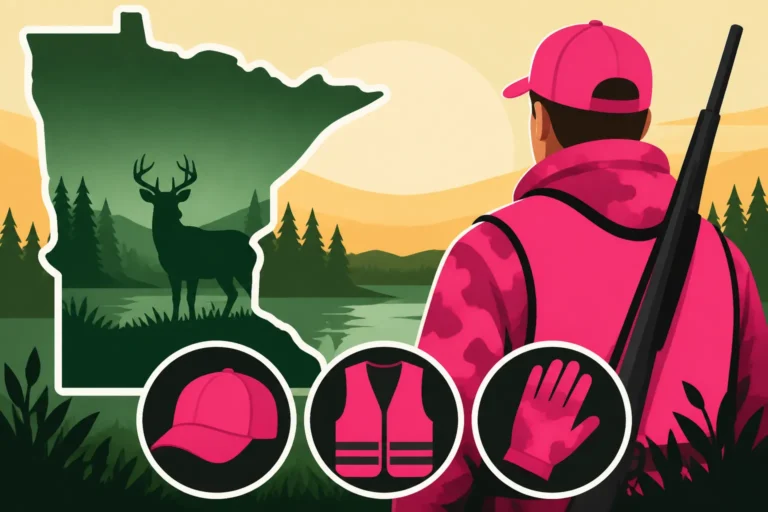
Footwear is equally critical. You'll be covering a lot of ground, often on uneven, wet terrain. Waterproof, comfortable boots with good ankle support are essential. Many hunters prefer a sturdy pair of leather upland boots or even rubber boots if hunting particularly wet areas. For tips on footwear, read up on "Boots for Walking Minnesota Popple Cuts." Safety is paramount. Always wear blaze orange (or blaze pink, which is also legal in Minnesota) to ensure you are highly visible to other hunters. A hat and vest are typically sufficient, but more coverage is always better, especially on heavily trafficked public lands. Always assume other hunters are in the woods and identify your target and what’s beyond it before taking any shot.
Hunting Strategies: Dogs vs. Flushing
There are two primary strategies for hunting grouse and woodcock: with a dog or by flushing them yourself. Both can be incredibly effective, and the choice often comes down to personal preference and available resources.
Hunting with a dog, particularly a pointing breed like a German Shorthaired Pointer, English Setter, or Brittany, is a classic approach. A well-trained bird dog can cover a lot more ground than a human, sniffing out birds that you might walk right past. The dog's ability to "point" a bird, holding it in place until you arrive, allows you to get into a good shooting position before the flush. This can significantly increase your shot opportunities and make the hunt incredibly exciting. For those interested in this approach, researching "Bird Dog Gear for Minnesota Cover" can provide insights into what you'll need for your canine companion. The camaraderie and teamwork with a good dog are unmatched, turning each hunt into a shared adventure.
On the other hand, many hunters successfully pursue grouse and woodcock without a dog, a method often called "still-hunting" or simply "walking them up." This involves moving slowly and deliberately through good cover, pausing frequently to listen and observe. Grouse will often "hold tight," allowing you to walk right by them before flushing explosively. By pausing, you often make the nervous bird flush when you're stopped, giving you a second to react. Walking thick cover and pushing through dense stands of young aspen or alder can be very effective, forcing birds to take flight. This method demands more physical effort and a keen eye for cover, but it's incredibly satisfying when a bird erupts from underfoot. Some hunters even incorporate light rattling or stick thumping to try and illicit a flush.
The Thrill of the Hunt and Conservation Efforts
Upland bird hunting in Minnesota is more than just bagging a bird; it’s about embracing the beauty of the fall woods, the challenge of the chase, and connecting with nature on a deeper level. It's a tradition passed down through generations, and it plays a vital role in wildlife conservation.
Why Upland Hunting Captivates So Many
There’s an undeniable magic to pursuing ruffed grouse and woodcock. It’s the crisp autumn air, the vibrant colors of the changing leaves, and the sudden, heart-stopping flush that sends adrenaline surging through your veins. Unlike deer hunting, which often involves long periods of stillness, upland hunting is dynamic and physically engaging. You’re constantly moving, reading the cover, and anticipating the next burst of feathers. It's a visceral experience that combines exercise, problem-solving, and the sheer joy of being immersed in wild places.
For many, it's also a deep connection to the land and its rhythms. You learn to interpret the landscape, understand habitat needs, and appreciate the intricate balance of the ecosystem. Whether you’re watching a bird dog work tirelessly through a thicket or experiencing the solitude of a quiet walk in the woods, the experience leaves a lasting impression. There's a certain satisfaction that comes from a well-executed shot on a fast-flying bird, a moment of skill honed through practice and persistence. The reward isn't just the delicious meal that follows but the memories made and the stories shared back at camp.
Monitoring Grouse and Woodcock Populations
The ability to enjoy these hunting experiences year after year isn't by chance; it's the result of dedicated conservation efforts and meticulous population monitoring. The Minnesota DNR, in conjunction with federal agencies like the U.S. Fish and Wildlife Service, conducts annual surveys to track the health and abundance of grouse and woodcock populations.
For ruffed grouse, drumming counts are a primary method. Biologists listen for the distinctive drumming sound made by male grouse during the spring breeding season. The number of drums heard per stop provides an index of the breeding population. These counts help inform wildlife managers about trends in grouse numbers, which are famously cyclical. Understanding "Minnesota Ruffed Grouse Cycles" is crucial for managing sustainable hunting seasons. For woodcock, singing-ground surveys are used, where biologists count the number of male woodcock performing their elaborate aerial courtship displays. This data, combined with hunter harvest reports (hence the importance of HIP certification!), allows agencies to make informed decisions about season lengths and bag limits, ensuring that hunting pressure remains sustainable and that these species thrive for future generations.
Participating in Conservation
As hunters, we are often the front-line conservationists, and our actions directly support healthy wildlife populations and habitat. The purchase of your Minnesota small game license and the federal migratory bird stamp (if hunting woodcock) directly funds wildlife management and habitat restoration efforts. A significant portion of these fees goes towards acquiring, maintaining, and improving public lands that benefit not only game species but countless other wildlife.
Beyond financial contributions, hunters can also get involved in various ways. Participating in citizen science efforts, reporting banded birds, or simply being vigilant about reporting suspicious activity can contribute valuable data. Supporting conservation organizations that focus on habitat work, like the Ruffed Grouse Society or Pheasants Forever (which also supports critical upland habitat), helps ensure that the forests and grasslands grouse and woodcock depend on remain healthy and abundant. Every time you lace up your boots and head into the Minnesota woods for grouse or woodcock, you're not just enjoying a recreational pursuit; you're actively participating in a rich tradition of conservation that benefits all wildlife.
Disclaimer
Please remember that hunting regulations can change. Always consult the official Minnesota Department of Natural Resources (DNR) website and current year's hunting regulations booklet before planning any hunting trip. This guide is for informational purposes only and should not be considered a substitute for official legal guidance.