Minnesota Deer Seasons and Permit Areas
Trying to make sense of Minnesota's deer hunting seasons and the maze of permit areas can feel like you need a law degree and a GPS just to figure out where and when you can hunt. It's not just about knowing the dates on the calendar; it's about understanding how the Minnesota Department of Natural Resources (DNR) manages our deer herd on a hyper-local level through these specific zones. This guide is here to untangle the complexities, walking you through the ins and outs of Minnesota's diverse deer seasons and the crucial role that permit areas play in shaping your hunting opportunities.
Understanding the Foundation: Minnesota's Deer Hunting Philosophy
Minnesota's approach to deer hunting is a careful balancing act, aiming to provide ample opportunity for hunters while maintaining a healthy, sustainable deer population across a wide range of habitats. It's a system that has evolved over decades, responding to everything from harsh winters and disease outbreaks to changes in land use and hunter preferences. The DNR isn't just throwing darts at a map when they set these regulations; there's a deep-seated scientific and sociological effort behind every decision.
Balancing Hunter Opportunity and Herd Health
It’s easy to feel frustrated when regulations change or when your favorite permit area has reduced antlerless tags. But these adjustments are often a direct response to on-the-ground conditions. In areas where deer numbers are high and landowner conflicts are common, like parts of the agricultural south, the DNR might push for higher antlerless harvests to keep the population in check. Conversely, after a particularly brutal winter in the northern forests, you might see more conservative tag allocations to allow the herd to rebound. This constant recalibration ensures that we, as hunters, are contributing to a healthy ecosystem, not just taking from it. The goal is always a robust deer herd that can withstand environmental pressures and continue to provide recreational opportunities for generations to come.
The Role of the DNR in Deer Management
The Minnesota DNR acts as the primary steward of our state's deer resources. They conduct extensive research, from aerial surveys and hunter harvest reports to CWD surveillance, to get a clear picture of deer populations and health. This data then informs their recommendations for season lengths, bag limits, and, most importantly, the designation of deer permit areas (DPAs). These decisions aren't made in a vacuum; they involve input from local wildlife managers, conservation groups, and public feedback. It’s a dynamic process, and understanding the DNR's mission to balance ecological health with hunter success is key to appreciating the structure of our deer seasons.
Navigating the Statewide Deer Seasons
While the permit areas dictate how many deer you can harvest, the statewide seasons define when you can hunt them and with what weapon. Minnesota offers a generous array of opportunities, catering to different hunting styles and preferences, stretching from early fall well into winter. Each season comes with its own set of challenges, traditions, and rewards.
Archery Season: Long and Flexible
For many, the archery season is the true start of deer hunting in Minnesota. It traditionally kicks off in mid-September, offering a long window that extends through much of December. This lengthy season allows archers to experience everything from warm, early-fall hunts to the intensity of the rut, and even late-season cold snaps. It's a fantastic opportunity to really get to know the deer in your chosen area, watching their patterns evolve through the changing landscape. For detailed opening dates, you can always check the official Minnesota Archery Season Dates to plan your early-season strategy. This extended season also means you need to be prepared for diverse weather conditions, from heat to snow, which dictates everything from your clothing choices to how you handle your harvested deer. Many archers cherish the quiet solitude of the bow season, focusing on stealth and close-range encounters.
Firearm Season: The Traditional Opener
The firearm season is, for many Minnesota hunters, an almost sacred tradition, often tied to family cabins and opening-day rituals. While many of the old "shotgun-only" zones have changed, the excitement and camaraderie remain. The season is typically divided into several firearm zones (100, 200, 300A, 300B), each with slightly different opening dates and durations. The 100 series, often covering the northern forests, usually has the earliest opening, which many hunters look forward to. Understanding these zone differences is crucial. For instance, the Minnesota 100 Series Firearm Opener is a major event for those hunting the big woods of northern Minnesota, drawing crowds and creating a unique hunting atmosphere. Knowing your zone dictates your opening day, your strategy, and even how you manage hunting pressure on public land. The energy of opening weekend, with camps buzzing and orange-clad hunters hitting the woods, is truly a Minnesota hallmark.
Muzzleloader Season: A December Challenge
For those who crave a truly late-season challenge, the muzzleloader season offers a unique experience, typically opening in late November or early December, after the main firearm seasons have concluded. By this point, Minnesota's landscape is often blanketed in snow, and deer are focused intently on accessible food sources. This season demands patience, cold-weather preparedness, and often, an intimate knowledge of deer behavior in winter conditions. The regulations for Minnesota Muzzleloader Season Dates are quite specific, and you'll need to be aware of legal equipment, as only specific types of muzzleloaders are permitted. Hunting with a muzzleloader adds an extra layer of difficulty and satisfaction, as you're typically dealing with single-shot opportunities and shorter effective ranges in often harsh conditions. It’s a time when many big bucks, having survived earlier seasons, might be more visible as they seek out critical calories before the deep freeze sets in.
Deciphering Minnesota's Deer Permit Areas (DPAs)
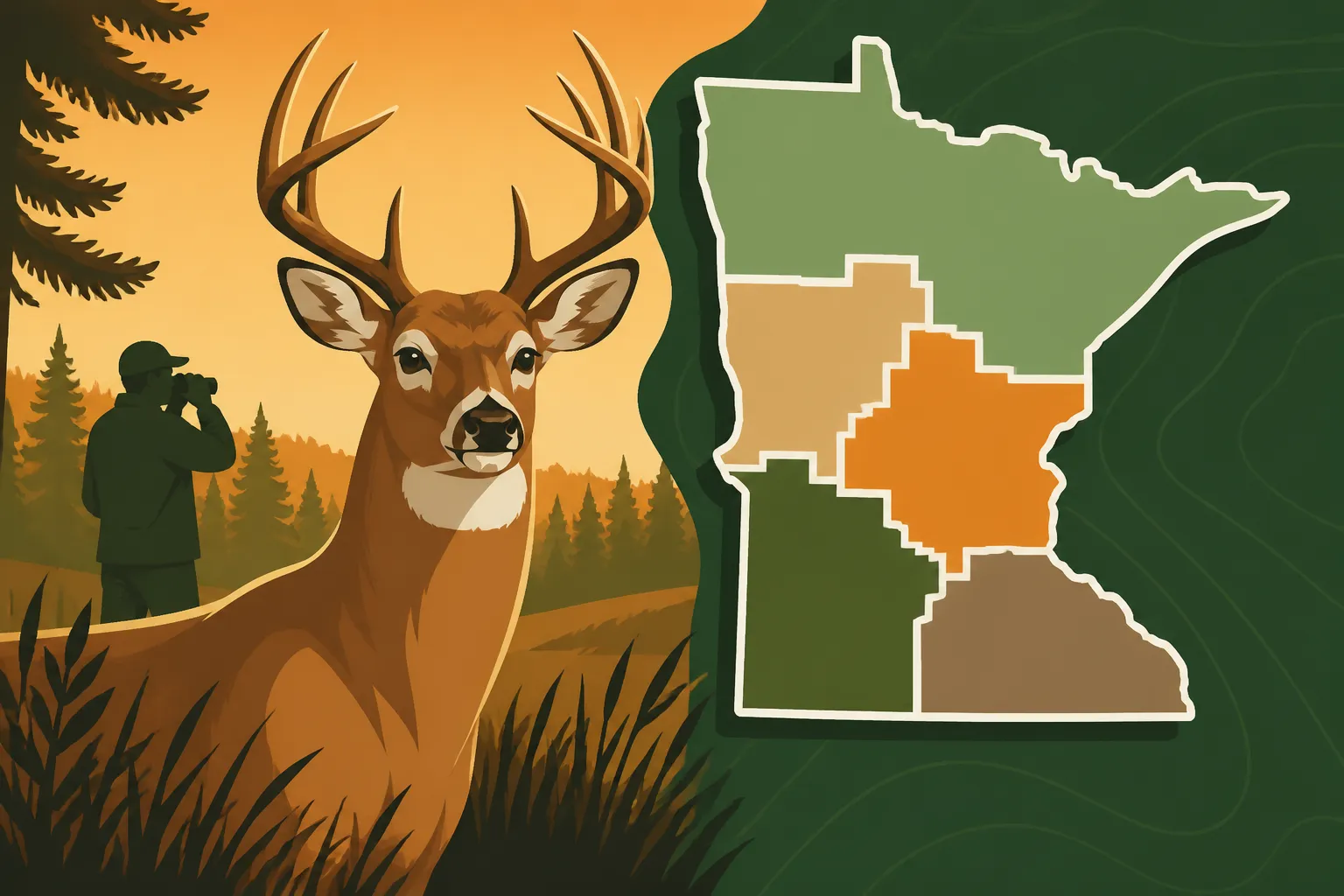
This is where many hunters start scratching their heads. Deer Permit Areas, or DPAs, are the backbone of Minnesota’s deer management system. They’re specific geographic zones, much smaller than the statewide firearm zones, that dictate the local deer population goals, antlerless permit availability, and ultimately, your bag limit. Ignoring DPA rules can lead to significant fines, so it’s absolutely critical to understand which DPA you’re hunting in and what its specific regulations entail.
Permit Area Categories: Intensive, Managed, Lottery, and Hunter Choice
Minnesota's DPAs fall into several categories, each with different objectives and rules for antlerless harvest:
- Intensive (formerly "Deer Population Goal: Increase"): These areas aim to reduce deer populations, usually due to high numbers, agricultural damage, or CWD concerns. They typically offer very generous antlerless opportunities, often allowing hunters to harvest multiple antlerless deer with additional tags. If you're looking to fill the freezer, an Intensive DPA is a great choice, allowing What an Intensive Permit Area Allows.
- Managed (formerly "Deer Population Goal: Maintain"): The most common category, Managed DPAs seek to keep deer populations stable within a target range. Antlerless permits are usually allocated through a lottery system, meaning you might or might not draw a tag for an antlerless deer.
- Lottery (formerly "Deer Population Goal: Decrease"): These areas aim to maintain or slightly reduce deer populations. Antlerless permits are strictly limited and allocated through a lottery. Drawing a tag in a Lottery DPA can be tough, as demand often outweighs supply. This is where What a Lottery Permit Area Requires becomes very clear – you must draw a permit to take an antlerless deer.
- Hunter Choice (formerly "Deer Population Goal: Increase"): These areas have very low deer densities, typically in the far northern forests, where the goal is to increase the population. Hunters are allowed to harvest either an antlered deer OR an antlerless deer without needing an antlerless permit. The restriction is you can only take one deer, period. This is often the case in areas with severe winters and challenging habitat.
Understanding these distinctions is paramount before you even step foot in the woods. The category of your DPA determines whether you need to apply for an antlerless permit, if you can buy bonus tags, and ultimately, how many deer you can legally harvest.
Finding Your Permit Area: Tools and Resources
Pinpointing the exact boundaries of your DPA is non-negotiable. Thankfully, the DNR and modern technology make this easier than ever. The DNR's website offers an interactive map where you can search by county or zoom in on specific locations to find your DPA number. Beyond that, many hunters rely on mapping apps like GoHunt, which overlays DPA boundaries directly onto satellite imagery and topographic maps. This is incredibly useful for knowing exactly where you stand, especially if you're hunting near a DPA boundary. Using a tool like GoHunt can save you a lot of headaches and potential violations, ensuring you are always within the correct regulations for Finding Your Minnesota Deer Permit Area. These apps are truly game-changers for navigating public land and understanding the nuances of different zones. They also often provide information on public land access and private land boundaries, which is invaluable for pre-season scouting.
| DPA Category | Population Goal | Antlerless Permit | General Bag Limit | Common Locations |
|---|---|---|---|---|
| Intensive | Reduce | Liberal/Bonus Buy | Multiple antlerless deer often allowed | Agricultural areas, CWD zones, suburban fringe |
| Managed | Maintain | Lottery | One antlered, one antlerless (if drawn) | Mixed forests, transition zones, some farm country |
| Lottery | Stable to Reduce | Lottery (Limited) | One antlered, one antlerless (if drawn, highly limited) | Northern forests, areas with lower deer density |
| Hunter Choice | Increase | No Lottery Needed | One deer total (antlered OR antlerless) | Far northern forests, areas recovering from harsh winters |
The Antlerless Lottery: Your Chance for More Deer
For many Minnesota hunters, especially those in Managed or Lottery DPAs, the antlerless lottery is a critical part of the hunting season planning. It's the process by which the limited number of antlerless tags are distributed, ensuring that harvest goals are met without over-harvesting the local deer population. Missing the deadline or misunderstanding the process means you’ll be limited to an antlered-only tag (or just one deer in a Hunter Choice area), which can be a real bummer if you're hoping to fill the freezer.
Application Process and Deadlines
The antlerless lottery isn't automatic; you have to actively apply. This application process usually opens in early August and has a strict deadline, typically around the first week of September. It's absolutely crucial to pay attention to these dates. The DNR will announce the specific deadlines each year, and you can apply online through their eLicense system or sometimes at authorized license vendors. When you apply, you'll select your preferred DPA. Remember, you can only apply for one DPA in the lottery. Missing the deadline, which is usually Applying for the Antlerless Lottery Before September 10, means you've forfeited your chance for an antlerless tag in a lottery or managed area for that year. It’s a small window, but the stakes are high for those wanting that extra opportunity. Many hunters set reminders or mark their calendars months in advance to ensure they don't miss this critical step.
Maximizing Your Odds in Lottery Areas
While it's a lottery, there are ways to approach your application strategically. If your primary goal is to harvest an antlerless deer, consider applying for an Intensive DPA, where your odds of drawing are typically much higher, or where antlerless permits are often available over-the-counter after the lottery. If you're set on a specific Managed or Lottery DPA, understand that some areas are simply more popular than others and drawing a tag can be difficult. It helps to research past drawing odds for your chosen DPA if that information is available. Some hunters might choose a less popular DPA if their goal is simply any antlerless deer, rather than holding out for a highly competitive area. Knowing the deer population status and the DNR's goals for a specific DPA can inform your strategy significantly. If you strike out in the lottery, don't despair; check the DNR website for leftover antlerless permits that may become available in certain Intensive areas.
Special Seasons and Considerations
Minnesota's deer hunting landscape isn't just about the main archery, firearm, and muzzleloader seasons. There are also specific opportunities and critical regulations that apply to certain groups of hunters or areas, reflecting the state's comprehensive approach to wildlife management and hunter inclusion. These special considerations are important for planning your hunt, especially if they apply to you or your hunting party.
Youth Deer Season: A Mentored Opportunity
One fantastic initiative in Minnesota is the special youth deer season. Typically held for a few days in mid-October, this season provides a dedicated, mentored hunting opportunity for young hunters (usually ages 10-17) before the regular firearm season opens. It’s designed to foster a love for hunting, teach responsible practices, and offer a less pressured environment for kids to learn. An adult mentor (who may not carry a firearm) must accompany the youth, making it a wonderful bonding experience. The rules for Hunting the Minnesota Youth Early Antlerless Season are specific, usually allowing youth to harvest one antlerless deer with certain license requirements. It’s a great way to introduce the next generation to hunting, often in milder weather conditions and with fewer hunters in the woods, increasing the chances of success and creating lasting memories.
Chronic Wasting Disease CWD Management Zones
Chronic Wasting Disease (CWD) is a serious concern for Minnesota's deer herd, and the DNR has established specific CWD Management Zones to monitor and control its spread. If you hunt in one of these zones, you'll encounter mandatory testing requirements for harvested deer and strict carcass movement restrictions. These rules are crucial for protecting the health of the broader deer population and are not optional. You'll need to know which quadrant requires Which Quadrant Requires Mandatory CWD Testing in 2026 and adhere to all guidelines, including where and when to submit samples. This might mean field dressing your deer in a specific way or knowing where the nearest CWD sampling station is located. It’s an inconvenient but necessary step for all hunters who care about the future of deer hunting in Minnesota. The DNR provides clear maps and instructions for these zones, which hunters must consult before heading out.
Special Hunts and Disability Permits
Beyond the general seasons, Minnesota also offers a variety of special deer hunts, often on specific public or private lands, or for populations that need additional management. These can include hunts in state parks, urban areas, or other limited-access locations, often requiring a separate application and lottery. Additionally, the DNR provides disability permits for hunters with certain physical limitations, which can allow for accommodations like hunting from a stationary vehicle. These programs aim to make hunting accessible to a wider range of individuals and to address very localized deer management needs. Information on these opportunities is usually released annually by the DNR and can be found on their website. It’s worth checking if you or someone you know might qualify or benefit from these specific programs.
Weapon-Specific Rules and Regulations
The tools we use to hunt deer are as varied as the seasons themselves, and Minnesota has specific regulations for each. Understanding what’s legal for your chosen method, and in your particular DPA, is fundamental to a responsible and successful hunt. The landscape of legal weapons has changed in recent years, especially concerning rifles, so staying up-to-date is more important than ever.
Rifles Statewide: A Game Changer
Perhaps the most significant change in Minnesota deer hunting regulations in recent years is the legalization of rifles for deer hunting statewide. For decades, much of central and southern Minnesota was designated "shotgun-only," leading to specific gear choices and hunting tactics. Now, hunters almost universally enjoy Why Straight-Wall Rifles Are Now Legal Statewide, opening up new possibilities for cartridge choice and effective range. This change means you no longer have to limit yourself to slug guns in many areas, though some hunters still prefer them. However, it's vital to note that some Thirteen Remaining Shotgun-Only Counties have retained their traditional slug gun-only restrictions. Always double-check your specific county and DPA regulations. This shift to statewide rifle legality has meant many hunters are now considering Choosing a Rifle Now That Shotgun Zones Are Gone and sighting in their rifles for longer distances than they might have previously, even if hunting in dense timber often means shots are still relatively close.
Shotgun-Only Counties: The Lingering Legacy
Despite the statewide rifle change, a small number of counties have chosen to retain the shotgun-only restriction for deer hunting. These are primarily located in the more densely populated or agricultural regions where public safety concerns or unique habitat characteristics influenced local decisions. It's an absolute must to verify the specific regulations for the county you plan to hunt in, as failing to do so could result in serious legal trouble. A quick check of Checking Your County's Shotgun-Only Ordinance will confirm if you need to dust off your slug gun. For hunters accustomed to these areas, it's business as usual, but for those new to hunting these specific counties, it's a critical detail that cannot be overlooked. Slug guns, especially those with rifled barrels and sabots, are still incredibly effective deer-getters at typical woodland ranges.
Archery and Crossbow Rules
The archery season has its own set of rules regarding legal equipment. Traditional longbows, recurve bows, and compound bows are all permitted, but there are minimum draw weight requirements to ensure ethical hunting. The use of crossbows in Minnesota has also evolved. While they used to be restricted to hunters with specific permits or during certain periods, Minnesota Crossbow Rules During Archery Season have become more inclusive. Now, crossbows are generally allowed for all hunters during the regular archery season. However, there might still be nuances around their use for those with disability permits or during youth seasons, so always consult the most current regulations. For any archer, regardless of bow type, it's essential to practice extensively, understand your weapon's effective range, and ensure your broadheads are sharp and properly set for a clean, ethical kill.
Planning Your Minnesota Deer Hunt: A Practical Guide
Okay, you've absorbed the regulations, understood the seasons, and figured out your DPA. Now it's time to put it all into action and plan your actual hunt. This involves everything from pre-season groundwork to ensuring you're legally compliant when you bag that deer. A well-planned hunt not only increases your chances of success but also ensures you're a responsible and ethical hunter.
Pre-Season Scouting and Permit Area Selection
Successful deer hunting in Minnesota, especially on public land, often starts long before opening day. Pre-season scouting is crucial for identifying deer sign, travel corridors, bedding areas, and food sources. Whether you're hunting the big woods of the north or the farmland fringes, understanding deer movement patterns is key. Use aerial maps, topographical maps, and tools like GoHunt to identify potential hotspots and plan your access routes. When choosing your DPA, consider deer density, habitat type, and public land access. If you're new to an area, look for resources like Scouting Minnesota Public Land Before Season to help you get started. Even if you don't find "the spot," you're learning the landscape, which is invaluable. Pay attention to early acorn crops, recent timber cuts (which provide excellent browse), and water sources. The more time you spend in the woods before the season, the better your chances when it counts.
License Requirements and Registration
Before you even think about heading out, ensure all your licensing ducks are in a row. You'll need a valid Minnesota hunting license, and depending on your chosen DPA and weapon, potentially an antlerless permit or other tags. It’s also wise to check the latest Minnesota Resident Deer License Cost or Minnesota Nonresident Deer License Cost to budget accordingly. Always carry proof of your license while hunting, whether it's a physical copy or stored digitally, as per Carrying Proof of License on Your Phone. If you're hunting with a youth, make sure they meet all Minnesota Hunter Safety Requirements. After you successfully harvest a deer, you are legally required to register it within 48 hours. This can typically be done online, by phone, or at authorized registration stations. This process helps the DNR collect vital harvest data for future deer management. Don't forget that if you're lucky enough to tag a deer in the firearm season, you'll still need to register it by The Minnesota Deer Registration Deadline.
Understanding Bag Limits and Bonus Tags
The bag limit defines how many deer you can legally harvest, and it varies significantly by DPA and season. In "Hunter Choice" areas, you're limited to one deer, either antlered or antlerless. In "Managed" and "Lottery" areas, you'll typically be able to take one antlered deer, and an antlerless deer if you successfully draw a permit. In "Intensive" areas, the regulations are often much more generous, sometimes allowing for multiple antlerless deer with the purchase of "bonus" tags beyond your initial license. This is a critical distinction, and understanding How Many Deer Tags You Can Buy for your specific DPA is paramount. Always double-check the current year's regulations for your DPA, as bag limits can change annually based on herd health and management goals. Never assume; always verify. These bonus tags, when available, are often a hunter's best chance to fill their freezer with delicious venison.
Disclaimer
The information provided in this guide is for general informational purposes only and does not constitute legal advice. Hunting regulations can change frequently, and it is the sole responsibility of the hunter to consult the most current Minnesota Department of Natural Resources (DNR) official regulations before participating in any hunting activity. Always confirm season dates, permit area rules, and legal methods directly with the Minnesota DNR.