Buying a Leftover Bear License in August
It’s easy to feel a pang of disappointment when August rolls around, and you realize you completely missed the boat on Minnesota’s bear hunting lottery. Many hunters assume that if they didn't apply by the spring deadline, their chances of tagging a bruin in the North Star State are gone for another year. But here’s a little secret that can turn that frown upside down: Minnesota often has leftover bear licenses available for purchase in August. This guide is your lifeline, walking you through exactly how to seize that unexpected opportunity and get yourself into the bear woods this fall.
The Minnesota Bear Lottery: Why Leftovers Exist
Before we dive into how to snag one of those precious leftover tags, it’s helpful to understand why they exist in the first place. Minnesota’s bear management system is a carefully balanced act, designed to maintain healthy bear populations while providing hunting opportunities and addressing potential conflicts with humans. This balance is primarily managed through a lottery system, and sometimes, not every permit area's quota is met, leading to leftover tags.
Understanding the Annual Application Process
The regular bear hunting season in Minnesota operates on a lottery system for most of its designated permit areas. Hunters typically need to apply for these permits by an early May deadline. When you apply, you select your preferred permit area, and if you've applied in previous years and weren't drawn, you start accumulating "preference points." These points increase your odds of being drawn in subsequent years, which can be a real game-changer, especially in highly sought-after areas with limited quotas. Many dedicated bear hunters meticulously plan their applications, often using resources like the GoHunt platform to analyze draw odds and strategize their point accumulation. It's a system designed to give everyone a fair shot over time, but it also means that initial demand often outstrips supply in popular spots.
How Permit Areas Are Allocated
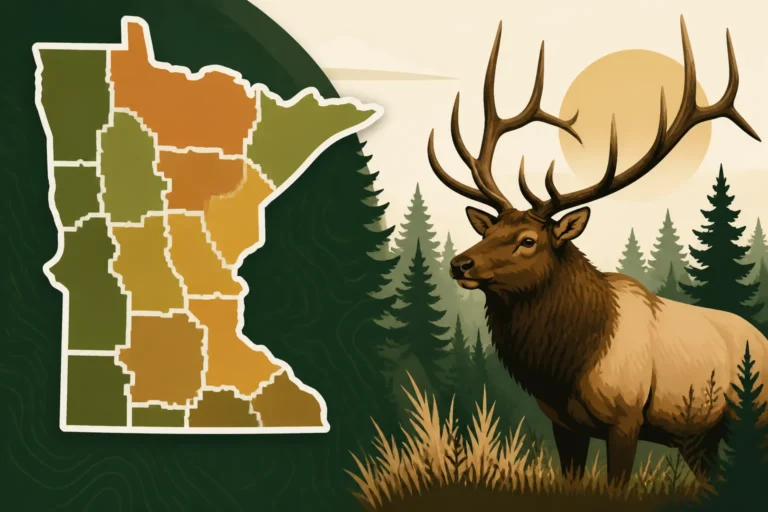
Minnesota's bear hunting landscape is divided into various permit areas, each with its own specific quota for the number of bears that can be harvested. The Minnesota Department of Natural Resources (DNR) sets these quotas based on population estimates, harvest data from previous years, and management goals for each region. Some areas, particularly those in the heavily forested northern parts of the state where bear populations are denser, might have higher quotas. Other areas, perhaps where bear numbers are lower or where there's less suitable habitat, will have much smaller quotas.
When the lottery draw happens in May or June, permits are allocated until these quotas are met. However, it's not always a perfect match. Sometimes, certain permit areas simply don't receive enough applicants to fill their quota. This could be due to a variety of factors: perhaps a particular area is less accessible, has a reputation for lower success rates, or maybe hunters are simply applying for more popular, higher-demand zones. Regardless of the reason, when the initial draw doesn't use up all the available permits in a given area, those unallocated permits become "leftover" tags, creating a golden opportunity for those who missed the initial application window. This is also where understanding areas like the no-quota bear area can be helpful in your overall strategy, though these areas typically don't have "leftover" tags in the traditional sense as they don't have a quota to begin with. You can explore more about Minnesota's Fifteen Bear Permit Areas to get a better sense of the various zones.
Your August Opportunity: Finding Leftover Bear Licenses
Now for the exciting part: how to actually get your hands on one of these leftover bear licenses. This is your chance to turn a missed deadline into a successful hunt, but it requires being timely and knowing exactly where to look.
When and Where to Look
Historically, the Minnesota DNR typically makes leftover bear licenses available for purchase in early to mid-August. The exact date can fluctuate each year, so it's absolutely crucial to keep an eye on the official Minnesota DNR website. This isn't a situation where you want to wait for an email to hit your inbox; you need to be proactive. Mark your calendar for the first week of August and make it a daily habit to check the DNR's "Hunting and Trapping" section, specifically looking for bear hunting updates. They will usually post a press release or an announcement clearly stating when and how these leftover permits will be sold.
The sale of these permits is often on a first-come, first-served basis, and it usually happens online through the DNR's electronic licensing system, eLicense. Imagine it like trying to grab tickets to a popular concert—you need to be ready right when they drop. Some hunters even set up multiple devices, ready to log in the moment the clock strikes the announced sales time. While official platforms like GoHunt don't directly sell licenses, they can sometimes provide alerts or analysis regarding expected leftover tags, giving you a heads-up on which areas might see availability. Remember, these permits can sell out very quickly, especially in areas that might be perceived as having decent bear populations or relatively easy access.
Identifying Available Permit Areas
When leftover licenses become available, the DNR will provide a list of the specific permit areas where tags are still open. This is where your pre-season scouting and research really pay off, even if you’re doing it on the fly. You’ll want to review the list and assess which areas are most viable for you.
Consider a few factors:
- Geographic location: How far is the permit area from your home? Can you realistically get there for scouting, baiting, and the actual hunt? Bear hunting often requires multiple trips to the bait site, so proximity is a genuine concern.
- Public land access: Does the area have ample public hunting land in Minnesota, or is it primarily private? Securing private land permission can be a challenge, especially on short notice. If you’re planning on Baiting Bears in Minnesota's Forest Zone, you'll need to know the specific regulations for that public land.
- Bear population and habitat: While these are "leftover" areas, some might still offer excellent opportunities. Look for areas with a mix of dense forest, swamps, and agricultural edges, as this diverse habitat often supports robust bear numbers. Websites like the DNR's Recreation Compass map tool can be invaluable for identifying land types and access points.
- Prior year success rates: If you can find historical data for these specific permit areas, it can give you a rough idea of hunting pressure and success rates. Some areas might consistently have leftover tags because they are genuinely challenging hunts, which could be a pro or con depending on your experience level and expectations.
You might find that some of the most popular areas, like certain zones in the big woods of northern Minnesota, rarely have leftovers. Instead, you might see tags for areas that are a bit more out-of-the-way, or perhaps smaller zones that simply didn't attract enough initial interest. Don't dismiss these! Sometimes, these less-pressured areas can offer a fantastic hunting experience with mature bears that haven't seen as many human encounters.
| Permit Area Category | Typical Lottery Demand | Likelihood of Leftover Tags | General Characteristics |
|---|---|---|---|
| High Demand Forest | Very High | Very Low | Large mature forests, good bear density, popular for baiting. |
| Moderate Demand Mixed | High | Moderate | Forested areas with some agriculture, good access, decent bear numbers. |
| Low Demand Southern | Moderate | High | More agricultural, smaller bear populations, less traditional bear habitat. |
| Remote/Challenging | Low | High | Very remote, difficult access, lower hunter pressure. |
| No-Quota Area (e.g., NW) | N/A | Always Available | Specific areas not subject to lottery, can be purchased anytime. |
Note: The "No-Quota Area" refers to a specific geographic region in Minnesota that doesn't operate under the traditional lottery system for bear tags. This is distinct from leftover tags which come from lottery areas that didn't fill their quota. While it provides an option if you miss the lottery, it’s not a "leftover" in the same sense.
Strategies for Securing a Leftover Tag
Once you know when and where the leftover licenses will drop, your next move is to prepare for the actual purchase. This isn't the time to be fumbling with your wallet or trying to remember your login credentials.
Speed and Preparation Are Key
Think of buying a leftover bear tag like a race. When the DNR announces the sale date and time, that’s your start gun. You need to be ready to sprint.
Here’s a checklist to ensure you’re prepared:
- Create or Update Your eLicense Account: Before the sale day, log into your Minnesota DNR eLicense account. Make sure all your personal information is current, including your address, phone number, and especially your DNR client ID. If you don't have an account, create one well in advance. Don't wait until minutes before the sale, as technical glitches or slow servers could cost you.
- Verify Hunter Safety: Ensure your hunter safety certification is properly linked to your eLicense account. You won't be able to purchase a big game license without it (unless you're an apprentice hunter under supervision). You can check the Minnesota Hunter Safety Requirements page for more details.
- Payment Method Ready: Have your credit card or other payment information readily accessible and memorized, or saved securely in your browser. Every second counts when these tags are selling out.
- Know Your Permit Areas: Review the list of potential leftover areas beforehand. Have a first, second, and even third choice in mind. If your top pick sells out immediately, you need to be able to pivot instantly to your next best option without wasting time scrolling and deliberating. GoHunt or similar resources might provide insights into which permit areas are historically less popular, increasing your chances.
- Be Online Early: Log into your eLicense account 10-15 minutes before the announced sale time. Refresh the page as the clock ticks down. You want to be poised to click "purchase" the moment the option becomes available.
- Understand the Minnesota Bear License Cost: While you're preparing, familiarize yourself with the exact cost of the license so there are no surprises at checkout.
Many successful hunters share stories of refreshing their browser over and over until the "add to cart" button appears. This might sound extreme, but for a desirable bear tag, it’s a strategy that often pays off.
What to Do If Your Preferred Area Is Gone
It’s entirely possible that even with all your preparation, the specific permit area you had your heart set on is already gone within seconds. Don't despair! This doesn't mean all hope is lost.
- Have Backup Areas: As mentioned, having several backup permit areas in mind is crucial. If Area A is sold out, immediately navigate to Area B or C. Sometimes, permits for areas that are a bit further north or are known to be tougher hunts will linger a little longer.
- Consider the No-Quota Zone: If all lottery permit areas are gone, remember that Minnesota has a "no-quota" bear area, typically in the far northwestern part of the state. These licenses are generally available over-the-counter and are not part of the lottery or leftover system. While it might mean a longer drive and potentially different hunting conditions (fewer established bait sites, more expansive public land), it's still a legitimate opportunity to hunt bear. It means you’ll need to adjust your strategy, perhaps focusing more on Hunting Bear Without Bait or Dogs or quickly establishing new bait sites.
- Check Back Later: Sometimes, a hunter might purchase a leftover tag and then realize they can't make the hunt or made a mistake. While rare, it's not unheard of for a permit to become available again if a purchase falls through or is cancelled. It's a long shot, but if you're truly desperate, an occasional check of the eLicense system in the days following the initial sale might yield a surprise.
- Plan for Next Year: If you miss out entirely this season, take it as a learning experience. Immediately put the next year's lottery application deadline on your calendar, and start thinking about how to accumulate preference points for your dream bear permit area.
Planning Your Bear Hunt with a Leftover Tag
Congratulations! You’ve secured your leftover bear license. Now the real work begins. With the bear season often opening in late August or early September, you're on a tight timeline, but a successful hunt is still very much within reach.
Essential Scouting and Baiting Considerations
Since you're likely getting your tag in August, you have significantly less time for pre-season scouting and establishing bait sites than those who drew in the lottery. This time crunch means you need to be efficient and strategic.
- Immediate Reconnaissance: As soon as you have that permit in hand, identify your chosen permit area on maps. Utilize tools like the Minnesota DNR Recreation Compass and satellite imagery on apps like onX Hunt. Look for areas with dense cover, water sources, natural food sources (like berry patches or oak stands), and potential travel corridors. Pay close attention to public land boundaries if you don't have private land access. Knowing Where Minnesota Bears Range can help you pinpoint high-potential zones.
- Baiting Strategy: If you plan to bait, this is where your efforts need to be concentrated. Bear baiting in Minnesota generally opens a couple of weeks before the season. You'll need to locate suitable bait sites that offer good concealment, a reliable tree for a treestand, and an entry/exit route that won’t alert bears. Remember, baiting rules are strict: you must register your bait site with the DNR, and there are specific regulations on what you can use for bait and how far from roads or dwellings your site must be. Check the Minnesota Bear Bait Registration Rules and review Baiting Bears in Minnesota's Forest Zone for detailed information.
- Setting Up Your Stand: With limited time, a mobile treestand setup or a ground blind can be invaluable. You don't have weeks to let a stand "air out" or for bears to get used to its presence. Focus on subtle, natural setups. Ensure you have clear shooting lanes to your bait site.
- Alternative Methods: If baiting isn't feasible due to time constraints, consider still-hunting or spot-and-stalk if the terrain allows, especially in areas with natural food sources like wild berry patches or active agricultural fields. This method requires a different approach, often covering more ground and relying on keen observation skills.
Gear and Safety for a Minnesota Bear Hunt
Having the right gear is crucial for any hunting endeavor, but especially for bears in Minnesota, which can involve sitting in unpredictable weather and potentially dealing with a large, formidable animal.
- Weapon Choice: Your weapon needs to be appropriate for bear. Most hunters use rifles, but shotguns with slugs, muzzleloaders, and archery equipment are also legal. Ensure your weapon is sighted in and you are proficient with it. For detailed advice, you can look into Rifle Setups for Minnesota Deer Hunting or Bow and Crossbow Setups for Minnesota, many principles of which apply to bear.
- Clothing and Layers: Minnesota's early fall weather can be highly variable. Expect anything from warm, humid days to cold, rainy, or even snowy conditions, especially as When Minnesota Bear Season Opens approaches the later parts of the season. Layering is key: moisture-wicking base layers, insulating middle layers (fleece or wool), and a waterproof/windproof outer shell. Don't forget a warm hat and gloves. You can find useful information on Clothing for a Minnesota November that will give you a good idea of cold weather layering.
- Optics: Good binoculars are essential for glassing your bait site or scouting new areas. A rangefinder will help confirm distances.
- Scent Control: Bears have an incredible sense of smell. Take scent control seriously, using scent-free soaps, detergents, and storing hunting clothes in airtight containers.
- Bear Safety: While black bears are generally shy, they are powerful animals. Always carry bear spray and know how to use it. Be aware of your surroundings, especially when approaching bait sites or retrieving a downed bear. Make noise when walking through thick cover to avoid surprising a bear. Have a plan for safely field dressing and extracting your bear, especially if hunting alone. Refer to general Bear Hunting Gear in Minnesota guides to ensure you have all your bases covered.
- Navigation: A reliable GPS unit or a hunting app on your phone (like onX Hunt or the DNR's Recreation Compass) is vital, especially on large tracts of public land. Knowing how to Scouting With the Minnesota Recreation Compass App can be a game changer. Carry a portable charger for your phone.
- First Aid Kit: Always carry a basic first aid kit, especially when hunting in remote areas.
Hunting bears in Minnesota with a leftover tag is a fantastic opportunity to experience one of the state's most challenging and rewarding hunts. It requires diligence, quick action, and adaptability, but the feeling of earning that tag and stepping into the bear woods is truly unparalleled.
Disclaimer
Please remember that hunting regulations and availability can change. Always consult the official Minnesota Department of Natural Resources (DNR) website for the most current and accurate information regarding license sales, permit areas, seasons, and regulations before planning any hunting activity. This guide is for informational purposes only and does not constitute legal advice or replace official DNR communications.