Squirrel Hunting a Minnesota Oak Ridge
Squirrel hunting in Minnesota is often overlooked, overshadowed by the pursuit of bigger game, but it's a truly rewarding experience that sharpens your woodsmanship and offers delicious table fare. Many hunters skip over this accessible opportunity, missing out on crucial skill-building and quality time in the woods during the beautiful fall. This guide will walk you through everything you need to know to successfully hunt squirrels, especially focusing on the productive oak ridges found across our great state.
The Underrated Thrill of Squirrel Hunting in Minnesota
While many hunters eagerly await deer season, the often-forgotten squirrel offers an incredible chance to get out into the woods, hone your skills, and bring home some fantastic wild game. It’s a hunt that demands patience, observation, and precision, making it far more than just "kid's stuff." It’s a foundational experience that can improve your success in all forms of hunting.
More Than Just a Beginner's Game
Don't let anyone tell you squirrel hunting is just for beginners. While it's certainly a fantastic entry point for new hunters, experienced woodsmen also find it deeply engaging. The challenge of locating wary squirrels, often hidden high in the canopy or expertly camouflaged against bark, requires sharp eyes and a keen understanding of their behavior. It forces you to move quietly, read the woods, and make ethical shots under varying conditions. These are all skills that translate directly to hunting whitetails, turkeys, or any other game you pursue.
Think about it: practicing silent foot placement while navigating crunchy autumn leaves, using binoculars to pick apart dense branches, understanding how thermals affect sound and scent, and mastering shot placement on a small, moving target – these are all skills that will make you a more effective deer hunter. Plus, the sheer joy of a successful squirrel hunt, knowing you outsmarted a clever creature, is incredibly satisfying on its own merits.
Accessibility and Opportunity for All
One of the greatest advantages of squirrel hunting in Minnesota is its accessibility. The seasons are long, often starting in early fall and extending well into winter, providing ample opportunity to get afield. Furthermore, the cost of entry is incredibly low. A small game license is typically all you need, and the equipment required is minimal. If you're looking for an affordable way to enjoy the hunting tradition, this is it. For current costs and options, you'll want to check out the details on Minnesota Small Game License Requirements.
Minnesota boasts vast expanses of public land, including numerous Wildlife Management Areas (WMAs), State Forests, and even National Forests, where oak trees are abundant. This means you don't necessarily need private land access to find prime squirrel habitat. Many areas that are popular for deer hunting are also fantastic for squirrels, allowing you to scout and hunt the same landscapes. Even if you're looking into Hunting Small Private Tracts in Minnesota, squirrels can provide a great way to build relationships with landowners without impacting their deer populations.
The Reward Beyond the Hunt: Delicious Wild Game
Beyond the thrill of the chase and the opportunity to sharpen your skills, there's the undeniable reward of bringing home some of the most delicious wild game available. Squirrel meat is lean, flavorful, and incredibly versatile in the kitchen. It’s perfect for stews, braises, frying, or even grilling, offering a sustainable and healthy protein source that many hunters overlook.
There’s a deep satisfaction that comes from providing for yourself and your family directly from the land. A successful squirrel hunt connects you to nature in a primal way, from the quiet stalk through the woods to the preparation of a meal shared with loved ones. It's a full-circle experience that enriches your connection to the outdoors and your understanding of sustainable living. Indeed, many would argue it’s some of the Best-Eating Game in Minnesota.
Deciphering the Oak Ridge: Where Squirrels Thrive
Finding squirrels means finding their food, and in Minnesota, that often leads you straight to the oak ridges. Understanding which oaks produce what, when they drop their bounty, and how to read the subtle signs of squirrel activity is paramount to a successful hunt.
Identifying Productive Oak Stands
Minnesota is home to several species of oak, and squirrels have their preferences, though they'll eat almost any acorn. White oaks, with their lobed leaves and relatively sweet acorns, are often the first to drop their nuts in late summer and early fall, making them squirrel magnets early in the season. Red oaks, which include pin oaks and northern red oaks, have bristles on their leaf lobes and tend to drop their acorns later in the fall and early winter. Their acorns are more bitter but provide a crucial food source when other options are scarce.
The key is variety. Look for ridges or groves that contain a mix of different oak species. This ensures a staggered food supply, keeping squirrels in the area for a longer period. Old-growth stands, especially those bordering agricultural fields or denser timber, often provide the ideal combination of food, cover, and denning opportunities. Identifying these areas is a critical first step in your scouting process. You can often use mapping tools to identify timber types, which helps immensely when looking for oak concentrations.
Scouting for Squirrel Sign Before and During the Season
Pre-season scouting is just as important for squirrels as it is for deer. Before the leaves fully drop, walk potential oak ridges and look for tell-tale signs. The most obvious indicator is acorn cuttings. Squirrels are messy eaters, and they’ll leave piles of acorn caps and chewed shells beneath their favorite feeding trees. The fresher the cuttings, the more recent the activity. You’re literally Reading Cuttings Under an Oak to understand squirrel patterns.
Beyond cuttings, look for other clues:
- Middens: These are larger piles of cuttings, often found at the base of a preferred feeding tree or stump, indicating a long-term feeding station.
- Tracks: While often obscured by leaves, fresh tracks in mud or soft earth near a water source or trail can confirm presence.
- Leaf Nests (Dreys): These messy, ball-shaped nests built high in tree branches are signs of where squirrels are living. While they also use tree cavities, leaf nests are easily spotted.
- Bark Rubs/Scratches: Look for claw marks on the bark of frequently climbed trees, especially den trees.
Mapping applications can be your best friend here. Tools like GoHunt can help you mark potential hot spots, identify property boundaries (crucial for Scouting With the Minnesota Recreation Compass App), and even analyze topographical features that might influence squirrel movement. By layering satellite imagery with ground-level observations, you can build a comprehensive understanding of where the squirrels are and where they're likely to be moving.
Impact of Acorn Crop Fluctuations
The abundance of acorns can dramatically affect squirrel distribution and behavior from year to year. A bumper crop means squirrels might be spread out, as food is plentiful everywhere. In years with a poor acorn crop, squirrels will concentrate in the few areas where nuts are available, making these spots absolute honey holes. This is a crucial consideration, much like understanding Hunting After a Poor Acorn Year for deer.
Always do your homework. Pay attention to local reports on mast crops, and if possible, scout several different oak stands to gauge acorn production. If one ridge is loaded and another is barren, you know where to focus your efforts. This adaptive approach, moving with the food source, is a hallmark of successful small game hunting. It’s also a skill you develop that directly relates to Finding Ground Others Walk Past during deer season.
Proven Tactics for Outsmarting Minnesota Squirrels
Once you've found a promising oak ridge, the real fun begins: putting your hunting skills to the test to outsmart these cunning critters. Squirrels are small and quick, demanding a focused and deliberate approach.
The Art of Still-Hunting an Oak Ridge
Still-hunting is arguably the most effective and rewarding method for squirrels. This isn't about sitting in one spot; it's about moving through the woods at an incredibly slow, deliberate pace, stopping frequently to observe and listen. Imagine you're almost crawling through the woods, taking a single step, then pausing for a minute or two, scanning the trees and ground for any movement or sound. This is very similar to the patient, methodical approach you'd use for Still-Hunting Minnesota Big Woods.
Here's how to master it:
- Go Slow: Slower than you think. Take 10-15 steps, then stop for 2-5 minutes. Use the pauses to scan every branch, every patch of leaves.
- Use Your Ears: Listen for the tell-tale rustle of leaves, the chatter of a squirrel, or the sound of an acorn falling and bouncing. Many times, you'll hear them before you see them.
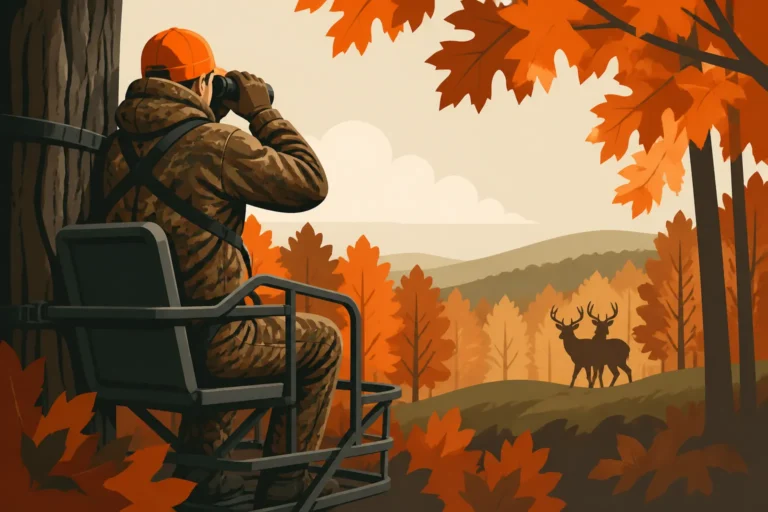
- Utilize Binoculars: A good pair of 8x or 10x binoculars is invaluable. They help you pick apart dense canopy and confirm if that lump on a branch is a squirrel or just a knot.
- Work the Shadows: Move with the sun at your back if possible, using shadows to conceal your movement.
- Wind Advantage: Always try to move into the wind. This carries your scent away and makes it harder for squirrels to hear your approach.
- Take Your Time: This isn't a race. Enjoy the process. The more patiently you move, the more squirrels you'll encounter.
The real trick is to stop just as you think you’ve gone far enough. Squirrels often "freeze" when they detect slow movement, trying to remain undetected. By stopping, you give them a chance to resume their activity, revealing their position.
Ambush and Sit-and-Wait Strategies
While still-hunting is dynamic, sometimes the most effective strategy is to simply sit and wait. This method works particularly well in areas with high squirrel concentrations, like near a cluster of actively dropping oak trees or a known den tree. Find a comfortable spot with good visibility, ideally against a wide tree trunk for camouflage, and settle in for a patient vigil.
Consider these tips for a successful ambush:
- Comfort is Key: You'll be sitting for a while, so bring a small folding stool or a cushion. Discomfort leads to fidgeting, which spooks game.
- Blend In: Wear camouflage or earth-toned clothing. Break up your outline against natural cover.
- Position for Shots: Anticipate where squirrels might appear and clear any shooting lanes beforehand, especially if using a rifle.
- Morning and Evening: These are often the most active times for squirrels, though on cool, cloudy days, they can be active all day.
- Patience, Patience, Patience: It might take 15-30 minutes for the woods to settle down after you arrive, and for squirrels to emerge. Resist the urge to move or check your phone.
This strategy teaches immense patience and stillness, skills that are transferable to any form of hunting. It also allows you to observe a segment of the woods deeply, learning about other game movements and natural behaviors.
Using Calls and Decoys (When Applicable)
While not as common as for deer or turkeys, squirrel calls can be effective in certain situations. Barking calls can sometimes provoke a hidden squirrel into revealing its position, especially if you mimic a challenge. Distress calls, on the other hand, can sometimes draw in curious squirrels, though this is less predictable.
Decoys are rarely used for squirrel hunting due to their small size and the nature of the hunt, but some hunters might experiment with a simple toy squirrel placed near a den tree to draw attention. However, for most hunters, mastering stealth, observation, and rifle accuracy will yield far greater results than relying on calls or decoys. It's more about understanding their natural movements and feeding habits rather than tricking them into position.
Essential Gear and Post-Hunt Care
Successful squirrel hunting doesn't require a truckload of specialized equipment, but having the right tools for the job can make a huge difference in your enjoyment and success. From your firearm to how you handle your harvest, a little preparation goes a long way.
Firearm Choices for Bushy-Tails
The .22 caliber rimfire rifle is the classic and arguably best choice for squirrel hunting. Its minimal recoil, quiet report, and accuracy make it ideal for headshots, which preserve more meat. When Sighting In a Rifle for Minnesota Woods Ranges, you'll find that a .22 can be incredibly precise at typical squirrel distances of 25-50 yards. Many hunters use open sights, but a low-power scope (1-4x or fixed 2.5x) can greatly aid in precise aiming, especially in dim timber.
- .22LR Rifle: The gold standard. Quiet, accurate, and cheap ammunition. Perfect for taking multiple squirrels from the same area without spooking the entire population.
- .17 HMR Rifle: A flatter trajectory and higher velocity than the .22LR, making it excellent for slightly longer shots. It’s also a good choice for those who prefer a little more punch, though the ammunition is more expensive and it's louder.
- Small-Gauge Shotgun (e.g., .410, 20-gauge): A shotgun can be effective, especially for flushing squirrels from dense cover or for running shots. However, shotguns can damage more meat, and finding a clear shot without hitting too many branches can be challenging. A 20-gauge with #6 shot is a common choice.
Regardless of your choice, familiarity with your firearm is key. Practice regularly to ensure you can make clean, ethical shots. After a hunt, especially in damp conditions, remember the importance of Cleaning a Rifle After a Wet Sit to maintain its reliability and accuracy.
Clothing, Optics, and Comfort for the Woods
Your clothing should prioritize quietness, comfort, and the ability to layer. Fall in Minnesota can bring wildly fluctuating temperatures, from crisp mornings to warm afternoons, and even sudden rain or snow.
- Layers: Start with a moisture-wicking base layer, add insulating layers like fleece or wool, and top it with a quiet, camouflage or earth-toned outer shell. Avoid noisy fabrics like stiff nylon.
- Quiet Footwear: Soft-soled boots or even sturdy sneakers can be good for stealthy movement, but choose something appropriate for the terrain (e.g., waterproof for damp woods).
- Headwear: A quiet hat, possibly with a brim, can help shield your eyes from the sun and offer a bit of extra concealment.
- Binoculars: As mentioned, 8x or 10x binoculars are crucial for spotting camouflaged squirrels. They allow you to survey the canopy without moving your head too much.
- Backpack: A small day pack is essential for carrying water, snacks, extra layers, and your harvested squirrels. It’s important to have a comfortable one, especially when you’re venturing deep, perhaps like the selection discussed in Packs for a Day on Public Land.
Being comfortable means you can stay out longer and focus more intently on the hunt, rather than being distracted by being too hot, too cold, or having equipment that hinders your movement.
Field Dressing and Meat Care
Once you’ve successfully harvested a squirrel, proper field dressing is crucial for preserving the quality of the meat. Squirrels cool down quickly, but on warmer early-season days, getting the entrails out fast is important to prevent spoilage.
- Quick Gutting: As soon as possible, make a small incision in the abdomen and remove the entrails. This allows the carcass to cool rapidly. Many hunters use a sharp, small Field Dressing Knives Worth Carrying for this task.
- Skinning: Skinning squirrels is relatively straightforward. There are various methods, but a common one involves making an incision across the back, then pulling the skin down the body like peeling a banana. YouTube has many tutorials if you're new to it.
- Cooling: Once skinned and gutted, put the squirrels in a cooler with ice, or in a game bag if temperatures are cool enough. The goal is to get the body temperature down quickly.
- Butchering: At home, further butcher the squirrel into pieces (legs, backstraps) for cooking. This is where you can trim any undesirable bits and prepare the meat for your favorite recipes.
Taking these steps ensures that the delicious wild game you’ve worked hard to harvest makes it to your plate in the best possible condition, ready for a hearty meal.
| Method | Description | Advantages | Disadvantages | Ideal Conditions |
|---|---|---|---|---|
| Still-Hunting | Slow, deliberate movement with frequent stops for observation and listening. | Enhances woodsmanship, covers more ground, dynamic and engaging. | Requires high level of stealth and patience, can be physically demanding. | Dense woods, varied terrain, active squirrels during feeding. |
| Sit-and-Wait | Finding a strategic spot near food sources or den trees and remaining still. | Requires less physical exertion, excellent for observation, high success in active spots. | Can be boring, limited range of view, dependent on squirrel movement to your spot. | Concentrated food sources, high squirrel density, cool mornings/evenings. |
Disclaimer
The information provided in this guide is for general informational purposes only and does not constitute legal advice. Hunting regulations and laws are subject to change. Always consult the most current Minnesota Department of Natural Resources (DNR) regulations and guidelines before planning or engaging in any hunting activities. It is the hunter's responsibility to know and follow all applicable laws.