Minnesota Blaze Orange Requirements
Navigating the myriad of rules and regulations that come with hunting in Minnesota can sometimes feel like trying to track a ghost through a blizzard. Among the most critical, yet often misunderstood, are the blaze orange requirements. It's easy to get confused about when, where, and how much of that vibrant orange you actually need to wear, especially with seasons overlapping and new statewide rifle rules in play. This guide aims to clear up all that head-scratching, ensuring you stay safe, legal, and confident in the field.
Why Blaze Orange is Non-Negotiable in Minnesota
For many new hunters, or even seasoned veterans, the bright, almost glowing hue of blaze orange feels counterintuitive to the art of camouflage and stealth. We spend so much time and money investing in gear that helps us blend into the environment, only to be told we must wear something that screams "here I am!" But there's a profound, life-saving reason behind this mandate that transcends traditional hunting strategies.
The Core Reason: Hunter Safety
At its heart, blaze orange is about one thing: making hunters highly visible to other hunters. Minnesota's landscapes are incredibly diverse, from the dense, dark timber of the Northwoods to the rolling hills and fragmented woodlots of the bluff country, and the wide-open farm fields of the south. Visibility can change drastically within a few hundred yards, or even with a slight shift in weather conditions.
Think about a classic scenario: you're still-hunting slowly through a dense aspen stand on a crisp November morning, moving quietly, ever watchful for deer sign. Another hunter, perhaps on a deer drive or simply still-hunting from a different direction, might catch a glimpse of movement through the thick brush. Without blaze orange, that movement could easily be mistaken for a deer, particularly in low light conditions common at dawn and dusk, or on overcast days. A flash of vibrant orange, however, immediately screams "human" and prevents a potentially tragic mistake. It's not about making you invisible to game; it's about making you unmistakable to other people in the woods.
Dispelling Myths About Orange and Deer Vision
One of the most persistent myths among hunters is that deer see blaze orange as a bright, alarming color, much like humans do. This leads to a lot of anxiety about whether wearing orange spooks deer. Let's set the record straight: deer, like many mammals, are dichromats. This means their eyes have only two types of cone cells, unlike humans who have three. In practical terms, deer don't perceive the color spectrum in the same way we do.
For a deer, blaze orange appears as a shade of yellow or gray, often blending in with natural elements like bare tree trunks or dry leaves. While it stands out to the human eye, it doesn't "glow" or signal danger to a deer any more than a brown jacket would. What does alarm deer is movement, scent, and the outline of a human form. So, while your bright orange vest might look like a beacon to another hunter, it's not giving away your position to that wary buck in the same way your unwashed hunting clothes or a quick, jerky motion would. Focus on keeping still, controlling your scent, and choosing a good stand location, and let the blaze orange do its job of keeping you safe from other people.
Dissecting Minnesota's Blaze Orange Requirements for Deer Hunters
Minnesota's regulations around blaze orange are very specific, especially when it comes to deer hunting. Understanding these nuances is crucial, as the rules can change depending on the season, the weapon you're using, and even the type of hunting you're doing. It's not a one-size-fits-all approach, and getting it wrong can lead to fines, or worse, put you and others at risk.
Firearm Deer Season Rules
This is where blaze orange is most strictly enforced and universally required. If you're out hunting deer with a firearm in Minnesota, whether it's during the traditional Minnesota 100 Series Firearm Opener or the Minnesota 300A Firearm Opener, or even the When the Late 300B Season Opens, you absolutely must comply with the blaze orange regulations.
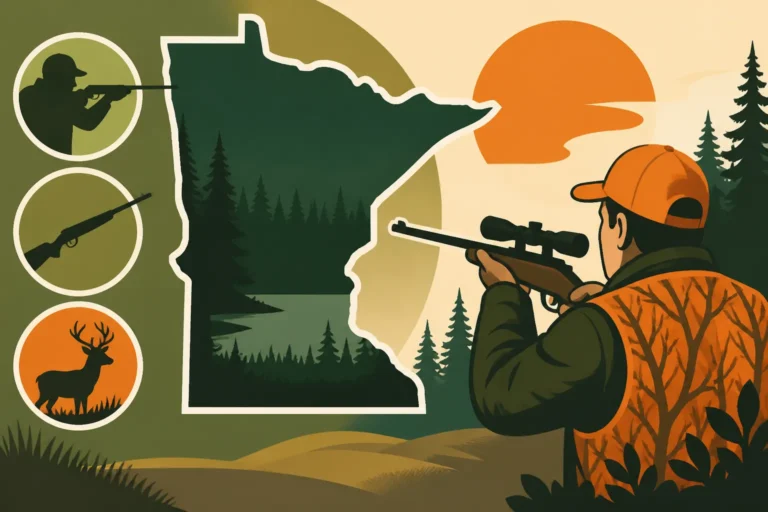
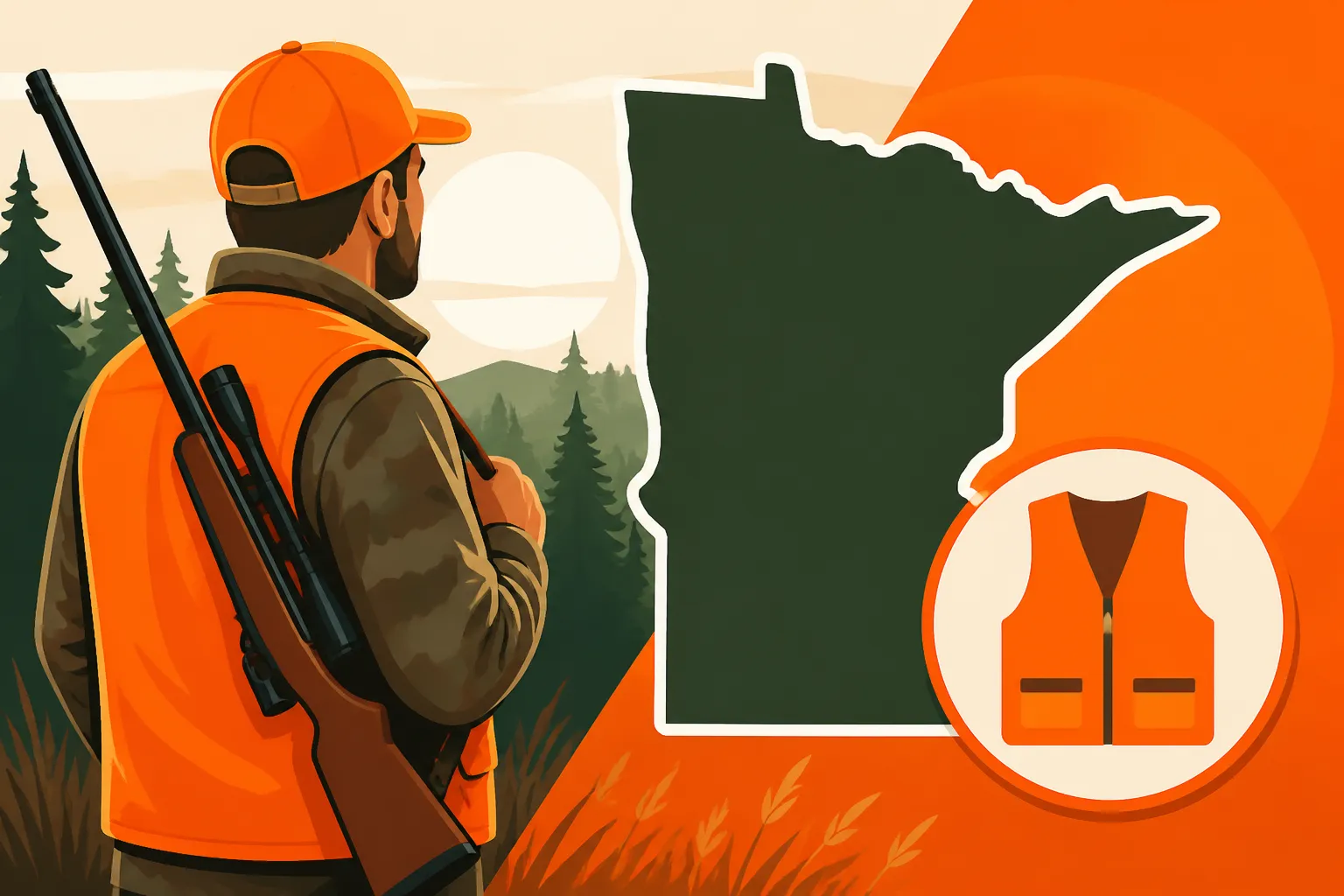
The Minnesota Department of Natural Resources (DNR) mandates that during the firearm deer season, a hunter must wear an outer garment of blaze orange or blaze pink. This isn't just a small patch; it needs to be visible from all sides. Specifically, it must be either a cap and a vest, jacket, or coat. The key here is the visibility. The garment must be at least 50% blaze orange or pink and cover the entire torso, extending from the shoulders to the waist. Your cap must also be at least 50% blaze orange or pink. The idea is to create a large, unmistakable block of color that stands out against any natural background, ensuring you're seen whether you're walking, sitting, or dragging a deer.
There are some specific situations where the rules might flex slightly. For example, if you're inside a fully enclosed deer stand or ground blind that completely conceals you from view, you don't necessarily need to be wearing blaze orange inside the blind. However, the moment you step out of that blind to move, track an animal, or just head back to the truck, that blaze orange or pink gear needs to be on and fully visible. This also applies to any person who is accompanying a firearm deer hunter in the field, even if they aren't carrying a weapon themselves.
Archery and Muzzleloader Season Nuances
The regulations get a little more intricate when you look at archery and muzzleloader seasons. During the pure Minnesota Archery Season Dates, for instance, when only bows and crossbows are legal, blaze orange or pink is not legally required. Many archers choose not to wear it, focusing on maximum concealment to get close to their quarry.
However, discretion is often the better part of valor. If you're bowhunting on public land, especially as the season progresses into late October and November, you need to be acutely aware of other activities. Often, other hunting seasons are open concurrently, such as small game or even special youth firearm hunts like the Hunting the Minnesota Youth Early Antlerless Season. When these seasons overlap, or if you're archery hunting during the firearm deer season (which is allowed in some permit areas, typically by hunters with special permits or in specific zones), wearing blaze orange or pink becomes a critical safety consideration, even if not strictly mandated for you as a bowhunter. It's a personal safety choice that can significantly reduce risk when sharing the woods with firearm hunters.
For muzzleloader season, the rules depend on when the season occurs. If the Minnesota Muzzleloader Season Dates fall outside of the main firearm deer season, then similar to archery-only seasons, blaze orange or pink might not be legally required. However, in Minnesota, the muzzleloader season often runs immediately after the main firearm season, or even overlaps with it in some areas, particularly the late 300B zone. If you are muzzleloader hunting during a period when firearm deer hunting is generally open to others, you are required to wear blaze orange or pink, just like other firearm hunters. Always double-check the specific regulations for your chosen permit area and time frame, as these can vary slightly.
Beyond Deer: Other Game Species and Blaze Orange Considerations
While deer hunting often takes center stage when discussing blaze orange, it's important to remember that Minnesota's hunting landscape is vibrant with opportunities for many other species. The requirements for wearing blaze orange or pink can differ significantly for these other pursuits, and understanding these distinctions is key to responsible and safe hunting.
Upland Birds, Small Game, and Predators
If you're heading out for Grouse and Woodcock Hunting in Minnesota or chasing Pheasant Hunting Minnesota Farmland, or even hunting Rabbit and Hare Hunting in Minnesota, the blaze orange rules are usually different than for deer. For upland bird and small game hunters, blaze orange is typically required during any open firearm deer season. This makes perfect sense; if you're walking through cover where deer hunters might be present, you need to be just as visible. Even outside of firearm deer season, many experienced upland bird hunters wear blaze orange or pink voluntarily. It's not only about being seen by other human hunters, but also by your hunting partners, especially if you're working thick cover with a dog. Visibility within a hunting party, particularly in dense aspen or cattail stands, can prevent accidental discharges or misidentification.
Predator hunting, such as Coyote Calling in a Minnesota Winter, also warrants careful consideration. While there's no blanket blaze orange requirement for predator hunting throughout the year, if you're pursuing coyotes during the firearm deer season, you must adhere to the blaze orange rules. Given that coyotes are often hunted in areas where deer are prevalent, and during times when deer seasons are active, it's wise to assume you need to be highly visible. Always err on the side of caution. Even if you don't see another hunter, they might be there, and your safety is paramount.
Waterfowl and Turkey Hunting Exemptions
Now, let's talk about the exceptions. If you're nestled into a blind waiting for ducks and geese during Minnesota Waterfowl Hunting on Lakes and Potholes, or camouflaged against a tree calling in a gobbler during Spring Turkey Hunting in Minnesota, you'll likely be wearing head-to-toe camouflage. And for these specific hunting activities, blaze orange or pink is generally not required. The reasoning is clear: successful waterfowl and turkey hunting relies heavily on concealment to fool the keen eyesight of these birds.
However, this exemption comes with a crucial caveat. While you don't need to wear blaze orange while actively hunting from your blind or stand, the moment you begin to walk to or from your hunting spot, especially if it's on public land or during an overlapping firearm deer season, you should strongly consider putting on some blaze orange gear. Many waterfowl hunters keep a blaze orange vest or cap in their blind bag, ready to pull out for the walk-in or walk-out. The same goes for turkey hunters. Even after you've bagged your bird, walking out with a turkey slung over your shoulder can create a profile that could be mistaken for another animal in certain conditions, especially with the colors of a turkey. It's a small inconvenience for a massive safety gain.
Understanding What Counts as "Blaze Orange"
When the regulations state "blaze orange," it's not just any old orange shirt from your closet. There's a specific standard to ensure maximum visibility and consistency. Knowing what truly qualifies as legal blaze orange or pink is essential for compliance and, more importantly, for your safety.
Material and Color Standards
The term "blaze orange" refers to a specific, highly fluorescent shade of orange, sometimes also called "hunter orange." This isn't the dull orange of a construction cone or a faded safety vest. It's a vivid, almost neon orange that is specifically designed to be highly visible in outdoor environments, even in low light or dense cover. The luminescence of blaze orange is what makes it so effective; it essentially "glows" by reflecting light in a way that regular colors don't, making it stand out dramatically against natural backgrounds.
According to How Much Blaze Orange Minnesota Requires, the outer clothing must be at least 50% blaze orange or blaze pink and visible from all sides. This usually means a vest or jacket combined with a cap. While modern hunting gear often incorporates blaze orange panels, it's important to ensure these meet the 50% coverage rule for the garment. A small orange logo or strip on a camo jacket typically won't cut it. Reputable brands like GoHunt often provide detailed gear recommendations or integrate mapping features that can help you visualize the terrain and understand where visibility might be most critical, implicitly guiding your gear choices. Always ensure your chosen gear is genuinely blaze orange, not just a reddish-orange or a faded garment that has lost its vibrancy over time.
Blaze Pink: An Alternative Option
In a progressive move aimed at encouraging more participation in hunting, Minnesota, like several other states, has adopted "blaze pink" as a legal alternative to blaze orange. This vibrant, fluorescent pink color meets the same visibility standards as blaze orange and is equally effective at being seen by human eyes, while still appearing as a muted shade to deer.
The introduction of blaze pink, as detailed in Blaze Pink Options Under Minnesota Law, came after scientific studies confirmed its effectiveness and public demand for more inclusive hunting apparel options. For hunters who prefer it, or simply want more choice in their gear, blaze pink offers an excellent, equally safe alternative. The same rules apply: it must be a specific fluorescent shade, cover at least 50% of your outer garment and cap, and be visible from all angles. Whether you choose blaze orange or blaze pink, the critical factor is that the color is genuinely fluorescent and meets the visibility standards designed to keep you safe in the field.
Practical Application: Staying Visible, Safe, and Legal
Knowing the regulations is one thing, but putting them into practice effectively is another. It's about making smart choices with your gear, understanding who else is in the woods, and always prioritizing safety over convenience. Compliance isn't just about avoiding a ticket; it's about making sure everyone gets home safely.
Gear Selection and Placement
Choosing the right blaze orange or pink gear is more than just grabbing the cheapest vest. You want something that will hold up to the rigors of Minnesota's weather and terrain, and most importantly, remain highly visible. A thin mesh vest might be fine for a warm early season day, but a durable, insulated vest or jacket is crucial for a cold November sit. Look for options that offer good coverage on the back, front, and sides. A backpack cover in blaze orange or pink is also a smart addition, as your pack can often obscure visibility from behind.
Consider your entire outfit. If you're wearing insulated bibs, make sure your vest extends far enough down to truly cover your torso. Your cap should be sturdy and stay on your head, even when pushing through brush. Over time, blaze orange and pink can fade, especially with repeated exposure to sunlight and washing. Make it a habit to inspect your gear at the beginning of each season. Is it still bright? Are there rips or tears that reduce its effective area? Replacing faded gear isn't an expense; it's an investment in your safety. For example, when scouting new public land using a tool like GoHunt, you might identify areas of exceptionally dense conifer cover where visibility is inherently limited. In such spots, investing in high-quality, unfaded blaze orange or pink gear becomes even more crucial to ensure you stand out.
Youth and Mentored Hunters
Minnesota has specific rules and programs designed to introduce younger generations to hunting safely, and blaze orange plays a significant role in this. For anyone participating in the Minnesota Mentored Youth Hunting Rules program or simply a young hunter out during firearm season, the blaze orange requirements are just as stringent, if not more so.
Youth hunters are learning the ropes, and visibility is paramount. It's the mentor's responsibility to ensure that their young charge is properly outfitted with compliant blaze orange or pink gear. This also ties into Minnesota Hunter Safety Requirements, where teaching proper attire is a fundamental lesson. Beyond legal compliance, it instills a lifelong habit of safety. When you're teaching a youth about hunting, you're not just showing them how to shoot; you're teaching them how to be a responsible, visible, and safe participant in the woods. This includes explaining why we wear orange – not just that we have to – so they understand the critical importance of being seen.
Common Violations and Consequences
Ignoring Minnesota's blaze orange regulations can lead to more than just a stern talking-to. The DNR takes these rules seriously because they are directly tied to human safety. A conservation officer observing a hunter without proper blaze orange during a required season can issue a citation, often resulting in a fine. The exact penalties can vary, but generally, it's considered a misdemeanor or petty misdemeanor, carrying a fine and potentially even impacting your hunting license privileges.
More importantly than the legal repercussions, however, are the ethical and safety consequences. Failing to wear blaze orange when required puts you and every other hunter in the woods at unnecessary risk. It increases the chance of a tragic accident dueating to mistaken identity. As responsible hunters, we have a duty to ourselves, our fellow hunters, and the integrity of the sport to follow these rules without exception. There's no good reason to skip wearing blaze orange or pink when it's required; the minimal inconvenience pales in comparison to the peace of mind and safety it provides. Always check the current year's hunting regulations booklet, which you can often find digitally on the Minnesota DNR website or through apps like GoHunt which may aggregate regulation summaries, to ensure you're up-to-date on all requirements, especially concerning Legal Firearms for Minnesota Deer Hunting and other specific rules that might influence your attire.
Summary of Blaze Orange/Pink Requirements in Minnesota
| Hunting Activity | Blaze Orange/Pink Required? | Specifics | Notes |
|---|---|---|---|
| Firearm Deer Seasons (Rifle, Shotgun, Muzzleloader during firearm season) | Yes | Outer garment (vest, jacket, coat) must be at least 50% blaze orange or blaze pink, visible from all sides. Headwear (cap) must also be at least 50% blaze orange or blaze pink. Required for all hunters and those accompanying hunters. | Not required inside fully enclosed blinds, but immediately upon exiting. Applies to Hunting Minnesota Now That Rifles Are Legal Statewide. |
| Archery-Only Deer Season | No (Voluntary) | Not legally required, but highly recommended when other firearm seasons (e.g., small game, youth hunts) overlap, or when hunting on public land with potential for other hunters. | A good idea, especially with high Hunting Pressure on Minnesota Public Land. |
| Muzzleloader-Only Deer Season | Varies | If the muzzleloader season overlaps with any firearm deer season (e.g., the late 300B zone), yes, blaze orange/pink is required. If it's a dedicated muzzleloader-only period with no other firearm seasons open, it is typically not required, but still recommended for safety. | Always check specific dates and overlaps for Minnesota Muzzleloader Season Tactics. |
| Upland Birds & Small Game | Yes (During Firearm Deer Season) | If hunting pheasant, grouse, rabbit, squirrel, etc., during an open firearm deer season, blaze orange/pink is required. Voluntary and highly recommended at all other times for visibility to hunting partners. | Refer to Minnesota Small Game and Upland Bird Seasons. |
| Predator Hunting (e.g., Coyotes) | Yes (During Firearm Deer Season) | If predator hunting during an open firearm deer season, blaze orange/pink is required. Voluntary at other times. | Always assess your environment for other hunters. |
| Waterfowl Hunting | No | Not required while actively hunting from a blind or concealed position. However, it is strongly recommended to wear blaze orange/pink when traveling to and from hunting spots, especially if firearm deer season is open. | Keep a vest handy for travel. |
| Turkey Hunting | No | Not required while actively hunting. As with waterfowl, strongly recommended to wear blaze orange/pink when traveling to and from hunting spots, particularly when firearm deer season is active, and especially when carrying a harvested bird. | Use for safety during transit. |
Disclaimer
The information provided in this guide is for general informational purposes only and does not constitute legal advice. Hunting regulations can change annually and may vary by specific location, permit area, or season. Always consult the official Minnesota Department of Natural Resources (DNR) hunting regulations for the most current and accurate information before heading afield. It is your responsibility as a hunter to know and comply with all applicable laws and regulations.