Rabbit and Hare Hunting in Minnesota
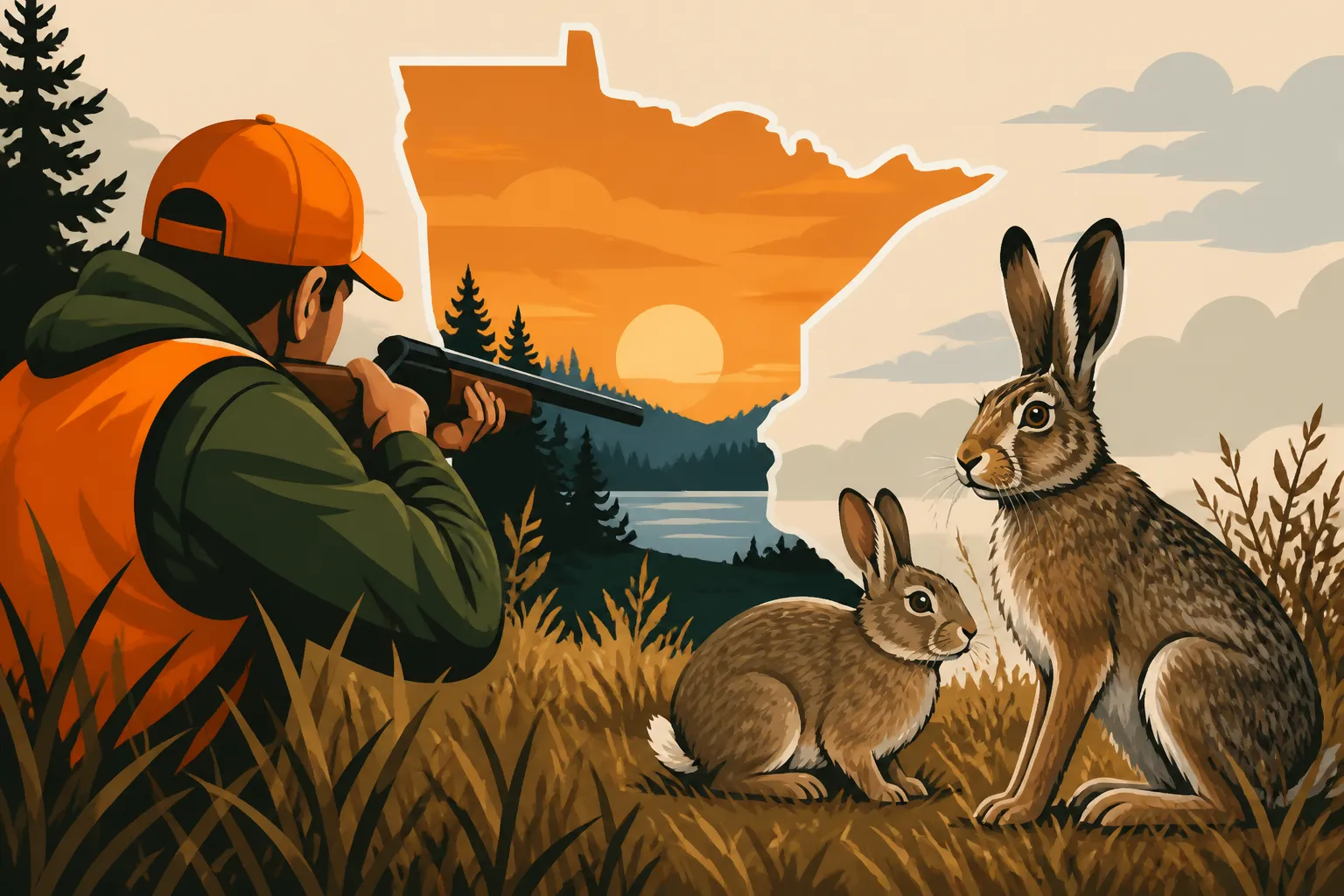
When the deep chill of a Minnesota winter sets in, many hunters pack away their gear, but for those who love the pursuit of small game, it's just getting started. There's a real joy, and often a challenge, in chasing rabbits and hares through the snow-covered woods and brush, offering a fantastic way to extend your time afield and put some tasty wild game on the table. This guide will walk you through everything you need to know to successfully hunt cottontails and snowshoe hares in our beautiful state.
Understanding Minnesota's Rabbits and Hares
Minnesota offers two primary targets for winter small game enthusiasts: the Eastern cottontail and the snowshoe hare. While both are rabbits, they occupy different habitats and require slightly different approaches, and knowing their characteristics is key to a successful hunt.
Distinguishing Cottontails from Snowshoe Hares
It’s not just their size or the color of their fur that sets them apart, though those are the most obvious tells. Eastern cottontails are generally smaller, weighing in at 2 to 4 pounds, and they keep their brownish-gray coat year-round, except for that distinctive fluffy white tail, which gives them their name. You'll find them closer to human habitation, farm fields, and brushy edges. Snowshoe hares, on the other hand, are larger, typically 3 to 5 pounds, and are famous for their seasonal camouflage. Their fur transitions from a brownish-gray in summer to a brilliant white in winter, allowing them to blend seamlessly into the snow. Their feet are also notably larger, hence "snowshoe," which helps them traverse deep snow with ease. When you're out there, a good hunting app like GoHunt can really help you pinpoint areas where one or the other is more likely to be found, based on habitat characteristics.
Their Behavior and Habits
Cottontails are primarily crepuscular, meaning they are most active at dawn and dusk, but in dense cover or during overcast days, they can be found moving at any time. They prefer to stay close to thick cover, such as brush piles, briar patches, and dense hedgerows, rarely venturing far from their escape routes. When flushed, a cottontail will typically make a short, erratic dash before diving into the nearest tangle of vegetation. Their diet consists of grasses, clovers, and other herbaceous plants in summer, switching to bark, twigs, and buds in winter.
Snowshoe hares are also largely crepuscular or nocturnal, but again, can be encountered during the day, especially if it's cold and they need to feed. Unlike cottontails, they are true denizens of the deep woods, favoring coniferous forests, cedar swamps, and areas with dense undergrowth. When a snowshoe hare is flushed, it often makes a few bounds and then freezes, relying on its camouflage. If pressed, they'll often run in large circles, a behavior that beagle hunters capitalize on. Their diet is similar to cottontails in summer but leans heavily on conifer needles, bark, and woody browse in winter. Understanding these behavioral patterns is crucial for developing effective hunting strategies for both species.
Seasonal Adaptations
Both species exhibit remarkable adaptations to survive Minnesota's harsh winters, but the snowshoe hare's transformation is arguably the most dramatic. As mentioned, their coat changes color, usually starting in late October or early November and reaching full white by mid-December, then reversing in spring. This change is triggered by day length, not temperature, which can sometimes lead to mismatched camouflage during early or late snowfalls. Their large, heavily furred feet act like natural snowshoes, distributing their weight and allowing them to move easily over deep snow that would bog down other animals. Cottontails, while not changing color, also grow a thicker winter coat and will often seek out burrows, abandoned groundhog holes, or dense brush piles to escape extreme cold and wind. For both, winter also means a shift in food sources, requiring hunters to focus on areas where accessible browse is plentiful, like the tender bark of young aspen or the buds of various shrubs.
Essential Gear and Preparation
Hunting rabbits and hares in Minnesota means dealing with cold weather, snow, and often dense cover. Having the right gear isn't just about comfort; it's about safety and success.
Firearms and Ammunition Choices
For rabbit and hare hunting, shotguns are overwhelmingly the most popular choice due to the close-range, fast-flushing nature of these animals. A 12-gauge or 20-gauge shotgun with an improved cylinder or modified choke is ideal. This combination provides a broad enough pattern for quick shots in thick cover but still has enough density to cleanly take a rabbit or hare. As for ammunition, standard field loads with #6 or #7.5 shot are perfect. The smaller shot sizes create a dense pattern, increasing the likelihood of a clean kill without over-damaging the meat. Some hunters even prefer #4 shot, especially for snowshoes in deeper snow, but generally, #6 is a good all-around choice. If you're hunting in areas where you might also encounter grouse, these shot sizes are also perfectly suitable. For those who prefer a more challenging hunt, a .22 caliber rifle or pistol can be incredibly rewarding, especially for still-hunting or stalking where longer, more precise shots are possible. Just remember to always prioritize safe shooting lanes, especially with a rimfire where bullets can travel further.
Clothing and Footwear for Minnesota's Winter
Minnesota winters demand serious cold-weather gear. Layers are your best friend. Start with a moisture-wicking base layer, add an insulating mid-layer (fleece or down), and top it off with a waterproof and windproof outer shell. Blaze orange is often required or highly recommended for visibility, especially during concurrent deer seasons. Always check Minnesota's Blaze Orange Requirements to ensure you're in compliance. For footwear, you absolutely need warm, waterproof boots. You'll be traversing snow, potentially wet brush, and even frozen ground, so insulated rubber boots or high-quality waterproof hiking boots are essential. Brands like Baffin or Schnee's offer excellent options for keeping your feet warm and dry. Don't forget warm gloves, a hat that covers your ears, and perhaps hand warmers for those extra chilly days. Given the variable terrain, from thick timber to frozen swamps, your choice of footwear can make or break your day. Consider boots for Minnesota swamps and snow that offer good ankle support and aggressive traction.
Using Dogs: Beagles and Other Breeds
There's nothing quite like the music of a pack of beagles on a hot rabbit trail. For many hunters, rabbit and hare hunting is synonymous with running hounds. Beagles are phenomenal for their relentless tracking ability, their melodious baying, and their tendency to push rabbits and hares in a circle, bringing them back to the original starting point or a nearby stander. Running Beagles on Minnesota Snowshoe Hares is a classic winter pursuit, offering thrilling action and high success rates. Besides beagles, other breeds like Basset Hounds or even some smaller coonhounds can be effective. Training is key, and ensuring your dogs are conditioned for cold weather and thick cover is crucial. Always carry a GPS collar for your dogs, especially when hunting dense areas where they can quickly get out of sight. Remember to be mindful of private property boundaries and other hunters when running dogs, especially on busy public land. A GoHunt subscription can be invaluable here, helping you quickly identify property lines and available public land.
Effective Hunting Tactics
While you might occasionally stumble upon a rabbit or hare, consistently finding success requires understanding their habits and employing proven tactics.
Still-Hunting and Stalking Strategies
Still-hunting is a fantastic method for solitary hunters or small groups who prefer a more stealthy approach. The idea is to move slowly and deliberately through prime habitat, pausing frequently to scan for movement or the tell-tale shape of a rabbit or hare trying to blend in. In snow, fresh tracks can lead you directly to a resting animal. Look for areas with thick cover—briar patches, brush piles, fallen timber, and dense evergreens. When still-hunting snowshoe hares in coniferous swamps, move very slowly, scanning ahead and to the sides. Often, they won't bolt until you are nearly on top of them. The key is to be patient and observant. Focus your eyes not on the entire landscape, but on smaller sections, looking for anything that seems "out of place." If you spook a rabbit, sometimes it will only run a short distance before stopping again, offering a second chance if you react quickly and quietly.
Group Hunts and Drives
For cottontails in particular, and snowshoe hares in certain types of cover, group hunts or drives can be highly effective and a lot of fun. This usually involves a few "drivers" who push through a block of cover, while "standers" position themselves on the likely escape routes. Communication is critical for safety and success. Before starting, clearly define the boundaries of the drive, the direction of travel, and where standers will be positioned. Emphasize safe shooting lanes and always know where your fellow hunters are. This method works especially well in brushy creek bottoms, old abandoned farmsteads, or dense thickets adjacent to open fields. For snowshoe hares, a small drive through a cedar swamp can push them towards waiting hunters, though they often prefer to circle back within the cover. Remember, the goal is to gently push the game, not to run them ragged, which can make for difficult shooting. These drives are not unlike Deer Drives With Three or Four Hunters, just on a smaller scale and for different quarry.
Calling and Tracking
While not as common for rabbits as it is for predators like coyotes, some hunters have success with distress calls, especially for cottontails. A rabbit distress call can sometimes bring a curious cottontail out of cover or stop one briefly. However, it's generally a less reliable method than simply locating them in their habitat. Tracking, on the other hand, is a highly effective and rewarding skill, especially when there's fresh snow. Following rabbit or hare tracks can lead you directly to a feeding area, a bedding spot, or even an actively moving animal. Look for signs of fresh activity: chewed bark, droppings, and well-worn trails. When Hunting Deer in Deep Northern Minnesota Snow, hunters often pay attention to rabbit tracks as well, simply because they often share the same dense cover. A fresh set of snowshoe tracks leading into a thick tangle of evergreens is a strong indicator that a hare is likely bedded down nearby, ready to be flushed. This is where a good mapping app like GoHunt becomes invaluable, allowing you to mark fresh tracks and promising cover areas.
Finding Prime Habitat
Knowing where to look is half the battle when hunting rabbits and hares. Their preferred habitats are distinct, and understanding these differences will guide your scouting efforts.
Cottontail Havens: Brush Piles, Thickets, and Farm Edges
Eastern cottontails are creatures of "edge habitat" – where different types of cover meet. They thrive in areas with a mix of open ground for feeding and dense, impenetrable cover for escape and bedding. Think old farm fields gone to seed, overgrown fence rows, brush piles, briar patches, abandoned orchards, and the thick undergrowth along creek bottoms. They are particularly fond of dense dogwood thickets or areas with multiflora rose, which offer excellent protection from predators and harsh weather. Even in suburban areas, if hunting is allowed, you can find them in green spaces with sufficient cover. The key is thick, tangled vegetation that offers multiple escape routes into safety. Don't overlook old logging decks or areas where trees have been cut, creating a mess of branches and stumps; these are often cottontail magnets. You can often find great "Rabbit Hunting Thick Minnesota Brush" in these types of areas.
Snowshoe Hare Sanctuaries: Conifers and Northwoods Swamps
Snowshoe hares are true denizens of the northern forests, preferring dense coniferous cover. Cedar swamps, spruce bogs, balsam fir thickets, and young pine plantations are their bread and butter. The deeper and thicker the cover, the better. These dense evergreens provide year-round shelter from predators and heavy snow. They also offer a consistent food source, as hares will browse on the needles and bark. Look for areas where the canopy is so thick that snow doesn't accumulate as deeply on the ground, creating easier travel for them. Overgrown clear-cuts that have regenerated into dense saplings also attract hares, especially if there are interspersed conifers. When Scouting Minnesota Public Land Before Season, pay close attention to the aerial maps on tools like GoHunt or the Minnesota DNR's Recreation Compass for large blocks of dark green indicating coniferous forest. This is prime snowshoe country.
Scouting for Sign
Before you even step into the field with your gun, effective scouting can dramatically increase your chances of success. Look for tracks in the snow – cottontail tracks are smaller and often lead to brush piles, while snowshoe tracks are much larger and usually found in deeper woods. Droppings are another key indicator; rabbit droppings are small, round pellets. Also, look for signs of browsing – clipped twigs, gnawed bark, or areas where they've been digging for food under the snow. In areas with low-lying brush, you might even spot "runs" or tunnels through the vegetation, indicating well-used travel corridors. Reading Aerial Photos for Big Woods Deer can also give you insight into where the thickest cover is located, which often translates to good hare habitat. Don't be afraid to walk through prospective areas a few days before your hunt, looking specifically for these signs of activity.
Regulations and Seasons
Understanding Minnesota's hunting regulations is paramount for a safe and legal hunt. Always consult the current Minnesota DNR hunting regulations booklet, as rules can change annually.
Minnesota Rabbit and Hare Seasons and Bag Limits
Minnesota's small game seasons are quite generous, offering ample opportunity to pursue rabbits and hares. Typically, the season for both Eastern cottontails and snowshoe hares opens in mid-September and runs through the end of February. This long season provides plenty of chances to hunt, including prime snow conditions in winter. The daily bag limit is usually 10 rabbits or hares, with a possession limit of 20. These are very generous limits, reflecting healthy populations across the state. Remember, while the general small game season runs for both, snowshoe hare hunting really shines once the snow flies and their white coats come in, providing that classic winter experience. Always double-check the exact dates and bag limits for the current year in the DNR regulations.
| Feature | Eastern Cottontail | Snowshoe Hare |
|---|---|---|
| Average Weight | 2-4 lbs | 3-5 lbs |
| Winter Coat | Brownish-gray (year-round) | White (seasonal camouflage) |
| Foot Size | Smaller | Large, "snowshoe" feet |
| Primary Habitat | Brush piles, thickets, farm edges, hedgerows | Dense coniferous forests, cedar swamps, bogs |
| Movement | Short, erratic dashes to dense cover | Often runs in circles, relies on camouflage |
| Typical Diet | Grasses, clover, bark, twigs, buds | Conifer needles, bark, woody browse |
| Best Hunting | Fall/early winter, before deep snow | Deep winter, after snow-coat is complete |
Hunter Safety and Public Land Rules
Safety is always the top priority. All hunters born after December 31, 1979, must complete a hunter education course to legally hunt in Minnesota. You can find more information about Minnesota Hunter Safety Requirements through the DNR. When hunting on public land, which is abundant in Minnesota, it's crucial to be aware of your surroundings and other users. Public lands like Minnesota Wildlife Management Areas (WMAs) and State Forests are excellent places to hunt rabbits and hares. Always check WMA-specific rules, as some may have restrictions on vehicle use, target shooting, or other activities. Respect private property boundaries; always know where you are, especially with a mapping tool like GoHunt or the DNR's Recreation Compass app. Remember to wear blaze orange during firearm deer seasons, even if you're only hunting small game, for maximum visibility and safety.
License Requirements
To hunt rabbits and hares in Minnesota, you will need a valid Minnesota small game license. For residents, this is typically an annual license that covers a variety of small game species. Non-residents also have options for small game licenses. You'll also need a valid Firearms Safety Certificate if required by age. It's always a good idea to keep your license and any required certifications readily accessible, whether it's a physical copy or stored on your phone through the DNR's eLicense system. For detailed information on costs and types, refer to the Minnesota Small Game License Requirements. Make sure all your paperwork is in order before heading out, it's a small detail that can save a lot of headaches in the field.
Post-Hunt Care and Recipes
Successfully harvesting a rabbit or hare is just the first step. Proper field care and preparation ensure that your hard-earned game makes it to the table in prime condition.
Field Dressing and Transport
Once you've harvested a rabbit or hare, the clock starts ticking, especially in warmer weather (though less of a concern in deep winter). Field dressing immediately is always best practice. This involves making a small incision in the abdomen, removing the internal organs, and wiping out the cavity with a clean cloth or snow. This helps cool the carcass quickly and prevents spoilage. For cottontails, many hunters simply grab the animal by the hind legs, make an incision in the hide across the back, and then pull the hide down like a sweater. For snowshoe hares, the hide is often thicker and requires a bit more effort. Once field dressed, cool the animal as quickly as possible. In cold Minnesota winters, simply hanging them in a cool, shaded spot (if you're at camp) or placing them in a game bag in your pack works well. For transport, avoid putting them in plastic bags where heat can build up. Instead, use breathable game bags to protect the meat from dirt and debris while allowing air circulation.
Safe Handling and Storage
Back at home, give your rabbits and hares a thorough rinse with cold water to remove any remaining hair or debris. Pat them dry and either butcher them immediately or place them in a cooler on ice for a day or two to allow the meat to relax. When butchering, separate the legs, loins, and saddle. Some hunters keep the head and feet attached until registration is complete, if required, but for small game, this is rarely an issue. For long-term storage, vacuum sealing and freezing is the best method, preventing freezer burn and keeping the meat fresh for months. Properly stored rabbit or hare can provide delicious meals throughout the year. Always remember that any wild game carries a small risk of certain pathogens, so ensure thorough cooking and proper hygiene during preparation.
Simple and Delicious Preparations
Rabbit and hare meat is lean, flavorful, and incredibly versatile in the kitchen. It has a mild gamey flavor, often described as similar to chicken or turkey but with its own unique character. One classic way to prepare it is fried: cut the rabbit into pieces, dredge it in seasoned flour, and pan-fry until golden brown and cooked through. Another popular method is braising: brown the pieces, then simmer them slowly in a rich liquid (like white wine, chicken broth, or tomato sauce) with vegetables until fork-tender. This is perfect for older, tougher animals. Consider a classic rabbit stew with root vegetables, or even a hearty rabbit pot pie. The meat is also excellent in chili, or even deboned and used in sausages or terrines. Don't be afraid to experiment! Whether it's a simple pan-fry or a complex confit, properly cooked rabbit and hare are a true delicacy that showcases the bounty of Minnesota's wild places.
Disclaimer
Always check the current Minnesota DNR hunting regulations before heading afield, as rules and seasons can change. The information provided here is for general guidance and educational purposes only.