Minnesota Muzzleloader Season Dates
For many of us who cherish the Minnesota deer woods, the firearm season comes and goes in a flash, leaving us yearning for more time afield. It's easy to feel like the opportunities are gone once the main rifle rumble subsides, but for a dedicated few, the real magic is just beginning. Navigating the nuances of the Minnesota muzzleloader season dates can feel like cracking a secret code, but understanding this late-season window is crucial for extending your hunt and experiencing the woods in a unique, often more serene way. This guide will walk you through everything you need to know about when you can uncork your smoke pole and pursue whitetails in the cold, quiet beauty of a Minnesota winter.
Understanding Minnesota's Muzzleloader Season Framework
The Minnesota muzzleloader season is a distinct and often celebrated period, offering hunters a chance to extend their pursuit of whitetails into the colder, snowier days of late autumn and early winter. It's a special time, rich with tradition and unique challenges, but it all starts with knowing when you can actually be out there.
Key Dates for the Muzzleloader Hunter
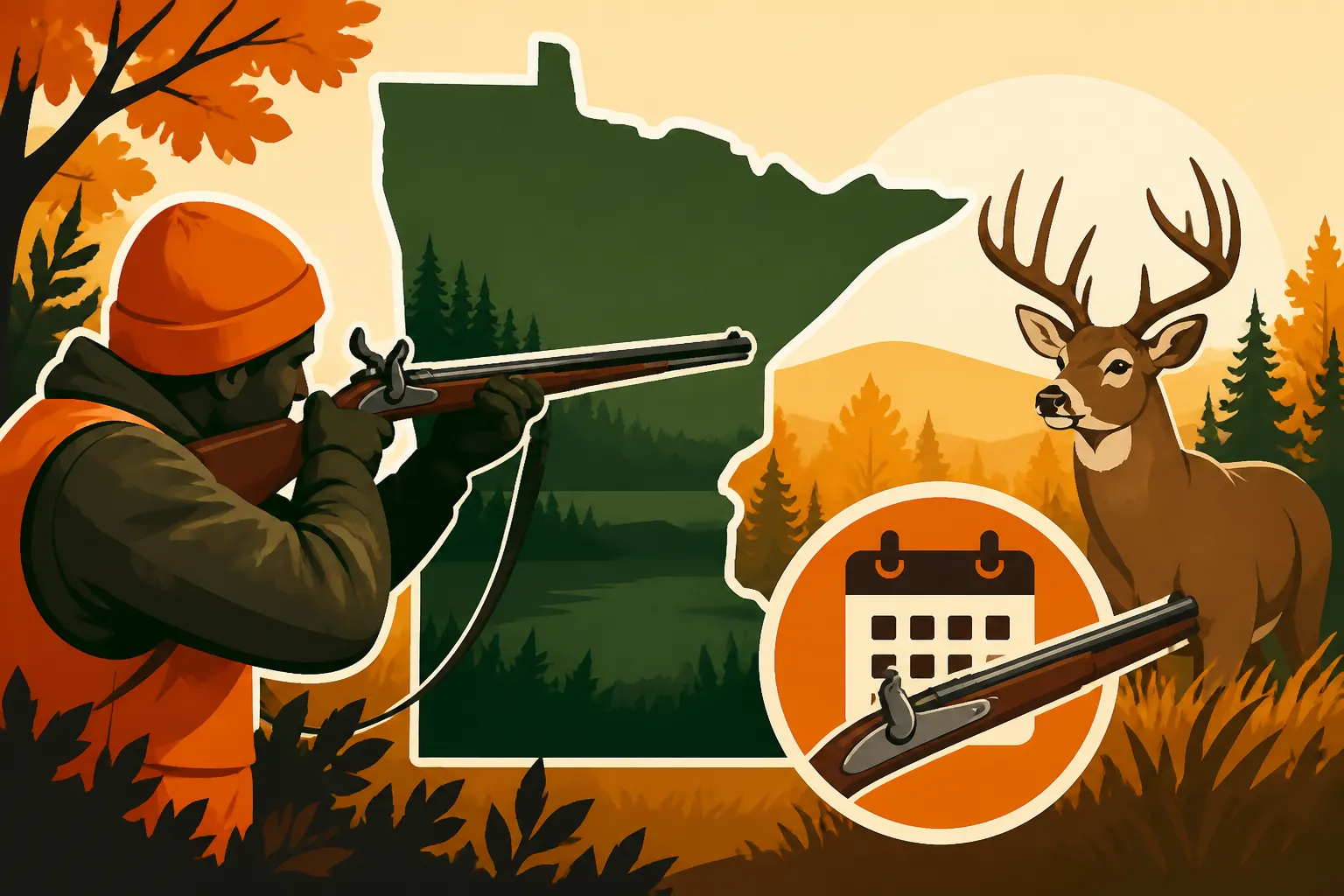
Historically, the Minnesota muzzleloader season consistently opens after the close of the general firearm deer season and typically runs for about two weeks, usually starting in late November and extending into mid-December. For example, in recent years, the season has often commenced the Saturday after Thanksgiving and run through the second Sunday of December. It's a deliberate design, creating a specific niche for muzzleloader enthusiasts once the initial rush of the firearm season has passed. This means you're often looking at dates like the last Saturday of November through approximately December 10th or 11th, depending on how the calendar falls.
It's paramount to understand that these dates are subject to change slightly year-to-year, so always double-check the official Minnesota Department of Natural Resources (DNR) hunting regulations for the most current information. The DNR's website is your go-to resource for confirming the exact opening and closing dates for any given season. This specific timeframe allows for hunters to prepare for typically colder weather, often with snow on the ground, adding another layer of challenge and beauty to the hunt. Knowing these precise dates, down to the minute, is your first step in planning any successful late-season muzzleloader outing. The DNR aims to keep the overall Minnesota muzzleloader season structure relatively consistent, but confirming the exact calendar days is always a must.
Why the Dates Matter for Planning
The timing of the muzzleloader season isn't just a bureaucratic detail; it profoundly impacts everything from deer behavior to hunter strategy. Because this season generally follows the firearm season, deer have already experienced significant hunting pressure. They're warier, more nocturnal, and often have shifted their patterns to thicker cover. The later dates also mean a much higher likelihood of cold temperatures and snow, which are significant factors to consider when you're preparing for Muzzleloader Deer Hunting in Minnesota.
The colder weather encourages deer to focus more intensely on reliable food sources to maintain their body heat and recover from the rut. Snow, while making conditions tougher for hunters to stay warm and dry, also offers the distinct advantage of fresh tracks, allowing you to read deer movements in a way that’s impossible earlier in the fall. Furthermore, the reduced number of hunters in the woods during this season can mean a quieter, more solitary experience. This lower pressure can sometimes make deer feel a bit more at ease in certain areas, particularly on public lands that saw heavy traffic during the main firearm season. Strategic planning based on these dates involves not just marking your calendar, but anticipating weather shifts, deer movement adjustments, and a generally more challenging, yet rewarding, hunting environment. Planning your hunts with a reliable mapping application, like those offered by GoHunt, can help you visualize open public land and potential food sources once the leaves have fallen and snow starts to accumulate.
Navigating the Unique Challenges of Late-Season Muzzleloading
Hunting with a muzzleloader in Minnesota in late November and December is an experience unlike any other. It’s not just about the different weapon; it’s about embracing the elements and adapting your tactics to conditions that are a far cry from the mild temperatures of early archery season.
Weather Considerations and Gear Prep
Minnesota’s late fall and early winter weather can be notoriously unpredictable, swinging from crisp, calm days to brutal blizzards and freezing rain in a matter of hours. During the muzzleloader season, you should absolutely expect cold, and very likely, snow. This means your gear preparation is paramount, not just for comfort, but for safety and success. Layering is key: start with a good moisture-wicking base layer, add insulating layers like fleece or wool, and top it all off with a windproof and waterproof outer shell. Brands like Sitka and First Lite are known for their technical hunting apparel that excels in these conditions, but even budget-friendly options can work if you layer correctly. Don’t forget a warm hat, insulated gloves, and, most importantly, high-quality, insulated, waterproof boots. There's nothing that will cut your hunt short faster than cold, wet feet.
Beyond personal comfort, you need to think about your muzzleloader itself. Keeping your powder dry in freezing rain or heavy snow is a constant battle. Invest in a good muzzle cover or simply use electrical tape to seal off the bore from moisture. If you’re using a percussion cap, a piece of rubber tubing or even a balloon can protect it from the elements. Humidity and fluctuating temperatures can also lead to condensation, which is a silent killer for black powder. Understanding how to address these challenges is vital for successful shooting when it counts. Learning tactics for Keeping a Muzzleloader Dry in Lake-Effect Snow can be the difference between a successful shot and a frustrating misfire. Always perform a function check before heading out, especially if your gun has been exposed to temperature changes. Preparing for the worst weather scenarios means you'll be ready for anything the Minnesota winter throws your way. Remember, the goal is not just to survive the cold, but to remain comfortable and focused enough to make a clean shot. Take a deep dive into Clothing for a Minnesota November to ensure you're fully prepared for those extended sits.
Locating Deer in December Conditions
As the landscape transforms into a winter wonderland, so do the deer's habits. By the time the muzzleloader season rolls around, the chaotic excitement of the rut has largely subsided, and deer are entering their winter survival mode. Their primary focus shifts to two things: food and thermal cover. This is where a hunter's understanding of Late-Season Food Sources for Minnesota Whitetails becomes invaluable. Deer will congregate around reliable food sources, which could be standing cornfields, soybean stubble, or areas with persistent browse like dogwood, aspen regeneration, or cedar swamps. Don’t overlook forgotten apple orchards or mast crops if they haven’t been completely depleted.
Thermal cover is equally important. When temperatures plummet and winds howl, deer will seek out dense conifer stands, thick cattail sloughs, or deep pockets of brush that offer protection from the elements. These areas become critical bedding grounds. Snow cover, while cold, is also your best friend for tracking. Fresh snow lays down a pristine canvas, revealing every movement of deer in an area. Look for tracks leading between bedding and feeding areas, especially during the low-light hours of dawn and dusk. Understanding these travel corridors, often influenced by terrain features like ridges, creek bottoms, or logging trails, will be key to intercepting deer. Apps like GoHunt, with their detailed satellite imagery and property boundaries, become indispensable for identifying these habitat features and planning your approach. Mastering Muzzleloader Tactics in December Cold often hinges on your ability to read these winter patterns effectively. When the woods are quiet and snow blankets the ground, knowing how to interpret deer sign can dramatically increase your chances of success. It's often about finding the deepest, nastiest cover adjacent to a food source, then executing a solid Cold-Weather Sitting Strategy in Minnesota to capitalize on any daylight movement.
Essential Regulations Beyond the Dates
Knowing the precise dates for Minnesota's muzzleloader season is crucial, but it's only one piece of the puzzle. There are specific regulations tied to the weapon itself, as well as general licensing and permit area rules that apply to this late-season hunt. Ignoring any of these can quickly turn a hopeful outing into a frustrating, or even illegal, experience.
Muzzleloader-Specific Legalities
In Minnesota, a legal muzzleloader for deer hunting generally refers to a firearm that is loaded only from the muzzle and uses a projectile and powder loaded through the muzzle. This means no breech-loading "muzzleloader-style" rifles are allowed during the designated muzzleloader season. The projectile must be a single slug, not shot, and the powder must be black powder or a black powder substitute. The use of smokeless powder is typically prohibited in muzzleloaders during this season. There are also minimum caliber requirements, typically .40 caliber or larger for single-projectile firearms. It's crucial to understand the distinction between traditional round balls, conical bullets, and saboted projectiles, as modern muzzleloaders often use the latter. All are generally legal, but their performance and how they load can vary significantly.
For instance, some hunters prefer traditional conical bullets for their historical authenticity and heavy impact, while others opt for sabots, which encapsulate a smaller, faster bullet, offering improved ballistics similar to modern rifle cartridges. While both are acceptable, you should understand the capabilities of your chosen projectile. Before heading afield, ensure your muzzleloader meets all current Minnesota DNR specifications. These rules are in place to preserve the unique nature and challenge of muzzleloader hunting. Consult the official regulations booklet or the DNR website for the most up-to-date information on acceptable muzzleloader types and ammunition. Getting familiar with the debate around Sabot Versus Conical for Deer can help you make an informed choice for your specific hunting setup and the terrain you plan to hunt. Your choice of firearm for the Choosing a Muzzleloader for December Cold will dictate many of your other gear choices and preparation strategies.
License and Permit Area Details
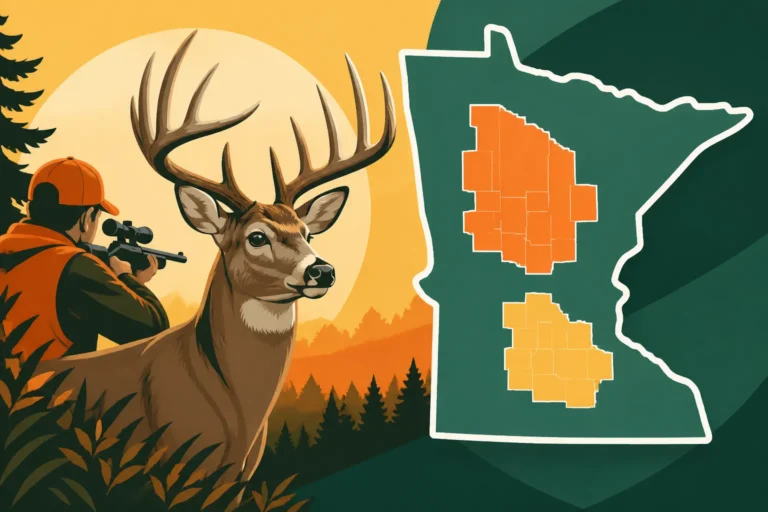
Just like during the regular firearm season, you'll need the appropriate licenses and tags to hunt deer during the muzzleloader season. This includes a valid Minnesota deer hunting license. The specific permit area you plan to hunt in also plays a critical role in what type of deer you can harvest. Minnesota uses a system of deer permit areas (DPAs) classified as Intensive, Managed, or Lottery, each with different antlerless harvest opportunities.
During the muzzleloader season, most permit areas are either Managed or Intensive, often allowing for the harvest of antlerless deer with your regular deer license or a bonus antlerless permit. Lottery areas, which require applying for an antlerless tag prior to the season, may or may not have leftover antlerless permits available for the muzzleloader season, depending on harvest goals and hunter success in earlier seasons. It's imperative to check the specific regulations for your chosen DPA to understand the bag limits and antlerless harvest opportunities. Some areas might allow you to fill multiple antlerless tags during this late season, which can be a great way to help with herd management or stock your freezer. Always verify your specific DPA's status and any special regulations that might apply. The rules for Minnesota Deer License Options by Weapon remain consistent across the different deer seasons, but the availability of antlerless tags can fluctuate, making careful review of the regulations crucial. Understanding the designations of Intensive, Managed and Lottery Permit Areas will directly impact your hunting strategy and the type of tag you can fill during these late-season hunts. Remember, the state provides specific guidance on Minnesota Muzzleloader Season Dates and associated regulations to ensure a fair and managed hunt.
Important Muzzleloader Season Details
| Category | Typical Dates (Approx.) | Key Considerations | License/Tag Requirements | Equipment Notes |
|---|---|---|---|---|
| Season Dates | Late Nov. – Mid Dec. | Follows general firearm season, expect cold/snow. | Valid MN Deer Hunting License | Legal muzzleloader (.40 cal+), single projectile, black powder/substitute. No smokeless. |
| Deer Behavior | Winter survival mode, food-focused. | Focus on thermal cover & reliable food sources. | Antlerless tags often available (check DPA status). | Warm, waterproof layers; muzzle protection (tape, cover); reliable optics for low light. |
| Hunting Pressure | Generally lower than firearm season. | Quieter woods, but deer are warier. | Check specific DPA for antlerless opportunity & bag limits. | Quality insulated boots, hand/foot warmers, mapping app (e.g., GoHunt) for locating cover/food. |
| Weather Impact | High probability of snow, extreme cold. | Prepare for harsh conditions, ensure firearm reliability. | Harvest limits vary by DPA (Intensive, Managed, Lottery). | Sled or deer cart for extraction in snow; good quality field dressing knife; game bags for meat care. |
| Tracking | Snow provides excellent tracking opportunities. | Read fresh tracks between bedding and feeding. | Verify license and DPA rules before each hunt. | Ensure firearm is sighted in for typical muzzleloader ranges (50-150 yards), practice cold weather shooting. |
Disclaimer
Please remember that hunting regulations, season dates, and permit area designations can change. While I strive to provide accurate and up-to-date information, it is always your responsibility as a hunter to consult the official Minnesota Department of Natural Resources (DNR) hunting regulations booklet or their website before heading afield. These official sources will provide the most current and legally binding information.