Minnesota Trapping Seasons and Tagging
Trying to keep up with Minnesota's trapping regulations can feel like trying to catch smoke in a net. One minute you think you've got a handle on the season dates for muskrats, and the next you're questioning whether your bobcat lottery application was even submitted correctly, let alone how to properly tag your catch. It's a maze of rules and reporting that can deter even the most seasoned outdoors folk. This comprehensive guide is here to untangle that complexity, offering a clear, empathetic breakdown of Minnesota's trapping seasons, licensing, and crucial tagging requirements so you can hit the line with confidence and stay on the right side of the law.
Navigating Minnesota's Trapping Regulations Landscape
The world of trapping in Minnesota, much like its diverse landscapes, is rich with opportunity but also governed by a complex set of rules. For new trappers, or even those returning after a hiatus, understanding where to start can be daunting. It's not just about knowing when to set your traps, but how and where you're allowed to do it, and what happens once you've made a catch.
The Shifting Sands of Trapping Law
One of the biggest frustrations many trappers face is the seemingly ever-changing nature of the regulations. What was permissible last year might have a new caveat this year, or a season might shift by a few days. These changes aren't arbitrary; they're usually driven by wildlife population health, harvest data, environmental factors like extreme winters or drought, and even public feedback. However, that doesn't make it any less challenging to stay informed. Many a trapper has found themselves scratching their head, trying to parse through the latest DNR regulations handbook. It's easy to feel like you need a law degree just to understand the nuanced language, and overlooking a small detail can lead to big problems. This constant evolution is why it's absolutely critical to consult the most current Minnesota DNR Furbearer Regulations each year before you ever set a foot in the field or buy a single trap. Your local DNR office or their website is the ultimate authority.
General Principles and Ethical Considerations
Beyond the letter of the law, there's an unwritten code of ethics that underpins responsible trapping. Ethical trapping is about more than just legality; it's about respecting the animals, the land, and your fellow outdoors enthusiasts. This includes ensuring your traps are set humanely and checked frequently, usually within a 24-hour period, to minimize an animal's time in the trap. It also means obtaining explicit permission before setting traps on private land, which is non-negotiable. Don't assume implied permission; always ask, and ideally, get it in writing. When you’re scouting new territory, particularly public lands, understanding land ownership is paramount. Tools like GoHunt can be invaluable for pinpointing property lines and ensuring you're not inadvertently trespassing or setting traps in restricted areas. Furthermore, reporting your harvest accurately and in a timely manner is a critical component of ethical trapping, as this data helps inform future management decisions and maintain healthy furbearer populations.
Understanding Minnesota's Trapping Seasons by Species
Minnesota offers a wide variety of furbearers, each with its own specific season structure. These seasons are carefully designed to manage populations, prevent overharvest, and often coincide with prime fur conditions. Missing a season opener or misinterpreting an end date can mean missing out on opportunities or, worse, running afoul of the law.
Water Trappers: Muskrats, Beaver, and Otter
For those who prefer the quiet, often icy, world of water trapping, Minnesota provides ample opportunities for species like muskrats, beaver, and otter. Muskrat seasons typically open in late October or early November, often coinciding with the freeze-up. This timing is crucial, as trappers often target muskrats under the ice, using techniques that are only viable once solid ice forms. Beaver seasons usually run longer, often opening in late October and extending through the winter and into spring, sometimes even early May, depending on the zone. This extended season allows trappers to capitalize on both open water and ice trapping methods. Otter seasons are generally much shorter and more restricted, often opening with muskrat season but closing much earlier, usually by early January. These shorter seasons reflect the more sensitive population status of otters and the need for careful management. When considering Running a Trapline in Northern Minnesota, understanding these subtle differences in season length and timing, especially as they relate to specific waterways and ice formation, is key to success. Always confirm the exact dates for your specific zone, as regulations can vary slightly between the northern and southern parts of the state.
Land Trappers: Fox, Coyote, Bobcat, and Raccoon
If you prefer to work the woods and fields, Minnesota's land-dwelling furbearers offer a different set of challenges and rewards. Fox (red and gray), coyote, and raccoon seasons typically open around late October and can run through the winter, often into March or even May. These long seasons provide flexibility, allowing trappers to pursue these animals through various conditions, from early snow-free periods to deep winter. Raccoons are often targeted earlier in the fall when their fur is priming and before deep snow makes travel difficult. Coyotes and foxes, however, are popular targets throughout the colder months, especially when their coats are at their thickest and most valuable. Bobcat seasons are often much shorter and typically open in mid-December, extending only for a few weeks, usually closing by early January. This short window for bobcats is a reflection of their population status and the highly regulated nature of their harvest. Unlike some other furbearers, bobcat harvesting in Minnesota often involves a lottery system or a limited number of tags issued, making it a highly sought-after permit. For trappers looking into Coyote Calling in a Minnesota Winter, understanding the overlap in seasons with other furbearers can help maximize time spent in the field. Keeping detailed records of your activities, which is easily managed within a platform like GoHunt, can help you analyze trends year over year.
Weasels and Other Small Furbearers
Beyond the more commonly targeted species, Minnesota also has trapping seasons for other small furbearers like mink, skunk, and weasel (long-tailed, short-tailed, and least weasel). Mink seasons generally coincide with muskrat and beaver seasons, opening in late October and extending through the colder months. Skunk and weasel seasons often run even longer, frequently from late October into March, offering extensive opportunities. While these animals may not have the high fur value of a bobcat or otter, they provide excellent opportunities for beginner trappers to hone their skills and learn trap placement, lure usage, and animal sign. The regulations for these smaller furbearers are generally less complex regarding tagging, but attention to trap size and set location is still critical to ensure humane capture and avoid non-target animals. Each of these species plays a unique role in Minnesota's ecosystem, and their management contributes to the overall health of the furbearer populations.
The Ins and Outs of Trapping Licenses and Tagging Requirements
Once you've wrapped your head around the seasons, the next hurdle is ensuring you're properly licensed and understand the specific tagging and reporting requirements for your harvest. This isn't just bureaucracy; it's a vital part of wildlife management that ensures sustainable populations for future generations.
Securing Your Minnesota Trapping License
Before you even think about setting a trap, you absolutely need the correct license. In Minnesota, a resident or non-resident furbearer license is required for anyone 13 years of age or older to trap any furbearing animal. There are specific options for both residents and non-residents, and the costs vary. You can typically purchase these licenses online through the DNR's eLicense system, at authorized license agents like bait shops or sporting goods stores, or directly from a DNR office. It's similar to purchasing your Minnesota Resident Hunting License Options, but specifically tailored for trapping. Juveniles under 13 can trap without a license if they are accompanied by a licensed trapper, which is a great way to introduce youngsters to the sport safely and responsibly. Always carry proof of your license while trapping, whether it's a physical copy or stored on your phone via the official DNR app. Getting this foundational step right is critical; being caught trapping without a valid license can lead to significant fines and penalties.
Specific Tagging Rules: Beaver, Otter, Bobcat
While many furbearers don't require individual tagging, some species in Minnesota have strict tagging requirements that you must adhere to. This is where many trappers can get confused or make a misstep, leading to potential violations.
- Beaver: In Minnesota, beaver pelts intended for sale or export generally require a DNR tag. This tagging is often done by the trapper, with the tag information (license number, date of harvest, etc.) recorded. It's less about individual animal tracking and more about commercial harvest documentation.
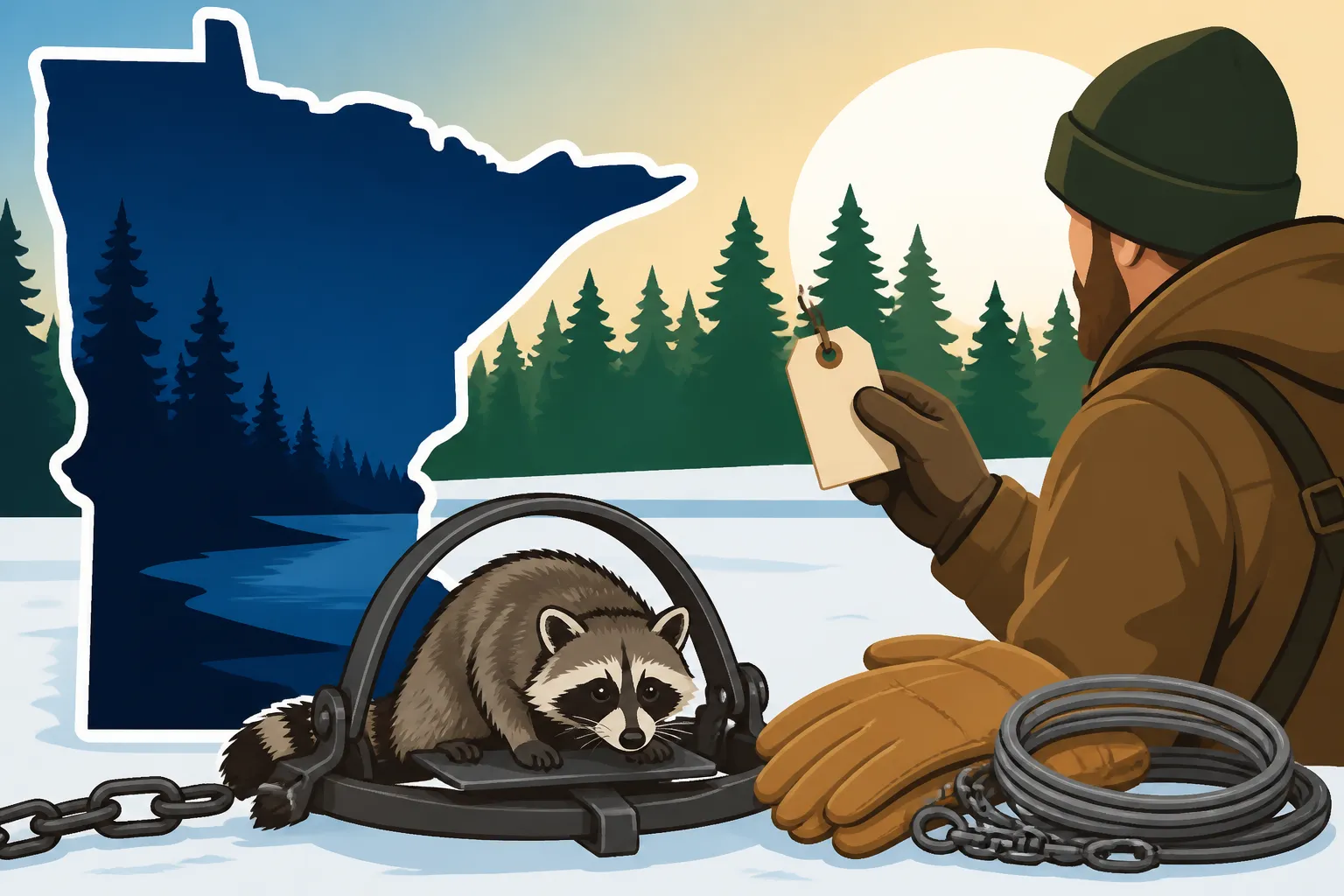
- Otter: This is where things get serious. Every otter harvested in Minnesota must be tagged with a special DNR registration tag. This tag is unique to the individual animal and typically needs to be affixed to the pelt immediately after skinning, before it's transported or sold. The tag usually includes a unique number and requires specific harvest information to be recorded. You'll generally receive these tags when you purchase your furbearer license or apply for an otter permit, but always confirm the specific process.
- Bobcat: Similar to otter, every bobcat harvested in Minnesota requires a specific DNR registration tag. This tag usually needs to be attached to the carcass or pelt before it leaves your possession or is prepared for sale. Bobcat seasons are highly regulated, often with a limited number of permits issued through a lottery, making each tag extremely valuable.
It's crucial to understand that these tags are not just a formality. They are an essential part of the state's wildlife management strategy, allowing the DNR to monitor harvest numbers, population health, and genetic diversity. Failure to properly tag these species can result in severe penalties.
Here's a quick summary of key furbearers and their general tagging requirements in Minnesota:
| Species | General Season Dates (Approx.) | Tagging Requirement |
|---|---|---|
| Muskrat | Oct/Nov – Apr/May | No individual DNR tag required (unless for commercial export, varies) |
| Beaver | Oct – Apr/May | DNR tag often required for pelts intended for sale/export |
| Mink | Oct/Nov – Mar/Apr | No individual DNR tag required |
| Raccoon | Oct – Mar/Apr | No individual DNR tag required |
| Red/Gray Fox | Oct – Mar/Apr | No individual DNR tag required |
| Coyote | Oct – Mar/Apr | No individual DNR tag required |
| Skunk | Oct – Mar/Apr | No individual DNR tag required |
| Weasel | Oct – Mar/Apr | No individual DNR tag required |
| Bobcat | Mid-Dec – Early Jan (often lottery) | MANDATORY DNR Registration Tag required per animal, often limited tags issued |
| Otter | Nov – Early Jan | MANDATORY DNR Registration Tag required per animal |
Note: Always consult the current Minnesota DNR Furbearer Regulations for exact dates, specific zone regulations, and the most up-to-date tagging requirements.
Reporting and Registration Obligations
Beyond the physical tagging of certain furbearers, Minnesota trappers also have reporting and registration obligations. While not all species require individual reporting, understanding which ones do and the timeframe for submission is essential. Harvest data, especially for species like otter and bobcat, is critically important for the DNR to assess population health and set future season structures. This often involves either an online reporting system or returning specific harvest cards.
For instance, if you're lucky enough to harvest an otter or bobcat, the DNR will provide instructions on how and when to report it, often requiring you to either physically bring the pelt to a DNR office or an authorized agent for inspection and tagging, or submit information online. This process ensures accurate data collection and allows for the biological sampling of animals when needed (e.g., for disease monitoring). Even for species that don't require individual tagging or physical registration, the overall harvest survey data collected by the DNR from a sample of trappers is vital. Participating honestly and promptly in any surveys helps contribute to sound wildlife management. Platforms like GoHunt can help you stay organized by tracking your harvests and reminding you of critical reporting deadlines, ensuring you fulfill all your obligations.
Common Pitfalls and Best Practices for Minnesota Trappers
Trapping is an art and a science, but even seasoned practitioners can stumble. Understanding the common mistakes and adopting best practices can significantly enhance your success and, more importantly, keep you in good standing with the law and your fellow outdoors enthusiasts.
Avoiding Common Violations and Misunderstandings
One of the most frequent sources of violations for trappers stems from misunderstanding trap placement rules. For instance, Minnesota has strict regulations regarding how close traps can be set to dwellings, public roads, or certain bodies of water. You can't just set a trap anywhere you please. Another common pitfall involves trap size and type; there are specific regulations for the maximum jaw spread for conibear-style traps, foothold traps, and snare wire diameter, depending on the species and location. Using an illegal trap, or placing a legal trap in an illegal location, is a surefire way to land a fine.
Furthermore, trap checking frequency is a non-negotiable rule. Most regulations mandate that traps, especially those designed to hold an animal, must be checked at least once every 24 hours. Failure to do so is a common and serious violation, as it raises humane concerns. Even something as seemingly minor as failing to properly mark your traps with your license number can lead to issues. It's easy to get caught up in the excitement of scouting and setting, but a momentary lapse in memory or a quick shortcut can have lasting consequences. Familiarity with the rules, and perhaps a quick reference card in your pack, can save a lot of headaches.
Responsible Trapping: Habitat and Non-Target Catches
A truly responsible trapper is also a conservationist. This means taking habitat into account and doing everything possible to minimize non-target catches. When you're setting traps, think about what else might be in the area. Are there domestic animals, protected species, or even other hunters or hikers? Trap placement and selectivity are critical. For example, using a cubby set with a smaller opening might deter a larger, non-target animal, or setting traps in water can reduce the chance of catching terrestrial species.
If you do catch a non-target animal, knowing how to safely release it is paramount. Carry a release tool and understand proper handling techniques. The goal is to harvest furbearers efficiently and humanely, not to cause unnecessary harm to other wildlife. Trapping success isn't just measured by the number of pelts, but also by the care and consideration given to the environment and its inhabitants. For more general insights into conservation and land use, resources that touch upon Minnesota Wildlife Management Areas or Minnesota Waterfowl Production Areas can provide broader context, as these are often prime trapping grounds that require careful consideration of all users.
Leveraging Tools and Resources for Success
In today's age, trappers have access to an incredible array of tools that can dramatically improve efficiency, safety, and regulatory compliance. Modern mapping applications, such as those offered by GoHunt, are indispensable. They allow you to overlay property lines, public land boundaries (like WMAs or State Forests), and even satellite imagery to scout potential trap lines from the comfort of your home. This helps you identify prime habitat, access points, and, crucially, avoid trespassing before you ever step foot in the field.
Beyond mapping, the DNR website is a goldmine of information, offering digital versions of regulation handbooks, season date updates, and contact information for local wildlife managers who can answer specific questions. Don't underestimate the value of networking with experienced trappers. Mentorship is a powerful tool for learning the nuances of trap setting, fur handling, and navigating local conditions. Attending trapping conventions or joining local trapping associations can connect you with a wealth of knowledge and provide opportunities for hands-on learning. For those scouting new areas, the skills for Reading Aerial Photos for Big Woods Deer can translate directly to identifying furbearer travel corridors and denning sites.
Looking Ahead: Changes and Conservation in Minnesota Trapping
Trapping is deeply rooted in Minnesota's history, but it's also a practice that continues to evolve. Staying informed about potential changes and understanding your role in broader conservation efforts is essential for the future of the sport.
How Regulations Evolve and Why
Trapping regulations in Minnesota don't just appear out of thin air. They are the result of ongoing scientific research, harvest data analysis, public input, and sometimes, legislative action. Wildlife biologists at the DNR constantly monitor furbearer populations, looking at trends in harvest numbers, reproduction rates, disease prevalence, and habitat availability. If a species' population shows signs of decline, seasons might be shortened, bag limits reduced, or specific trapping methods restricted to ensure sustainability. Conversely, if a population is robust or causing conflicts (e.g., beaver flooding private land), seasons might be extended or harvest quotas increased.
Environmental factors also play a huge role. Severe winters can impact furbearer survival rates, leading to more conservative seasons in subsequent years. Public perception and ethical considerations are also increasingly factored into regulatory decisions. Trappers often feel the brunt of these changes, and it's easy to get frustrated. However, understanding the underlying reasons—which are almost always about managing healthy, resilient wildlife populations—can help put those frustrations into perspective. Active participation in public comment periods or attending DNR open houses can give trappers a voice in these discussions.
The Role of Trappers in Conservation
It's easy for some to view trapping as solely a harvest activity, but responsible trappers are, in fact, integral partners in wildlife conservation. By selectively removing furbearers, trappers help manage population densities, which can prevent overbrowsing of vegetation, reduce disease transmission, and minimize conflicts with humans and livestock. For example, beaver trapping helps prevent property damage from flooding, and coyote trapping can help manage predation on deer fawns or other livestock. These efforts are part of a larger ecological balance.
Furthermore, trappers often provide invaluable data to wildlife agencies. Their harvest reports, observations from the field, and even submitted samples can contribute to ongoing research on furbearer health, distribution, and disease surveillance. Without trappers, wildlife managers would have fewer tools and less data to make informed decisions. It's a symbiotic relationship, where the pursuit of furbearers directly contributes to their long-term health and the overall ecological well-being of Minnesota's diverse wildlife. This dedication to careful management is a cornerstone of responsible hunting and trapping, much like the detailed planning that goes into something like Scouting Minnesota Public Land Before Season for any game animal.
Disclaimer
The information provided in this guide is for informational purposes only and is not a substitute for the official Minnesota Department of Natural Resources (DNR) Furbearer Regulations. Regulations can change annually and even seasonally. Always consult the most current official Minnesota DNR Furbearer Regulations handbook and website before engaging in any trapping activities. Failure to comply with all state and federal regulations may result in penalties.