Minnesota Junior License Discounts
Hunting can feel like a financial hurdle, especially when you're trying to get the next generation involved. Between gear, gas, and licenses, the costs can quickly add up, making it tough for young hunters to get their start. Luckily, Minnesota understands this challenge and offers specific junior license discounts designed to make hunting more accessible and affordable for kids and teenagers, ensuring that the rich tradition of hunting continues to thrive in our state. This comprehensive guide will walk you through everything you need to know about these valuable discounts, who qualifies, and how to take advantage of them.
Understanding Minnesota's Junior Hunting License Discounts
Minnesota is deeply committed to fostering a love for the outdoors and hunting in its youth, and one of the most practical ways they do this is through significantly reduced license fees for junior hunters. These aren't just token discounts; they represent a real effort to lower barriers to entry for young people who are eager to learn and participate in hunting. It’s about more than just saving a few bucks; it’s about making sure that cost isn’t the reason a future conservationist never gets started.
What Makes Junior Licenses Different
The core difference with junior licenses boils down to cost, but it also reflects a simplified approach to getting kids in the field. For most game types, junior licenses are a fraction of the cost of an adult license. This isn't just for a single deer tag; it extends to small game, turkey, and even waterfowl stamps, making a full season of diverse hunting opportunities much more manageable for families. Think about it: if you've got a couple of kids who want to try spring turkey hunting, the savings on their licenses alone can be significant, perhaps enough to cover some calls or decoys. It encourages participation without putting a strain on the family budget.
Types of Junior Licenses Available
Minnesota offers a wide array of junior licenses, mirroring many of the opportunities available to adults. This isn't a restrictive "youth-only" season type of deal (though those exist too, like the Minnesota Youth Early Antlerless Season); it's about making year-round hunting more affordable for kids. You’ll find discounted licenses for:
- Deer: This is often the most sought-after, allowing juniors to participate in Minnesota's archery, firearm, and muzzleloader seasons.
- Small Game: Crucial for getting started with squirrels, rabbits, or pheasants. These are often the gateway species for new hunters.
- Turkey: Both spring and fall turkey hunting licenses are discounted, making those early morning gobbler hunts more accessible.
- Waterfowl: For those eager to hit the duck blinds or chase geese, junior migratory bird licenses and stamps are also offered at a reduced rate.
- Bear: Even for big game like bear, Minnesota provides junior opportunities, albeit within the lottery system.
This breadth of options is fantastic because it allows young hunters to explore different types of hunting without the family having to commit a large sum of money upfront. It's an investment in their outdoor education, not just a transaction for a tag.
Eligibility Requirements for Junior Hunters
While the discounts are generous, there are, of course, some clear requirements that junior hunters must meet. These aren't meant to be roadblocks but rather to ensure safety, proper education, and adherence to wildlife management principles. It’s about building responsible hunters, not just handing out cheap tags.
Age Criteria and Residency
The primary eligibility factor is age. Generally, a "junior" hunter in Minnesota is defined as someone under the age of 16. The exact age can sometimes vary slightly depending on the specific license type or program, but 12-15 years old is the typical sweet spot for most junior hunting opportunities. However, it's worth noting that some activities, like participating in a mentored youth hunt, can start even earlier, allowing kids to gain experience before they can legally carry their own tag.
Residency is also a key factor. To qualify for the significantly reduced resident junior license fees, the youth must meet Minnesota's residency requirements. This usually means living in the state for a specified period (typically 60 consecutive days) immediately prior to applying for the license. While non-resident junior licenses are also available, their cost is usually higher than a resident junior license, though still often less than an adult non-resident license. Always check the current Minnesota DNR regulations or a reliable resource like GoHunt for the most up-to-date residency definitions.
Hunter Safety and Mentorship Rules
Perhaps the most critical requirement for any junior hunter is completing a certified hunter education course. Minnesota takes hunter safety very seriously, and for good reason. Before a youth can hunt unsupervised in Minnesota, they must possess a Minnesota Firearms Safety Certificate for Youth or an equivalent certificate from another state or province. This isn't just a formality; it's a comprehensive course that teaches firearm safety, wildlife identification, hunting ethics, and basic survival skills. It's a foundational step that every hunter, young or old, should take. You can find more details on what's required in Minnesota Hunter Safety Requirements.
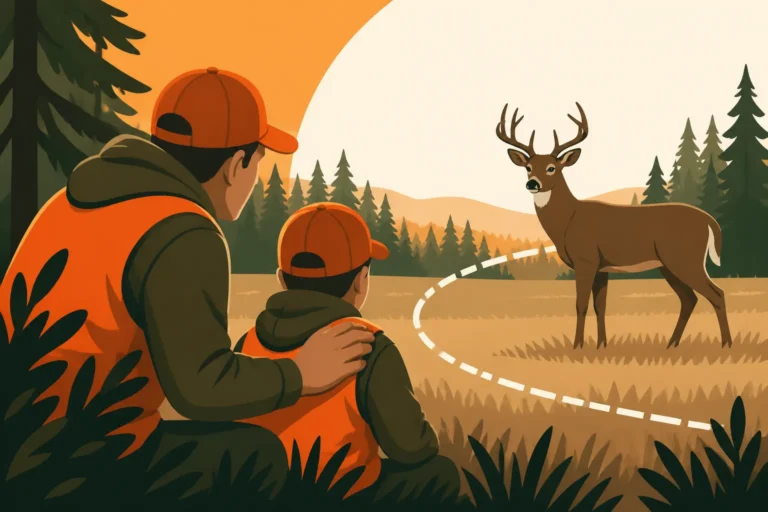
For younger hunters, or those who haven't completed hunter education, Minnesota offers a fantastic Mentored Youth Hunting Program. Under this program, eligible youth (typically those aged 10 and older who have not yet completed hunter education) can hunt small game and deer while under the direct supervision of a licensed adult mentor. The mentor must be at least 18 years old and possess a valid Minnesota hunting license for the game being hunted. The rules regarding how close the mentor must stay to the youth are very specific, ensuring safety and guidance. You can learn more about these guidelines in Minnesota Mentored Youth Hunting Rules. This program is invaluable as it allows kids to experience hunting firsthand, often sparking a lifelong passion, before committing to the full hunter safety course.
How to Apply for and Utilize Junior Hunting Licenses
Navigating the application process for junior licenses is relatively straightforward, thanks to modern technology. The goal is to make it as easy as possible for families to get their young hunters licensed and ready for the field.
The Application Process Made Easy
The easiest way to purchase any Minnesota hunting license, including junior licenses, is through the Minnesota DNR's online eLicense system. It's a user-friendly platform where you can quickly find the specific license you need, enter the required information for the junior hunter (including their date of birth to verify age), and complete the purchase. You can also purchase licenses at authorized license agents across the state, such as bait shops, sporting goods stores, and county courthouses.
When applying, be prepared to provide the junior hunter's full name, date of birth, and proof of hunter education certification if they're old enough to hunt unsupervised. For a mentored youth license, the mentor's license information will also be needed. It's a quick process, and once purchased, you can often print a temporary license immediately or have a physical card mailed to you. Always remember to carry proof of the license while hunting, whether it’s a physical card or a digital copy on your phone, as outlined in Carrying Proof of License on Your Phone.
Here's a quick overview of common junior resident license costs:
| License Type | Junior Resident (Under 16) | Adult Resident | Savings for Junior Hunter |
|---|---|---|---|
| Small Game | $5.00 | $17.00 | $12.00 |
| Firearm Deer (Statewide) | $8.00 | $34.00 | $26.00 |
| Archery Deer | $8.00 | $34.00 | $26.00 |
| Muzzleloader Deer | $8.00 | $34.00 | $26.00 |
| Spring Turkey | $5.00 | $26.00 | $21.00 |
| Fall Turkey | $5.00 | $26.00 | $21.00 |
| Pheasant Stamp | Not Required | $10.00 | $10.00 |
| Migratory Bird Certification | Not Required | $7.50 | $7.50 |
| Waterfowl Stamp (MN) | Not Required | $7.50 | $7.50 |
Note: Federal Duck Stamps are required for hunters 16 and older for waterfowl, regardless of state junior status.
Making the Most of Junior Hunting Opportunities
Once your junior hunter has their license, the real fun begins! Minnesota offers incredible opportunities that these licenses unlock. Beyond general seasons, look for specific youth-only seasons designed to provide a less pressured hunting experience. The Minnesota Youth Early Antlerless Season is a prime example, offering a chance to harvest a deer before the main firearm opener, often resulting in higher success rates and a great first deer experience.
When planning your hunts, leverage resources that help you find good public land, understand regulations, and scout effectively. Websites like GoHunt or the DNR’s own mapping tools (like the Scouting With the Minnesota Recreation Compass App) can be invaluable. Take your junior hunter with you during scouting trips on Minnesota State Forest Hunting land or Minnesota Wildlife Management Areas. Teach them how to identify deer sign, read maps, and understand wind direction. These experiences are just as important as the actual hunt itself.
Remember, the emphasis with junior hunting should always be on the experience, learning, and developing a deep appreciation for nature and ethical hunting practices, rather than solely on harvesting an animal. These discounts aren't just about saving money; they're an investment in the future of hunting and conservation in Minnesota.
The Broader Impact of Junior License Programs
Beyond the immediate financial relief for families, Minnesota's junior license discount programs serve a much larger, more critical purpose: they are a cornerstone of hunter recruitment, retention, and the future of wildlife conservation. It's a strategic investment in ensuring that the next generation steps up to protect the wild places we all cherish.
Fostering a New Generation of Conservationists
Every hunter license purchased, even a discounted junior one, contributes directly to wildlife management and conservation efforts in Minnesota. A portion of every license dollar goes towards habitat restoration, wildlife research, law enforcement, and public land access. By making it easier for young people to start hunting, Minnesota is cultivating a new cohort of individuals who will not only participate in these activities but also become passionate advocates for healthy ecosystems.
Think of it this way: a young hunter who learns the value of a clean stream or a thriving deer herd through their hunting experiences is far more likely to support conservation initiatives later in life. They understand the direct connection between their actions and the health of the wildlife they pursue. This hands-on connection, facilitated by accessible licensing, turns passive appreciation into active stewardship. It's how we ensure that future generations will also have the chance to experience the solitude of a quiet morning duck hunt or the thrill of chasing a ruffed grouse.
Building Lifelong Skills and Outdoor Connections
Hunting offers far more than just the pursuit of game; it's a powerful teacher of patience, resilience, observation skills, and self-reliance. When a junior hunter spends time in the woods, they are learning about animal behavior, weather patterns, navigation, and critical decision-making. These are practical life skills that extend far beyond the hunting season. The challenge of Still-Hunting Minnesota Big Woods or the strategic thinking required for Deer Drives With Three or Four Hunters instill lessons that build character and confidence.
Furthermore, hunting provides an unparalleled opportunity for families to connect in meaningful ways. Sharing a treestand with a parent or grandparent, or huddling around a campfire after a long day in the field, creates bonds and memories that last a lifetime. In an increasingly digital world, these genuine outdoor experiences are more vital than ever. The junior license discounts are a small financial nudge that can open the door to these profound connections and help solidify a lifelong love for the outdoors. Ultimately, these programs aren't just about discounted permits; they're about nurturing the guardians of tomorrow's wild Minnesota.
Disclaimer
Please note that hunting regulations, license costs, and season dates are subject to change. Always consult the official Minnesota Department of Natural Resources (DNR) website or their current hunting regulations handbook for the most accurate and up-to-date information before planning your hunt. This guide is for informational purposes only and should not be considered a substitute for official DNR publications.