Minnesota 100 Series Firearm Opener
Hunting in Minnesota can feel like navigating a complex maze, especially when it comes to understanding the different deer firearm seasons. For many, the opening day of the 100 Series firearm season is circled on the calendar in bold red ink, but knowing exactly what that entails, where it applies, and how to maximize your chances can be a real head-scratcher. This guide aims to clear up all the confusion, providing you with a detailed breakdown of the Minnesota 100 Series Firearm Opener, from regulations to real-world hunting strategies.
Understanding Minnesota's Firearm Deer Zones
Minnesota's deer management strategy divides the state into different permit areas and zones, each with its own set of rules and season dates. It's designed to manage deer populations effectively across diverse habitats, from the vast northern forests to the agricultural lands of the south. The 100 Series zone is a critical part of this system, often representing some of the state's most popular hunting grounds.
What Defines the 100 Series Zone
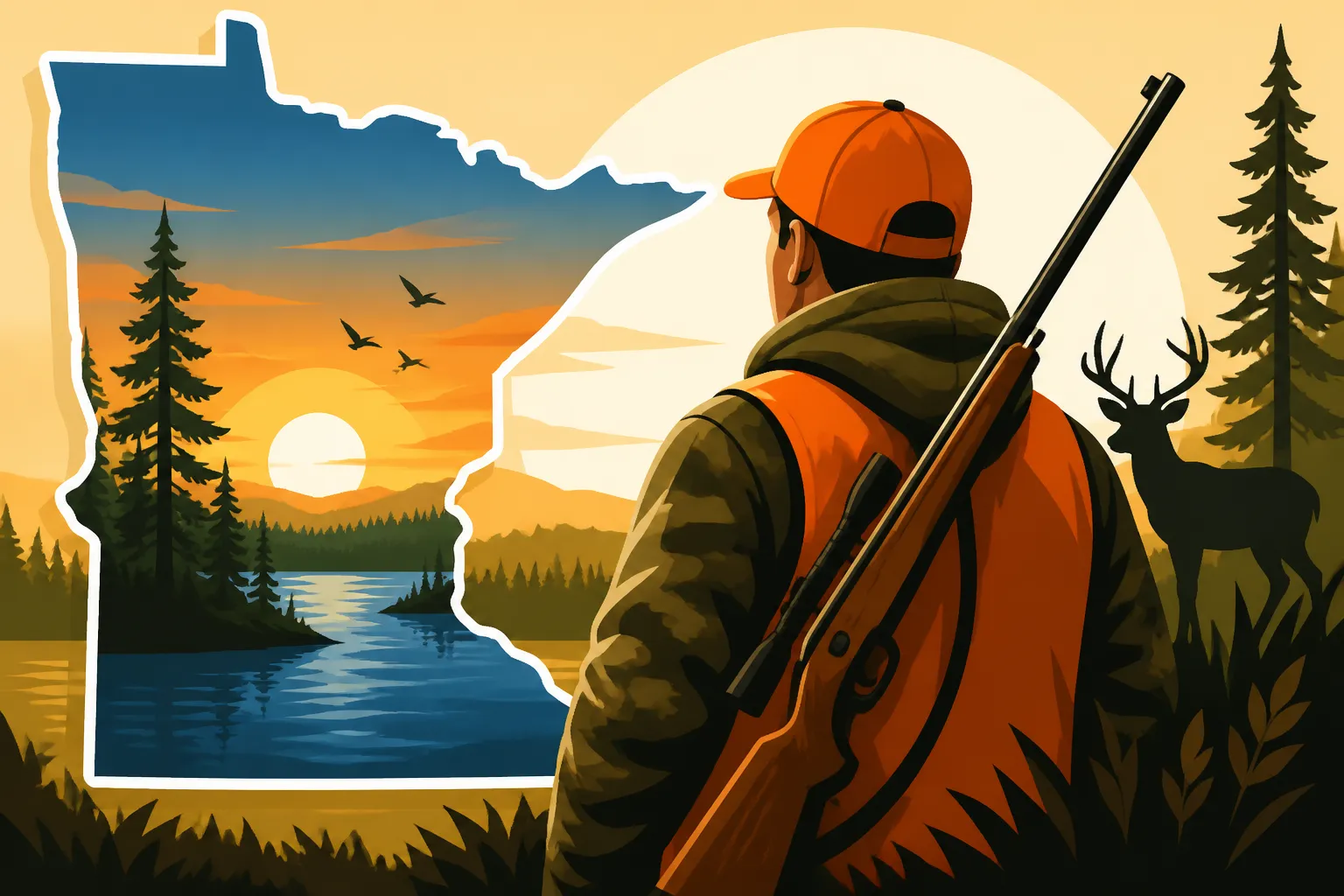
The 100 Series zone, officially known as the "Forest Zone," primarily encompasses the vast expanses of northern and central Minnesota. Think of it as the classic "big woods" deer hunting experience. This zone is characterized by its extensive public lands, including state forests, national forests like the Superior National Forest, and numerous Wildlife Management Areas (WMAs). The habitat here is a mix of mature timber, aspen cuts, conifer swamps, and small agricultural pockets, which creates a diverse and challenging environment for deer and hunters alike. Historically, this zone has had a strong tradition of firearm hunting, and the opening weekend is a significant cultural event for many Minnesota families. Understanding the nuances of Minnesota Deer Seasons and Permit Areas is crucial, as the 100 Series is just one piece of the larger puzzle.
Unlike the agricultural zones to the south, where deer populations can be extremely high, the 100 Series often presents a more rugged and demanding hunt. Deer densities here can be lower, and the terrain more difficult to navigate, rewarding diligent scouting and patient hunting. This is where using modern hunting tools and apps like GoHunt can really shine, allowing you to scout vast areas from your couch, pinpointing potential bottlenecks, bedding areas, and overlooked pockets of public land. The challenges of the 100 Series are also what draw many hunters – the opportunity for a true wilderness experience and the satisfaction of earning a deer in demanding conditions.
Key Dates for the 100 Series Opener
The opening day for the 100 Series firearm season is one of the most anticipated dates on the Minnesota hunting calendar. It typically kicks off the first Saturday in November and runs for a period of about nine days. For many, it's the beginning of a cherished annual tradition, with deer camps bustling and the woods alive with hunters. This timing is strategic, often coinciding with the early stages of the whitetail rut, adding an extra layer of excitement and opportunity. While the precise dates can shift slightly year to year, knowing it's almost always the first full weekend of November gives you a good starting point for your planning.
It's important to remember that these dates are specific to the 100 Series. Other zones, such as the 200 and 300A zones (often called the "transition" and "farmland" zones respectively), have different opening and closing dates, as does the much later 300B firearm season. Always double-check the current year's Minnesota Department of Natural Resources (DNR) hunting regulations to confirm the exact dates for the Minnesota 100 Series Firearm Opener. Missing the opener due to misremembering a date is a frustration no hunter wants to experience! Planning ahead, including taking vacation time and preparing your gear, is essential to make the most of this prime hunting window.
Why the 100 Series Matters for Hunters
The 100 Series represents a significant portion of Minnesota's deer habitat and offers unique hunting experiences. For starters, it provides vast amounts of public land, making it accessible to many hunters who might not have private land access. The sheer scale of the landscape means there's always new ground to explore, and the challenge of hunting these big woods keeps many coming back year after year. Deer populations, while not as dense as in the agricultural zones, tend to produce older, more mature bucks due to the harder hunting pressure and expansive cover.
Furthermore, the 100 Series is where many of Minnesota's hunting traditions truly thrive. Deer camps, communal hunting efforts, and generational knowledge passed down through families are hallmarks of this zone. It’s also often where you'll find a higher prevalence of classic still-hunting and deer drive tactics, adapting to the timbered environment. For those looking for a truly immersive experience in classic Minnesota deer country, the 100 Series opener is often the pinnacle of the season. Understanding the unique deer behaviors in this environment is key, such as knowing Where Big Woods Bucks Bed in Minnesota to improve your chances.
Navigating the 100 Series Regulations
Hunting regulations can feel like a labyrinth, but they are in place to ensure fair chase, sustainable populations, and hunter safety. For the 100 Series, there are specific rules regarding licenses, weapons, and harvest that every hunter must understand before heading into the woods.
License and Tagging Requirements
Before you even step foot into the 100 Series, you'll need the correct licenses. A Minnesota Resident Deer License or a Minnesota Nonresident Deer License is required, which typically includes a deer tag. For the 100 Series, most areas are designated as "Hunter Choice" or "Managed" permit areas, meaning you can generally take one deer, either antlered or antlerless, provided you follow the specific rules for that permit area. Some areas might be "Lottery" areas for antlerless deer, meaning you need to apply beforehand for an antlerless tag, but many 100 Series areas are more straightforward. Always confirm the specific regulations for your chosen Permit Area through the Minnesota DNR website or by using a mapping app like GoHunt which often integrates regulation data.
Once you harvest a deer, proper tagging and registration are paramount. Minnesota law requires you to tag your deer immediately after the kill, before moving it from the site of the kill. This typically involves attaching the appropriate tag from your license to the deer's leg or antler. Following this, you must register your deer, usually online or by phone, within 48 hours. Failing to properly tag or register your deer can lead to significant fines and penalties, so it’s critical to understand these steps. For more detail, refer to Minnesota Deer License Options by Weapon.
Weapon Restrictions and Considerations
Historically, Minnesota had strict "shotgun-only" zones, but recent changes have significantly expanded options for firearm hunters. With Minnesota's New Statewide Rifle Rules, rifles are now legal for deer hunting across most of the state, including the entire 100 Series zone. This is a game-changer for many hunters, allowing for greater range and accuracy, especially in the more open timber or clear-cuts found in the forest zone. This also means you have more choices when it comes to Choosing a Rifle Now That Shotgun Zones Are Gone.
However, there are still thirteen specific counties that retain shotgun-only regulations at a local level. While these are primarily located outside the 100 Series, it's absolutely vital to Checking Your County's Shotgun-Only Ordinance if you're hunting near a zone boundary or in a county you're unfamiliar with. It's an easy mistake to make, and one that can cost you dearly. Common legal firearms in the 100 Series now include centerfire rifles, shotguns with slug loads, muzzleloaders (during the firearm season), and handguns that meet caliber requirements. Always verify your chosen weapon and ammunition comply with the minimum legal requirements for big game.
Antler Point Restrictions and Harvest Limits
Most of the 100 Series permit areas fall under a "Hunter Choice" or "Managed" designation. This typically means you are allowed to harvest one deer per license, and that deer can be either antlered or antlerless, depending on what the specific permit area allows. Unlike some other states or even other Minnesota zones, there are generally no statewide antler point restrictions (APRs) in the 100 Series. However, individual permit areas might implement specific rules if deer management objectives require it, so always check the current year's regulations for your particular hunting area.
In "Hunter Choice" areas, you can take an antlered or antlerless deer with your regular deer license. In "Managed" areas, you might be able to take one antlered deer, and then apply for a separate antlerless permit through a lottery, or purchase a bonus antlerless tag if available, to take an additional antlerless deer. This is where understanding the differences between Intensive, Managed and Lottery Permit Areas becomes critical. The goal is to balance hunter opportunity with population management. The ability to take an antlerless deer can be a great way to fill your freezer, and it directly contributes to healthy herd management, especially if you're in an area that needs population reduction.
Strategic Considerations for the Opener
The 100 Series opener is a unique beast. You're dealing with potentially cold weather, a lot of hunter activity, and often elusive deer. Success isn't just about showing up; it's about smart strategy and preparation.
Public vs. Private Land Access
The 100 Series is renowned for its vast stretches of public land. This includes sprawling state forests like the Paul Bunyan State Forest, expansive Wildlife Management Areas (WMAs), and federal lands within the Chippewa National Forest. These areas offer incredible opportunities for hunters, but they also come with challenges, primarily hunting pressure. On opening weekend, these public lands can feel like a convention center. To succeed, you need to understand Hunting Pressure on Minnesota Public Land and develop tactics to avoid the crowds. This often means walking further, finding overlooked pockets, or targeting areas that are harder to access. Using mapping tools like the DNR's Recreation Compass or third-party apps such as GoHunt can help you identify remote corners, pinch points, and cover that other hunters might overlook.
While public land is abundant, securing access to private land can offer a more secluded experience and potentially less pressured deer. If you have the opportunity, always ask for permission well in advance. Building relationships with landowners can lead to invaluable hunting spots year after year. Whether you're on public or private land, always be respectful of boundaries, adhere to ethical hunting practices, and leave no trace behind. This ensures continued access for all hunters.
Weather and Its Impact on Hunting
Minnesota in early November is a wild card when it comes to weather. You could have crisp, sunny days with temperatures in the 40s, or you could be battling biting winds, freezing rain, or even early snowfall. The weather profoundly impacts deer behavior and hunter comfort. Cold, clear mornings often get deer on their feet moving to food sources, while heavy rain or snow can limit movement but also provide excellent tracking conditions. Being prepared for anything is key. This means having appropriate layers of clothing, including waterproof outerwear, warm insulated boots, and a reliable hat and gloves. Cold-Weather Sitting Strategy in Minnesota is crucial if you plan to stay on stand for long periods.
Wind, in particular, is a major factor in the 100 Series. Strong winds can make deer nervous, limiting their movement during daylight hours, but they can also mask your sounds. More importantly, wind direction is critical for scent control. Always hunt with the wind in your favor, positioning yourself downwind of where you expect deer to travel. A sudden shift in wind can blow your cover, so pay close attention to forecasts and adjust your plans accordingly. GoHunt's mapping features often allow you to overlay wind direction, helping you plan your stand locations precisely.
Post-Opener Tactics for the 100 Series
The initial surge of the Opening Weekend Crowds in the 100 Series often pushes deer into thicker cover and makes them more nocturnal. While the opener is exciting, some of the best hunting can actually happen in the days immediately following the initial rush. Many hunters head home after the first two or three days, leaving the woods quieter and allowing deer to settle back into more natural patterns. This is when strategic still-hunting, slow tracking, or hunting transition areas between thick bedding cover and food sources can be highly effective. Deer become incredibly wary after facing intense pressure, so stealth and patience are paramount.
Consider focusing on areas that provide dense thermal cover, such as conifer swamps or thick regeneration cuts, where deer will retreat to escape pressure. During this period, the rut may also be intensifying, so don't be afraid to try rattling and grunting to pique the interest of cruising bucks. You might also want to explore Hunting the Rut in Late October or Hunting the Peak Rut in Early November for complementary strategies. Persistence and adaptability are your best friends once the initial chaos of the opener subsides.
Common Misconceptions and Troubleshooting
Even experienced hunters can get tripped up by the details of the 100 Series opener. Knowing the common pitfalls can help you avoid them.
Mistaking Zone Boundaries
One of the biggest frustrations for hunters is inadvertently crossing into a different permit area or zone with different regulations. Minnesota's deer zones and permit areas don't always follow neat, straight lines, and a state forest might straddle multiple boundaries. Hunting in the wrong zone, or taking an animal that isn't legal in the specific permit area you're in, can lead to serious legal trouble. Always use a reliable map or GPS device with current land ownership and zone overlays. Apps like GoHunt are invaluable for this, as they provide real-time location tracking against detailed maps showing permit area lines, public land boundaries, and even CWD zones. Double-check your exact location daily, especially if you're exploring new ground.
Overlooking Antlerless Opportunities
For many hunters, the focus is solely on harvesting an antlered buck. While taking a trophy buck is certainly a thrill, overlooking antlerless opportunities can mean missing out on venison and contributing to herd management. In many 100 Series permit areas, especially those designated "Managed" or "Hunter Choice," you can legally harvest an antlerless deer. These tags often have a higher success rate and can be a fantastic way to fill your freezer. Plus, responsibly harvesting antlerless deer helps maintain a healthy buck-to-doe ratio and prevents overpopulation in areas where it might become an issue. Don't be afraid to take a doe if it's legal in your area and the opportunity arises – it's a valid and important part of hunting. It's often easier to fill an antlerless tag, which you can learn more about by reading Filling an Antlerless Lottery Tag in Minnesota.
Dealing with Crowds
The 100 Series opener, particularly on public land, can draw a significant number of hunters. This can be discouraging, with parking lots full and stands seemingly every few hundred yards. However, don't let the crowds deter you. The key is to think differently and be willing to work harder. Most hunters won't venture more than a mile or two from a road or parking area. By studying maps beforehand and identifying areas with difficult access – perhaps requiring a canoe portage, a long hike, or navigating through dense swamps – you can often find solitude and less pressured deer. This is where Finding Ground Others Walk Past truly pays off.
Consider hunting during weekdays after the initial opener, when hunter numbers drop dramatically. Also, think about alternative tactics like still-hunting or scouting for fresh sign away from main trails, rather than simply sitting in a popular treestand location. Being mobile and adaptable can give you a significant advantage over hunters who stick to the most obvious spots.
Key Information for Minnesota's 100 Series Firearm Opener
To help consolidate the information, here’s a quick overview of essential details for the Minnesota 100 Series Firearm Opener. Always consult the official Minnesota DNR regulations for the most current and specific information for your permit area.
| Feature | Description |
|---|---|
| Zone Name | 100 Series (Forest Zone) |
| Geographic Area | Primarily northern and central Minnesota, characterized by extensive forests, public lands, and mixed habitats. |
| Opening Day | First Saturday in November (Always confirm current year's exact dates with MN DNR). |
| Season Length | Typically 9 days. |
| License Required | Minnesota Resident or Nonresident Deer License. |
| Weapon Types | Centerfire Rifles, Shotguns with Slug Loads, Muzzleloaders, Handguns (all meeting minimum caliber/gauge requirements). Check Legal Firearms for Minnesota Deer Hunting for specifics. |
| Antler Rules | Generally "Hunter Choice" or "Managed" permit areas; no statewide Antler Point Restrictions (APRs). Always confirm rules for your specific Permit Area. |
| Harvest Limit | Typically one deer per license (antlered or antlerless as per permit area rules). Bonus antlerless tags may be available in some "Managed" areas. |
| Key Challenges | Significant hunter pressure on public land, variable November weather, lower deer densities compared to agricultural zones, expansive and rugged terrain. |
| Strategic Tools | Detailed topo maps, GPS/mapping apps (like GoHunt), scouting before the season, understanding deer movement patterns relative to pressure and food sources. |
Disclaimer
The information provided in this guide is for general informational purposes only and is not a substitute for the official Minnesota Department of Natural Resources (DNR) hunting regulations. Hunters are responsible for knowing and complying with all current state and local hunting laws and regulations. Always consult the most recent Minnesota Hunting and Trapping Regulations Handbook or the Minnesota DNR website before heading into the field. Regulations, dates, and permit area designations can change annually.