Minnesota Hunter Safety Requirements
Navigating the labyrinth of hunting regulations can feel overwhelming, especially when you're just trying to figure out how to legally and safely get into the woods. The constant worry about missing a critical requirement, or worse, putting yourself or others at risk, is a common frustration for both new and seasoned hunters. This comprehensive guide is here to meticulously break down all of Minnesota's hunter safety requirements, eligibility, and the various paths to certification, ensuring you're fully prepared and legal for your next outdoor adventure.
Understanding Minnesota's Hunter Safety Mandates
Before you even think about hitting the woods or fields in Minnesota, it's absolutely crucial to understand the state's hunter safety mandates. These aren't just arbitrary rules; they're in place to ensure a safe and responsible hunting tradition for everyone, protecting both human life and our treasured wildlife resources. Ignoring these requirements can lead to hefty fines, loss of hunting privileges, and, most importantly, dangerous situations. It’s a foundational piece of knowledge that every hunter must possess, almost as important as knowing your chosen game species or understanding how to scout effectively.
Who Absolutely Needs Hunter Safety Certification?
The Minnesota Department of Natural Resources (DNR) has clear guidelines on who must possess a valid Firearm Safety Certificate (FSC), often colloquially referred to as a "hunter safety card." Generally speaking, if you were born after December 31, 1979, and plan to hunt with a firearm in Minnesota, you are required to complete a state-approved firearm safety course and carry proof of certification. This applies whether you're chasing whitetails in the big woods, pheasants in the southwest, or even squirrels in a local hardwood stand. It's not just about carrying the firearm; it's about demonstrating a fundamental understanding of safe firearm handling, hunting ethics, and wildlife conservation. Without this certification, purchasing a hunting license that requires a firearm will be impossible, effectively keeping you out of the field.
Imagine a young hunter, eager to join their family for the opening weekend of deer season. They've practiced shooting, scouted with their dad, and even helped set up the deer camp. But if they were born after the cutoff date and haven't obtained their certification, all that preparation means nothing. They won't be able to buy that first deer license. It’s a common scenario that highlights the importance of planning ahead and understanding Who Needs Minnesota Hunter Safety Training. This requirement ensures that every new generation of hunters receives formal instruction on topics like safe zones of fire, proper firearm storage, and identifying game, creating a safer environment for everyone sharing the outdoors.
Exemptions and Special Cases
While the rule about the 1979 birthdate is broad, Minnesota does acknowledge a few specific exemptions and special cases. For instance, if you're actively serving in the U.S. Armed Forces or have been honorably discharged, you might be exempt from the general firearm safety certificate requirement, provided you can furnish proof of your military service. Similarly, certain non-residents who hold a valid hunter safety certificate from another state or province that meets Minnesota's standards might also be exempt. It’s always best to check with the Minnesota DNR directly if you fall into one of these categories, as reciprocity rules can sometimes be nuanced and change. Don't assume your out-of-state certification is automatically accepted without confirmation, or you might find yourself in a bind at the license vendor.
Another significant exception is the state's Apprentice Hunter Validation program, which we'll dive into deeper shortly. This program allows eligible individuals, regardless of their birth year, to hunt under the direct supervision of an experienced, licensed hunter without first completing a firearm safety course. It’s designed to provide a mentored introduction to hunting, fostering safe practices in a real-world setting. However, it’s not a permanent workaround; it’s a stepping stone. Also, some specialized hunts, such as certain archery-only seasons or specific types of small game hunting, may have different or no firearm safety requirements, though general safety principles always apply. Always consult the specific regulations for the season and species you intend to hunt. For instance, Minnesota Crossbow Rules During Archery Season would have different requirements than a firearm deer hunt.
The Age Factor: Minimum and Maximums for Minnesota Hunters
Minnesota's hunting regulations are thoughtfully designed to introduce new hunters to the sport safely and responsibly, with age playing a significant role in determining eligibility and supervision requirements. It's not just about physical capability; it's about mental maturity, understanding of consequences, and the ability to act responsibly with firearms. The state strives to balance encouraging youth participation with ensuring public safety, creating a structured pathway for young enthusiasts to become confident and ethical hunters.
Minimum Age for Hunter Safety Training
In Minnesota, there isn't a strict minimum age requirement to take the traditional Firearm Safety Course. However, most course instructors and online platforms recommend that participants be at least 11 or 12 years old. Why this recommendation? Because the course material, which covers everything from firearm mechanics and safe handling to ethical hunting practices and game identification, can be quite comprehensive. Younger children might struggle to grasp the concepts fully or retain the information needed to pass the written and practical exams. It’s about ensuring the training sticks and forms a solid foundation for a lifetime of safe hunting.
Consider a hypothetical scenario: a motivated 10-year-old takes the course and passes, but a year later, during their first actual hunt, they forget a crucial rule about muzzle control in thick brush. While enthusiasm is wonderful, maturity is key for safe firearm handling. The instructors aren't trying to gatekeep; they're trying to set participants up for success and safety. Many families choose to wait until their child is a bit older, perhaps 12 or 13, so they can absorb the lessons more effectively and are physically capable of safely handling a firearm for the practical field day portion. This age also often aligns with when they can participate more fully in various youth hunting opportunities.
Age Requirements for Unsupervised Hunting
This is where the age factor truly becomes critical for young hunters. In Minnesota, a person must be at least 12 years old to hunt big game (like deer, bear, or elk) with a firearm, and they must possess a valid Firearm Safety Certificate. For small game hunting with a firearm, there isn't a specific minimum age if the hunter is accompanied by a parent or guardian, but again, the FSC is required for those born after December 31, 1979. More importantly, to hunt unsupervised with a firearm, a person generally needs to be at least 12 years old and have completed their firearm safety training.
The journey from a supervised hunter to an unsupervised one is a significant step. It means the young hunter is deemed capable of making independent judgments regarding safety, shot selection, and ethical behavior in the field. This transition is usually a gradual one, with parents and mentors often continuing to accompany and guide young hunters even after they've officially met the unsupervised hunting age. It’s a testament to the idea that hunter safety isn't just about passing a course; it's an ongoing commitment to responsible behavior. For those seeking detailed information on specific age requirements and exceptions, the DNR's resources on Minimum Age for Unsupervised Minnesota Hunting are invaluable.
Pathways to Certification: How to Get Your Hunter Safety Card
Getting your hunter safety certification in Minnesota is a rite of passage for many, and thankfully, the state offers several flexible pathways to complete this crucial training. Whether you prefer the structure of a traditional classroom or the convenience of online learning, there’s an option to suit different schedules and learning styles. The goal, regardless of the pathway chosen, is to instill a deep understanding of firearm safety, responsible hunting practices, and ethical conduct in the field.
Traditional Classroom Courses
For many, the traditional classroom setting remains the gold standard for hunter safety education. These courses are typically offered by volunteer instructors in local communities, often sponsored by sports clubs, conservation organizations, or even schools. The in-person interaction with experienced instructors, the opportunity to ask questions, and the hands-on practice with inert firearms provide an invaluable learning experience. These courses usually span several sessions over a few days or weeks, culminating in a written exam and a mandatory field day where practical skills are assessed.
The benefits of a traditional course are numerous. You get direct instruction, which can be particularly helpful for complex topics like firearm action types or trajectory. You also benefit from peer interaction, learning from other students' questions and experiences. Instructors often bring real-world hunting scenarios into the classroom, discussing everything from proper field dressing techniques to tracking wounded game. For many, this community aspect is just as important as the factual learning, building connections that can last a lifetime. These courses are often listed on the Minnesota DNR website, making it easy to find one near you. For example, learning about Minnesota Firearms Safety Certificate for Youth often starts with these foundational in-person courses.
Online Hunter Safety Options
Recognizing the demands of modern life, Minnesota also offers approved online hunter safety courses. These courses provide a convenient alternative for individuals whose schedules might not accommodate traditional classroom settings. Students can complete the coursework at their own pace, from the comfort of their home, covering all the theoretical aspects of firearm safety, hunting ethics, and wildlife management. This flexibility is a huge advantage for busy adults or students with extracurricular activities. Websites like GoHunt often point to these online resources as part of their comprehensive hunting preparation guides.
However, it's absolutely vital to understand that the online course is not a complete substitute for hands-on instruction. While the online modules cover the knowledge portion, Minnesota law still requires all students who complete an online course to also attend a mandatory in-person "field day" or "range day." This critical component allows certified instructors to assess practical skills, such as safe firearm handling, loading and unloading, carrying techniques, and shooting proficiency on a range. Without successfully completing both the online portion and the field day, your certification will not be valid. So, if you're thinking about Taking Minnesota Hunter Safety Online, remember it's a two-part process.
Field Day Requirements
The field day is the practical cornerstone of Minnesota's hunter safety certification, regardless of whether you took a traditional classroom course or opted for the online pathway. This hands-on session is where theory meets practice, and it's absolutely non-negotiable for obtaining your Firearm Safety Certificate. During the field day, certified instructors will evaluate your ability to safely handle a firearm, including demonstrating proper muzzle control, safe loading and unloading procedures, carrying positions, and identifying safe zones of fire. You’ll also typically get an opportunity to shoot on a range, putting your learned skills into action under supervision.
Beyond firearm handling, field days often incorporate other vital practical skills. You might learn how to properly cross a fence with a firearm, identify different types of hunting scenarios (like still-hunting versus stand hunting), and practice basic compass or GPS navigation. It's also an excellent opportunity for instructors to discuss local hunting regulations, ethical decision-making, and responsible game care. The field day ensures that you don't just know the rules but can apply them safely and effectively in a real-world context. This hands-on experience is what truly prepares you for the responsibilities of hunting and ensures you are ready for your first time afield.
| Certification Pathway | Classroom Instruction | Online Coursework | Mandatory Field Day | Age Recommendation | Cost (Approx.) |
|---|---|---|---|---|---|
| Traditional Course | Yes (In-person) | No | Yes | 11-12+ | $7-$10 |
| Online Course | No | Yes (Self-paced) | Yes | 11-12+ | $15-$30 |
| Apprentice Validation | No (Mentored) | No | No (Supervised Hunt) | Any Age | License Fee Only |
Note: Costs are approximate and may vary depending on the course provider and materials included. The Apprentice Validation is not a certification pathway, but a temporary permit for supervised hunting.
The Minnesota Apprentice Hunter Validation Program
Minnesota’s Apprentice Hunter Validation Program is a fantastic initiative designed to introduce new hunters to the sport under the direct guidance of an experienced mentor. It acknowledges that sometimes the best way to learn is by doing, alongside someone who already possesses the knowledge and expertise. This program helps bridge the gap for those who might not have had the chance to complete their full hunter safety certification yet, or for younger individuals who are just starting to explore hunting.
How the Apprentice Program Works
The Minnesota Apprentice Hunter Validation allows an individual, regardless of their age or birthdate, to hunt small game or deer (during firearm seasons) without first completing a firearm safety course. The crucial caveat is that they must be accompanied and directly supervised by a licensed hunter who is 18 years of age or older and has a valid hunting license for the current year. This mentor must also be certified in firearm safety if they were born after December 31, 1979. The apprentice hunter must purchase the appropriate hunting license and the apprentice validation, which serves as their temporary permit to hunt under these specific conditions. It's not a permanent solution, but a valuable stepping stone into the hunting community.
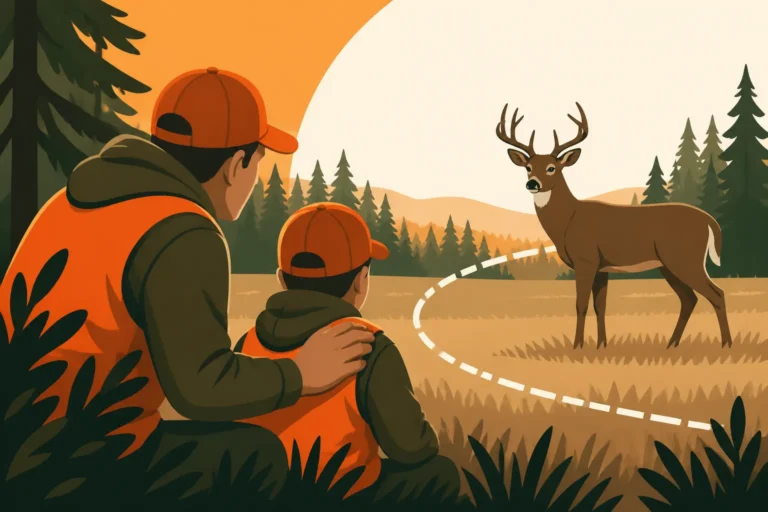
The beauty of this program lies in its ability to facilitate real-time learning in the field. An apprentice can observe their mentor's safe firearm handling, witness ethical shot placement, and learn about wildlife behavior firsthand. This direct exposure often reinforces the lessons learned in a more formal setting. For example, a young apprentice hunting with their uncle can learn How Close a Minnesota Mentor Must Stay to ensure immediate supervision and instruction, especially when traversing challenging terrain or approaching game. It truly allows for a rich, experiential learning opportunity that a classroom alone can't replicate, creating deeply ingrained safety habits from the very beginning.
Rules for Mentors and Apprentices
The success and safety of the Apprentice Hunter Validation program heavily depend on both the apprentice and, critically, the mentor adhering to strict rules. For the apprentice, the primary rule is direct and immediate supervision. This means the mentor must be within "arm's length" and able to exercise control over the apprentice at all times while they are handling a firearm or bow. The apprentice must also follow all other hunting regulations, including blaze orange requirements for firearm seasons and bag limits. This isn't a free pass; it's a supervised learning opportunity.
For the mentor, the responsibility is immense. They are not just guiding; they are directly responsible for the apprentice’s safety and legal conduct in the field. This means ensuring the apprentice understands and practices safe firearm handling, makes ethical decisions, and is aware of their surroundings. A mentor cannot supervise more than one apprentice at a time while hunting. This ratio ensures that the mentor's attention is undivided and they can provide proper instruction and oversight. GoHunt, a resource for hunters, often highlights the importance of experienced hunters stepping up to mentor, recognizing it as a vital way to pass on the hunting tradition responsibly. The program's guidelines are explicit about Minnesota Mentored Youth Hunting Rules, emphasizing that the mentor's role is not just about supervision, but active education.
Beyond the Basics: Advanced Safety and Education
While obtaining the basic Firearm Safety Certificate fulfills Minnesota's primary requirement, a truly responsible hunter understands that safety education is an ongoing journey. The outdoors is a dynamic environment, and different hunting methods or species can present unique safety challenges. Pursuing advanced training not only enhances your personal safety but also broadens your skills, making you a more effective and ethical hunter.
Bowhunter Education Requirements
For those drawn to the silent pursuit of archery hunting, Minnesota has specific regulations regarding bowhunter education. While a firearm safety certificate doesn't automatically cover bowhunting, if you were born after December 31, 1979, and plan to hunt deer or bear with a bow or crossbow in a designated archery-only area or during an archery-only season, you generally need to possess a valid bowhunter education certificate or a firearm safety certificate. Many archers choose to get both, as the bowhunter education course covers unique aspects specific to archery hunting, such as tree stand safety, shot placement on game with archery equipment, and specific recovery techniques.
These courses delve into the nuances of bowhunting that aren't typically covered in a basic firearm safety class. Topics might include proper arrow selection, broadhead tuning, effective range estimation for archery equipment, and the critical importance of practicing silently and effectively. The skills learned are vital for ensuring clean, ethical kills and minimizing the potential for wounded game. Even if not strictly required in all scenarios, completing a bowhunter education course makes you a more knowledgeable and prepared archer, especially when considering pursuits like Bowhunting Minnesota's Long Archery Season.
Advanced Safety Courses and Opportunities
Beyond the mandatory basic certifications, Minnesota hunters have a wealth of opportunities to deepen their safety knowledge and practical skills. Many local sporting clubs, conservation groups, and private instructors offer advanced courses. These might include specialized firearm handling workshops, precision shooting clinics, land navigation and survival courses, or even first-aid and trauma care tailored for wilderness environments. Taking a course on wilderness first aid, for instance, could be invaluable if you're hunting remote areas of the Superior National Forest or deep in the Boundary Waters Canoe Area.
Think about the varied terrain and conditions Minnesota offers. From the vast, rugged expanses of the northern forests to the densely populated farmland, different environments present unique risks. A course focused on Treestand Setups in Minnesota Hardwoods or utilizing Using a Ground Blind on Minnesota Public Land would be extremely beneficial for those specifically targeting deer. These advanced courses often attract experienced hunters looking to refine their techniques, stay updated on best practices, or prepare for more challenging hunts. Investing in ongoing education is a hallmark of a truly dedicated and responsible outdoors enthusiast, continually honing their skills to ensure every hunting trip is as safe as it is successful.
Practical Safety Measures Every Hunter Should Practice
Having a hunter safety card is just the beginning. The certificate is a testament to your understanding of the rules, but practical safety is about consistently applying that knowledge in every hunting situation. It’s about cultivating habits that become second nature, ensuring that safety is always at the forefront of your mind, protecting yourself, your hunting partners, and anyone else who might be in the vicinity.
Firearms Handling and Safe Zones of Fire
The absolute cornerstone of firearm safety is adhering to the fundamental rules of safe firearms handling, every single time. Treat every firearm as if it's loaded. Always point the muzzle in a safe direction, ensuring that if an accidental discharge were to occur, no one would be injured and no unintended property damage would happen. Keep your finger off the trigger until you are on target and ready to shoot. And always be sure of your target and what is beyond it. These are not just guidelines; they are commandments. In the varied terrain of Minnesota, from thick popple cuts to wide-open farm fields, defining and maintaining your "safe zone of fire" is paramount.
Imagine hunting with a partner in dense cover. If you both establish a clear understanding of each other's zone of fire before the hunt even begins, you prevent potentially catastrophic accidents. Your zone might be from 9 o'clock to 12 o'clock, while your partner's is 12 o'clock to 3 o'clock. Communication is key, especially when walking, crossing obstacles, or approaching game. When still-hunting Minnesota Big Woods, for example, it's easy to lose track of your hunting partner. Constant awareness and adherence to these principles are what keep everyone safe. GoHunt often includes articles and tips on maintaining situational awareness and safe firearm practices in varying hunting conditions.
Treestand Safety and Fall Prevention
For many Minnesota deer hunters, treestands are an indispensable tool for elevated concealment. However, they are also responsible for a significant number of hunting accidents. Falls from treestands are often severe, resulting in debilitating injuries or worse. Therefore, treestand safety is not just important; it’s absolutely critical. This starts with inspecting your stand and all its components – straps, cables, bolts – before every season and before every hunt. Wear a full-body harness, and ensure it's properly fitted and attached to the tree from the moment your feet leave the ground until you are safely back down.
When climbing, always maintain three points of contact. Use a haul line to bring your unloaded firearm or bow up to the stand after you're safely secured, and lower it before descending. Never climb with equipment in hand. Investing in quality, reputable treestand equipment and understanding its limitations is paramount. Even seemingly minor missteps can have serious consequences when you’re 15 or 20 feet up. Regular practice with your treestand setup at ground level can help identify any potential issues and build muscle memory for safe deployment, giving you peace of mind whether you're hunting in the deer-rich hardwoods or on an edge of a cornfield.
Blaze Orange and Visibility Rules
Blaze orange requirements are one of the most visible safety measures in Minnesota hunting. These bright colors are specifically designed to make hunters highly conspicuous to other hunters, significantly reducing the risk of being mistaken for game, especially during firearm seasons. In Minnesota, hunters (and those accompanying them) during firearm deer seasons, including the open antlerless seasons, are required to wear blaze orange or blaze pink. This must be worn on the visible portion of the outer clothing above the waist and must be at least 50% blaze orange/pink, or a cap of blaze orange/pink. The goal is maximum visibility from all angles.
While archers during the archery-only deer season are generally not required to wear blaze orange, it’s always a good idea to consider it, particularly if you’re hunting on public land during overlapping small game seasons, or anytime there's a chance of encountering other hunters. Hunters pursuing upland birds like pheasants or grouse, and their dogs, also have specific blaze orange requirements. Understanding Minnesota's Blaze Orange Requirements is not just about compliance; it's about proactively reducing risk. Even in thick cover, a flash of bright orange or pink can make all the difference in preventing an accidental shooting incident, allowing everyone to enjoy the hunt safely.
Common Pitfalls and How to Avoid Them
Even with the best intentions and thorough training, hunters can sometimes fall into common traps that lead to regulatory issues or, worse, unsafe situations. Being aware of these potential pitfalls is just as important as knowing the rules themselves, as it allows you to proactively safeguard your hunting experience.
Misunderstanding License vs. Certification
One of the most frequent points of confusion for new hunters in Minnesota is the distinction between a "hunting license" and a "hunter safety certification." Many mistakenly believe that once they have their hunter safety card, they're all set to hunt. This isn't the case. Your Firearm Safety Certificate (or bowhunter education certificate) is a one-time achievement that proves you've completed the required training. A hunting license, however, is an annual permit that grants you the legal privilege to hunt specific species during specific seasons, and it must be purchased every year.
Think of it this way: your driver's license proves you know how to drive, but you still need to register your car and pay for tabs annually to legally operate it on the road. Similarly, your hunter safety certification proves you know how to hunt safely, but you still need an annual license to legally go hunting. You also need to purchase the correct license for the game you intend to pursue (e.g., a deer license, a small game license, a turkey license). Failing to have both your current license and your permanent certification (or proof of it, like a photo on your phone) when in the field can result in fines and a ruined hunt. It's a key distinction that sometimes catches even experienced hunters off guard, particularly when looking at things like Minnesota Hunting Licenses and What They Cost and specific species tags.
Failing to Stay Updated on Regulations
Minnesota's hunting regulations are not static; they change annually, and sometimes even mid-season, based on wildlife population data, management goals, and legislative decisions. Relying solely on what you remember from last year's regulations or casual conversations around the deer camp is a recipe for trouble. Game seasons, bag limits, permit area designations, legal methods, and even CWD management zones can all shift. A hunter who fails to stay updated risks unintentional violations, which can range from minor citations to serious legal repercussions and loss of hunting privileges.
This is why consistently reviewing the annual Minnesota Hunting and Trapping Regulations Handbook is non-negotiable. The DNR publishes this extensive guide every year, and it's available online and at most license vendors. While it can be a lot to digest, platforms like GoHunt and the DNR's own website often provide summaries and alerts for significant changes. It’s a good practice to download the latest regulations to your phone or tablet, ensuring you have access to official information even when offline. Being a responsible hunter means staying informed, not just about safety, but about all the rules governing your pursuit. This includes understanding new rules, like Why Straight-Wall Rifles Are Now Legal Statewide, and how they might impact your hunting plans.
Disclaimer
The information provided in this guide is intended for general informational purposes only and does not constitute legal advice. While we strive to provide accurate and up-to-date content, hunting regulations in Minnesota can be complex and are subject to change by the Minnesota Department of Natural Resources (DNR). It is the responsibility of every hunter to consult the official Minnesota Hunting and Trapping Regulations Handbook and the DNR's website for the most current and specific information before participating in any hunting activity. Always confirm eligibility, season dates, permit area rules, and safety requirements directly with the DNR.