Hunting Pressure on Minnesota Public Land
There's a unique frustration that comes with hunting Minnesota's public lands, isn't there? You've scouted, planned, and woken up early, only to find another truck parked right where you intended to slip into the woods, or worse, hear the distant crack of a rifle just as legal shooting light arrives. It can feel like every good spot is already taken, and the peace you seek in the outdoors is constantly interrupted. This guide is here to help you navigate the reality of hunting pressure on public land, offering real strategies to find quieter spots and adapt your approach for more successful and enjoyable hunts in the North Star State.
Understanding the Dynamics of Public Land Hunting Pressure
The concept of "hunting pressure" isn't just about seeing another hunter; it's about the cumulative effect of human presence on both the land and the animals we pursue. When multiple hunters are in an area, even if you don't directly see them, their movements, scents, and sounds send ripples through the ecosystem, fundamentally altering how game animals behave.
Where and When Pressure Peaks
It probably won't surprise you to hear that public land pressure isn't uniform. There are definite hot spots and peak times, and understanding these patterns is the first step to avoiding them. Think about the opening weekend of firearm deer season in a popular Wildlife Management Area (WMA). The parking lots are overflowing, trucks line the county roads, and it can feel more like a convention than a quiet hunt. This isn't just because of the sheer number of people; it's also about accessibility and habit.
Areas with easy road access, established trails, or well-known honey holes tend to get hammered first and hardest. Hunters often gravitate towards what's familiar or what requires the least effort to reach. Consider the edges of popular state forests, like those within the Superior National Forest or Chippewa National Forest, especially around major holidays or school breaks. These are often the first places to experience significant pressure. Even in archery season, popular areas for Bowhunting Minnesota's Long Archery Season will see increased activity. Similarly, specific management units that offer generous antlerless tags or are known for higher deer densities, like parts of the 100 Series Firearm Deer Zone, draw crowds. The initial rush usually comes on opening day, and while it might thin out a bit during the week, it picks right back up on subsequent weekends. Many hunters also choose to focus on predictable travel corridors or bottlenecks that are easily identifiable on a map, inadvertently funneling themselves into the same few locations as everyone else.
The Impact of Hunter Density on Game Behavior
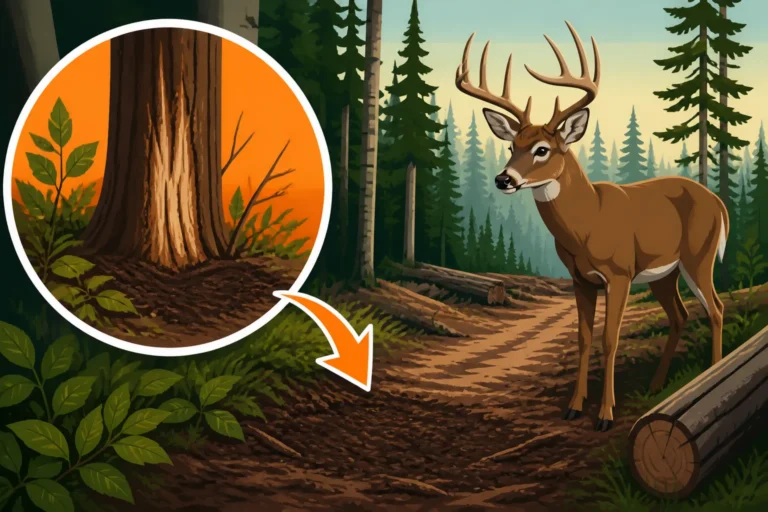
Animals aren't stupid. They learn quickly, and sustained hunting pressure teaches them to change their routines, often dramatically. Imagine a whitetail buck that's been bumped by three different hunters in as many days. That deer isn't going to casually stroll through the open woods at 9 AM anymore. Instead, deer might become almost entirely nocturnal, moving only under the cover of darkness. They'll abandon primary food sources if those areas are frequently disturbed, opting for less palatable but safer browse in thick cover. Their bedding areas will shift from comfortable, slightly more open spots to impenetrable tangles of brush, blowdowns, or dense conifer stands that hunters are less willing to push through. You might find a big buck that used to frequent a particular oak ridge now bedding deep in a cattail slough or a dense cedar swamp, only emerging after dark.
This phenomenon isn't limited to deer. Wild turkeys, for instance, can "go silent" under pressure. That loud, enthusiastic gobbler you heard a week before the opener might become a phantom, gobbling sparingly or only from the roost, and hitting the ground already on high alert. Waterfowl on heavily hunted lakes will raft up in the middle, flying only when absolutely necessary or under the cover of low light. Even small game like grouse will become incredibly wary, flushing at much greater distances or holding tighter than usual, forcing you to adjust your approach for Grouse and Woodcock Hunting in Minnesota. The key takeaway here is that game animals don't simply disappear; they adapt. Our job as hunters is to understand and predict these adaptations, then counter them with our own strategic shifts.
Strategies for Locating Less-Pressured Areas
Finding those quiet, overlooked corners of Minnesota's public lands can feel like searching for a needle in a haystack, especially when every other hunter seems to have the same mapping app open. But with a bit of dedication and a willingness to think differently, you absolutely can find ground that sees less human disturbance.
Utilizing Mapping Tools and Technology
In today's hunting world, mapping apps are indispensable, and they can be your best friend in identifying unpressured pockets. Tools like GoHunt, along with the Minnesota DNR's Recreation Compass, offer a wealth of information. Start by layering public land boundaries, topo maps, and aerial imagery. The trick isn't just to look for green areas (public land) but to analyze the terrain within those areas.
Look for features that deter other hunters: swamps, steep elevation changes, dense cedar bogs, vast expanses of uniform timber, or areas with limited parking. A quick glance at an aerial map will often show you where most hunters walk in. Identify main trails, old logging roads, and even faint deer trails that lead directly from parking areas. Then, consciously look for areas that don't have these easy access points. Perhaps there's a small finger of public land accessible only by wading a creek, or a section of state forest that requires a half-mile walk through private timber (with permission, of course) before you even hit public ground. GoHunt's ability to show property lines and landowner information can be invaluable here, helping you pinpoint those crucial access points or potential bottlenecks. You might find that a small, isolated patch of state forest land, surrounded by private property on three sides, receives far less pressure than a sprawling WMA just down the road. For deep dives into digital scouting, consider exploring Scouting With the Minnesota Recreation Compass App and onX Layers for Minnesota Land Status to really maximize your efficiency. Remember, the goal is to find ground that looks "hard" on the map, because "hard" usually means "less pressured."
Employing Physical Scouting and "Boots on the Ground" Tactics
While technology gets you started, there's absolutely no substitute for physical scouting. This is where you verify what the maps suggest and discover the nuances only visible when you're on the ground. When you're Scouting Minnesota Public Land Before Season, don't just walk the obvious trails. Push into those thick, nasty areas that looked uninviting on the map. You'd be amazed at what you find. Many hunters won't walk more than a quarter or half-mile from their vehicle, particularly in areas with good road systems. So, if you're willing to go a mile or two deeper, you'll often find yourself in untouched territory.
Look for subtle access points: an overgrown old logging spur, a seldom-used public easement, or even just a narrow strip of roadside ditch that allows you to bypass a more obvious hunter entry. When you're out there, actively look for signs of other hunters – boot prints, discarded cigarette butts, flagging tape, or old treestand straps. If you're seeing a lot of it, keep moving. Conversely, if you find strong deer sign – rubs, scrapes, fresh tracks, heavy trails – but no evidence of other human presence, you've likely found a gem. This is Finding Ground Others Walk Past, and it's the absolute best way to beat the crowds. Don't be afraid to wear out some boot leather in July and August; the payoff in November is worth every mosquito bite. This could mean finding a remote ridge system that only a determined hunter would reach, or a hidden food plot maintained by nature in a forgotten corner.
Adapting Hunting Methods to High-Pressure Environments
Once you've identified less-pressured areas, or if you find yourself in a spot with more hunters than anticipated, the next step is to adapt your actual hunting methods. The "normal" way of hunting often won't cut it when animals are on high alert.
Changing Your Approach to Still-Hunting and Stand Placement
When deer are pressured, they become incredibly sensitive to movement and scent. This means your traditional stand setup might need an overhaul, and your still-hunting technique must be even more meticulous. For treestand hunters, instead of setting up on obvious travel corridors that are likely to be scouted and hunted by others, look for secondary trails, subtle funnels deeper in the woods, or transition areas between different types of cover. Think about Treestand Setups in Minnesota Hardwoods that are a pain to get to – up a steep incline, across a wet area, or deep into a thicket. These are the spots where deer feel safe traveling during daylight hours. Consider hanging a stand in a spot that offers good cover for you, even if it means sacrificing some visibility. A little bit of natural concealment can make all the difference when deer are constantly scanning for threats.
If you prefer Still-Hunting Minnesota Big Woods, slow down even more. Focus on areas of dense cover where deer feel secure. Walk into the wind, taking one slow, deliberate step at a time, pausing for several minutes to glass and listen. Hunt at unconventional times; while many hunters are packing up for lunch, a midday still-hunt can be incredibly effective as deer are often bumped from their morning beds and moving to new sanctuary spots. Focus on small pockets of thick cover, islands of timber in swamps, or even overlooked creek bottoms that offer security. Don't be afraid to set up for an ambush in a dense thicket, knowing that a pressured deer might try to sneak through it to escape other hunters.
Considering Less Conventional Hunting Times and Seasons
The vast majority of hunters are out during peak hours and peak seasons. By shifting your focus to less conventional times, you can often find yourself with vast tracts of public land all to yourself. Weekday hunts are an obvious choice. While opening weekend of firearm season is a madhouse, a Tuesday or Wednesday in that same week can be surprisingly quiet. The same goes for the middle of archery season. Most bowhunters will focus their efforts during the morning and late afternoon hours, leaving the midday wide open.
Consider embracing the late season, especially for deer. Once the firearm seasons have wrapped up, the woods become incredibly peaceful. Deer, while wary, might start to revert to more predictable patterns as hunting pressure subsides, and they're heavily focused on food sources. For example, How Minnesota's Archery Season Runs Into Winter offers unique opportunities for solitude and success. Similarly, Late-Season Antlerless Hunting in Minnesota can provide excellent opportunities once the primary firearm pressure has died down. This often means embracing colder weather, but the reward of a quiet woods and less pressured game is often worth bundling up. You might even find success focusing on less popular game species, such as rabbits or squirrels, during the deer season, as the pressure on these animals is generally much lower.
Navigating Hunter Interaction and Ethics
It’s almost inevitable that you’ll encounter other hunters on public land, especially in Minnesota where there's a strong hunting tradition and a significant amount of Public Hunting Land in Minnesota. How you handle these interactions can significantly impact your hunting experience and contribute to the overall atmosphere on shared lands.
Managing Encounters with Other Hunters
When you run into another hunter, a friendly wave or a polite greeting goes a long way. Most hunters are out there for the same reasons you are, and a little courtesy can diffuse potential tension. If you find someone in a spot you intended to hunt, the best practice is to simply give them their space. Don't crowd them or try to "hunt around" them. There's plenty of public land, even if it doesn't always feel like it. Have a backup plan, or even a backup to your backup plan. This is where diligent scouting and knowing Reading Aerial Photos for Big Woods Deer for multiple spots truly pays off.
If you're doing a deer drive with a few buddies, make sure you're aware of other hunters in the area and communicate effectively. Consider using two-way radios, especially if you're spreading out on a Deer Drives With Three or Four Hunters. Common courtesy dictates not setting up directly on another hunter's established stand or bait site (where legal). It might feel like a "first come, first served" scenario, but respecting others' efforts and space creates a better experience for everyone. If a situation feels tense, disengage politely. No deer is worth an argument in the woods.
Practicing Responsible Public Land Use
Being a responsible public land user is paramount. This means more than just following the law; it means being a good steward of the land and a considerate member of the hunting community. Always pack out everything you pack in, and if you see a piece of trash that isn't yours, consider picking it up. Leave treestands and ground blinds according to DNR regulations – typically, they must be removed after the season, or within a specific timeframe. For specific guidelines, check out Treestand Rules on Minnesota Public Land or Where to Hang a Camera on a Logging Trail.
Respect private land boundaries. Use your GoHunt app or other mapping tools to ensure you know where you are at all times, preventing accidental trespassing. Understanding Reading Minnesota Public Land Boundary Signs is crucial. If you wound an animal and it crosses onto private land, you must gain permission from the landowner before pursuing it. This is not only legal and ethical but also helps maintain positive relationships between hunters and landowners, which is vital for future access. By setting a good example, you help maintain public access and uphold the positive image of hunting in Minnesota.
Ultimately, hunting public land in Minnesota means accepting that you'll share the resource. But by applying smart strategies to find less-pressured areas, adapting your hunting methods, and practicing good ethics, you can significantly enhance your experience and increase your chances of success. It's about being more strategic, more patient, and often, just willing to walk a little further than the next guy.
Common High-Pressure Scenarios and Low-Pressure Counter-Tactics
To help solidify these ideas, here's a quick reference table outlining common high-pressure situations you might encounter on Minnesota public land and some effective counter-tactics to help you find more solitude and success.
| High-Pressure Scenario | Common Hunting Behavior | Low-Pressure Counter-Tactics |
|---|---|---|
| Opening Weekend of Firearm Deer Season | Hunters crowd easy-access areas, morning/evening sits. | Hunt weekdays, midday, target overlooked thickets/swamps. |
| Popular WMAs/State Forests with Good Road Systems | Most hunters stay close to roads and main trails. | Walk 1+ miles into deeper, harder-to-reach areas. |
| Obvious Food Sources (e.g., oak ridges, ag fields) | High competition, deer go nocturnal or avoid during daylight. | Hunt transition zones, dense bedding cover near food sources. |
| Funnels/Bottlenecks near roads/parking | Everyone sees these, heavy stand placement. | Find subtle funnels deeper in, use mapping tools to find obscure ones. |
| Hunting during the "Peak Rut" (Early November) | Everyone is in the woods, bucks are actively cruising. | Focus on doe bedding areas, small, isolated cover, or all-day sits. |
| High visibility areas | Easy to scout, easy to hunt, often devoid of deer during the day. | Target adjacent thickets, hidden creek bottoms, north-facing slopes. |
Disclaimer
The information provided in this article is for educational and informational purposes only and does not constitute legal advice. Hunting regulations, seasons, and licensing requirements in Minnesota are subject to change. Always consult the most current Minnesota Department of Natural Resources (DNR) regulations and guidelines before planning any hunting activity. It is the responsibility of each hunter to understand and comply with all applicable laws and regulations.