Minnesota Bear Lottery and Permit Areas
There's nothing quite like the thrill of pursuing a black bear in the deep woods of Minnesota, but for many hunters, the journey often begins with a daunting lottery system that can feel more like a confusing maze than a path to adventure. This comprehensive guide is here to untangle the complexities of Minnesota's bear lottery and permit areas, offering clear insights and practical advice to help you navigate the application process and prepare for a successful hunt.
Understanding Minnesota's Bear Lottery System
Minnesota manages its black bear population through a tightly controlled lottery system, primarily in the forested northern and central parts of the state. This isn't just about limiting harvest; it's a critical tool for wildlife managers to maintain healthy bear populations, balance ecological impacts, and provide sustainable hunting opportunities. Trying to figure out where to apply and how to maximize your chances can be a real head-scratcher, especially for new bear hunters.
Why Minnesota Uses a Lottery System
The core reason for Minnesota's bear lottery system is population management. Black bears, while a thriving species in much of the state, require careful oversight to prevent overharvest in certain areas while allowing for increased harvest in others where populations might be higher or nuisance complaints are more frequent. Without a lottery, certain easily accessible or historically productive areas could be overwhelmed by hunters, leading to localized population declines and diminished hunting quality for everyone. It ensures that pressure is distributed, and bears have adequate time and space to thrive. It's a delicate balance, and the lottery is the DNR's primary instrument for maintaining it. This system also helps to ensure a quality hunting experience by keeping hunter numbers in check within specific zones, preventing overcrowded woods that can quickly educate bears and frustrate hunters.
Building and Using Preference Points
One of the most crucial elements of the Minnesota bear lottery is the preference point system. Many hunters find themselves scratching their heads, wondering how to get an edge in a system that often feels like pure luck. Each year you apply for a bear permit and are unsuccessful, you accrue one preference point. These points don't guarantee you a tag, but they significantly increase your odds in subsequent years. Think of it like this: if you have 5 preference points and someone else has 1, your name essentially gets entered into the drawing 5 more times than theirs (conceptually, it's weighted). It's designed to reward persistence and give long-time applicants a better shot. For highly sought-after permit areas, it can take several years, sometimes even a decade or more, to draw a tag. Understanding this system is key to making strategic application choices, especially if you have a specific, high-demand area in mind. Don't waste your preference points by randomly applying; have a long-term plan.
Application Deadlines and Key Dates
Missing a deadline for something as important as a bear lottery application is a gut punch, and it happens to more hunters than you might think amidst the busy spring schedule. Generally, the application period for Minnesota's bear lottery typically opens in early spring, often in April, and closes in early May. For example, the Minnesota Bear Lottery Application Deadline is usually around the first Friday in May. It's vital to mark these dates on your calendar well in advance. Keep an eye on the Minnesota DNR website for the exact dates each year, as they can shift slightly. Notification of successful applicants typically occurs in June, giving those who draw a permit ample time to plan their hunts before the season begins. A timely application is the first critical step toward filling your bear tag.
Navigating Minnesota's Bear Permit Areas
Minnesota's bear country is vast and varied, stretching across significant portions of the northern and central parts of the state. Knowing the nuances of these permit areas is essential, not just for applying but also for understanding the type of hunt you're signing up for. Each area offers a unique landscape and challenge.
An Overview of the 15 Permit Areas
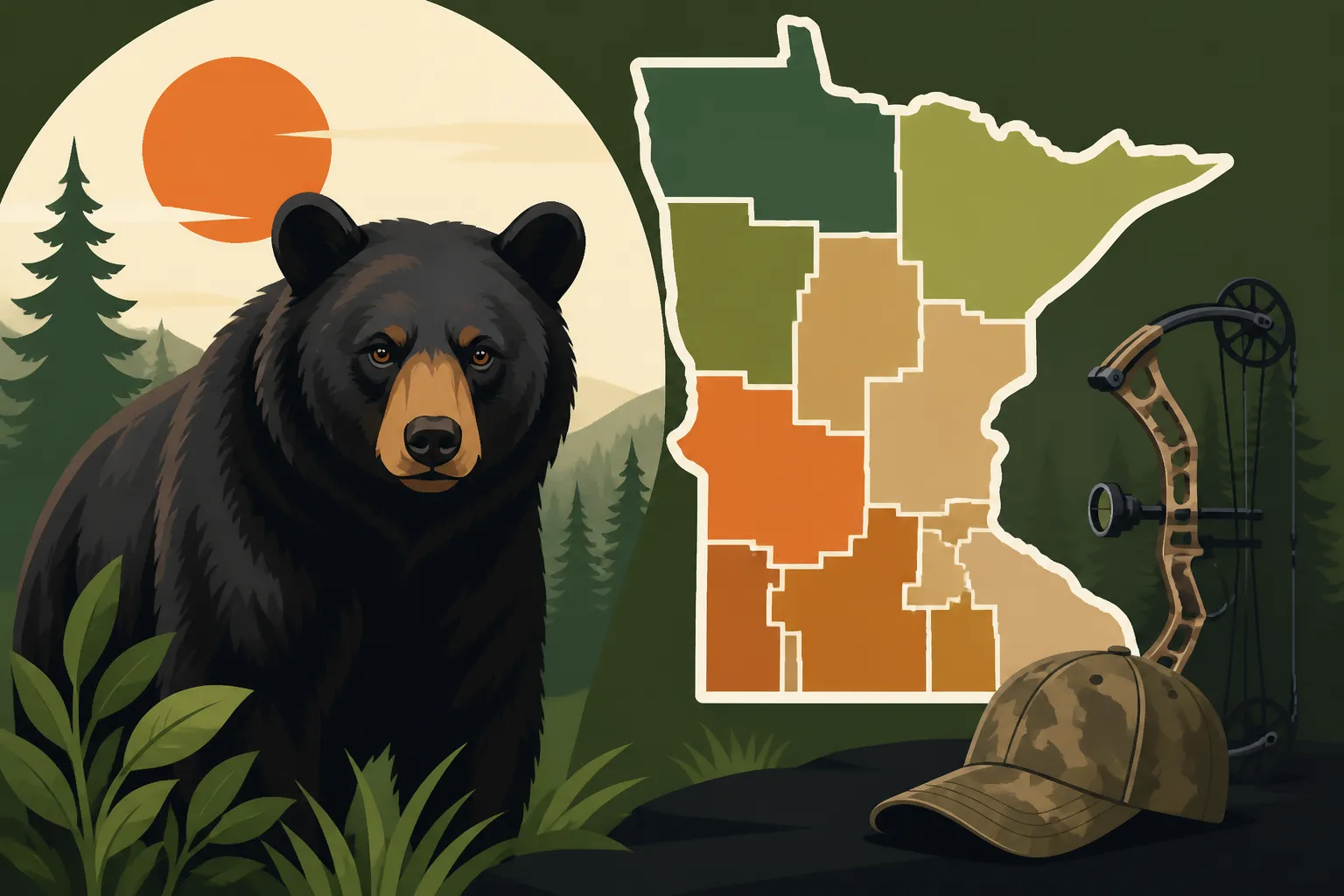
Minnesota is divided into 15 specific bear permit areas (BPAs), each with its own permit quota and characteristics. These areas are not arbitrary lines on a map; they are carefully drawn based on bear population density, habitat types, and human-bear conflict levels. From the deep wilderness of the Boundary Waters Canoe Area (BWCA) adjacent areas like BPA 24, known for its vast public lands and remote hunting opportunities, to areas bordering agricultural lands like BPAs 41 and 42 that might have fewer bears but offer different access challenges, each zone is distinct. Other areas, like BPA 13, cover parts of the Chippewa National Forest, offering a mix of forested terrain and established logging roads. You'll find areas that are predominantly public land, while others lean heavily on private land access. Understanding these differences is crucial when you're deciding where to throw your hat in the ring.
Permit Area Characteristics and Hunting Opportunities
The diversity among Minnesota's bear permit areas means that hunting opportunities and success rates can vary wildly. For instance, BPA 24 often has high permit quotas due to its large size and robust bear population, but its rugged, remote nature can make hunting logistically challenging. Hunters here might find themselves canoeing deep into the wilderness, relying on their grit and backpacking skills. Conversely, an area like BPA 25, while still heavily forested, might have more road access, making baiting efforts a bit easier for some. Some areas, particularly those bordering agricultural areas, can see bears that are more focused on calorie-rich crops, offering different patterns for baiters. The Minnesota Bear Harvest Numbers for each area can provide insights into historical success, but remember that these numbers reflect both bear density and hunter effort/tactics. When you're dreaming of your hunt, think about the landscape: are you prepared for dense timber, swampy lowlands, or rolling hills? Websites like GoHunt provide valuable tools and mapping layers that can help you visualize these areas and identify potential hunting spots long before you ever step foot in the woods. This kind of research is invaluable, especially if you're not familiar with a particular region.
Researching Your Chosen Area
Choosing a permit area blindly is a recipe for disappointment. Before you even apply, you need to put in some serious homework. The Minnesota DNR website is your primary resource, providing annual bear season forecasts, harvest reports, and detailed maps of each permit area. You'll want to dig into things like:
- Quota Numbers: How many permits are typically issued for each area?
- Success Rates: What percentage of hunters fill their tag in that area?
- Public vs. Private Land: What's the breakdown, and how will that impact your access? You'll want to cross-reference this with tools like GoHunt's land ownership maps to identify accessible hunting grounds.
- Habitat: Is it dense forest, mixed woods, swamps, or areas near agriculture? This dictates bear behavior and your hunting strategy.
- Bear Population Trends: Is the population stable, increasing, or decreasing in that area?
- Logistics: How far is it from home? What's the closest town for supplies? Are there public campgrounds or lodging options nearby?
For example, if you're targeting an area like BPA 24, you'll want to be prepared for deep woods hunting, potentially involving a canoe or significant hiking. If you're looking at BPA 45, which covers parts of Pine and Aitkin counties, you might find a mix of private land and state forest, requiring more detailed scouting for access points. Don't be afraid to reach out to local DNR offices with specific questions, or connect with other hunters who have experience in the areas you're considering. This pre-application research is just as important as the hunt itself.
Applying for Your Bear Lottery Tag
Once you've done your homework and chosen your preferred permit areas, it's time to actually submit your application. While the process itself is fairly straightforward, there are a few nuances to ensure your application is valid and gives you the best chance.
Step-by-Step Application Process
The easiest and most common way to apply for a Minnesota bear lottery tag is online through the DNR's eLicense system. You'll need to have an active Minnesota hunting license, and if you're a non-resident, be aware of the specific Minnesota nonresident bear license cost. The process typically involves:
- Logging In: Access your eLicense account. If you don't have one, you'll need to create one.
- Selecting the Bear Lottery: Find the option to apply for the bear lottery.
- Choosing Permit Areas: You'll typically be asked to select a first and second choice for permit areas. This is where your research comes into play. Make sure your choices align with your preference points and hunting goals.
- Confirming Information: Double-check all your personal details, ensuring everything is accurate.
- Payment: There's a small application fee, separate from the actual license fee you'd pay if successful. The actual Minnesota Bear License Cost is only paid if you draw a tag.
- Submission: Once confirmed and paid, submit your application. You should receive a confirmation email or receipt.
You can also apply in person at various license vendors, but the online system is generally the most convenient. Always confirm your application was successfully submitted to avoid any heartbreak later.
Selecting Your Top Choices Strategically
This is where the rubber meets the road. Simply picking the areas with the highest bear populations might seem smart, but if those areas also have the highest demand and require many preference points, you might be waiting a very long time.
- Analyze Your Preference Points: If you have zero or very few preference points, consider applying for areas with historically lower demand or higher quotas. While you might not get the "dream" area, you increase your chances of getting a tag sooner.
- Balance Desirability with Probability: If you have accumulated a good number of points, you might decide to go for that highly desired area like BPA 24. For example, if you know it takes an average of 5-7 points to draw in a specific BPA, and you have 6, your odds are looking much better.
- Consider Your Hunting Style: Are you a committed baiter, or do you prefer to Hunting Bear Without Bait or Dogs? Some areas lend themselves better to one style over another due to terrain and access.
- Factor in Travel and Logistics: Don't pick a permit area that's a 10-hour drive if you only have a long weekend to hunt. Be realistic about the time and resources you can commit.
A smart strategy often involves using your first choice for your ideal area (perhaps one that requires some points if you have them) and your second choice for a more attainable area where you still want to hunt.
Checking Lottery Results and Next Steps
The wait for lottery results can be agonizing, filled with hope and anxiety. When the results are typically released in June, you'll be notified via email or mail, and you can also check your status directly through the DNR eLicense system.
- If You Draw a Permit: Congratulations! The real planning now begins. You'll need to purchase your bear hunting license, typically available a few weeks after results are posted. Then it's time to shift your focus to scouting, securing access, and preparing your gear. Remember that the When Minnesota Bear Season Opens is usually in early September, so you'll have a couple of months to get everything in order.
- If You Don't Draw a Permit: Don't despair! This isn't the end of the road. You'll automatically accrue another preference point, increasing your odds for next year. This also means you still have the option to hunt the No-Quota Bear Zone, which doesn't require a lottery tag. It's a different kind of hunt, but still a fantastic opportunity to chase a Minnesota black bear. If you're really itching to hunt a specific area and are still unsuccessful, sometimes leftover tags become available, so keep an eye out for those opportunities in August (like Buying a Leftover Bear License in August).
Key Considerations for Bear Hunting Success
Drawing a bear permit is just the first victory; the true challenge lies in the hunt itself. Black bears are incredibly intelligent and elusive animals, requiring a combination of preparation, patience, and adaptability.
Baiting Versus Still-Hunting or Spot-and-Stalk
Minnesota offers a couple of primary methods for bear hunting, and your choice will significantly influence your strategy and required gear.
Baiting: This is arguably the most popular and often most successful method in Minnesota. It involves establishing a consistent food source to draw bears into a specific location, typically within shooting range of a stand or blind.
- Pros: Can increase success rates, allows for closer observation to identify target bears, and provides a more controlled shooting opportunity. It also allows you to pattern a bear's behavior and determine if it's a sow with cubs (which are illegal to harvest in Minnesota during the early season).
- Cons: Requires significant time commitment for baiting and scouting, can be expensive, and requires adherence to strict Minnesota Bear Bait Registration Rules. You'll need to know what to put out, and What Bear Baiters Use in Minnesota is crucial information.
- Strategy: Success hinges on consistency. Building and Freshening a Minnesota Bear Bait site regularly, keeping it clean, and ensuring fresh, attractive foods are always present is paramount. Trail cameras are invaluable for monitoring activity.
Still-Hunting or Spot-and-Stalk: For those who prefer a more traditional, active hunting style, still-hunting or spot-and-stalk can be incredibly rewarding. This aligns more closely with Hunting Bear Without Bait or Dogs.
- Pros: A more physically demanding and immersive experience, often requiring a deeper understanding of bear behavior and habitat. Less gear and logistical effort than baiting.
- Cons: Generally lower success rates, requires excellent woodsman skills, patience, and often covers a lot of ground. Identifying a legal bear (not a sow with cubs) can be more challenging.
- Strategy: Focus on areas with abundant natural food sources (berries, acorns, apples), dense cover where bears might bed, and travel corridors. Hunting near water sources in dry conditions can also be productive. Understanding Where Minnesota Black Bears Live and their preferred habitats is critical. This method often benefits from areas with good visibility or natural funnels, such as near recent timber cuts or along ridge lines.
Public Land Challenges and Opportunities
Minnesota boasts a tremendous amount of public land, from sprawling national forests like the Superior and Chippewa to numerous state forests and Wildlife Management Areas (WMAs). Hunting bears on public land, however, comes with its own set of unique challenges and incredible opportunities.
- Challenges: The biggest hurdle on public land is often hunter pressure. Popular areas can see multiple bait sites established, and increased human activity can make bears wary. Access can also be an issue; while many areas have logging roads, truly remote spots might require significant hiking or even canoeing into the wilderness. Respecting other hunters' space and existing bait sites is crucial for a positive experience for everyone.
- Opportunities: Public land offers incredible freedom and vast tracts of undisturbed habitat. In areas like the Boundary Waters-adjacent BPAs, you can find truly wild bears that have seen very little human interaction, making for an unforgettable hunt. The sheer volume of land means that if you're willing to put in the effort to get away from roads and trails, you can find unpressured pockets of bear country. Utilizing mapping tools, including those available through platforms like GoHunt, to identify remote access points and potential travel corridors on public lands can significantly improve your chances.
Equipment and Scouting Essentials
Regardless of your chosen hunting method, having the right gear and a solid scouting plan is non-negotiable for bear hunting in Minnesota.
- Mapping and Navigation: A reliable GPS unit or a smartphone app like onX Hunt (often integrated into platforms like GoHunt) is essential for navigating vast public lands, marking bait sites, and tracking bear sign. Batteries, chargers, and a compass are critical backups.
- Optics: High-quality binoculars (8x or 10x) are invaluable for scouting, identifying bears at a distance, and ensuring you're targeting a legal bear.
- Trail Cameras: For baiters, trail cameras are a game-changer. They provide critical intelligence on bear activity, allowing you to identify individual bears, determine their patterns, and monitor the bait site without constant human disturbance.
- Weaponry: Whether you choose a rifle, shotgun, muzzleloader, or archery equipment, ensure it's sighted in and you're proficient with it. Understand the minimum calibers and legal methods for Legal Firearms for Minnesota Deer Hunting (which generally apply to bear as well) and always practice ethical shot placement.
- Bear Gear: Depending on your method, this might include bait barrels and legal containers, game bags, a sturdy knife, scent control products, and appropriate cold-weather clothing (especially for late-season hunts).
- Scouting: Pre-season scouting, whether in person or remotely via maps and trail cameras, is paramount. Look for natural food sources (berry patches, oak stands, apple trees), fresh tracks, scat, rub trees, and travel corridors. This is especially important for Scouting Minnesota Public Land Before Season. The more you know about your area, the better prepared you'll be.
What to Do After Drawing a Permit
Congratulations! You've successfully navigated the lottery, and now the real work—and excitement—begins. Drawing a permit means it's time to shift from hopeful applicant to determined hunter.
Pre-Season Scouting and Planning
Once you know which permit area you'll be hunting, the clock starts ticking. Early and thorough scouting is the cornerstone of a successful bear hunt.
- Map Research: Dive deep into detailed maps, both topographical and aerial, using resources like GoHunt or the DNR's Recreation Compass. Identify potential access points, natural food sources, thick cover, and water sources. Look for areas that seem difficult to access, as these often hold less pressured bears.
- Boots on the Ground: If possible, get into your permit area well before the season. Look for fresh bear sign: tracks, scat, rub trees, and broken branches in berry patches. Identify potential bait sites if you're planning to bait, or promising still-hunting routes. Pay attention to how bears might move through the terrain, considering wind direction and escape routes.
- Permission for Private Land: If your chosen area has a significant amount of private land, now is the time to start Knocking on Doors in Minnesota Farm Country to gain access permission. A friendly, respectful approach can open up excellent hunting opportunities.
- Develop a Strategy: Based on your scouting, solidify your hunting plan. Will you focus on a few key bait sites? Will you spend your days still-hunting particular ridges or clear-cuts? Having a clear strategy, even if it needs to adapt, is crucial.
Setting Up Your Bait Site If Baiting
If you've opted for baiting, establishing and maintaining your bait site correctly is critical for success and legality. This is more than just dumping some food; it's about attracting and conditioning bears safely and effectively.
- Location, Location, Location: Choose a site that's secluded, has good cover for your stand or blind, and is accessible but not too easy to find by other people. Consider prevailing winds and escape routes for the bears. Remember, Bear Bait Barrels and Legal Containers must be used, and they need to be secured.
- Legalities: Be intimately familiar with the Minnesota Bear Bait Registration Rules. This includes baiting distances from roads and dwellings, types of bait allowed (no animal parts, some restrictions on certain foods), and the requirement to have your bait site registered and clearly marked. Breaking these rules can lead to fines and loss of hunting privileges.
- Baiting Schedule: Consistency is key. Start baiting several weeks before the season opener, if regulations allow. Visit your site every few days initially, then scale back to every 2-3 days once bears are consistently hitting it. Provide a variety of attractive foods (pastries, dog food, oats, grease, fruit, corn). Building and Freshening a Minnesota Bear Bait is an ongoing effort throughout the pre-season and early season.
- Trail Cameras: Deploy trail cameras strategically to monitor bear activity. This helps you identify individual bears (especially ensuring you don't shoot a sow with cubs), track their visiting patterns, and determine the best times to hunt.
Managing Expectations and Persistence
Bear hunting is often a game of patience and perseverance. Drawing a permit is a privilege, but it doesn't guarantee a bear.
- Bears are Wary: Black bears are incredibly intelligent and have excellent senses of smell and hearing. They quickly learn to associate human presence with danger. You'll need to be scent-conscious, quiet, and persistent.
- Weather and Food Sources: Bear activity can be heavily influenced by weather, especially temperature, and the availability of natural food sources. A bumper crop of acorns or berries can pull bears away from bait sites. Be prepared to adapt your strategy if natural food is abundant.
- Patience in the Stand: If you're baiting, expect long hours in the stand. Bears often visit bait sites during low-light conditions, at dawn or dusk, or even in the middle of the night. Be prepared for early mornings and late evenings. Don't be discouraged if you don't see a bear on every sit; keep at it.
- Ethical Shot Placement: When the moment comes, ensure you have a clear, ethical shot. Bears are tough animals. Know your vitals and aim carefully. For detailed guidance, consult resources on Shot Placement on a Minnesota Black Bear.
The No-Quota Bear Zone Explained
For hunters who didn't draw a lottery permit, or for those simply seeking a different kind of bear hunting experience, Minnesota offers a unique opportunity: the No-Quota Bear Zone. This area is a game-changer for many who don't want to rely on the lottery.
Location and Access
The No-Quota Bear Zone is located in the extreme northwestern corner of Minnesota, primarily in parts of Beltrami, Koochiching, Lake of the Woods, and Roseau counties. Unlike the permit areas, you don't need to apply for a lottery tag here; anyone with a valid bear hunting license can hunt this zone. This accessibility makes it a popular choice for new bear hunters or those who simply want to go every year.
- Geographic Features: This zone is characterized by vast tracts of public land, including state forests, peat bogs, and dense coniferous forests. It's often swampy and challenging to navigate, with fewer roads than some other permit areas. The landscape is wild and rugged, offering a truly immersive hunting experience.
- Access Challenges: While public, access can be tough. Many areas require significant foot travel, ATVs on designated trails, or even boats to reach prime hunting spots. This naturally spreads out hunters, even without a quota system.
Different Hunting Experience
Hunting the No-Quota Zone is a different ballgame compared to the lottery permit areas, and it's essential to understand these distinctions to set realistic expectations.
- Lower Bear Densities (Generally): While there are bears in the No-Quota Zone, the overall bear density is generally lower than in some of the prime lottery permit areas further south and east. This means you might not see as many bears or have as frequent activity on bait sites.
- More Wild Bears: Due to the more remote nature and lower hunter pressure, bears in the No-Quota Zone can be less educated and more predictable if you find them. However, they can also be harder to locate initially.
- Less Competition for Permits, More for Good Spots: While you don't compete for a permit, you might still find competition for prime hunting spots, especially those with easier access. Getting off the beaten path is crucial here.
Strategies for the No-Quota Zone
Success in the No-Quota Zone often requires a modified approach, emphasizing scouting, adaptability, and resilience.
- Intensive Scouting: Since bear numbers might be lower, finding fresh sign is paramount. Look for areas with natural food sources like wild rice, berries, or standing crops on agricultural edges that border the forest. Identifying travel corridors between these food sources and dense cover is key.
- Cover More Ground: Still-hunting or spot-and-stalk tactics can be very effective here, as it allows you to cover more territory and search for active sign. Be prepared to hike long distances.
- Baiting (with considerations): Baiting is still a legal and effective method in the No-Quota Zone. However, you might need to establish more bait sites or be prepared for longer waits between visits. Consider using stronger, more aromatic baits to draw bears from further away. Again, familiarizing yourself with Minnesota Bear Bait Registration Rules is essential.
- Focus on Remote Areas: The further you're willing to walk or paddle, the better your chances of finding unpressured bears. Use aerial maps from sources like GoHunt to pinpoint remote islands of cover or overlooked stretches of forest.
- Patience and Persistence: More so than in high-density areas, hunting the No-Quota Zone often boils down to sheer persistence. Don't get discouraged if you don't see immediate results. Keep scouting, keep baiting (if applicable), and keep hunting. This truly embodies the spirit of Hunting Bear Without Bait or Dogs.
Important Regulations and Ethics for Bear Hunters
Hunting black bears in Minnesota is a privilege, and with that comes a responsibility to adhere to all regulations and uphold ethical hunting practices. Ignorance of the law is never an excuse, and disrespecting the rules can lead to serious consequences and harm the reputation of all hunters.
Legal Bear Baiting Rules
If you plan to use bait, which many Minnesota bear hunters do, you must know and follow the specific rules. These aren't suggestions; they are strictly enforced.
- Registration: All bait stations must be registered with the DNR and clearly marked with the hunter's license number. This is a crucial step that many overlook. Be sure to check Minnesota Bear Bait Registration Rules for the latest details.
- Distance Requirements: Bait must be placed a minimum distance from public roads, dwellings, and other bait stations. These distances are designed to prevent conflicts and ensure fair chase.
- Permitted Bait: There are strict rules on what you can use as bait. You cannot use animal parts, whole carcasses, or anything that could attract disease vectors. Stick to approved items like pastries, oats, grain, and commercial bear baits. Resources like What Bear Baiters Use in Minnesota provide excellent guidance.
- Removal: All bait and associated equipment (barrels, stands, cameras) must be removed from the woods within a specified period after the season closes. Failing to do so can result in fines and charges for littering.
- Monitoring: While baiting, it's your responsibility to monitor your site for non-target animals (like wolves, which are protected in Minnesota) and to ensure cubs aren't present if you're hunting during the early season.
Blaze Orange and Safety Requirements
Safety is paramount when hunting any big game, and bear hunting is no exception. Minnesota has specific blaze orange requirements designed to keep hunters visible to one another.
- Required Wear: Generally, while moving or actively hunting during daylight hours in a firearms season, hunters are required to wear blaze orange or blaze pink. This typically applies to bear hunters, even if you are bowhunting during the concurrent archery season. Always check the current regulations for specific requirements, including the amount of visible blaze material.
- Treestand Safety: Many bear hunters use treestands. Always use a safety harness and lifeline when ascending, descending, and while in your stand. Falls are a leading cause of hunting injuries.
- Firearms Safety: Treat every firearm as if it's loaded, keep the muzzle pointed in a safe direction, keep your finger off the trigger until ready to shoot, and be sure of your target and what's beyond it. These are fundamental rules that apply to every hunt.
- First Aid: Always carry a basic first-aid kit, especially if you're hunting in remote areas. Let someone know where you're going and when you expect to return.
Post-Harvest Regulations and Ethical Practices
Successfully harvesting a bear is a moment of triumph, but your responsibilities don't end there.
- Registration: All harvested bears must be registered with the Minnesota DNR within a specified timeframe, usually online or by phone. This data is critical for population management. For example, understanding Minnesota Bear Registration Rules is key.
- Carcass Care: Proper care of the meat is crucial, especially in warmer early season temperatures. Field dress your bear promptly and cool the meat quickly. Learn about Handling a Bear After the Shot to preserve the hide and meat.
- Carcass Movement: Be aware of any restrictions on moving carcasses, especially if you're traveling through or from areas with Chronic Wasting Disease (CWD) concerns for deer, although this is less common for bears, it's a good general practice to be informed.
- Respect for the Animal: Always treat the harvested animal with respect. Utilize as much of the animal as possible, whether it's the meat, hide, or skull. This is a core tenet of ethical hunting.
- Know Your Target: Ensure you have positively identified your target as a legal bear (not a sow with cubs or a small cub) before taking a shot. Patience is a virtue, and avoiding mistakes is paramount.
Maximizing Your Hunt: Tactics and Timing
Beyond the regulations and the lottery, understanding bear behavior and the nuances of the season itself can dramatically improve your chances of success. Bears operate on instinct, driven by food, safety, and reproduction.
Understanding Bear Behavior
Black bears are creatures of habit, yet incredibly adaptable. Cracking their code is key to being in the right place at the right time.
- Dietary Shifts: Bears are omnivores with a highly adaptable diet. In spring, they graze on tender greens. As summer progresses, they shift to berries (raspberries, blueberries, chokecherries). In late summer and fall, they heavily target calorie-rich foods like acorns, hazelnuts, apples, and agricultural crops. Knowing what natural food sources are abundant in your permit area is vital.
- Nocturnal vs. Diurnal: While bears can be active at any time, they are often most active during dawn and dusk. In areas with high human pressure, they may become almost entirely nocturnal. Trail cameras can help you determine the specific activity patterns of bears in your hunting area.
- Cub Presence: Remember that harvesting a sow with cubs is illegal. Bears breed in late spring/early summer, and cubs stay with their mother for about 1.5 years. Always observe a bear for several minutes to ensure it's alone before taking a shot. A single cub can be hard to spot in thick cover.
- Movement Patterns: Bears often follow established travel corridors between bedding areas, food sources, and water. These can be faint game trails, logging roads, or natural funnels through dense cover. Look for these patterns while scouting. Understanding Minnesota Bear Denning Behavior can also give you clues to their seasonal movements.
The Impact of Weather and Food Sources
Weather and the availability of natural food sources are perhaps the two biggest external factors influencing bear movement and vulnerability.
- Temperature: Early season bear hunting can be warm in Minnesota, which often makes bears less active during the heat of the day. They may also bed down for longer periods. Cooler temperatures, especially as the season progresses into late September and October, can stimulate increased feeding activity as bears try to pack on fat for winter.
- Rain and Wind: Bears can be active in light rain, but heavy downpours or strong winds often send them to thick cover. However, a strong wind can be your friend when still-hunting, as it helps cover your noise and carry your scent away.
- Natural Food Abundance: This cannot be overstated. If there's an exceptional acorn crop or a bumper year for berries, bears might ignore your bait site or be harder to pattern. Conversely, a poor natural food year can make bears more reliant on bait or agricultural fields, increasing your chances. Keep an eye on local natural resource reports and talk to locals about the year's mast crop.
When to Hunt: Early Season vs. Late Season
Minnesota's bear season typically runs from early September through mid-October, offering distinct advantages and disadvantages depending on when you choose to hunt.
Early Season (September):
- Pros: Bears are still very active, especially on bait, as natural food sources might be starting to dwindle in some areas but are still abundant in others. The weather is generally milder, making for more comfortable sits.
- Cons: Warm weather can be challenging for meat care. Bears may still be very focused on berries if they are abundant. More hunter competition for prime spots. Early season means more daylight to avoid shooting a sow with cubs.
- Tactics: Focus heavily on consistent baiting. Morning and evening sits are typically most productive.
Late Season (October):
- Pros: Cooler weather is excellent for meat preservation, and bears are in a full-on feeding frenzy, trying to put on weight before denning. Many natural food sources are depleted, making bait sites or specific mast crops highly attractive. Fewer hunters might be in the woods after the initial rush.
- Cons: Bears might be more educated from early season hunting pressure. Weather can become cold and unpredictable, requiring more specialized clothing. Some bears might start denning if an early cold snap hits, although this is rare in early October.
- Tactics: Still-hunting around oak ridges, apple orchards, or standing cornfields can be very effective. Persistence on bait sites is still important, as bears need every calorie they can get. Focus on midday activity as temperatures warm up, and bears might be moving more.
Regardless of when you go, remember that bear hunting is an experience, not just about the harvest. Enjoy the solitude, the challenge, and the beauty of Minnesota's wild country.
| Permit Area (BPA) | General Location (Counties) | Primary Habitat | Typical Quota (Approx.) | Preference Points Needed (Avg.) | Key Considerations |
|---|---|---|---|---|---|
| BPA 13 | Cass, Itasca, Hubbard (Chippewa National Forest) | Mixed forest, logging roads | 100-200 | 2-4 | Good mix of public land access, some pressure. |
| BPA 24 | St. Louis, Lake, Cook (BWCA border, Superior National Forest) | Remote, rugged, dense forest, many lakes | 300-500 | 4-7+ | Wilderness experience, high bear density, tough access. |
| BPA 25 | Itasca, St. Louis (Edge of Iron Range) | Mixed forest, swamps, some road access | 150-250 | 3-5 | Moderate access, good populations. |
| BPA 41 | Becker, Mahnomen, Hubbard (Transition Zone) | Mixed forest, agricultural edges | 80-150 | 1-3 | Often lower points, mix of private/public. |
| BPA 42 | Clearwater, Beltrami, Itasca (North Central) | Dense forest, some agriculture | 100-200 | 2-4 | Good habitat, but can be remote. |
| BPA 43 | Aitkin, Carlton, Pine (Central East) | Mixed forest, bogs, logging roads | 150-250 | 3-5 | Good accessibility, popular for baiting. |
| BPA 44 | Crow Wing, Morrison, Todd (Central South) | Farmland, small woodlots, higher human density | 50-100 | 1-3 | Limited bear habitat, but can surprise. |
| No-Quota Zone | Roseau, Lake of the Woods, Beltrami, Koochiching (NW) | Peat bog, dense conifer forest, very wild | Unlimited | 0 | No lottery, challenging remote hunting. |
Note: Quotas and preference points are approximate averages and can change annually based on DNR population assessments and management goals. Always consult the current year's DNR regulations for precise numbers.
Disclaimer
Please note that hunting regulations, season dates, and permit area boundaries are subject to change. Always consult the official Minnesota Department of Natural Resources (DNR) website and current year's hunting regulations for the most accurate and up-to-date information before planning your hunt. This guide is for informational purposes only and should not be considered a substitute for official DNR publications.