Building and Freshening a Minnesota Bear Bait
You’ve spent countless hours scouting, driving miles into the woods, and hauling heavy bags of sweet, pungent treats, only to find your bear bait site barely touched, or worse, completely cleaned out by raccoons. The frustration is real when you’ve invested so much time and effort into building what you hoped would be an irresistible magnet for bruins, only to be left wondering if you’re doing something wrong. This comprehensive guide is here to walk you through the nitty-gritty of building and consistently freshening a bear bait site in Minnesota, ensuring your efforts turn into consistent bear visits and, hopefully, a successful hunt.
Laying the Groundwork: Choosing Your Minnesota Bear Bait Site Wisely
Before you even think about what delectable treats you’ll be putting out, the absolute foundation of successful bear baiting lies in selecting the right location. This isn't just about throwing bait in the woods; it’s about strategic placement that considers bear behavior, accessibility, and, critically, Minnesota's regulations. Get this wrong, and all the bait in the world won't matter.
Scouting for the Perfect Location
Bears are creatures of habit and opportunity, and their movements are often dictated by cover, food, and water. When scouting for a bait site, you're essentially trying to intercept these natural patterns. Look for areas with thick, dense cover that bears use for bedding and travel. Think alder swamps, thick popple (aspen) stands, or dense conifer pockets – places where a bear feels secure moving, even during daylight hours. A good starting point can be checking old logging trails or natural funnels that connect different habitat types, like a ridge leading down to a marsh.
Proximity to a reliable water source is another golden ticket. Bears drink a lot, especially when they're eating high-calorie, dry foods like dog food or pastries from your bait. A small creek, a bog, or a low-lying wet area nearby can make your site much more attractive. I always spend time on mapping apps like GoHunt, looking for these features—thick cover, water, and potential travel corridors. These digital scouting tools allow you to virtually explore vast tracts of public land, identifying potential pinch points or secluded pockets that might hold bears. If you can find a spot that’s a bit off the beaten path, away from common access points, you’ll likely encounter less competition from other hunters and more relaxed bears.
Legalities and Considerations for Site Setup
Minnesota has specific rules governing bear baiting, and understanding them is non-negotiable. First and foremost, you must register your bear bait station with the DNR. This isn't just a suggestion; it’s a legal requirement and helps prevent multiple hunters from inadvertently baiting the same area. You'll need to clearly mark your site with a sign containing your name and license number. Beyond registration, pay close attention to the spatial restrictions. Your bait site needs to be a certain distance from dwellings, public roads, and other registered bait stations.
It’s also crucial to remember that certain types of bait are prohibited, specifically animal parts that contain spinal cord tissue, due to concerns about Chronic Wasting Disease (CWD), even though CWD primarily affects deer. While bear baiting is distinct from deer hunting, it's always wise to be aware of CWD Management Zones in Minnesota when planning any hunting activity. Make sure your chosen location is within a legal bear permit area, and if you’re on public land, verify specific land use rules – some public lands might have additional restrictions. Doing your homework now will save you a massive headache later and ensure you’re hunting ethically and legally.
The Initial Lure: Building Your Bear Bait for Maximum Attraction
Once you’ve locked down the perfect location, it’s time to get your hands dirty and actually build your bait station. This stage is all about creating an initial draw that screams "food source!" to every bear in the vicinity. It's not just about dumping some old donuts; it's about thoughtful presentation and a powerful scent game.
Assembling Your Bait Station
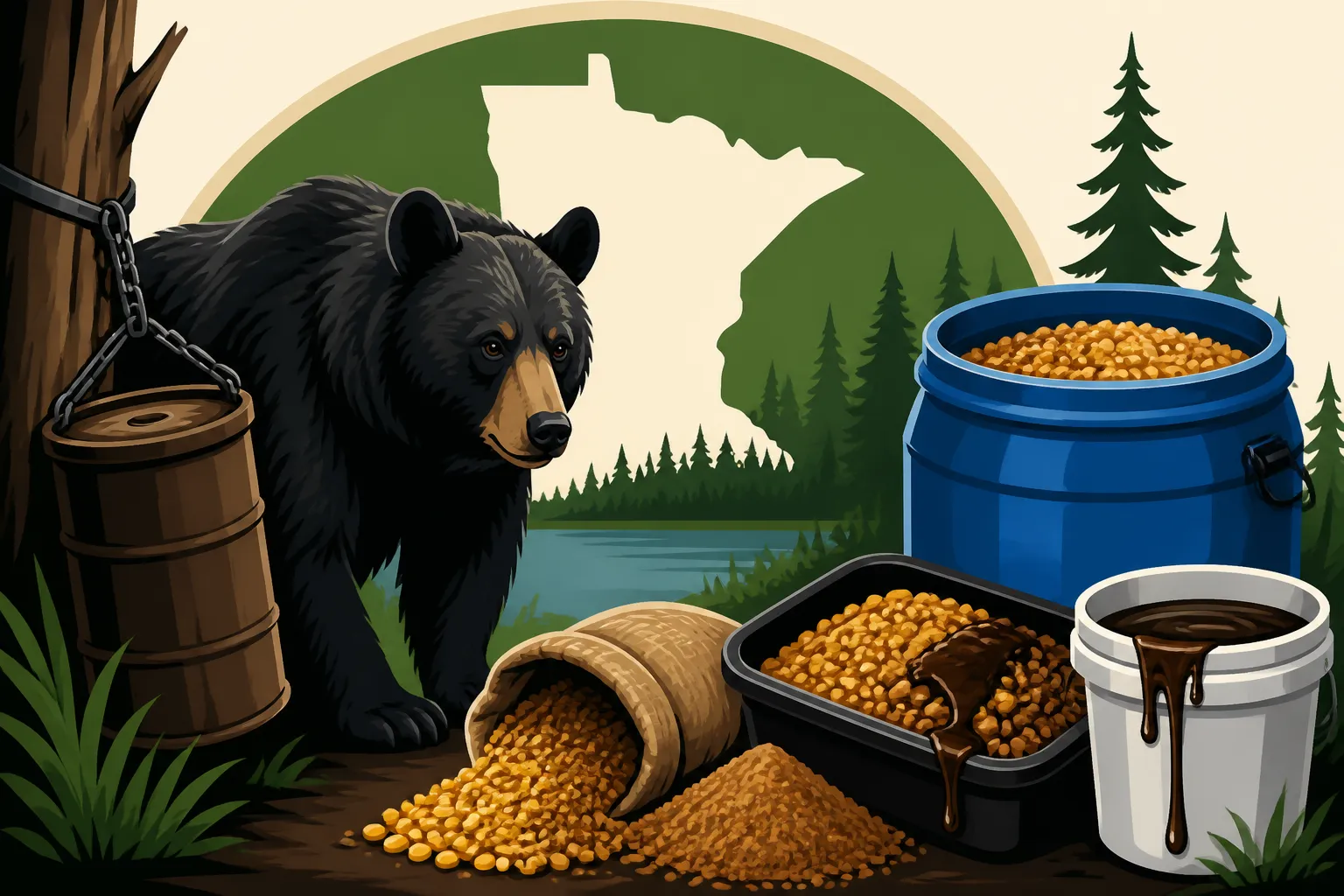
The most common and effective way to build a bear bait station is using a steel drum or a heavy-duty plastic barrel, usually between 30 to 55 gallons. The key is to make it bear-resistant enough that they can't simply tip it over and clean it out in one go. You want them to work for it a bit, keeping them engaged and coming back for more. Securely anchor your barrel to a sturdy tree using chains or heavy-duty cables. Drill a few holes in the bottom to allow water to drain, and consider cutting a smaller hole (about 8-10 inches in diameter) in the side or top to let bears access the bait without being able to completely empty the barrel quickly. This smaller opening forces them to work at it, often for hours, which reinforces the habit of visiting your site.
Beyond the barrel itself, think about the immediate surroundings. Clear out any brush directly around the barrel to give yourself shooting lanes and to allow bears comfortable access, but don't overdo it. Bears still want to feel secure. Also, consider any potential stand locations. You'll want to set up your stand or ground blind downwind of where you expect the bears to approach and feed. Remember, consistency is king, so a durable, well-built station sets the stage for weeks of successful baiting.
Crafting the Irresistible Scent Trail
This is where the magic truly begins – creating a scent trail that calls to every bear nose in the neighborhood. Bears have an incredible sense of smell, far superior to a bloodhound's, and you need to leverage that. For your initial setup, don't be shy with strong, appealing scents. Many successful baiters use a combination of sweet, oily, and even slightly burnt aromas. Think about what a bear naturally craves: high-energy, fatty, sugary foods.
A classic "calling card" often involves pouring a mixture of old fryer grease, molasses, and maybe some anise oil or a commercial bear attractant directly on the ground, trees, and even a few branches leading into your bait site. Burning marshmallows or heavily sugared cereals in a small pan can also create an incredibly potent, far-reaching scent. The smoke carries the sweet smell through the woods, acting like an airborne billboard for your bait. The goal is to create a scent cone that broadens with the wind, drawing bears from hundreds of yards away. This initial burst of scent is crucial for getting those first curious bears to discover your site.
What Bear Baiters Use in Minnesota
When it comes to the actual bait, variety and calorie content are key. Bears are opportunistic omnivores, but they have a massive sweet tooth and need to pack on calories for hibernation. The most common and effective baits in Minnesota include:
- Baked Goods: Day-old donuts, bread, pastries, and cakes are gold. They're high in sugar and fat, easy for bears to digest, and readily available from local bakeries or grocery store discards.
- Dog Food/Cat Food: High-protein, high-fat kibble is an excellent base. It's relatively inexpensive, easy to transport, and very appealing to bears.
- Candy/Sweets: Hard candies, caramels, or even jelly beans can be added. The sugar content is a powerful draw.
- Fryer Grease/Lard: A fantastic source of fat and a strong scent. Many restaurants will give away used fryer grease, but filter out food particles to prevent spoilage.
- Fruit/Molasses: Apples, berries (if you can find them in bulk), or straight molasses mixed with other baits add sweetness and a natural appeal.
Here's a quick look at some common bear bait options and their general characteristics:
| Bait Type | Scent Appeal | Calorie Density | Cost/Availability | Notes |
|---|---|---|---|---|
| Baked Goods | High | Very High | Medium/Easy | Donuts, bread, pastries. Excellent for initial attraction and bulk. |
| Dog/Cat Food | Medium | High | Low/Easy | Good base bait, lasts longer than baked goods. |
| Fryer Grease | Very High | Very High | Low/Moderate | Powerful attractant, mixes well, adds fat. Filter out food bits. |
| Candy (Bulk) | High | High | Medium/Moderate | Syrupy or hard candies. Great for adding sugar and scent. |
| Molasses/Syrup | High | High | Low/Easy | Strong, sweet liquid attractant, good for pouring. |
| Meat Scraps | Very High | High | Moderate/Limited | Use with caution: Check local regulations; often restricted due to CWD. |
The best strategy is usually a mix. A barrel with a base of dog food, topped with a layer of pastries, and a generous pour of grease and molasses on the outside creates a multi-layered attractant that keeps bears interested. For more detailed information, check out What Bear Baiters Use in Minnesota.
Keeping Them Coming Back: The Art of Freshening Your Bait Site
Building the bait is only half the battle; maintaining it is where true dedication comes into play. Bears are intelligent and adaptable, and if your bait goes cold or runs out, they’ll quickly move on to more reliable food sources. Freshening your bait isn't just about dumping more food; it's a careful dance of timing, observation, and strategic replenishment.
The Importance of Consistency
Imagine finding a five-star restaurant that suddenly closes for a week, then reopens with sporadic hours. You’d probably find a new favorite spot, right? Bears operate similarly. Once a bear discovers your bait site and determines it’s a reliable, calorie-rich food source, it will integrate it into its travel patterns. This trust is built through consistency. Regular, predictable replenishment trains bears to expect food at your site.
During the initial phase, before When Minnesota Bear Season Opens, and especially after you confirm bears are visiting, you should aim to freshen your bait every 2-3 days, or even daily if activity is high. If you let the bait run out for too long, bears will explore other options – nearby natural food sources like berries, acorns, or even other hunters' bait sites if they're close enough. This consistency not only keeps bears coming back but also helps them establish a routine around your site, which is invaluable for predicting their visits and planning your hunt. Remember, baiting is a marathon, not a sprint, requiring diligent attention throughout the weeks leading up to and during the season.
Techniques for Replenishing and Re-Scenting
When you approach your bait site to freshen it, the goal is twofold: add more desirable food and re-energize the scent. First, bring plenty of bait. You want to top off that barrel and scatter some goodies around the outside, making it obvious that fresh food has arrived. If the bait inside the barrel is getting old or moldy, try to clear it out and replace it with fresh stuff – bears prefer fresh food too.
As for scent, this is your opportunity to blast that "billboard" aroma again. Pour more fryer grease or molasses around the site, on nearby trees, and along the approach trails. Re-burning marshmallows or using a commercial scent lure can re-establish that wide-ranging attractant. Some hunters even hang scent rags soaked in anise oil or other strong attractants from branches to allow the wind to carry the smell. Always try to minimize your human scent when visiting. Wear clean clothes, spray down with a scent eliminator, and be quick and efficient. Try to avoid making a clear path directly to the barrel that a bear could follow and become wary of. It's a balance of letting them know you've been there to refresh, but not making them feel threatened.
Reading the Signs: Knowing When and How Much to Add
Knowing when and how much bait to add comes down to diligent observation. This is where Trail Cameras on a Minnesota Bait Site become your best friend. A good cellular trail camera, or even a traditional one that you check regularly, will give you invaluable insight into bear activity. You'll see how often they're visiting, which bears (sows with cubs, big boars) are hitting the bait, and how quickly they’re consuming it. This data allows you to fine-tune your freshening schedule. If a big boar is cleaning out your barrel every night, you might need to visit more frequently or add more bulk bait.
Beyond cameras, look for physical signs. Is the barrel moved? Are there fresh tracks and scat? Is the ground torn up around the barrel? These are all indicators of bear activity. Pay attention to the quantity of bait remaining. If the barrel is nearly empty, you need to add significantly more. If it’s only lightly touched, a smaller refresh might suffice. Using a mapping application like GoHunt can also help you log your baiting visits, notes on activity, and even predicted bear movement patterns, allowing you to develop a more precise and effective strategy over time. The better you understand the specific bears using your site, the more successful you'll be.
Navigating Challenges and Maximizing Your Success
Even with the best planning and consistent effort, bear baiting can present its fair share of challenges. From unwanted critters to sudden changes in bear behavior, staying adaptable and knowing how to troubleshoot is crucial for a successful season.
Dealing with Unwanted Visitors
It’s an inevitable truth of bear baiting: you're not just feeding bears. Raccoons, skunks, squirrels, and even deer will often discover your bait site. While these smaller critters usually don't consume the vast quantities a bear does, they can still deplete your bait, spread it around, and make a mess. Making your bait less accessible to these smaller animals, while still allowing bears to get to it, is a balancing act.
One common strategy is to use a barrel with a smaller opening, as discussed earlier. A smaller hole often frustrates raccoons and skunks, limiting their access, but a bear’s paw can still reach in. You can also try making the barrel difficult for raccoons to climb or perch on, though this is often a losing battle. Some hunters will put an old heavy truck tire on top of a barrel with an open lid, making it harder for small critters to move but allowing a bear to push it aside. Ultimately, some incidental feeding of small game is unavoidable, so focus your efforts on deterring the most egregious bait thieves and ensuring there's always enough left for your target species. For tips on managing overall hunting pressure and finding areas with fewer challenges, consider reading about Finding Ground Others Walk Past.
What to Do When Bears Go Cold
It's one of the most frustrating scenarios: your bait was hot, bears were hitting it regularly, and then suddenly…nothing. Your trail camera shows no activity, the bait isn't touched, and you're left scratching your head. This "cold" period can be due to several factors. First, check for an influx of natural food sources. A sudden bumper crop of acorns or blueberries nearby can temporarily divert bears from your bait. If this happens, you might need to try a different bait mixture, adding something even more appealing, like a strong molasses or an exceptionally sweet pastry.
Another reason bears might go cold is increased human disturbance, either from you or other people in the area. Try to minimize your visits and human scent. If your bait site is close to a main access point, increased traffic might make bears wary. In some cases, a particularly dominant bear might run off smaller bears, or a sow might pull her cubs away from areas with heavy boar activity. If the bait site truly goes cold for an extended period, despite your best efforts, it might be time to consider a backup plan. This could mean scouting a new location, perhaps further into Baiting Bears in Minnesota's Forest Zone, and starting a new site from scratch. Remember, adaptability is key; don't be afraid to change your strategy if the current one isn't working.
Planning for the Hunt
All this effort in building and freshening your bait culminates in the actual hunt. Your consistent baiting efforts should provide you with a wealth of information. Your trail cameras will have shown you not only which bears are visiting but also when. This pattern recognition is invaluable for timing your sit. If a large boar consistently visits between 5 PM and 8 PM, that’s your window. Use the data to pick the best days (considering wind direction) and times to be on stand.
Ensure your stand or blind is set up for a comfortable, scent-controlled sit, preferably downwind of the bait. Have your shooting lanes clear well in advance. Practice your shot and be ready for the moment of truth. When a bear comes in, take your time, confirm your target, and focus on Shot Placement on a Minnesota Black Bear. After the shot, be patient before tracking. Bears are incredibly tough animals, and giving them time can be crucial for a successful recovery. Knowing what to do once the bear is down, including proper field dressing and the steps for Handling a Bear After the Shot, will complete your hard-earned success. Remember that securing your Minnesota Bear Lottery and Permit Areas is the first step in this exciting hunting journey.
Disclaimer
The information provided in this guide is for general informational purposes only and does not constitute legal advice. Hunters are responsible for understanding and complying with all current Minnesota Department of Natural Resources (DNR) regulations, laws, and ordinances regarding bear hunting and baiting. Regulations can change annually, so always consult the most recent Minnesota Hunting and Trapping Regulations Handbook or the DNR website before engaging in any hunting activities.