Minnesota Hunting Licenses and What They Cost
Trying to figure out all the different hunting licenses, stamps, and regulations in Minnesota can feel like you need a degree in deciphering government documents. It's frustrating to wade through dense jargon just to understand what you need to legally chase deer, pheasants, or turkeys. This guide is here to untangle that web, breaking down the various Minnesota hunting licenses, their costs for both residents and non-residents, and how you can get your hands on them without a headache.
Navigating Minnesota's Hunting License Landscape
Stepping into the Minnesota woods, fields, or marshes requires more than just your trusty gear and sharp instincts; it demands proper licensure. Understanding the structure of Minnesota's hunting licenses is the first crucial step to ensure your season is filled with memorable moments, not unforeseen legal complications. It’s not just about a piece of paper; it’s about participating responsibly in a system designed to protect and enhance the very resources we cherish.
Why Licenses Matter for Conservation
At its core, the requirement for hunting licenses isn't just about controlling who hunts or how many animals are harvested. It's fundamentally about conservation. The fees collected from every license, stamp, and permit purchased by hunters in Minnesota directly fund the Department of Natural Resources (DNR) efforts. This money goes towards critical programs like habitat acquisition and improvement, wildlife research, law enforcement, and hunter education initiatives. Think about those beautiful Wildlife Management Areas (WMAs) you enjoy, or the research that helps maintain healthy deer populations and robust waterfowl migrations. Much of that is paid for by hunters' dollars.
Without these funds, the landscape for hunting in Minnesota would look drastically different, and not in a good way. It's a user-pay, public-benefit system that has been incredibly successful in North America for over a century. So, when you buy a license, you're not just buying the right to hunt; you're investing in the future of Minnesota's wildlife and wild places for generations to come. It’s a direct contribution to keeping our hunting heritage alive and thriving.
Resident vs. Non-Resident Distinction
One of the most significant factors influencing both the availability and cost of hunting licenses in Minnesota is your residency status. The distinction between a resident and a non-resident isn't arbitrary; it's designed to reflect the different levels of contribution and connection individuals have to the state's resources, as well as to manage hunting pressure. Generally, non-resident licenses come with a higher price tag and, in some cases, can have different application processes or access limitations.
To qualify as a Minnesota resident for hunting license purposes, you typically need to have maintained a legal domicile in the state for at least 60 consecutive days immediately preceding your license application. This means you need to live here, pay taxes here, and genuinely call Minnesota home. Simply owning property or visiting frequently isn't enough. For college students, active military personnel, and certain other specific situations, there can be exceptions or special considerations, so it's always best to check the most current DNR regulations if your situation is unique. Non-residents, on the other hand, are individuals who do not meet these residency criteria, and their license fees reflect the additional impact on shared resources. Many hunters, especially those who travel to multiple states, might use platforms like GoHunt to keep track of various state regulations and application deadlines, including understanding these residency rules.
Breaking Down Resident License Costs
For those of us lucky enough to call Minnesota home, the license options are extensive, covering virtually every huntable species in the state. While the costs are generally lower than for non-residents, they still add up, and understanding what you need for your chosen pursuits is key.
Deer Hunting Licenses
Deer hunting is a passion for countless Minnesotans, and the licensing structure reflects the diverse methods used to pursue whitetails. Whether you're a traditional archer, a rifle enthusiast, or prefer the challenge of muzzleloader season, there’s a specific license for you. A basic resident deer license covers either archery, firearm, or muzzleloader, typically allowing you to harvest one deer, subject to the regulations of your specific permit area. The cost for these typically hovers around $33 for an adult resident.
However, it gets a bit more nuanced. If you want to participate in multiple seasons, say both archery and firearm, you’ll need a license for each weapon type. For instance, a hunter might purchase an archery deer license to take advantage of Minnesota Archery Season Dates, and then later purchase a separate firearm deer license for the November opener. This allows flexibility for hunters who enjoy different challenges throughout the fall. Additionally, if you're hunting in a "lottery" or "managed" permit area, you might need to apply for an antlerless permit, which often has a small additional fee, to harvest a doe. These applications usually have a strict deadline, such as The Antlerless Lottery Deadline in Minnesota, usually in early September. The cost of a bonus or antlerless tag is generally around $16, allowing a hunter to harvest an additional antlerless deer if they secure the tag and are in the correct permit area.
Small Game and Upland Bird Licenses
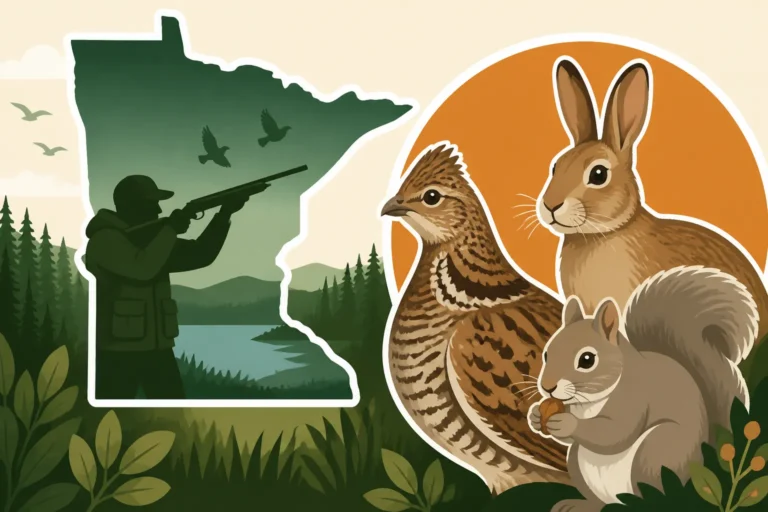
Minnesota boasts incredible opportunities for small game and upland bird hunters, from flushing pheasants in the southwest to pursuing ruffed grouse in the northern woods. The cornerstone for these pursuits is the general resident Small Game License, typically costing around $20. This license opens the door to hunting squirrels, rabbits, hares, and various migratory birds not covered by specific stamps.
However, certain popular species require additional stamps or certifications on top of the base small game license. For instance, if you plan to chase pheasants across the prairies, you'll need a Minnesota Pheasant Stamp, which is usually around $7. This stamp directly supports habitat development crucial for pheasant populations. Similarly, if you're going after ducks or geese, you’ll require both a Minnesota Migratory Bird Certification (HIP, typically free but mandatory) and a Federal Duck Stamp, which usually costs $25 and is valid across the entire U.S. This federal stamp funds wetlands conservation on a national level. Don't forget, if you're specifically targeting waterfowl, you'll also need to be aware of the Minnesota Federal Duck Stamp Requirement as it's separate from your state license. It's a layered system, but each component plays a vital role in funding the wildlife programs we all benefit from.
Turkey and Bear Licenses
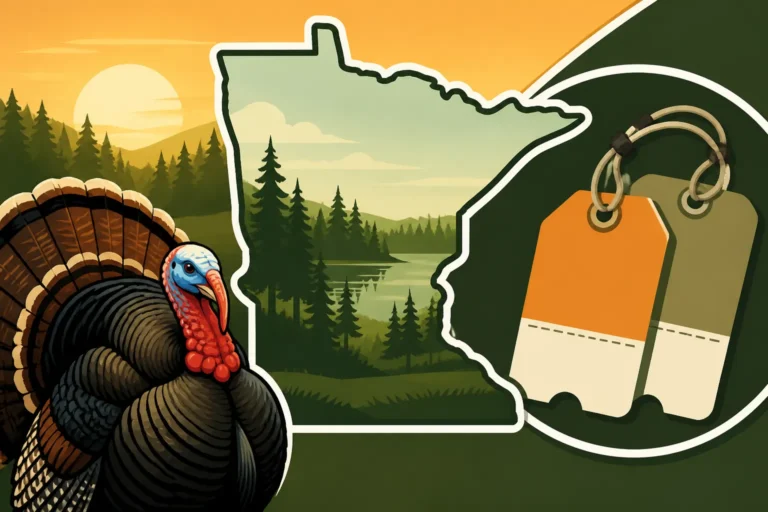
Turkey and bear hunting in Minnesota are often permit-based, relying on a lottery system to manage harvest numbers and distribute opportunities fairly. For wild turkeys, the resident license typically costs around $26. However, to actually participate in a specific spring or fall turkey season, you generally need to apply for a permit in one of the designated turkey zones and time periods. The application process usually involves a non-refundable application fee, and if drawn, you then purchase the actual license. For spring turkey, make sure you're aware of the Minnesota Spring Turkey Application Deadline, usually in early February, to get your name in the hat.
Bear hunting operates on a similar, but often more competitive, lottery system due to the limited number of tags available in specific Bear Permit Areas. A resident bear license itself usually runs about $44, but like turkeys, you must first apply for a permit to be drawn for a hunting opportunity. The bear lottery application typically has a fee, and if you are successfully drawn, you then purchase the license. The Minnesota Bear Lottery Application Deadline is typically in early May. Sometimes, leftover licenses are available in no-quota areas later in the season if not all tags are taken in the lottery, providing another avenue for hunters who missed the draw or were unsuccessful. Both turkey and bear lotteries are mechanisms to ensure sustainable populations while providing quality hunting experiences.
Trapping and Furbearer Licenses
While not strictly "hunting" in the traditional sense for all species, furbearer management and trapping fall under the umbrella of regulated wildlife pursuits and thus require specific licenses in Minnesota. Resident trapping licenses allow for the take of various furbearers like beaver, muskrat, fox, coyote, bobcat, and fisher, adhering to specific season dates and bag limits. A general resident trapping license typically costs around $26.
For certain species, like bobcat and fisher, additional permits or tags might be required beyond the basic trapping license to ensure careful management. These often involve specific reporting requirements as well. It's important to be intimately familiar with the regulations, as furbearer seasons and methods can be quite complex and highly regulated to maintain healthy populations and avoid conflicts. Keep an eye on the Minnesota Trapping Season Opening Dates which can vary significantly by species and zone. Like all hunting and trapping endeavors, these licenses contribute to conservation efforts that benefit all wildlife in the state.
Non-Resident License Costs: A Deeper Dive
For hunters traveling to Minnesota, the dream of experiencing our diverse hunting opportunities is certainly within reach, but it comes with a different set of costs and considerations. Non-resident licenses are generally more expensive, reflecting the fact that non-residents don't contribute to the state's conservation funding through local taxes in the same way residents do.
Non-Resident Deer Hunting
If you’re coming to Minnesota specifically for deer, prepare for a higher investment. A non-resident deer license, whether for archery, firearm, or muzzleloader, typically ranges from $185 to $200. This is a significant jump from resident fees, and it’s important to budget accordingly. Just like residents, if you want to hunt multiple seasons, you’ll need separate licenses for each weapon type. For example, a non-resident wanting to try both our archery and firearm seasons would need to purchase both licenses.
Access to antlerless permits in lottery or managed permit areas can also be different for non-residents. While residents can apply for antlerless tags, non-residents often face more limited opportunities or might not be eligible in all permit areas. Always check the specific DNR regulations for the permit area you intend to hunt. Information platforms like GoHunt can be particularly useful for non-residents trying to navigate these nuances across state lines, offering consolidated information and tools to compare options. Understanding these rules is critical for any non-resident hunter planning their trip, as specific permit areas can have widely varying antlerless harvest allowances and drawing odds. You can find detailed breakdowns of these costs, including the Minnesota Nonresident Deer License Cost, on the DNR website or through licensed vendors.
Non-Resident Small Game & Bird Hunting
For non-residents looking to experience Minnesota's renowned upland bird hunting or general small game opportunities, the base small game license is considerably higher than for residents, usually around $105-$110. This single license covers most small game animals, but just like for residents, specific stamps are still required for certain popular species.
If pheasants are on your radar, you'll still need to purchase the Minnesota Pheasant Stamp (around $7), which directly supports habitat. For waterfowl hunters, the situation mirrors residents: you'll need the Minnesota Migratory Bird Certification (HIP, free but mandatory) and the Federal Duck Stamp ($25). While the federal stamp remains the same price for everyone, the cumulative cost of the state small game license, plus any necessary stamps, makes non-resident bird hunting a more substantial financial commitment. Don’t forget to check the specific requirements for federal and state stamps, as they are non-negotiable for legality. Always check up-to-date information on the Minnesota Nonresident Small Game License Cost and Minnesota Nonresident Waterfowl License Cost before planning your trip.
Non-Resident Turkey and Bear
Non-resident turkey and bear hunting follow similar lottery structures as residents, but with elevated costs and potentially fewer drawing opportunities. A non-resident turkey license typically runs around $90-$100, which again is a notable increase from resident fees. The application process for the lottery remains the same, with an application fee preceding the actual license purchase if drawn.
For non-resident bear hunting, the license cost is significantly higher, often in the range of $230-$250. Given that Minnesota's bear lottery is already competitive for residents, non-residents face even stiffer odds, as a smaller proportion of tags are typically allocated to them. It's crucial for non-residents to thoroughly research the odds for their desired permit area and apply well in advance of the deadlines. While the dream of a Minnesota bear hunt is compelling, the financial commitment and competitive nature of the lottery system demand careful planning. You can check the Minnesota Nonresident Turkey License Cost to plan your budget accordingly.
Special Licenses and Discounts
Minnesota makes an effort to encourage new hunters, support conservation, and provide opportunities for various demographics through special license categories and discounts. These programs are vital for maintaining our hunting heritage and ensuring access for all.
Youth and Senior Licenses
Engaging the next generation of hunters is critical, and Minnesota offers reduced-cost licenses for youth to make it more accessible. Generally, individuals under 16 years old can purchase a junior license for deer, small game, or turkey at a significantly reduced rate, often just a few dollars. These junior licenses are a fantastic way to introduce kids to hunting without a hefty financial burden. However, youth hunters must still adhere to all other regulations, including hunter safety requirements. Many young hunters participate in programs such as the Minnesota Mentored Youth Hunting Rules, which allow them to hunt under the direct supervision of an experienced adult without needing a full license themselves at a very young age.
For our esteemed senior hunters, Minnesota also provides discounts. Residents 65 years of age and older can often purchase senior licenses at a reduced cost. For example, a senior resident deer license might be around $20, and a senior small game license even less. These discounts acknowledge the long-standing contributions of older hunters to conservation and provide continued opportunities as they enjoy their golden years in the field. To qualify, typically proof of age and residency is required.
Disability and Military Discounts
Minnesota also offers special provisions for individuals with disabilities and active-duty military personnel or veterans. Hunters with certain qualifying disabilities may be eligible for special permits or reduced-cost licenses. These are designed to ensure that physical limitations don't become insurmountable barriers to enjoying Minnesota's outdoors. This might include special deer hunts or permits for using alternative methods of take. Detailed information on Minnesota Disabled Hunter Permit Options is available through the DNR.
For those who serve or have served our country, Minnesota extends its gratitude through hunting license discounts. Active military personnel who are residents, and often non-resident military personnel stationed in Minnesota, can purchase licenses at resident rates or receive specific discounts. Additionally, some veterans may also qualify for reduced fees or special opportunities. These programs are a small token of appreciation for their service and sacrifice, ensuring they can enjoy the recreational benefits of hunting. You can learn more about these specific provisions, including Minnesota Military Hunting License Discounts, on the DNR's official website.
Lifetime License Options
For those deeply committed to Minnesota's hunting tradition and long-term conservation, the state offers lifetime license options. These licenses, while requiring a substantial upfront investment, provide the holder with the privilege to hunt a specific game category for the rest of their lives without needing to purchase annual licenses. This can be a wise financial decision for dedicated hunters, especially younger individuals, who plan to hunt in Minnesota for many years to come.
Lifetime licenses are available for various categories, including small game, deer, and even a combination of big game. For instance, a lifetime small game license might cost several hundred dollars, while a lifetime deer license could be over a thousand. The specific costs are age-dependent, with younger applicants paying more as they are expected to utilize the license for a longer period. While the initial outlay is significant, it protects against future price increases and simplifies the annual renewal process. It's an excellent way to make a one-time contribution to conservation while securing your hunting future in the state. For comprehensive details on these offerings, search for Minnesota Lifetime License Options on the DNR site.
How to Purchase Your Minnesota Hunting License
Gone are the days when buying a hunting license meant a trip to a local hardware store, though that option still exists! Minnesota has modernized its system to make acquiring licenses as convenient as possible, ensuring you can quickly get what you need and get out into the field.
Online Purchase Through eLicense
The most convenient and increasingly popular method for purchasing hunting licenses in Minnesota is through the DNR's online eLicense system. This user-friendly portal allows you to purchase most licenses, stamps, and permits from the comfort of your home, 24 hours a day, seven days a week. All you need is internet access and a credit card. You'll typically create an account or log in using existing information, select the licenses you need, complete the payment, and then print your license or save it to your mobile device.
The eLicense system is particularly useful for applying for lottery permits, such as those for antlerless deer, turkey, or bear, as it guides you through the application process and provides confirmation. It also keeps a record of all your past license purchases, making it easy to see what you bought last year or track your applications. It’s an efficient system that streamlines the administrative side of hunting, giving you more time to focus on scouting and planning. For a direct route, navigate to Buying a Minnesota License on eLicense on the official DNR website.
In-Person Vendors and Phone Options
While online purchasing is convenient, Minnesota understands that not everyone prefers or has access to online services. Therefore, traditional in-person sales remain a robust option. You can purchase licenses at hundreds of authorized vendors across the state, including bait shops, sporting goods stores, gas stations, and even some county government offices. These vendors use the same eLicense system, printing your official license on the spot. Many hunters still prefer this method as it allows for a quick chat with local experts about recent sightings or conditions.
Additionally, if you find yourself without internet access but still need a license, you can often purchase one over the phone. The DNR typically provides a dedicated phone number for license sales, allowing you to speak with a representative, provide your information and payment details, and have your license processed. This can be a lifesaver if you're already at the cabin or in a remote area and realize you forgot a crucial stamp. For the most current contact details, look for information on Buying Minnesota Licenses by Phone from the DNR.
Proof of License and Carrying Requirements
Once you've purchased your license, carrying proof of it while hunting is not just a good idea – it's a legal requirement. In Minnesota, you must be able to present your valid license and any required stamps or permits to a conservation officer upon request. For most licenses purchased online or in person, you'll receive a physical document to carry.
However, recognizing modern technology, Minnesota also allows hunters to carry proof of their license on their mobile device. This means you can save a digital copy of your license (a PDF or screenshot) on your phone, which is a convenient option for many. Just make sure your phone is charged and accessible. It's always a good practice to have both a physical copy and a digital one if possible, especially if you hunt in areas with unreliable cell service where you might not be able to retrieve it from an online portal. Always ensure the information on your license is accurate and up-to-date. Read more about the specifics of Carrying Proof of License on Your Phone.
Key Considerations and Annual Updates
The world of hunting licenses isn't static. Regulations, costs, and availability can change from year to year, which is why staying informed is crucial for every Minnesota hunter. Being proactive about understanding these nuances can save you headaches and ensure a smooth season.
Annual License Year and Renewal
Unlike some subscriptions that renew monthly or on your purchase date, Minnesota hunting licenses operate on a specific license year. Typically, the license year runs from March 1st to the end of February of the following year. This means that a license purchased in the fall for deer season will expire at the end of February, regardless of when you bought it. It's a common mistake for hunters to assume their license is valid for a full 365 days from the purchase date, but this isn't the case in Minnesota.
Therefore, you'll need to purchase new licenses annually for each new license year. This predictable cycle makes it easy to remember when to renew, usually in late winter or early spring before the turkey and spring fishing seasons begin. Keeping track of the Minnesota License Year Start Date is important for staying legal and avoiding any last-minute scrambles before opening day. The DNR publishes new regulations and license information well in advance of the new license year, so you have ample time to plan your purchases.
Application Deadlines for Lotteries
For many sought-after hunting opportunities in Minnesota, particularly for bear, spring turkey, and antlerless deer permits in lottery areas, simply purchasing a license isn't enough. You must first apply to a lottery or drawing process to be allocated a permit, and these applications come with strict deadlines. Missing a deadline means missing out on the opportunity, regardless of how prepared or eager you are.
For instance, the application deadline for the spring turkey lottery is usually in early February, while the bear lottery deadline is often in early May. Antlerless deer lottery applications typically close in early September. These deadlines are non-negotiable and are put in place to manage the drawing process and ensure fair distribution of permits. It’s highly recommended to mark these dates on your calendar, set reminders, and apply well in advance to avoid any technical glitches or last-minute rushes. Resources like GoHunt, while often focused on western draws, highlight the importance of understanding and tracking application deadlines across states, a principle that applies just as strongly in Minnesota. Always confirm the current year's dates directly with the Minnesota DNR to avoid disappointment. A common one to watch for is The Antlerless Lottery Deadline in Minnesota.
Understanding Stamps and Certifications
Beyond the basic hunting license, Minnesota hunting often requires additional stamps or certifications, each serving a specific purpose. It’s easy to overlook these, but they are just as mandatory as your base license for the species they cover. The most common ones include:
- Minnesota Pheasant Stamp: Required for hunting pheasants, this revenue directly funds pheasant habitat projects within the state. It’s an investment in the birds you’re pursuing.
- Minnesota Migratory Bird Certification (HIP): This is a free but absolutely mandatory certification for anyone hunting migratory game birds (ducks, geese, doves, woodcock, snipe, rails, coots). It involves answering a few questions about your hunting activity from the previous year, which helps the U.S. Fish and Wildlife Service gather harvest data for population management.
- Federal Duck Stamp: This is a federal requirement for hunting waterfowl anywhere in the United States. The funds generated are used to conserve wetland habitats crucial for migratory birds across the continent. It’s often purchased at a post office or through licensed vendors and must be signed across the face. For specific details, you can refer to Minnesota Federal Duck Stamp Requirement.
Failing to possess the correct stamps and certifications, even if you have your primary license, can result in fines and legal trouble. Always double-check what's required for the specific species you intend to hunt before heading afield.
Minnesota Hunting License and Stamp Costs (Resident & Non-Resident)
To help you get a quick overview, here's a table summarizing some of the common hunting licenses and stamps in Minnesota, along with their approximate resident and non-resident costs. Keep in mind that prices can change annually, and some licenses may have additional application fees or special requirements.
| License/Stamp Category | Resident Cost (Approx.) | Non-Resident Cost (Approx.) | Notes |
|---|---|---|---|
| Deer Licenses | |||
| Archery Deer | $33 | $190 | Separate license for each weapon type. |
| Firearm Deer | $33 | $190 | |
| Muzzleloader Deer | $33 | $190 | |
| Antlerless Deer Permit | $16 | Varies / Limited | Lottery or bonus permit, additional to base license. |
| Small Game & Birds | |||
| Small Game | $20 | $105 | Covers general small game, base for upland birds. |
| Pheasant Stamp | $7 | $7 | Required for pheasants, supports habitat. |
| Migratory Bird Cert. (HIP) | Free | Free | Mandatory for migratory birds. |
| Federal Duck Stamp | $25 | $25 | Required for waterfowl, supports national wetlands. |
| Big Game (Special Draw) | |||
| Turkey (Spring/Fall) | $26 | $95 | Lottery application fee typically required first. |
| Bear | $44 | $230 | Lottery application fee typically required first. |
| Other | |||
| Trapping | $26 | Varies significantly | Check specific furbearer regulations. |
| Youth Deer (Under 16) | $5 | $5 | Age-restricted, significantly reduced cost. |
| Senior Deer (65+) | $19 | N/A | Resident-only discount. |
| Lifetime Licenses (Approx. for adult) | One-time purchase for lifelong hunting privilege. | ||
| Lifetime Small Game | $340 | N/A | |
| Lifetime Sports (Deer, Small Game) | $610 | N/A |
Note: All costs are approximate and subject to change by the Minnesota DNR. Always check the official DNR website for the most current and accurate information before purchasing.
Disclaimer
The information provided in this guide is for general informational purposes only and does not constitute legal advice. While we strive to provide accurate and up-to-date information, hunting regulations and license costs in Minnesota are subject to change by the Department of Natural Resources (DNR). It is the responsibility of each individual hunter to review and understand all current Minnesota hunting regulations, license requirements, and season dates before participating in any hunting activity. Always consult the official Minnesota DNR website or their annual hunting regulations booklet for the most precise and legally binding information.