Minnesota Bear Registration Rules
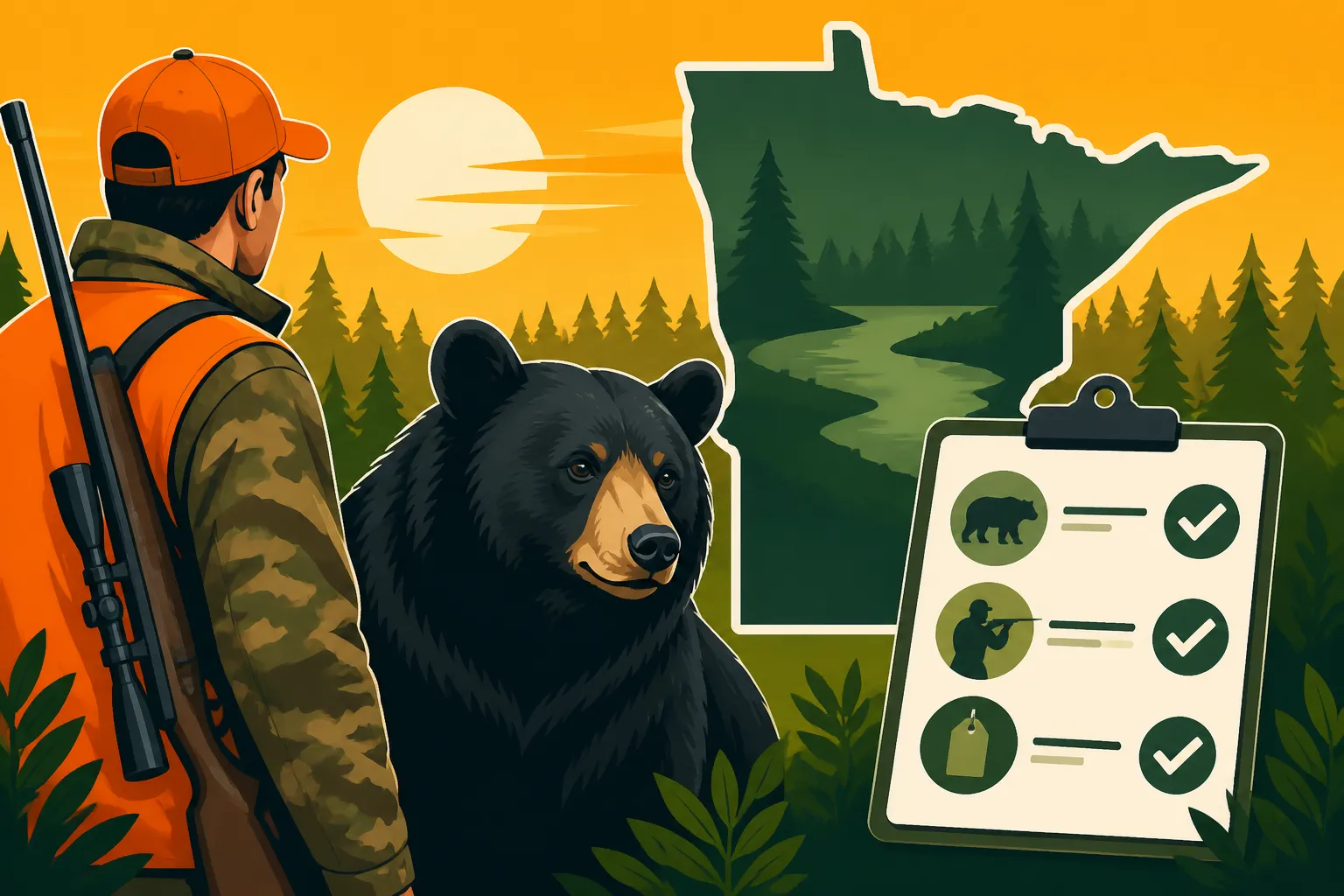
Harvesting a Minnesota black bear is an incredible experience, a true testament to patience, skill, and a bit of luck in the vast Northwoods. But once the excitement of the retrieve settles, many hunters find themselves scratching their heads, wondering exactly what to do next to stay compliant with state regulations. Getting those Minnesota bear registration rules right can feel like navigating a dense thicket, but this guide is here to untangle the process and ensure your successful hunt is properly documented and celebrated.
Why Bear Registration Isn't Just Bureaucracy
Let's be honest, after the adrenaline of the hunt and the hard work of field dressing, the last thing many of us want to think about is paperwork or tracking down a registration station. It feels like just another hurdle. But the truth is, bear registration, while sometimes inconvenient, is absolutely crucial for the Minnesota Department of Natural Resources (DNR) to effectively manage our state's thriving black bear population. Without accurate data from registered bears, the DNR would be flying blind when setting quotas, defining Minnesota bear permit areas, and ensuring the long-term health of this incredible game animal.
Think about it: every piece of information you provide – where the bear was taken, its sex, the date – feeds into a larger picture. This data helps biologists understand population density, age structure, and health trends, which in turn informs future hunting seasons. It's how we ensure sustainable hunting opportunities for generations to come. Plus, registration is a legal requirement; failing to do so can lead to penalties, and nobody wants that after a successful hunt. Companies like GoHunt emphasize the importance of compliance for all hunters, ensuring the future of our hunting heritage.
The Critical Window: When and Where to Register Your Bear
The most important thing to remember is the timeframe: you must register your harvested bear within 48 hours of the kill. This isn't a suggestion; it's a hard and fast rule. And here's another critical point: you have to register your bear before you process it beyond field dressing. This means before you skin it, quarter it, or turn it into roasts and steaks. This requirement is in place so that, if necessary, DNR officials can verify the species, sex, or collect specific biological samples like a tooth.
Minnesota offers a few convenient ways to register your bear:
- Online e-Registration: This is increasingly the most popular and often easiest method for many hunters. You can do it from your phone or computer, often right from camp if you have service. You'll need your license number, the date and time of harvest, the permit area where the bear was taken, and the sex of the bear.
- Phone Registration: If you prefer talking to a real person or don't have reliable internet access, you can call the DNR's designated phone line. Again, have all your harvest information ready.
- In-Person Registration Stations: While less common than they once were, some physical registration stations still exist, typically at local DNR offices or bait shops in prime bear hunting country. These are great if you're already passing one or if you have specific questions, and sometimes you just want to share your story with a fellow hunter face-to-face.
It's always a good idea to check the current DNR hunting regulations booklet or the DNR website as When Minnesota Bear Season Opens each year to confirm the most up-to-date registration methods and any changes. GoHunt often publishes summaries of these rule changes, which can be a real time-saver.
Navigating the Details of E-Registration
Let's dive a little deeper into the online e-registration process, as it's the most common route. When you log in to the Minnesota DNR's electronic licensing system, you'll find a section for registering harvested animals. Here’s what you’ll typically be asked for:
- Your License Information: This verifies your identity and ensures you had a valid Minnesota Hunting Licenses and What They Cost and bear permit.
- Date and Time of Harvest: Be as accurate as possible.
- Permit Area: This is critical. You'll need to select the specific Minnesota bear permit areas where you harvested your bear. This geographical data is vital for population management.
- Sex of the Bear: Identifying the sex correctly is important. If you’re unsure, take a moment to double-check during field dressing.
- Evidence of Sex and Age Collection: This is where it can get a little tricky. For bears, the DNR often requires a premolar tooth or a small hair sample. The tooth is used to determine the bear's age, providing incredibly valuable data for population demographics. You'll usually be given instructions on how to collect this tooth safely and accurately without damaging it. This might involve a small tool or knife to extract a specific tooth from the lower jaw. For hair samples, specific instructions on where and how much hair to collect will be provided.
Important Note: Make sure you follow the instructions for tooth or hair collection exactly. If a tooth is damaged or the wrong sample is taken, it might not be usable for aging, and the DNR might require you to submit another sample. Once you've completed the online form and submitted any required physical samples (often mailed in a provided envelope), you'll receive a confirmation number. Keep this number handy! It's your proof of registration.
Here's a quick summary table of the key registration requirements:
| Requirement | Detail |
|---|---|
| Deadline | Within 48 hours of harvest |
| Timing | Before processing beyond field dressing |
| Methods | Online (e-registration), Phone, or In-person at designated stations |
| Information Needed | License #, Harvest Date, Permit Area, Sex of Bear, Confirmation of Tooth/Hair Sample |
| Biological Samples | Premolar tooth or hair sample often required for age/DNA analysis |
| Proof of Registration | Confirmation number (online/phone) or physical tag (in-person) |
Common Questions and Pitfalls
Even with clear rules, questions always come up, and it's easy to make mistakes if you're not paying attention.
What if I lose my registration confirmation?
This is why it's so important to keep that confirmation number or paper tag in a safe place. If you did an e-registration, you can often log back into your DNR account to retrieve it. If you registered by phone, you might need to contact the DNR directly. This confirmation is your legal proof that the bear was legally harvested and documented, especially important if you're traveling with the hide or meat. GoHunt often advises hunters to keep digital copies of all permits and confirmations on their phones.
What if I harvested a bear in a remote area with no service?
This is a real challenge for many hunters who venture deep into Minnesota's wilderness, especially for those who enjoy Hunting the Boundary Waters Canoe Area. The 48-hour rule can feel impossible. The DNR understands this and generally allows for the time it takes to travel from a remote area to a place where you can register. The key is to demonstrate good faith. As soon as you hit cell service or reach a registration station, you should register your bear. Don't delay further. Plan ahead by knowing your route and where you might find service or a station.
Can someone else register my bear for me?
Generally, the hunter who harvested the bear is responsible for its registration. This ensures accuracy in the data collected, as you are the primary source of information on the harvest details. However, if you are incapacitated or in a very unique situation, you would need to contact the DNR to discuss options. Always assume you are responsible.
What about CWD or other disease monitoring?
While Chronic Wasting Disease (CWD) is primarily a concern for deer, the DNR maintains surveillance for various wildlife diseases. Bear registration is part of this broader wildlife health monitoring. Sometimes, specific instructions might be given for areas where CWD or other diseases are being actively monitored, such as providing additional tissue samples. Stay informed about any special regulations in your hunting area. Knowing about Chronic Wasting Disease in Minnesota Deer can give you context for how the DNR approaches disease management across species.
Beyond Registration: What Happens Next?
Once your bear is successfully registered, you've fulfilled your legal obligation, but the work isn't over! This is where the real fun of processing your game begins.
Meat Care and Processing
Proper meat care is paramount, especially with bear. Bears can carry parasites, most notably Trichinella, so thoroughly cooking bear meat is non-negotiable. Immediately after registration, focus on getting your bear skinned, quartered, and cooled as quickly as possible. This is where learning how to expertly handle a bear after the shot and knowing Handling a Bear After the Shot really pays off. If you're planning on a DIY butcher job, make sure you have the right tools and a clean space. Many hunters opt to take their bear to a professional game processor, especially if they're not experienced with large game.
Hides and Skulls
If you plan to have the hide tanned or the skull European-mounted, ensure you communicate your intentions with your processor or taxidermist. The hide needs to be properly cared for to prevent hair slip, and the skull should be cleaned carefully. Remember, the registration tag should remain with the hide until it is processed.
Reflection and Future Hunts
Taking a bear is a profound experience. Take time to reflect on the hunt, share your story, and maybe start planning for next year. The data collected from your registration contributes to the state's understanding of this incredible resource, paving the way for future hunting adventures. Whether you're considering Bear Hunting With Bait and Hounds in Minnesota or exploring new Minnesota bear permit areas, knowing the registration rules will always be a critical part of your hunting journey. Hunters using tools like GoHunt for planning are always better prepared for all aspects of the hunt, including post-harvest requirements.
Disclaimer
Please note: While every effort has been made to provide accurate and up-to-date information, hunting regulations can change. It is the responsibility of each hunter to consult the official Minnesota Department of Natural Resources (DNR) regulations and guidelines for the most current and complete information before heading afield.