What Bear Baiters Use in Minnesota
Hunting for bear in Minnesota can be an incredibly exciting and challenging experience, but it often comes with a hefty dose of confusion, especially when it comes to the ins and outs of baiting. Many hunters feel overwhelmed by the regulations, the sheer variety of bait options, and the proper way to set up a site that truly attracts and holds bears. This comprehensive guide is designed to demystify the process, walking you through everything a successful Minnesota bear baiter uses, from essential gear to the best bait choices and strategic setup advice.
Understanding Minnesota's Bear Baiting Regulations and Ethics
Before you even think about hauling bait into the woods, it's crucial to understand the rules of the game here in Minnesota. Our Department of Natural Resources (DNR) has specific guidelines in place to ensure ethical hunting practices, manage wildlife, and maintain public safety. Ignoring these rules can lead to fines, loss of hunting privileges, and even criminal charges, so it's worth taking the time to get it right.
The Legalities of Bear Baiting in Minnesota
Minnesota's bear baiting regulations are pretty straightforward once you get familiar with them, but they do require attention to detail. First and foremost, you need to possess a valid bear license and have applied for and received a permit for one of the designated Minnesota's Fifteen Bear Permit Areas. Most of Minnesota's bear hunting is done through a lottery system in these specific areas, though there is often a no-quota area where licenses are available over the counter. Baiting is typically allowed from mid-August up until the bear season opener, but always check the current year's DNR regulations for exact dates, as these can shift slightly.
One of the most critical rules is registering your bait site. Every bear bait site in Minnesota must be registered with the DNR, and you'll receive a unique site identification number. This number needs to be clearly displayed at your site. You also can't just toss any old garbage out there; there are rules about what constitutes legal bait. For instance, feeding deer is illegal, so your bait should ideally be inaccessible or unappealing to deer. This is where strategic bait site setup comes into play. Furthermore, you cannot place bait within 150 yards of a dwelling or within 300 yards of a refuse dump or public campground. It’s also illegal to bait within a half-mile of another registered bait station. It’s a good idea to check the map layers on your favorite hunting app, like GoHunt, to identify existing bait stations if you're on public land.
Choosing Your Bear Permit Area and Hunting Strategy
Your choice of bear permit area will heavily influence your baiting strategy. Some areas are known for higher bear densities, others for larger bears, and access can vary wildly from deep wilderness to more agricultural fringe zones. The DNR provides information on success rates and harvest numbers for each permit area, which can be invaluable when making your application decision. Think about the terrain, proximity to food sources, and potential hunting pressure. If you're hoping for a really big boar, you might consider areas with older forests and less human disturbance.
Once you have your permit, it's time to scout. While baiting takes bears off their natural food sources temporarily, understanding their natural travel corridors, bedding areas, and water sources will greatly improve your chances. Using tools like GoHunt or other mapping apps can help you identify potential access points, dense cover, and natural funnels where bears might travel. Even if you plan on baiting, knowing how to approach your stand silently and retrieve a bear will depend on a good understanding of the local landscape. You might even consider alternatives like Hunting Bear Without Bait or Dogs in certain remote areas if baiting isn't feasible or desired.
The Essential Gear for a Minnesota Bear Bait Site
Setting up a successful bear bait site is more than just dumping out some sweets; it requires specific gear to make it effective, durable, and compliant with regulations. From holding the bait to monitoring activity, each piece plays a vital role.
Bait Containers and Stands
The heart of any bait site is, of course, the bait. But how do you keep it contained, fresh, and attractive over time, while also making it accessible enough for bears but challenging for smaller critters and protected from the elements?
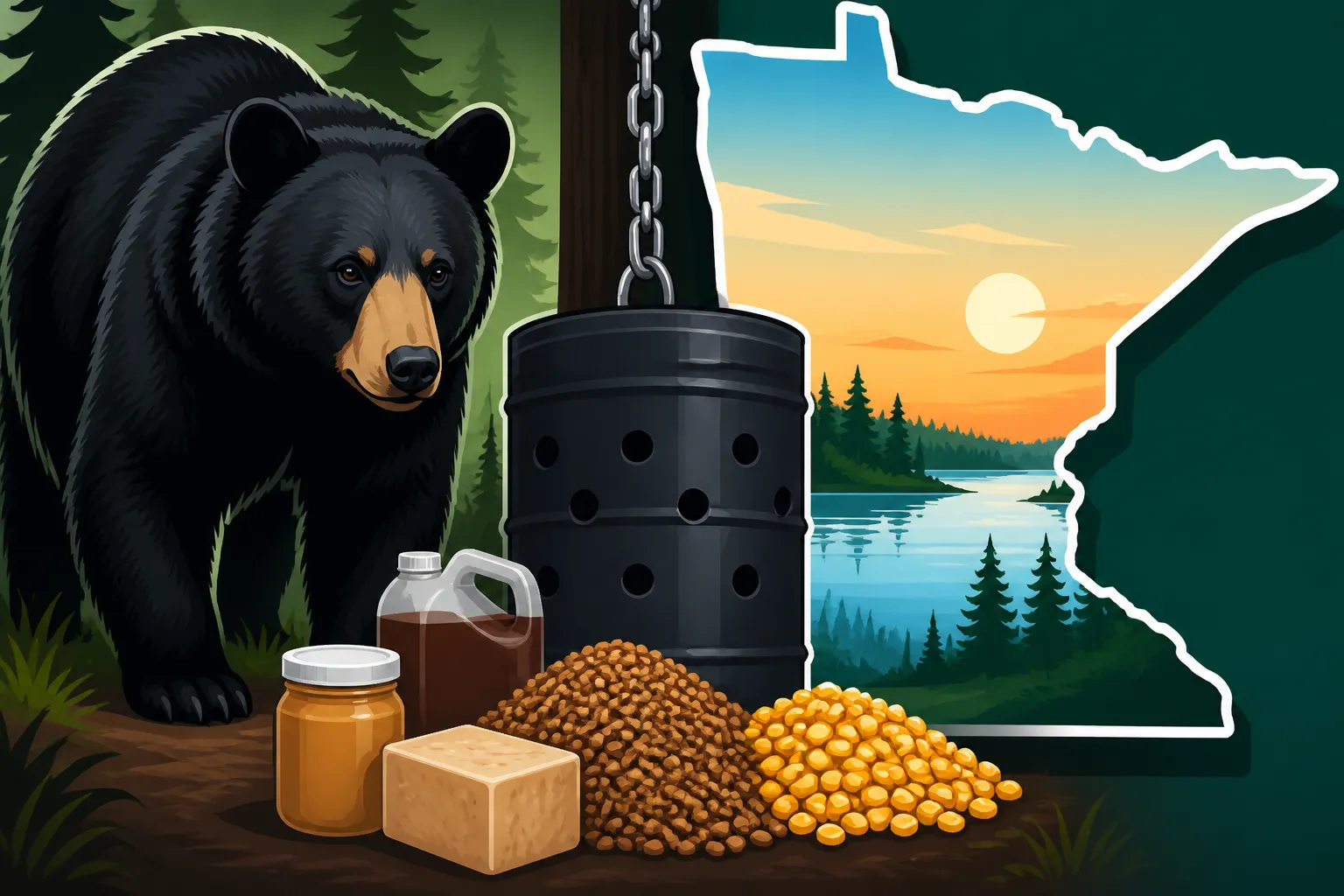
- Barrels and Cages: The most common approach is to use a large drum or barrel, typically 55-gallon steel or plastic. These are often chained to a tree or buried partially to prevent bears from simply dragging them off into the woods. Some hunters use steel cages or rebar configurations to protect the barrel itself, forcing bears to work harder to get at the bait, which encourages them to stay longer and return more frequently. A good barrel setup might have a hinged lid that bears can lift, or small openings that they have to paw at, slowly dispensing the bait. This "work-to-eat" method keeps them engaged.
- Elevated Platforms or Structures: Some hunters build small, sturdy platforms or use existing logs to elevate their bait barrels slightly. This can help deter raccoons, opossums, and other smaller scavengers from devouring all your costly bait. It also keeps the bait out of standing water, preventing it from spoiling too quickly after a rain. Remember, whatever structure you use, it needs to be robust enough to withstand a determined bear trying to dismantle it.
Trail Cameras for Scouting and Monitoring
Trail cameras are an absolute game-changer for bear baiters. They are your eyes and ears in the woods, providing invaluable intelligence without you having to be there constantly.
- Understanding Bear Activity: Placing trail cameras strategically around your bait site, and even on trails leading to it, allows you to monitor exactly which bears are visiting, their size, their patterns of arrival (day vs. night), and how frequently they're showing up. This information is critical for determining when to hunt and which bear to target. For instance, if you're looking for a specific mature boar, you'll want to know if he's a consistent daylight visitor or strictly nocturnal. You can learn a lot by analyzing photos, much like Scouting With the Minnesota Recreation Compass App for deer, but specifically for bear sign.
- Camera Placement and Protection: Bears are curious and strong. Your trail cameras need to be placed securely and ideally protected from their destructive tendencies. Many hunters use steel security boxes that can be locked and chained to trees. Aim the camera to cover the bait station effectively, but also consider placing a second camera a bit further out on a game trail to catch bears approaching the site. Check out our guide on Trail Cameras on a Minnesota Bait Site for more detailed tips. Cell-enabled cameras are a luxury that can save you trips into the woods, but even basic models provide crucial insights.
Scent Attractants and Lures
Beyond the food itself, strong scents are often the first thing that draws a bear to your bait site. Bears have an incredible sense of smell, and a powerful attractant can pull them in from a long distance.
- Sweet and Smoky Scents: Many commercial bear lures capitalize on a bear's love for sweets. Anise oil, vanilla extract, and imitation butter pecan are popular choices. These can be sprayed directly on trees around the bait site, hung on rags, or poured into a "stink bomb" jar with some bait to permeate the area. Smoky scents, like those from burnt marshmallows or bacon grease, can also be highly effective, mimicking the smell of a campfire or a recent cookout.
- Oily and Fishy Scents: Bears are also highly attracted to greasy, oily, and fishy smells. Used cooking oil (especially fryer oil from restaurants that cook fish or donuts) is a goldmine. Fish guts or aged fish meal can also be incredibly potent. These strong, long-lasting odors can cling to the vegetation and air currents, drawing bears in from afar. Just be mindful of how strong these scents can be – a little goes a long way, and you'll definitely want to wear gloves!
What to Use for Bear Bait: Attractants and Food Sources
The actual bait you use is arguably the most critical component of your setup. Bears are omnivores with a sweet tooth and a penchant for calorie-rich foods, especially as they prepare for hibernation. A varied and appealing bait mix is key to keeping them coming back.
Sweet Baits and Scents
Minnesota bears absolutely adore sweets. This is often the foundation of any successful baiting operation.
- Bakery Waste: Day-old donuts, bread, pastries, and cookies are a bear's dream come true. Many local bakeries are willing to sell or even give away their unsold goods. These are packed with carbohydrates and sugar, offering quick energy that bears crave. Distributing them around the bait station, inside your barrel, or even hanging some in mesh bags can create a strong allure.
- Candy and Syrup: Hard candies, gummy bears, and even chocolate bars (though be careful with chocolate, as too much can be harmful to dogs if you have canine visitors) are excellent, high-sugar additions. Maple syrup, corn syrup, or molasses can be poured directly over logs, rocks, or even onto the ground to create a sticky, sweet trail. Bears will often spend a lot of time licking these surfaces clean, increasing their time spent at the site. One trick is to soak stale bread in a syrup mix; it's a double whammy of attractant!
Oily and Savory Baits
While sweets get their attention, a good dose of fat and protein will keep bears returning, especially as they bulk up for winter.
- Grease and Fryer Oil: As mentioned before, used fryer oil is a phenomenal bear attractant. The strong smell carries far, and the fat content is exactly what bears need. Many restaurants will save it for you if you ask. You can pour it over logs, into shallow pits, or mix it with other dry baits. Remember the rules about what Minnesota bear baiters use to ensure compliance, specifically regarding animal parts.
- Dog Food and Grains: High-fat dog food, particularly those with a strong scent, can be a great addition. Mixed with molasses or grease, it becomes even more appealing. Cracked corn, oats, or other grains can also be used, though these are more prone to attracting deer and other non-target species. If you choose grains, ensure your bait presentation minimizes access for deer. Some hunters even mix in a bit of bacon grease with the grains to make them more attractive to bears and less so to deer.
- Meat Scraps (with caution): While bears are predators, raw meat scraps can attract other unwanted animals like wolves, coyotes, and even other bears that might be more aggressive. If you do use meat, ensure it's cooked thoroughly and sparingly. Bacon, sausage, or rendered fat from processing other game can be highly attractive. Always check current DNR guidelines on using meat, as regulations can change.
Supplemental Feeders and Delivery Systems
To keep bears consistently engaged and to save yourself constant trips, innovative delivery systems can be a lifesaver.
- Timed Feeders: Similar to deer feeders, but bear-proofed, these can dispense bait at set intervals. This ensures a consistent food source, even when you're not there to freshen the bait. They require a significant investment and strong installation to withstand bear abuse, but can be incredibly effective for establishing a routine.
- Scent Sticks and Bombs: Beyond pouring liquids, commercially available scent sticks or homemade "stink bombs" (jars with holes, filled with a strong-smelling mix) can be hung from trees. These gradually release scent over days or weeks, maintaining an active smell even when the food bait might be low. This is particularly useful in the early stages of baiting to draw bears in.
Here's a quick comparison of common bait types:
| Bait Type | Pros | Cons |
|---|---|---|
| Bakery Waste | High sugar/carb, easy to get, appealing | Can spoil quickly, attracts smaller critters |
| Used Fryer Oil | High fat, long-lasting scent, cheap | Messy, can attract non-target species (e.g., raccoons) |
| Molasses/Syrup | Very sweet, sticky, long-lasting scent | Can be expensive in bulk, needs consistent reapplication |
| Dog Food | High protein/fat, good bulk item | Can attract deer if not carefully managed |
| Candies | High sugar, strong appeal | Can melt, expensive for large quantities, some toxic to dogs |
Setting Up Your Bear Bait Site for Success
Once you have your gear and your bait, the strategic placement and ongoing maintenance of your bait site are paramount. This isn't just about attracting a bear; it's about holding them there, getting them comfortable, and ultimately creating an ethical hunting opportunity.
Site Selection and Placement
Choosing the right spot is like real estate: location, location, location. Think like a bear, and think about your eventual hunt.
- Remote and Secure: Bears like security. Look for dense cover, thickets, swamps, or heavy timber that offers them a sense of protection and easy escape routes. Avoid open areas where they might feel exposed. Consider areas near known bedding sites or travel corridors. The deeper you go into the woods, the less human pressure you'll likely encounter, and bears will feel more comfortable feeding during daylight. This is crucial for hunters who may not be running hounds, as detailed in Running Hounds for Minnesota Bears.
- Accessibility for You: While remote is good for bears, it still needs to be somewhat accessible for you to refresh the bait and get to your stand without disturbing the area too much. Think about how you'll access the site quietly, what the wind patterns are, and how you'll haul a potentially large bear out after a successful hunt. A good site will offer a clear, quiet entry route that doesn't alert approaching bears. It’s also wise to consider visibility from your planned stand location – you want a clear shot, but also good concealment.
- Water Sources: Bears need water, especially when consuming a lot of high-sugar foods. Placing your bait near a reliable water source like a swamp, creek, or pond can increase its appeal and encourage bears to stay in the immediate vicinity.
Maintaining Your Bait Site
Baiting is not a one-and-done operation. It's a commitment to consistent effort, especially leading up to and during the hunting season.
- Consistency is Key: Once you start baiting, you need to be consistent. Bears are creatures of habit. If your bait runs out, they'll quickly move on to find another food source. Start baiting several weeks before the season opener to establish a strong pattern. As the season approaches, increase the frequency of your visits and the quantity of bait, ensuring there's always something for them. This consistency makes them comfortable and confident in the food source.
- Minimizing Human Scent and Disturbance: Every time you visit your bait site, you leave behind human scent and cause disturbance. Try to visit during the middle of the day when bears are less active. Always approach and depart in a way that minimizes scent dispersal around the bait station. Wear rubber boots, clean clothes, and consider spraying down with a scent eliminator. Avoid making excessive noise or leaving trash. The less human presence a bear detects, the more comfortable they'll be showing up during daylight hours.
- Adapting to Bear Behavior: Pay close attention to your trail camera photos and the state of your bait. Are bears hitting it hard? Are smaller bears dominating? Is a big boar only showing up at 3 AM? Use this information to adapt your baiting strategy. You might need to add more bait, switch attractants, or even adjust your stand location. For example, if you see a mature boar consistently hitting the bait in the evening, you might shift your hunting hours to capitalize on that pattern. Knowing When Minnesota Bear Season Opens and ramping up your efforts before that date is critical. Many hunters will monitor their bait for weeks, ensuring consistent activity before making their first sit.
Remember, patience and persistence are your greatest assets when baiting bears. It's a rewarding method that, when done correctly and ethically, can provide an incredible hunting experience in the wilds of Minnesota.
Disclaimer
Please note that hunting regulations, including those pertaining to bear baiting, can change annually. Always consult the most current Minnesota Department of Natural Resources (DNR) regulations and guidelines before planning or engaging in any hunting activities. This article is intended for informational purposes only and does not supersede official DNR regulations. Ensure you have all necessary licenses and permits, and adhere to all local, state, and federal laws.