When Minnesota Bear Season Opens
The crisp air of late summer brings with it a unique kind of anticipation for many Minnesota hunters, especially those with their sights set on a black bear. But let's be honest, figuring out the exact start date for bear season in Minnesota isn't always as simple as flipping a page on a calendar, especially with different permit areas and hunting methods. This comprehensive guide is here to untangle the complexities, clearly outlining when Minnesota's bear season opens so you can confidently plan your pursuit of these incredible animals.
When Minnesota's Bear Season Generally Kicks Off
For most aspiring bear hunters in Minnesota, the season traditionally kicks off right at the beginning of September. This timing aims to coincide with a period when bears are actively feeding, packing on calories before their long winter denning period. However, calling it a single, universal opening day wouldn't quite capture the full picture, as the specific start can sometimes have nuances based on the permit area you’re drawn for or even the specific method you're using.
The Standard Statewide Opener
Generally speaking, the Minnesota bear season opens on September 1st. This is the date etched into the minds of most hunters and the official start for all bear permit areas unless otherwise specified. When September 1st falls on a weekend, it creates a fantastic long weekend for many to head into the woods, especially those who rely on baiting to bring bears in. The season then typically runs through mid-October, usually wrapping up on October 15th or the closest Sunday to it. This extended window gives hunters a solid month and a half to fill their tag, offering opportunities through the warmer early fall days right into the cooler, color-splashed mid-fall.
It's a time when the forest is still fairly dense with foliage, which can make spotting bears a bit more challenging but also offers excellent cover for approaching your stand or blind undetected. The key is always to double-check the current year's regulations on the Minnesota Department of Natural Resources (DNR) website, as small adjustments can occur annually. While the September 1st opening is a strong tradition, always confirm those exact dates to avoid any heartbreaking missteps.
Regional Nuances and Why They Matter
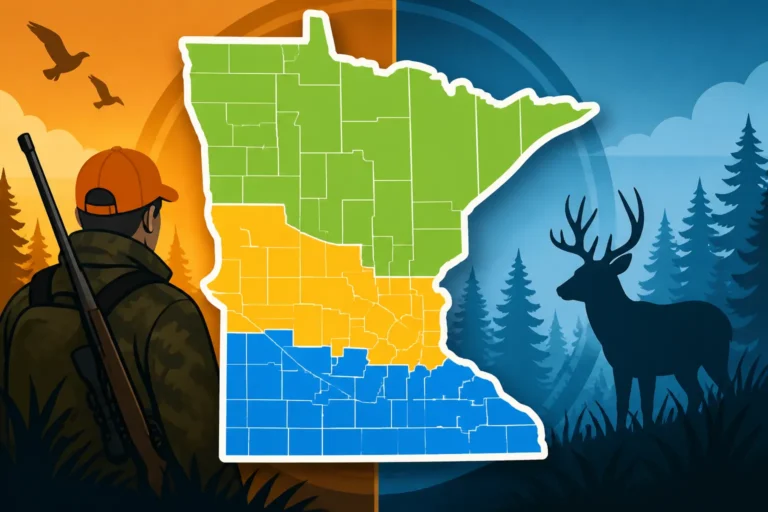
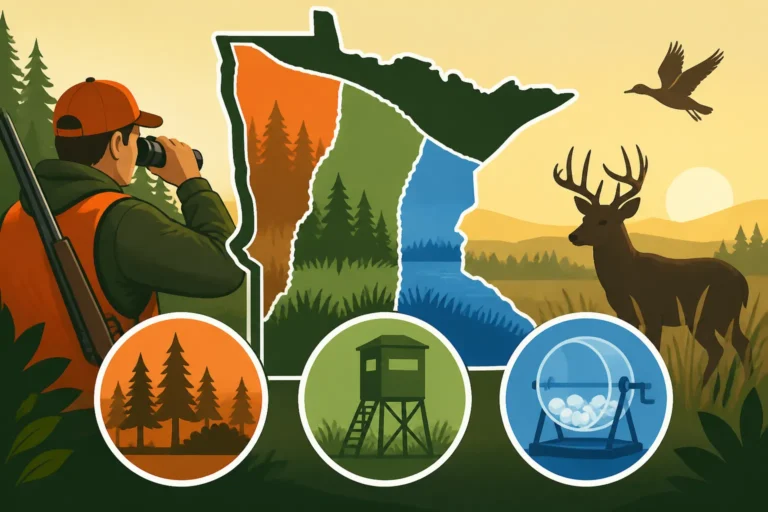
While September 1st is the standard, it's crucial to understand that Minnesota’s bear hunting is highly regulated by "Bear Permit Areas." The state is divided into specific zones, each with its own quota of available licenses. The core opening and closing dates usually remain consistent across these areas, but the opportunity to hunt them varies wildly. For instance, some areas might have a separate application period that you need to be aware of well in advance of the hunting season itself. You see, it’s not just about when the season opens, but when you can actually get a tag for that specific area.
These regional nuances are tied directly to bear population management. Areas with higher bear densities or specific management goals might have different numbers of permits issued. For example, the vast forests of northern Minnesota, like those in the Baiting Bears in Minnesota's Forest Zone, are prime bear habitat and often see the most hunting pressure and the highest quotas. Conversely, areas on the fringe of bear range might have very limited permits. This is where understanding Minnesota's Fifteen Bear Permit Areas becomes critical, as each area’s specific conditions dictate your chances of drawing a tag, even if the actual hunting dates are uniform. Planning for a successful bear hunt really starts months before the September 1st opener, specifically during the application period.
Decoding Bear Permit Areas and Their Impact on Your Hunt
Bear hunting in Minnesota isn't a free-for-all; it's a carefully managed lottery system in most parts of the state. This means that merely knowing when the season opens isn't enough; you also need to understand how the permit areas work and how they influence your actual ability to hunt. This system ensures sustainable bear populations while still providing hunting opportunities.
Understanding Lottery Versus No-Quota Areas
Minnesota's bear hunting primarily operates under a lottery system, meaning you have to apply for a permit in a specific Bear Permit Area and hope your name is drawn. These "lottery areas" are scattered throughout the traditional bear range, primarily in the forested northern and central parts of the state. Each of these permit areas has a predetermined quota of licenses, and once those are allocated through the lottery, that's it for the season in that specific zone. This system makes drawing a tag a significant hurdle, sometimes requiring several years of building preference points.
However, there is a notable exception: the "No-Quota Area." This special zone is located in the far northwest corner of the state, roughly west of U.S. Highway 71 and north of U.S. Highway 2. In this specific region, bear licenses are sold over the counter on a first-come, first-served basis, with no lottery required. If you're looking for a guaranteed bear license without the uncertainty of the lottery, this No-Quota Area is your best bet. The season dates for this area typically align with the general September 1st to October 15th window, just like the lottery areas. It’s a great option for those who want to experience Bear Hunting With Bait and Hounds in Minnesota without the stress of the draw.
The Role of Preference Points and Drawing Odds
If you're eyeing one of Minnesota's prime lottery bear permit areas, you'll quickly become familiar with the concept of preference points. Each year you apply for a permit in a lottery area and are unsuccessful in drawing a tag, you earn a preference point. These points accumulate, and the more points you have, the higher your chances of drawing a permit in subsequent years. It's a system designed to reward persistent applicants, ensuring that over time, dedicated hunters will eventually get a chance to hunt their desired area.
The Minnesota Bear Lottery Application Deadline usually falls in early May, so you need to be thinking about your bear hunt months before the actual season opens. Researching the drawing odds for specific permit areas is crucial. Some areas, particularly those known for larger bears or easier access, can have very low drawing odds, meaning it might take many years and many preference points to get a tag. Others, with slightly lower bear populations or less desirable habitat, might be easier to draw. Resources like GoHunt can be incredibly valuable here, as they often compile and analyze draw odds data, helping you make an informed decision on which permit area to apply for, maximizing your chances of success. Understanding these odds is as important as knowing How Many Black Bears Minnesota Has overall, because it tells you about the localized hunting pressure and opportunity.
| Permit Type | Season Start | Season End | Application Required? | Preference Points? | Special Considerations |
|---|---|---|---|---|---|
| Lottery Area | September 1 | October 15 | Yes (Early May) | Yes | High demand areas, check draw odds |
| No-Quota Area | September 1 | October 15 | No (Over-the-counter) | No | Northwest MN, guaranteed tag |
Key Regulations and Practicalities Beyond Opening Day
Just because the season opens doesn't mean it's a free-for-all. There are several crucial regulations and practical considerations that every Minnesota bear hunter needs to be aware of. These rules are in place to ensure ethical hunting, fair chase, and the safety of both hunters and the public. Understanding them fully is as important as knowing the opening date itself.
Baiting Regulations and Start Dates
Many bear hunters in Minnesota utilize bait to attract bears, and it's a highly effective method, particularly in dense forest environments where bears can be hard to spot otherwise. However, baiting is strictly regulated. While the general bear season opens on September 1st, there's a specific "baiting period" that precedes it. You can typically begin establishing your bear bait sites around mid-August, usually two weeks before the season opener. This allows hunters time to get their sites active and get bears comfortable visiting them before they actually pick up a weapon. This is often around August 16th, but always verify the exact date with the current year's regulations.
When it comes to baiting, there are also strict rules about the types of bait allowed, the size of the bait station, and how close it can be to dwellings, public roads, or other bait sites. For instance, certain items like meat scraps or specific parts of animals are prohibited. All bait sites must be registered with the Minnesota DNR, and you must carry proof of registration. The rules are designed to prevent conflicts and ensure ethical practices. It's not just about throwing out some donuts; it's a strategic, regulated process. You'll want to review the specifics of Minnesota Bear Bait Registration Rules before you ever put a single morsel out.
Specifics for Hound Hunters
For those who enjoy the thrill of Running Hounds for Minnesota Bears, the season dates generally align with the standard September 1st to October 15th window. However, there are additional considerations for hound hunters. While training dogs on bears is allowed, there are often specific training periods and rules that may differ from the actual hunting season. During the hunt itself, dogs must be equipped with tracking collars, and hunters must adhere to all fair chase regulations.
Hound hunting can be a challenging and exciting way to pursue bears, often involving considerable physical exertion and strategic planning. The ability to use dogs can be a game-changer in Minnesota's vast, thick forests, allowing hunters to cover more ground and track bears more effectively. It’s a method that requires specialized gear and a deep understanding of dog behavior and bear habits. Before embarking on a hound hunt, ensure you're fully versed in all the specific regulations pertaining to dog use for bear hunting in Minnesota.
Critical Post-Harvest Requirements
The hunt doesn't end when the bear goes down. Just like with deer, there are mandatory post-harvest requirements for bears in Minnesota. First and foremost, you must register your bear. This can often be done online or by phone, but sometimes specific areas might require physical check-ins. The registration deadline is usually within 48 hours of harvest, so you need to prioritize this after the animal is down and field-dressed. Minnesota Bear Registration Rules are in place to gather vital data for population management.
Additionally, if you harvest a bear in a CWD (Chronic Wasting Disease) surveillance zone, there might be mandatory sampling requirements for your bear, similar to what's sometimes required for deer. Always check if the area you're hunting falls within one of these zones. Proper handling and care of the meat are also paramount. Bear meat is delicious when handled correctly, but it's important to remember that bears can carry trichinosis, so thorough cooking is essential. Knowing Handling Bear Meat Safely and having the right equipment for field dressing and packing out your bear, especially if you're deep in the wilderness, is crucial. This is where quality Bear Hunting Gear in Minnesota can make a huge difference.
Planning Your Minnesota Bear Hunt: Beyond the Calendar
Securing a bear tag and knowing the season dates are just the first steps. A truly successful Minnesota bear hunt requires meticulous planning, from pre-season scouting to ensuring you have the right equipment and strategies in place. It's a commitment that pays off with an unforgettable experience.
Pre-Season Scouting and Application Strategies
Long before September 1st rolls around, dedicated bear hunters are out in the woods, scouting for sign. Bears are creatures of habit, often following consistent travel corridors and feeding patterns. Look for tracks, scat, rubbed trees, and overturned logs, all indicating bear activity. Focus your efforts around natural food sources like berry patches, acorn flats, and standing cornfields, especially as August progresses. Scouting Minnesota Public Land Before Season is invaluable, helping you identify prime locations for bait sites or ambush points. Using mapping apps like GoHunt can aid in identifying potential habitat, access points, and escape routes.
As mentioned earlier, applying for your permit well in advance is non-negotiable for lottery areas. The Minnesota Bear Lottery Application Deadline is typically in early May, so mark your calendar now. Carefully consider which permit area to apply for, weighing the drawing odds against your preference points and desired hunting experience. If you're a first-time applicant or just want to get into the woods sooner, the No-Quota Area offers an immediate opportunity. For those accumulating points, applying strategically can eventually lead to a dream hunt in a high-quality area. Don't forget, if you aren't drawn, you can sometimes purchase a leftover permit in August, so keep an eye out for Buying a Leftover Bear License in August if you miss the initial lottery.
Gear Up for Success
Bear hunting, regardless of method, demands reliable gear. While the early September opener can still bring warm days, be prepared for cooler temperatures, rain, and even a frosty morning as the season progresses into October. Layering is key for comfort and quiet movement. Durable, scent-controlling clothing is a must, especially for those long sits on a bait site.
Your weapon choice should be adequate for taking down a large, tough animal like a bear. Many hunters use rifles chambered in calibers like .30-06, .308, or .45-70, while others prefer powerful archery setups. Ensure your weapon is sighted in and that you're proficient with it at typical hunting distances. Don't overlook the importance of quality optics for spotting bears in low light or thick cover. Finally, pack essential field dressing tools, game bags, and a way to retrieve your bear, whether that's a sturdy game cart for easier terrain or a frame pack if you plan to bone out the meat in remote areas. Remember, you'll need a valid Minnesota Hunting Licenses and What They Cost before heading out.
Disclaimer
Please note that hunting regulations, season dates, and permit requirements can change from year to year. While this guide provides comprehensive information, it is essential always to consult the official Minnesota Department of Natural Resources (DNR) regulations and publications for the most current and accurate information before planning and executing your hunt. Responsible hunting requires staying informed and compliant with all applicable laws.