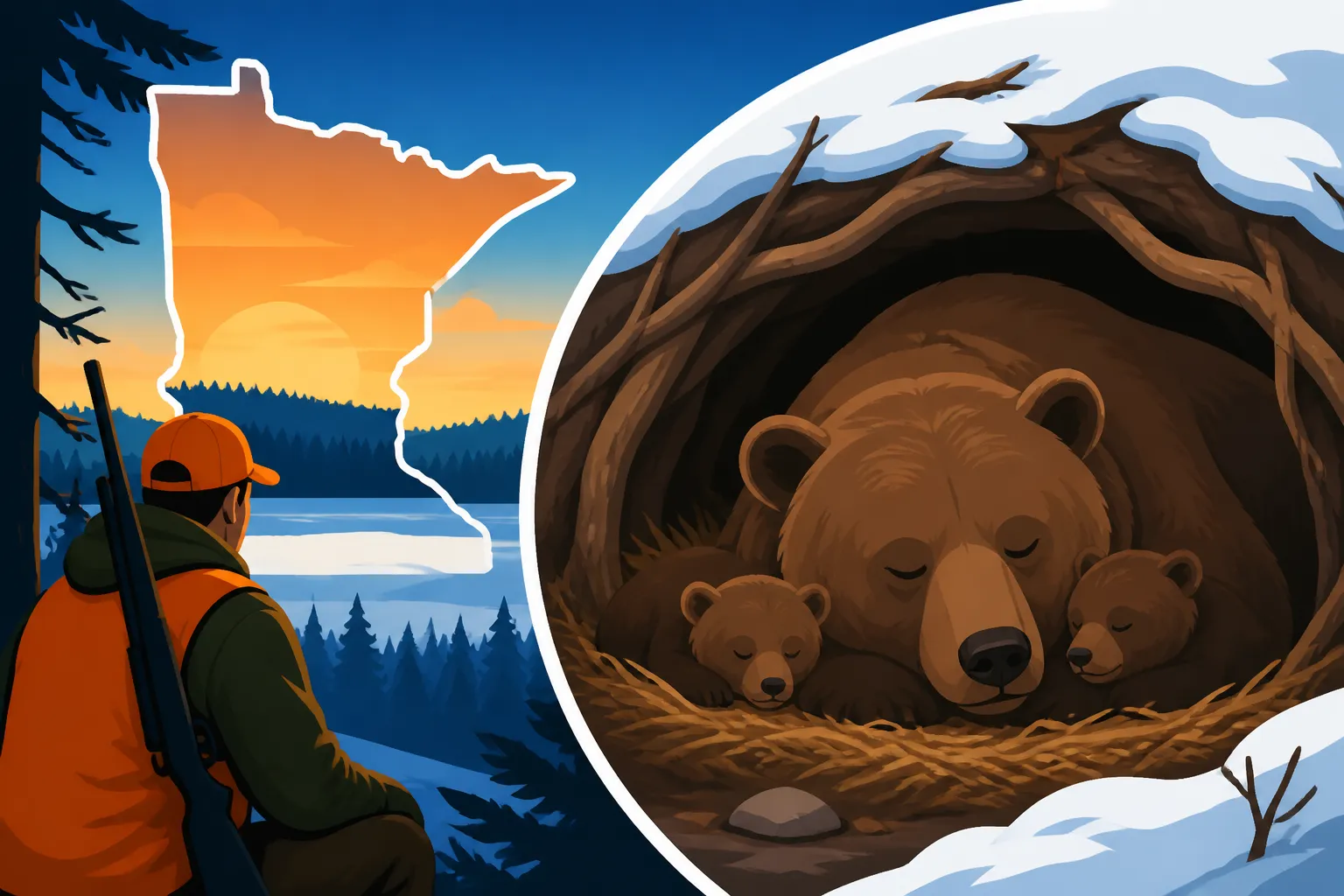
Minnesota Bear Denning Behavior
There's something truly mysterious about Minnesota's black bears as the autumn colors fade and the air takes on that undeniable chill. They're here, they're active, and then, almost like magic, they vanish, retreating into the earth for their long winter slumber. Understanding this incredible feat of nature, especially their denning behavior, isn't just fascinating for the armchair naturalist; it's a vital piece of the puzzle for anyone who spends time in the Northwoods, whether you're a hunter, hiker, or just curious about our state's incredible wildlife. This guide will pull back the curtain on how, why, and where Minnesota's bears choose to hunker down for the coldest months, giving you a deeper appreciation for these adaptable creatures.
The Annual Retreat: When and Why Minnesota Bears Den Up
For many of us, the onset of winter means layering up, cranking the heat, and maybe even dreaming of a tropical getaway. For a Minnesota black bear, it means something far more profound: a complete physiological shift that allows them to survive months without food, water, or even moving much. This isn't just a long nap; it's an incredible adaptation to the harsh realities of a northern winter.
Triggers for Denning: The Science of Sleep
The decision for a bear to enter its den isn't just a sudden whim; it's a complex process driven by several environmental cues working in concert. Think of it as a natural alarm clock, but instead of beeping, it’s ringing with declining daylight, plummeting temperatures, and the stark reality of dwindling food sources.
Firstly, the most significant trigger is photoperiod—the shortening of daylight hours. As the days grow noticeably shorter in late summer and early fall, a bear's internal clock starts ticking. This isn't something they consciously decide; it's a hardwired biological response that prepares their bodies for the coming scarcity. Their metabolism begins to shift, and they enter a period of hyperphagia, where they eat voraciously, packing on as much fat as possible. This is why you'll see bears really hitting the natural food sources, like acorns and berries, or even agricultural fields, with intense focus during this time. Secondly, a sustained drop in ambient temperature is another critical signal. While bears are incredibly resilient to cold, their metabolism is designed to conserve energy when the mercury really plunges. Freezing ground and persistent cold push them towards the warmth and shelter of a den. Lastly, and perhaps most obviously for us observers, is the availability of food. As acorns are gone, berry bushes are picked clean, and agricultural harvests are finished, the energy expenditure required to find diminishing food sources becomes too high to sustain. The cost-benefit analysis of foraging versus denning eventually tips towards the latter, signaling it's time to retreat.
Timing is Everything: When Bears Hit the Hay
The exact timing of den entry in Minnesota isn't a universally fixed date, but rather a flexible window that varies based on a few key factors. Generally, as we move into the late fall, typically from mid-October through November, most bears will be settling into their winter homes.
You'll find that geography plays a role. Bears in the deep woods of northern Minnesota, where winter arrives earlier and harsher, tend to den sooner than those in more southerly or agricultural areas, where some food sources might linger a bit longer. Beyond location, individual bear characteristics also influence the timing. Pregnant sows, for instance, are almost always the first to den up, sometimes as early as mid-September or October. They need extra time and energy conservation to prepare for the monumental task of gestating and birthing cubs in the den. Yearling bears, on the other hand, especially males, might stay out foraging a bit later, trying to squeeze every last calorie out of the landscape before succumbing to the call of winter. Boars, or adult male bears, are often the last to den, sometimes not settling in until early December if food is still readily available or the weather remains unusually mild. This staggered entry helps reduce competition for dwindling resources in the pre-denning phase. If you're out Hunting Minnesota's Black Bear Population in the archery or early firearm seasons, you might notice fewer bears as the calendar flips deeper into fall, a clear indicator that many have already begun their long sleep.
Finding a Winter Home: Types of Minnesota Bear Dens
Unlike some other hibernating animals that might have very specific den requirements, Minnesota's black bears are remarkably resourceful when it comes to choosing and constructing their winter abode. Their dens range from elaborate underground chambers to surprisingly simple, almost casual, shelters. This adaptability is part of what makes them such successful survivors in diverse habitats, from the rugged Superior National Forest to the more fragmented landscapes closer to human development.
Classic Underground Bunkers
When most people picture a bear den, they envision a deep, dark cave or a burrow dug into a hillside. And often, they're not wrong! Many Minnesota bears do opt for these more traditional, well-insulated underground shelters, which offer excellent protection from the elements and predators.
These classic dens often involve a bear excavating a chamber under large root systems of mature trees, especially those with wide, spreading bases like white pine or oak. The roots provide structural integrity, preventing the den from collapsing. Bears will also seek out rock crevices or small caves, especially in the rugged terrain of the Iron Range or parts of the North Shore. These natural formations require less work to modify and can offer fantastic insulation. Sometimes, they'll simply dig a new den directly into a hillside, particularly in areas with softer, well-drained soil. The bears aren't just digging a hole; they're creating a cozy, secure chamber, often with a smaller entrance tunnel that then opens into a larger sleeping area. This design helps trap body heat and keeps out unwanted guests or the biting wind and snow. Scouting for these types of dens can be tricky, but knowing what to look for, like disturbed soil near large trees or rock outcrops, can give you clues. Tools like mapping apps, such as those from GoHunt, can be incredibly useful for pinpointing potential denning areas on public land by analyzing terrain features and satellite imagery that might indicate suitable habitat.
Above-Ground Alternatives and Makeshift Havens
While underground dens are common, bears are pragmatic creatures. If an ideal subterranean spot isn't available, or if the energy cost of digging one is too high, they'll readily utilize above-ground or semi-exposed alternatives. This flexibility is a testament to their survival instincts.
One of the most frequently used above-ground den types is a brush pile or the base of a dense, downed tree. A large tangle of fallen logs, branches, and other forest debris can provide surprisingly good insulation, especially when topped with a blanket of snow. Bears will often hollow out a space within these piles, creating a snug chamber. Similarly, a hollow log or a standing dead tree with a large cavity can be an irresistible denning spot, offering ready-made shelter with minimal effort. Imagine a bear simply crawling into a large, decaying log – it's naturally insulated and protected. We've even heard stories of bears denning under the root wad of an overturned tree or simply making a bed under a thick stand of conifers, especially if heavy snow arrives early and provides additional insulation. These makeshift dens might seem less secure to us, but with Minnesota's typically deep and persistent snowpack, they can become surprisingly effective at keeping the bear warm and hidden throughout the winter.
Den Preference and Preparation
The choice of a den site isn't arbitrary; bears make calculated decisions to maximize their survival. They're looking for security, insulation, and often, privacy, especially pregnant females. The preparation process for denning is also more involved than simply crawling into a hole.
Bears often select den sites in relatively remote or secluded areas, minimizing disturbance from humans or other animals. This is particularly true for sows, who need a safe place to give birth and raise their newborn cubs. The location often has good drainage to prevent flooding and is typically well-hidden by natural topography or dense vegetation. Once a site is chosen, the bear will begin to line the den with soft materials. This "nesting" process involves gathering leaves, grasses, moss, small twigs, and even pine needles, dragging them into the den to create a comfortable, insulated bed. This organic bedding not only adds warmth but also provides a barrier against the cold ground. This meticulous preparation is crucial for maintaining their body temperature during torpor, especially since they won't move much for months. It’s a bit like making your bed just perfect before you settle in for a long winter’s nap, only on a much grander, survival-critical scale. Understanding these preferences can be helpful for anyone Scouting Minnesota Public Land Before Season, allowing you to identify areas where bears are likely to establish dens.
Life in the Lair: What Happens During Denning
Once a bear is tucked away in its den, it enters a state that’s often mistakenly called hibernation. While it shares some similarities with true hibernation, a bear’s winter sleep is a unique physiological marvel that allows for quicker arousal and critical biological processes, like giving birth.
The True Meaning of Hibernation (and Why Bears Don't Quite Do It)
When we think of hibernation, we often picture an animal whose body functions nearly shut down: heart rate dropping to a few beats per minute, body temperature plummeting to near freezing, and an almost complete cessation of metabolism. While bears certainly slow down dramatically, they don’t quite fit that extreme definition.
Instead, bears enter a state of torpor or "winter lethargy." Their body temperature only drops slightly, usually from around 100°F (37.8°C) to about 88-95°F (31-35°C). Their heart rate decreases significantly, from a normal resting rate of 40-50 beats per minute down to 8-10 beats per minute, and their breathing also slows. However, unlike true hibernators, bears can be roused relatively easily from this state. If disturbed by a predator, a curious human, or even a shifting den, they can quickly become alert and defend themselves. This ability to rouse quickly is a key difference and a major survival advantage. They also don't eat, drink, or defecate during this entire period. Their bodies recycle waste products, converting urea into protein, which helps maintain muscle mass. This incredible metabolic efficiency is what allows them to emerge in spring with relatively little muscle loss, even after months of inactivity. If you ever stumble upon a den, remember that the bear inside is not in a deep, unresponsive sleep.
Winter Deliveries: Cubs in the Cold
One of the most extraordinary aspects of bear denning behavior, especially for sows, is the timing of cub births. Minnesota's black bear cubs are born in the dead of winter, typically in late January or early February, while their mother is still in her denning state.
Imagine: outside, temperatures are plummeting, snow is piling up, and the world is locked in ice. Inside the den, a tiny miracle is unfolding. Bear cubs are born incredibly small and helpless, usually weighing less than a pound (around 300 grams). They are blind, toothless, and covered in only a fine layer of fuzz, making them utterly dependent on their mother. A typical litter in Minnesota consists of two to three cubs. The sow, despite being in torpor, is able to awaken enough to give birth, clean her newborns, and begin nursing them. Her milk is incredibly rich and nutritious, allowing the cubs to grow rapidly in the warmth and safety of the den. For the next two to three months, the cubs will feed and grow, gaining strength and developing their senses, all within the confines of their winter home. This period of in-den growth is crucial, giving them a head start before they face the challenges of the outside world in spring.
Emerging from the Slumber: When Bears Reappear
As the days lengthen and the landscape gradually thaws, Minnesota's black bears begin to stir from their long sleep, signaling the end of their denning period and the beginning of a new season of foraging and activity. Just like den entry, the timing of emergence is influenced by environmental cues and individual circumstances.
Spring Awakening: The Thaw and the Stirring
The primary trigger for bears to emerge from their dens is the rising temperatures and the gradual melt of winter snows. As spring takes hold, typically from mid-March through April in Minnesota, the warming ground and the increasing daylight signal that food sources will soon become available again.
Just like with denning, there's a staggered emergence. Pregnant sows and their cubs are often among the last to leave the den, usually not until late April or early May, when the weather is consistently warmer and there’s a better chance for the vulnerable cubs to survive. The cubs, having grown significantly since birth, are still small but are now active and able to follow their mother. Adult males, who were often the last to den, might be some of the first to emerge, driven by the need to find food and begin searching for mates. Yearlings and sub-adults fall somewhere in between. When they first leave the den, bears are often a bit groggy and spend some time stretching and adjusting to the daylight. Their initial movements are cautious, as they assess their surroundings and begin the slow process of re-acclimating to an active lifestyle. This is a critical period where they need to find readily available, easily digestible food to kickstart their digestive systems after months of inactivity.
Post-Denning Behavior and Vulnerabilities
The period immediately following den emergence is crucial for black bears. Their priorities shift rapidly to finding food, recovering lost weight, and, for sows, protecting their newly emerged cubs.
Bears emerging from their dens are typically hungry, but they can't just gorge themselves immediately. Their digestive systems need to gradually restart. Their initial diet often consists of tender, new plant growth, like grasses, sedges, and forbs, as well as carrion if they can find it. As spring progresses, they'll seek out expanding food sources such as ants, grubs, and early berries. For sows with cubs, this post-denning period is particularly challenging. The cubs are still very small and dependent, making them vulnerable to predators and environmental stresses. The sow is constantly vigilant, teaching her cubs about foraging, danger, and the intricacies of their forest home. She will fiercely defend them, making it an especially important time for humans to be aware and give bears plenty of space, particularly in areas like the Chippewa National Forest. Understanding their movements and habitat choices in early spring can be vital, whether you're interested in Bear Hunting With Bait and Hounds in Minnesota later in the year, or simply observing wildlife. These new mothers often remain in dense cover, especially near good food sources, to keep their families safe. Tools like GoHunt can help you identify these critical early-season habitats, offering insights into terrain features and vegetation types that might draw bears. As spring fully blossoms into summer, bears will quickly regain lost weight and resume their more active, solitary lives, until the cycle begins anew with the next whisper of autumn's approach.
| Factor | Den Entry (Late Fall) | Den Emergence (Early Spring) |
|---|---|---|
| Primary Triggers | Shortening daylight, cold temperatures, food scarcity | Rising temperatures, snow melt, increasing daylight |
| Typical Timing | Mid-October to Early December | Mid-March to Early May |
| First to Den/Emerge | Pregnant Sows (first to den) | Adult Males (first to emerge) |
| Last to Den/Emerge | Adult Males (last to den) | Pregnant Sows with Cubs (last to emerge) |
| Physiological State | Entering torpor, slowing metabolism | Exiting torpor, gradually reactivating digestion |
| Behavior | Voracious eating, den preparation | Cautious movement, seeking early plant growth/carrion |
| Key Concern | Gaining fat for winter survival | Finding food, protecting vulnerable cubs |
Disclaimer
This article is for general informational purposes only and does not constitute professional advice. Laws, prices and regulations vary by location and change over time. Consult a qualified professional for guidance on your specific situation.