Knocking on Doors in Minnesota Farm Country
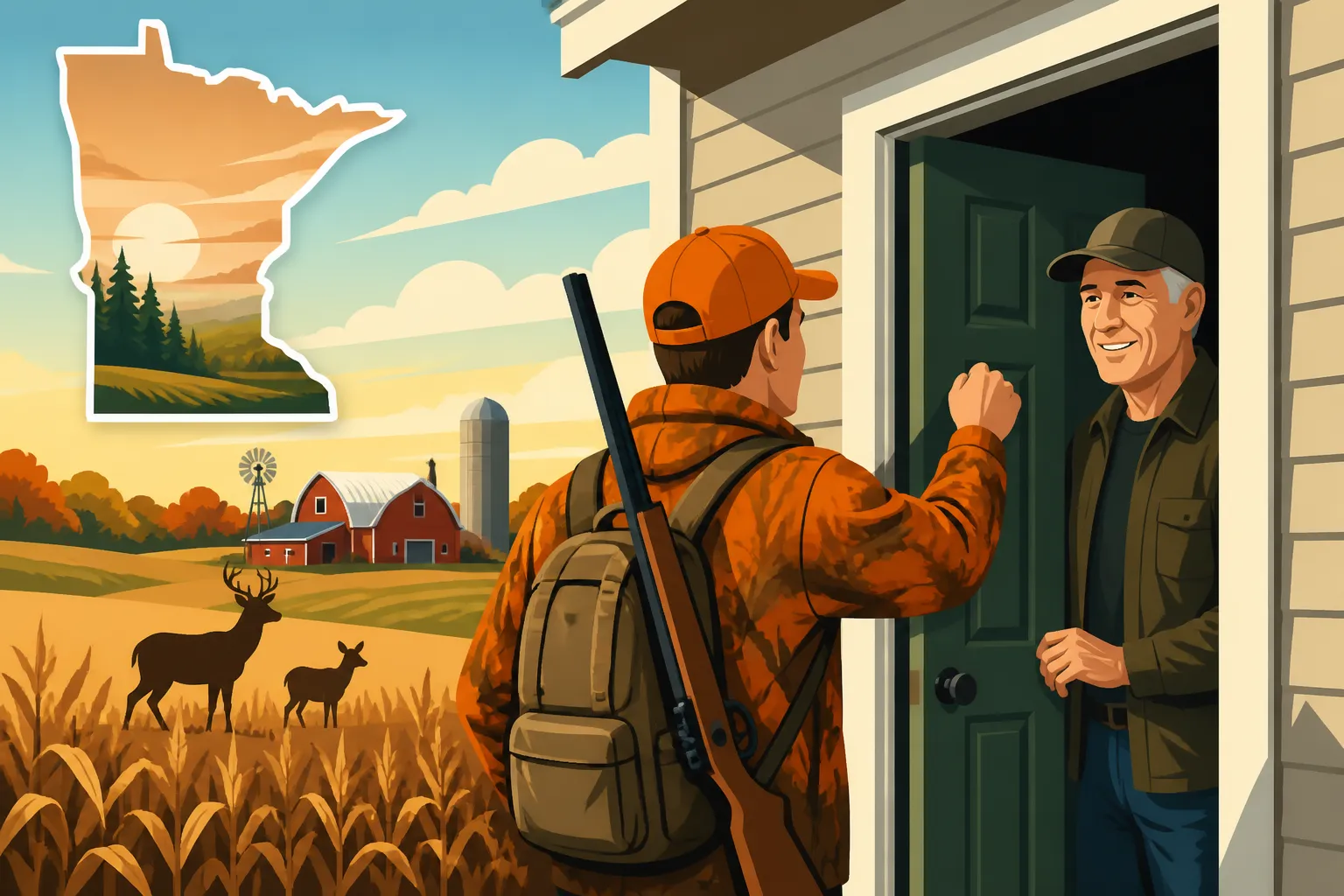
Finding quality hunting land in Minnesota's farm country can feel like a daunting task. With public land often fragmented or heavily pressured, many hunters face the frustration of limited access to prime habitat where deer and turkeys thrive. This guide is here to walk you through the often-intimidating, but incredibly rewarding, process of respectfully knocking on doors to secure private land hunting permission in Minnesota.
Understanding the Landscape of Private Land Access in Minnesota
Hunting in the agricultural areas of Minnesota presents a unique set of challenges and opportunities. Unlike the vast tracts of public forests up north, farm country is a patchwork of private parcels, often with excellent wildlife populations. Access, however, is not a given; it's earned.
Why Private Land is Key in Farm Country
When you look at a map of southern and western Minnesota, you'll see a mosaic of cornfields, soybean fields, hay meadows, and pastures, broken up by woodlots, creek bottoms, and cattail sloughs. This landscape is incredibly productive for game animals, especially white-tailed deer and wild turkeys. The food is abundant, and the cover, while sometimes sparse in places, often holds mature animals that are rarely disturbed.
The reality is that much of the best habitat in these regions is privately owned. While Minnesota boasts significant public lands, many of these are concentrated in the forested northern zones. In farm country, public land often consists of smaller Wildlife Management Areas (WMAs) or Waterfowl Production Areas (WPAs), which can see immense hunting pressure, especially during the firearm deer season. Deer and turkeys learn to avoid these high-traffic areas, often seeking refuge on neighboring private parcels where they can go undisturbed. For hunters looking to consistently find unpressured game and avoid the crowds, understanding and navigating private land access becomes absolutely critical. If you've ever found yourself frustrated by a lack of good ground, or constantly running into other hunters, this is why many turn to the private sector.
The Legalities and Etiquette of Asking
Before you even think about stepping foot on someone's property, it’s crucial to understand Minnesota's trespass laws. In Minnesota, private land is generally considered closed to hunting unless you have explicit permission from the landowner or legal occupant. This isn't like some states where unenclosed, unposted land might be assumed open. Here, permission is paramount. You need to know the specifics of Minnesota Trespass and Permission Law before you start your quest.
The cardinal rule is: Always ask first. Never assume. Even if a field looks unkempt or a woodlot seems neglected, it belongs to someone. Showing up unannounced with a gun in hand is a surefire way to get a "no" and potentially sour the relationship for any future hunters. When you do get permission, it's wise to clarify if Do You Need Written Permission in Minnesota?. While verbal permission is often sufficient, a written note can prevent misunderstandings, especially if a new person is working the land or if neighbors are curious. Remember, you're not just asking for permission to hunt; you're asking to be a guest on someone's property, and that requires a high degree of respect and good manners. This isn't just about avoiding legal trouble; it's about building trust and showing that you are a responsible, ethical hunter.
Preparing for Your Knock-on-Door Quest
Approaching a landowner cold can be intimidating, but with a bit of preparation, you can increase your chances of success and feel more confident. This isn't just about luck; it's about strategy and presentation.
Researching Potential Properties
Before you hit the road, do your homework. Driving aimlessly and knocking on every door is inefficient and can lead to frustration. Start by identifying general areas that appeal to you. Are you interested in Hunting Minnesota Farmland Deer or perhaps looking for specific turkey habitat? Look for areas that have a mix of agriculture and cover—woodlots, creek bottoms, shelterbelts, or wetlands.
Aerial maps are your best friend here. Online mapping tools like GoHunt, along with the Scouting With the Minnesota Recreation Compass App, are invaluable. GoHunt offers layers that show property boundaries, ownership information, and even recent satellite imagery that can reveal hidden food plots or bedding areas. This allows you to pinpoint specific parcels that look promising for hunting. You're looking for signs of deer travel, turkey roosts, or ideal cover. For instance, a small woodlot tucked away between two large cornfields can be a magnet for deer, especially if it leads to a secluded bedding area. You can also use these tools to Find Property Lines and understand the lay of the land without physically trespassing. Pay attention to how the habitat connects, looking for natural funnels or pinch points. The more you know about a property before you ask, the more informed your conversation will be.
What to Bring and How to Present Yourself
Your appearance and preparedness speak volumes before you even say a word. When you decide to knock on doors, dress neatly and conservatively. You don't need to wear a suit, but don't show up in muddy hunting clothes or an overly aggressive camo pattern. A clean pair of jeans, a presentable shirt, and a friendly smile are usually perfect. The goal is to convey trustworthiness and respect, not to look like you just crawled out of the woods.
Beyond your appearance, bring a few essential items:
- A simple, handwritten note or small card with your name and phone number. This makes it easy for the landowner to contact you later, even if they're busy when you stop by.
- A clear, printed aerial map of their property. Highlight the areas you're interested in, but be open to their suggestions. This shows you've done your homework and respect their property. Using a tool like GoHunt to generate these maps can be a huge advantage.
- Proof of hunter safety certification and insurance. While not always asked for, having these ready demonstrates responsibility and provides peace of mind regarding liability.
- A calendar or planner. If they say yes, you'll want to immediately note down any specific dates or conditions they mention.
Remember, you're trying to make a good first impression. You want them to feel comfortable with you, and that starts with looking and acting like a responsible individual, not just another hunter eager for a spot.
The Art of the Conversation: What to Say and Do
This is where the rubber meets the road. The conversation itself is the most crucial part of securing permission. It's about being genuine, respectful, and clear.
Crafting Your Pitch
When the landowner answers, introduce yourself immediately and clearly state your purpose. "Hi, my name is [Your Name], and I live over in [Your Town]. I'm a hunter, and I was wondering if you might consider allowing me to hunt deer (or turkeys, pheasants, etc.) on your property this season." Keep it concise and direct.
Then, be prepared to elaborate. Here are some key points to cover:
- Be Specific: Mention exactly what you want to hunt (e.g., "I'm looking to bowhunt for deer," or "I'd love to try and get a spring gobbler").
- Highlight Your Experience and Safety: "I've completed my hunter safety course, and I'm very careful about safety. I'm always aware of where homes and livestock are."
- Assure Respect for Property: "I promise to close all gates, stay away from any crops or livestock, and leave absolutely no trash behind." Offer to park in a specific spot or enter from a certain access point.
- Offer to Help: "If you ever need a hand with anything around the farm, like fixing a fence or chores, please don't hesitate to ask." This can be a huge differentiator.
- Be Flexible and Ask Questions: Instead of just saying "can I hunt here," ask "would you ever consider allowing hunting?" Inquire about their land, their concerns, and if there are any areas they'd prefer you not to hunt. Perhaps they have an area that's perfect for Hunting a Standing Cornfield in Farm Country but want you to avoid a particular woodlot near their house. This shows you're listening and respect their wishes.
- Mention specifics from your research: "I noticed on the map there's a nice creek bottom area that looks like great cover, and I'd be interested in focusing there." This shows you've put thought into it and aren't just looking for a free-for-all.
If they say yes, ask about any specific rules or restrictions. "Are there any days you'd prefer I didn't hunt? Where would be the best place to park? What should I do if I harvest an animal?" Make sure you have clear instructions on Retrieving Game From Private Land in Minnesota if an animal runs onto their land (or a neighbor's). Always get specific about the species, weapon, and dates. This is critical for preventing misunderstandings down the road.
Handling Rejection Gracefully
The reality is, you'll hear "no" more often than "yes." This is absolutely normal and shouldn't discourage you. There are countless reasons a landowner might decline: they might already have hunters, they might not hunt themselves and prefer to keep their land private, they might have had a bad experience in the past, or they might simply not be comfortable with it.
If you get a "no," accept it with a smile and a polite "Thank you for your time, I appreciate you considering it." Don't argue, plead, or act disappointed. Maintain a friendly demeanor. Remember, their "no" isn't a reflection of you; it's their decision about their private property. Leave them with your card, just in case their situation changes, or they know someone else who might be amenable. You never know; a positive, polite rejection might lead to a "yes" from a neighbor they recommend.
Following Up and Maintaining the Relationship
Securing permission is just the first step; maintaining that relationship is crucial for long-term access. If you get permission:
- Send a Thank You Note: A handwritten thank you note within a week of getting permission goes a long way. It reinforces your gratitude and professionalism.
- Abide by All Rules: This is non-negotiable. If they say no hunting on Sundays, then no hunting on Sundays. If they say stay out of the back pasture, stay out.
- Check In: Don't just show up and hunt. Before you go out, especially during your first season, give them a quick call or text to let them know you'll be on the property. "Hey [Landowner Name], just wanted to let you know I was planning on heading out to the north woodlot around 6 AM tomorrow if that works for you." This is respectful and ensures you don't surprise them.
- Share Your Success (if appropriate): If you harvest an animal, let them know. Offer them some venison. This can strengthen the bond.
- Offer Help (Again): Throughout the year, if you see them out or drive by, stop and ask if they need anything. A simple gesture like helping them mend a fence or offering to pick up trash can make a huge difference. GoHunt users sometimes offer to share aerial maps they've generated with landowners, providing a useful resource for them, too.
- Respect the "Off-Season": Don't just disappear after hunting season. A quick check-in around the holidays or during the summer, perhaps offering to help with chores, keeps the relationship warm.
This long-term relationship building is how many hunters secure permission for years, even decades. It's about being a good neighbor and a respectful guest.
Navigating Common Concerns and Building Trust
Landowners often have valid concerns when considering allowing hunters on their property. Addressing these proactively and honestly can significantly improve your chances of getting a "yes."
Addressing Safety and Liability
Safety is usually a top concern for landowners. They worry about stray bullets, damage to property, and potential liability issues. You can alleviate many of these fears:
- Emphasize Safety: Reiterate your commitment to safe firearm handling. Explain that you understand the background beyond your target, use proper shooting lanes, and are always aware of homes, roads, and livestock. Mention your hunter safety certification.
- Discuss Your Hunting Style: If you plan to use a crossbow or a vertical bow, highlight that these have shorter effective ranges and generally don't carry the same perceived risks as a rifle shot. If you're using a rifle, discuss the specific caliber and your knowledge of its range, especially now that Why Straight-Wall Rifles Are Now Legal Statewide in many areas previously restricted to shotguns. For shotgun-only counties, clarify that you'll be using slugs that are appropriate for the range and terrain.
- Liability Insurance: Many hunting organizations (like the Minnesota Deer Hunters Association, National Wild Turkey Federation, or even basic hunter's insurance policies) offer liability coverage. Mentioning that you carry such insurance can be a huge comfort to a landowner. It shows you're responsible and thinking ahead.
- No Guests Policy: If you're granted permission, it's often best to clarify that you will be the only hunter on the property unless specifically agreed upon. This prevents the landowner from worrying about a parade of unfamiliar faces.
Offering Assistance and Giving Back
The most successful private land hunters understand that it's a two-way street. Permission isn't just a gift; it's an exchange. What can you offer in return?
- Pest Control: Are deer overbrowsing their crops or garden? Are turkeys roosting too close to the house? Offering to help manage these populations can be a huge benefit to the landowner. This is especially true for Hunting Minnesota Farmland Deer where crop damage can be a real issue.
- General Labor: This is perhaps the most valuable offering. "I'd be happy to help with chores, mend fences, clear brush, or anything else you might need a hand with." Even an hour or two of your time can be worth more than money to a busy farmer. I've personally spent countless hours painting barns, cutting firewood, or pulling weeds in exchange for prime hunting access.
- Security/Eyes on the Property: You're often a set of extra eyes on their property, especially if they live elsewhere or are elderly. You can report suspicious activity, downed fences, or other issues you might notice. This builds immense trust.
- Small Gifts: A gift basket around the holidays, a case of their favorite soda, or a gift certificate to a local restaurant can be a thoughtful way to show appreciation. It doesn't need to be extravagant; it's the thought that counts.
By demonstrating that you're a responsible, helpful, and appreciative individual, you transform the ask from a simple request into a mutually beneficial relationship.
Do's and Don'ts of Knocking on Doors
| Do's | Don'ts |
|---|---|
| Dress neatly and respectfully | Show up in muddy camo |
| Introduce yourself clearly and state your purpose | Beat around the bush or be vague |
| Bring a map of their property (e.g., GoHunt printout) | Rely on generic requests |
| Offer specific ways you'll be a responsible hunter | Make assumptions about their land or rules |
| Be polite and gracious, regardless of the answer | Argue, complain, or act entitled |
| Ask about specific rules and restrictions | Ignore their concerns or preferences |
| Offer to help with chores or property maintenance | Only show up during hunting season |
| Send a thank-you note if granted permission | Disappear until you want to hunt again |
| Park only where permitted | Block driveways or access points |
| Share some game meat (if appropriate) | Leave trash or evidence of your presence |
Disclaimer
Always check the latest Minnesota Department of Natural Resources regulations and local ordinances before hunting. Hunting laws and regulations can change, and it is the hunter's responsibility to stay informed and comply with all applicable rules.