Bear Bait Barrels and Legal Containers
Figuring out the legalities of bear baiting in Minnesota can feel like navigating a dense thicket, especially when it comes to what you can actually put your bait in. It's not just about attracting bears; it's about doing it the right way, protecting the land, and staying within the often-confusing regulations. This guide will walk you through the specifics of legal bear bait barrels and containers, ensuring your bait site is compliant and effective, so you can focus on the hunt without worrying about a ticket.
Understanding Minnesota's Bear Baiting Regulations
When you decide to bear bait in Minnesota, you're stepping into a well-regulated activity designed to manage wildlife and ensure fair chase. It's not a free-for-all; there are very specific rules about what you can use for bait, where you can place it, and crucially, how that bait must be contained. Ignoring these rules isn't just a minor infraction; it can lead to hefty fines and loss of hunting privileges, putting a real damper on your season.
One of the primary frustrations for new bear baiters, or even experienced ones trying a new area, is deciphering the exact wording of the regulations. It often feels like you need a law degree just to understand if your five-gallon bucket or old steel drum is going to cut it. These rules are in place for good reasons: to prevent bears from becoming habituated to human refuse, to minimize the spread of disease, and to keep bait sites from becoming eyesores or hazards to other wildlife. It's a balance between providing an effective baiting method for hunters and maintaining ecological integrity.
General Rules for Bear Bait Placement
Before you even think about containers, it's vital to understand the general placement rules. You can't just toss bait anywhere. In Minnesota, a registered bear bait station must be established and identified with a tag containing your license number. This tag must be visible from a main access point, like a trail or forest road, but should not be readily accessible to the general public to prevent tampering or curious onlookers. The idea is that wildlife managers can inspect your site, but casual passersby aren't stumbling upon it unexpectedly.
Think about the impact your bait site has on the surrounding environment. You're not just attracting bears; you're also potentially drawing in other animals. The rules often specify distances from roads, residences, and other bait sites to reduce conflicts and over-concentration of animals. It's also important to remember that these sites require consistent attention, not just a one-time dump. Bears are smart and will quickly learn to ignore an inactive site, so commitment to maintenance is key once you start.
Specific Container Requirements
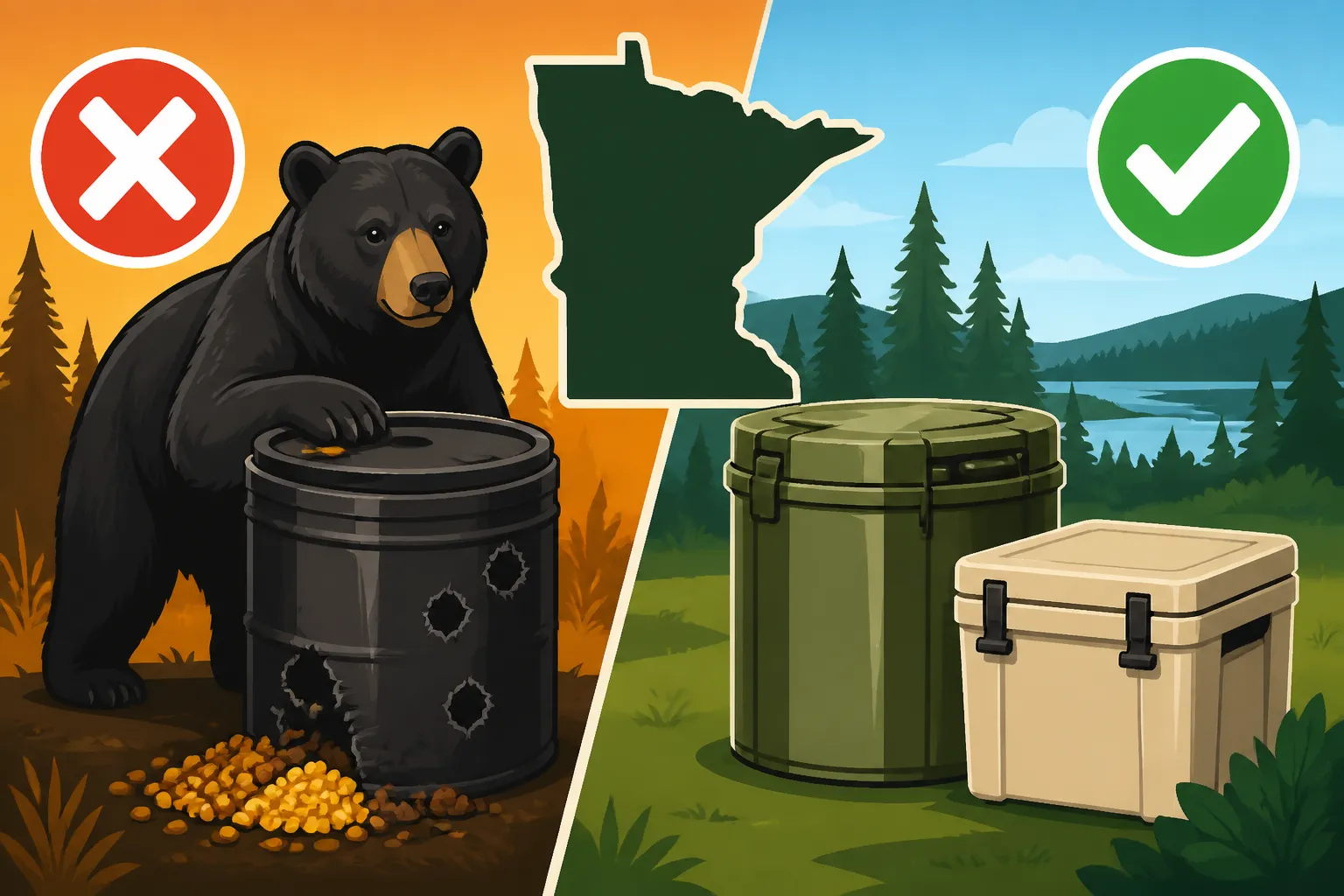
This is where many hunters get hung up, and for good reason—the rules can be particular. Minnesota regulations typically require that bait must be placed in a container that effectively prevents consumption by non-target animals, primarily protecting species like deer, moose, and domestic animals that might accidentally consume bait intended for bears. This means a simple pile of donuts on the ground won't cut it. The container needs to be robust and designed to only allow bears to access the bait.
Often, this translates to using sturdy barrels or specially designed feeders. The regulations are usually looking for something that requires a bear's strength and dexterity to open, rather than something easily pried open by smaller critters or even just gravity. This helps to ensure that the bait you've invested time and money in actually goes to the bears you're trying to attract, while minimizing potential issues for other wildlife. Tools like the GoHunt app can sometimes offer insights or visual guides that help clarify these container specifics, but always double-check the official state regulations.
Choosing the Right Legal Bear Bait Barrel or Container
Once you grasp the fundamental regulations, the next step is selecting the appropriate equipment for your bear baiting venture. The right container isn't just legal; it's also effective, durable, and manageable in the field. There’s a world of difference between a flimsy bucket that a raccoon can raid and a properly secured barrel that can withstand a determined Minnesota black bear. Your choice here directly impacts your success and compliance.
The Ever-Popular 55-Gallon Plastic Drum
Ah, the classic 55-gallon plastic drum. These are probably the most common sight at Minnesota bear bait sites, and for good reason. They're relatively inexpensive, readily available, and with a bit of modification, can be made completely legal and bear-resistant. The key is in the modification. Simply laying a drum on its side and filling it isn't enough; other animals would have a feast, and it'd likely wash away in a heavy rain.
To make a plastic drum legal, you typically need to secure it to a tree or other immovable object using chains or heavy-duty cables. The opening should be positioned so that a bear has to work at it, perhaps by lifting a heavy lid or gnawing at a smaller opening. Some hunters cut a small "feeding hole" in the side, just large enough for a bear's paw or snout, and then secure a heavy piece of lumber or a metal grate over it that the bear has to manipulate. This forces the bear to exert effort, making it less appealing for smaller animals and fulfilling the "bear-only" access requirement. Don't forget that these drums, once filled, are incredibly heavy, so consider transport and placement carefully. Many hunters will roll them into position or use a robust deer cart if the terrain allows.
Sturdy Metal Barrels and Containers
For those who want maximum durability and bear resistance, metal barrels are an excellent, albeit heavier, option. A 55-gallon steel drum will stand up to almost anything a bear can dish out, short of a direct hit from a truck. These are particularly good choices in areas with extremely persistent bears or in sites you intend to use for multiple seasons. Like their plastic counterparts, simply having a metal barrel isn't enough; it still needs to be modified for legal baiting.
With metal barrels, hunters often opt for even more robust securing methods, like heavy-duty chains bolted to the drum and wrapped around a stout tree. The opening can be more creative, perhaps a hinged lid secured with heavy-gauge bolts or a rebar grate that a bear has to muscle open. The sheer weight and rigidity of a metal barrel mean that bears will expend significant energy to access the bait, making it a very effective deterrent for smaller, less powerful animals. Just be prepared for the added effort in hauling these in; they are not for the faint of heart, especially if you have a long hike to your Bear Bait Barrels and Legal Containers.
Specialized Commercial Bear Feeders
While less common than DIY barrels, there are commercial bear feeders on the market that are designed specifically for baiting. These can range from gravity-fed systems to timed dispensers. The biggest advantage here is that they're often designed from the ground up with bear resistance and regulation compliance in mind. They've already done the engineering to make them hard for non-target animals to access and robust enough to withstand bear abuse.
However, these specialized feeders often come with a higher price tag. Before investing, always verify that a specific model meets Minnesota's regulations, as not all commercial feeders are universally compliant across all states. Look for features like heavy-gauge steel construction, secure locking mechanisms, and a design that limits access to larger, stronger animals. Some hunters find that while the initial cost is higher, the convenience and peace of mind these feeders offer, especially in busy hunting seasons, make them a worthwhile investment. Just remember to check for any specific requirements regarding automated feeding, as some regulations might have limits on timed releases.
Here's a quick comparison of common bear bait container options:
| Container Type | Pros | Cons | Legal Compliance (with mods) | Ideal Scenario |
|---|---|---|---|---|
| 55-Gallon Plastic Drum | Lightweight (empty), affordable, easy to modify | Less durable than metal, can be chewed/cracked | High | Most common choice, good for new baiters |
| 55-Gallon Metal Drum | Extremely durable, bear-resistant, weather-proof | Very heavy, louder to transport, can rust over time | High | High-pressure areas, long-term sites, aggressive bears |
| Specialized Commercial Feeder | Designed for compliance, convenience, efficient bait dispersal | Expensive, may have specific use limitations (e.g., automated) | Varies by model (verify!) | Hunters prioritizing convenience, specific feeding schedules |
Setting Up and Maintaining Your Bait Site Legally
A legal bait container is only one piece of the puzzle. How you set up and, more importantly, maintain your bait site is critical for both compliance and hunting success. A neglected or improperly managed site can attract unwanted attention from game wardens, other hunters, or even pose a nuisance to the local wildlife population. Think of your bait site as a temporary restaurant for bears; it needs to be clean, well-stocked, and regularly tended to.
Proper Placement and Securing
Once you've chosen your container, its placement and how it's secured are paramount. Ideally, your bait barrel should be situated in a somewhat secluded spot, away from main trails and public view, but still accessible for you. You want a location that offers good shot opportunities and isn't prone to flooding. Securing the container means firmly attaching it to an immovable object, usually a large tree, using chains or heavy cables. This isn't just to keep bears from running off with it; it's also to ensure the bait stays contained and doesn't get spread across the landscape by persistent animals.
Consider the bear's approach and your stand location. You want the bear to feel secure approaching the bait, so position the container where it offers some natural cover. The securing method should be strong enough to prevent a bear from dragging the barrel away, but also allow you to easily unchain it for refills. Many hunters use heavy-duty padlocks on their chains to deter theft or tampering, though this is primarily for human deterrence rather than bear. When setting up your site, always refer to a map, perhaps using a detailed app like GoHunt, to verify you’re well within public land boundaries or on private land with express permission, and not too close to roads or dwellings.
Consistent Baiting and Site Cleanliness
The effectiveness of a bait site hinges on consistent baiting. Bears quickly learn routines. If your site is frequently empty or inconsistent, they'll simply move on to more reliable food sources. This means regular trips to the site, usually every few days, to replenish the bait. When you're there, it’s not just about dumping more goodies; it’s also about site maintenance. Check for any damage to your container or securing mechanisms. Are chains frayed? Is the barrel compromised? Address any issues promptly.
Site cleanliness is also crucial for legal and ethical baiting. You shouldn't have piles of rotten food or non-bait debris scattered around. Anything that isn't consumed by bears should ideally be removed or replenished with fresh bait. This prevents attracting unwanted pests, reduces the spread of disease, and keeps your site looking tidy, which is important if it's ever inspected. A clean site reflects a responsible hunter and helps maintain the reputation of bear baiting as a legitimate hunting method in Minnesota. Keep an eye out for any sign of CWD Management Zones in Minnesota or other wildlife diseases, and report unusual animal behavior if you see it.
Common Mistakes to Avoid at Your Minnesota Bear Bait Site
Even experienced hunters can make mistakes, especially when regulations shift or when pushing the limits in the field. Bear baiting in Minnesota demands attention to detail, and a lapse can be costly. Understanding common pitfalls can save you a lot of headache, heartache, and potential legal trouble. It's not just about knowing the rules, but actively preventing scenarios where you might accidentally break them.
Ignoring the "Non-Target Animal" Rule
This is perhaps the most frequent mistake. Hunters, in their eagerness to attract bears, might use containers or methods that allow smaller animals like raccoons, skunks, coyotes, or even deer to easily access the bait. This directly violates the spirit and often the letter of Minnesota's regulations, which aim to prevent these animals from consuming bait meant for bears. The idea is to keep bait off the ground and contained, forcing the bear to work for it.
For example, simply laying a plastic barrel on its side with an open end, or cutting a hole so large that a deer can stick its head in, is a no-go. You've essentially created a buffet for every critter in the woods. This not only wastes your valuable bait but also risks habituating non-target species to human-provided food, which can lead to nuisance animal issues. The modifications you make to your barrel – the small, bear-specific opening, the heavy lid – are all designed to mitigate this very problem. Remember, the rule isn't about only bears getting the bait, but primarily bears.
Neglecting Regular Site Maintenance and Inspection
Setting up a bait site isn't a "set it and forget it" operation. Many hunters underestimate the time and effort required for consistent maintenance. A site that isn't regularly visited and refreshed can quickly become problematic. Bait can spoil, containers can be damaged by weather or animal activity, and chains can be compromised. Leaving spoiled bait or damaged containers can be seen as littering, and it detracts from the hunting experience for you and others.
Beyond the legal aspect, neglecting maintenance impacts your hunting success. Bears are smart; if your site isn't reliably stocked with fresh, appealing bait, they'll move on to a competitor's site or natural food sources. Regularly checking on your site allows you to address issues like a damaged container, replenish bait efficiently, and even check your Trail Cameras on a Minnesota Bait Site to monitor bear activity. This diligence ensures your investment in time and resources pays off during the hunting season.
Failing to Properly Register or Tag Your Bait Site
Minnesota has clear requirements for registering and tagging bear bait sites. You can't just throw bait out and hope for the best. Each site needs to be registered with the Minnesota DNR and must have a visible tag displaying your license number. This is for accountability and allows wildlife officials to verify that sites are being operated legally and responsibly.
A common oversight is forgetting to place the tag, or placing it in such an obscure location that it's virtually invisible. The tag isn't meant to be hidden; it's meant to be easily found by authorized personnel. Make sure your tag is durable, legible, and placed conspicuously near your bait station. Think about it from a game warden's perspective: they should be able to identify the owner of the bait site without having to conduct a full-scale search. Always ensure you understand and adhere to the Minnesota Bear Bait Registration Rules for your specific permit area.
Not Monitoring for Signs of CWD or Other Diseases
While not directly related to containers, an important mistake to avoid is ignoring the broader wildlife health landscape, especially concerning Chronic Wasting Disease (CWD). Although bears don't get CWD, a poorly managed bait site can attract deer and other cervids, potentially concentrating them and increasing the risk of disease transmission if CWD is present in the area. This is another reason why limiting non-target animal access is so important.
As a responsible hunter, you should be aware of CWD zones and surveillance areas in Minnesota. If you notice any deer or other wildlife showing unusual behavior or signs of illness near your bait site, it's crucial to report it to the DNR. While your bear baiting license doesn't make you a disease expert, it does imply a responsibility to be a steward of the environment and report anything that could impact the health of Minnesota's wildlife. Staying informed about Minnesota's Four-Year CWD Testing Rotation and specific local advisories is part of being a diligent hunter.
Disclaimer
This article is for general informational purposes only and does not constitute professional advice. Laws, prices and regulations vary by location and change over time. Consult a qualified professional for guidance on your specific situation.