White-Tailed Deer Across Minnesota
For many of us, the pursuit of white-tailed deer in Minnesota isn't just a hobby; it's a way of life, a deep connection to the land that tests our patience, skill, and understanding of these incredible animals. But trying to truly grasp the nuances of deer behavior, population dynamics, and successful hunting strategies across a state as geographically diverse as Minnesota can feel overwhelming. This comprehensive guide aims to demystify the complexities of Minnesota's whitetail deer, offering a detailed look at their biology, the landscapes they inhabit, the challenges they face, and how you can become a more effective hunter, no matter where you chase deer in the Land of 10,000 Lakes.
Understanding Minnesota's Diverse Deer Habitats
Minnesota is a state of incredible ecological diversity, and this variety directly influences where white-tailed deer live, what they eat, and how they behave. From the dense coniferous forests of the north to the open prairies of the west and the rolling bluffs of the southeast, each region presents a unique set of opportunities and challenges for deer and the hunters who pursue them. Ignoring these regional differences is like trying to use the same fishing lure for trout and muskies – you might get lucky, but you're probably going home empty-handed.
The Northern Big Woods and Transition Zones
Up north, we’re talking about vast expanses of timber, a mix of mature hardwoods like oak and maple, aspen stands, and significant coniferous areas of pine, spruce, and balsam fir. This "Big Woods" country, encompassing areas like the Superior National Forest and Chippewa National Forest, often features lower deer densities compared to other parts of the state. Deer here are often more nomadic, covering significant ground in search of browse and thermal cover, especially when the snow piles deep. Hunting here requires a different mindset; it's less about seeing dozens of deer and more about finding that single, elusive buck that's traveled miles through rugged terrain. The thick cover can make visibility challenging, and deer drives often need to be carefully planned to push deer through specific funnels. You can really dive into the unique challenges of Hunting the Boundary Waters Canoe Area if you're looking for an extreme northern experience.
The transition zone, which bridges the Big Woods with agricultural lands to the south, offers a hybrid environment. Here, you'll find a patchwork of smaller woodlots, brushy swamps, and agricultural fields. Deer densities tend to be higher in these areas because they can leverage both the security cover of the woods and the abundant food sources from farming operations. These deer are often larger, having access to higher-quality nutrition from crops like corn and soybeans. Hunters in these zones might find themselves adapting tactics, perhaps still-hunting through smaller timber blocks in the morning and then setting up on field edges in the afternoon. It's a fantastic area for those who appreciate variety in their hunting experience.
Farmland and Prairie Fringe Whitetails
Move into western and southern Minnesota, and the landscape shifts dramatically to rich agricultural fields interspersed with wetlands, shelterbelts, and smaller woodlots. This is prime farmland deer country, where deer have an almost endless buffet of high-calorie crops. As a result, deer populations tend to be robust, and individual deer often grow larger due to superior nutrition. However, hunting these areas comes with its own set of hurdles. Deer here can be incredibly wary, often spending daylight hours bedded in thick cattail sloughs, dense CRP (Conservation Reserve Program) grasslands, or hidden woodlots, only emerging to feed under the cover of darkness. Public access can also be more limited, making Getting Private Land Permission in Minnesota a crucial skill.
The key to success in these agricultural zones often lies in meticulous scouting to identify bedding areas, travel corridors between cover and food, and pinch points. Hunters might use ground blinds along field edges, particularly if they've been brushed in carefully, or focus on hunting those isolated pockets of cover where deer feel safe. The prairie fringe offers a similar dynamic, with extensive grasslands and wetlands providing excellent cover, particularly for does and younger bucks, while nearby agricultural fields draw them out to feed. Understanding how Hunting a Standing Cornfield in Farm Country works can be a game-changer when deer are holed up.
Southeastern Bluff Country
The Driftless Area of southeastern Minnesota is a geological marvel, characterized by steep, forested bluffs, deep valleys, and winding rivers. It was untouched by the last glaciers, leaving behind a rugged, unglaciated landscape that is a paradise for whitetails. The mix of oak-hickory forests, cedar thickets, and agricultural fields in the valley bottoms provides everything a deer needs. This region is often touted as a top spot for trophy potential in Minnesota, thanks to great genetics, ample food, and challenging terrain that allows older bucks to survive.
Hunting the bluff country means embracing elevation changes and understanding how deer use the terrain. Deer will often bed on south-facing slopes for warmth in the winter or use thick cedar draws for cover. They'll travel along benches and ridges, using the contours of the land to move undetected. Knowing how to Reading a Ridge for Northern Minnesota Deer can be adapted to this landscape, although the vegetation differs. Accessing some of these steep areas can be physically demanding, but the reward of finding a mature buck in this stunning setting is unparalleled. The sheer variety of terrain means you'll need to adapt your strategy, from treestand setups overlooking food plots in valleys to still-hunting steep timber.
Minnesota's Whitetail Population and Management
Understanding the health and dynamics of Minnesota's white-tailed deer herd is fundamental for any hunter. The state's Department of Natural Resources (DNR) works tirelessly to manage these populations, aiming for a balance that supports healthy deer, minimizes conflicts with agriculture and motorists, and provides ample hunting opportunities. It’s a complex dance influenced by everything from hunter harvest to harsh winters, and it directly impacts what you see in the woods each season.
Population Trends and DNR Management Goals
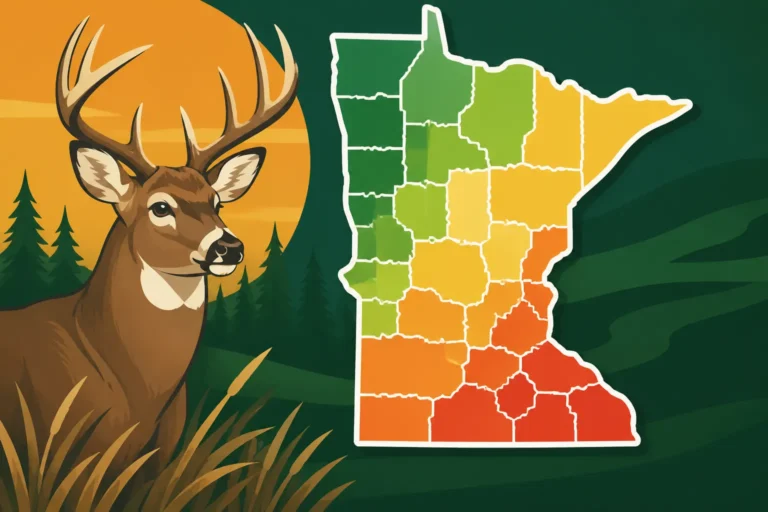
The Minnesota Deer Population Estimate fluctuates annually, influenced by harvest rates, winter severity, and habitat conditions. Historically, Minnesota has maintained a robust deer population, often among the highest in the nation. The DNR sets population goals for each of the state's Deer Permit Areas (DPAs), classifying them as either Intensive, Managed, or Lottery. Intensive areas typically have high deer populations that the DNR wants to reduce, often allowing multiple antlerless tags. Managed areas aim for stable populations, while Lottery areas indicate that the population is below goal, requiring hunters to draw an antlerless tag to take a doe. These classifications are crucial for hunters planning their season, as they dictate bag limits and what kind of Minnesota Deer License Options by Weapon you might need.
The DNR uses various methods to monitor deer populations, including aerial surveys, hunter harvest data, and public input. This data helps them adjust hunting regulations annually, striving for a sustainable harvest that keeps the herd healthy and in balance with the ecosystem. It's a continuous process, and what holds true for the Deer Density by Minnesota Permit Area in one region might be completely different in another. As hunters, staying informed about these changes is part of our responsibility to the resource.
Hunter Harvest and Its Impact
Each fall, hunters play the most significant role in managing Minnesota's deer population. The annual deer harvest provides critical data for the DNR, offering insights into herd health, buck-to-doe ratios, and population distribution. Minnesota typically sees hundreds of thousands of deer harvested each year, a testament to the popularity of deer hunting here. Understanding Minnesota Annual Deer Harvest numbers helps us appreciate the scale of this tradition. High harvest rates in a given area can reduce future populations, especially if too many does are taken, while conservative harvests can allow numbers to rebound.
The DNR encourages hunters to register their deer promptly, whether at a physical station or online, as this data is vital for their models. The information collected—such as sex, age, and location—helps paint a clearer picture of the local herd. For example, knowing Which Minnesota County Kills the Most Deer can give you an idea of areas with high deer densities, but it doesn't always translate to the best trophy hunting. Sometimes, lower density areas might hold older, larger bucks because they face less hunting pressure and have more time to mature.
Challenges to Deer Management
Managing deer populations isn't without its challenges. Chronic Wasting Disease (CWD), severe winter weather, and habitat loss are significant concerns. CWD, a fatal neurological disease, poses a long-term threat to deer health and hunting traditions. The DNR implements CWD surveillance zones and mandatory testing in certain areas to monitor and contain its spread. We'll delve deeper into CWD in a later section.
Habitat loss, primarily due to urban expansion and intensive agriculture, can reduce available forage and cover, concentrating deer into smaller areas and increasing conflicts. Severe winters, particularly in northern Minnesota, can significantly impact deer survival, especially fawns and older animals. When How Severe Winters Hit Northern Deer Herds occurs, the DNR may adjust antlerless quotas or even close seasons to allow the herd to recover. It's a constant balancing act for the DNR, trying to ensure a healthy deer population for both ecological balance and hunting opportunity.
The Impact of Weather and Environment on Deer
If you've spent any time chasing whitetails in Minnesota, you know that the weather isn't just a factor; it's often the factor. From brutal winter blizzards to scorching early-season days, environmental conditions dictate deer movement, feeding patterns, and ultimately, their survival. Ignoring the forecast or failing to adapt your strategy to the conditions is a surefire way to come home disappointed. Deer are masters of adaptation, and understanding their response to the elements is key to consistent success.
Winter Severity and Survival Rates
Minnesota winters are legendary, and for deer, they can be a matter of life or death. Deep snow, prolonged cold, and limited food sources combine to create incredible stress. When snow depths reach critical levels, deer struggle to move efficiently, burning vital calories and making them more vulnerable to predators. The DNR tracks Winter Severity Index (WSI) readings annually, particularly in the northern half of the state. A high WSI indicates a tough winter, which often leads to reduced fawn survival and a decline in overall deer numbers. This can directly impact hunting opportunities in subsequent years, sometimes leading to reduced antlerless permits or even antler point restrictions to allow more bucks to survive.
Deer adapt to winter by seeking thermal cover—often dense conifer stands that block wind and catch snow in their branches, creating shallower depths below. They'll also yard up, gathering in specific areas to minimize energy expenditure. Understanding these wintering habits can be crucial for Scouting Minnesota Public Land Before Season, as signs of heavy winter use can point to areas deer frequent when the snow flies. It's a stark reminder of the resilience of these animals, but also their vulnerability to the extremes of nature.
Food Availability and Seasonal Movement
Deer are driven by their stomachs, and food availability profoundly impacts their movements and behavior throughout the year. In spring and summer, lush green growth provides abundant forage. As fall approaches, their focus shifts to high-calorie foods to build up fat reserves for winter. Hard mast, particularly acorns from red and white oaks, becomes a magnet for deer. Hunters who understand Hunting After a Poor Acorn Year know that deer will shift their focus to other food sources, like standing corn, soybeans, or even browse, if the acorn crop fails. Soft mast, like apples and wild berries, also plays a role in early fall.
Beyond natural forage, agricultural crops are a major draw in much of Minnesota. Cornfields offer both food and incredible bedding cover, while soybean fields provide protein-rich forage. As winter approaches, deer will concentrate on whatever high-energy food sources remain, often returning to browse on woody stems in the deepest woods. These seasonal shifts in diet drive deer movement patterns, creating predictable travel corridors that savvy hunters can exploit. Using tools like the GoHunt app can help you identify these food sources and map out potential ambush points.
Wind, Thermals, and Precipitation
Every experienced hunter knows that wind direction isn't just a suggestion; it's a rule. Deer have an incredible sense of smell, and the wind carries your scent directly to them. Always hunt with the wind in your favor, positioning yourself downwind of where you expect deer to be. This is especially critical when Wind and Thermals on a Minnesota Ridge come into play, as thermals can carry your scent uphill in the morning and downhill in the evening. Understanding these micro-movements of air currents is a skill honed over many hours in the woods.
Precipitation also plays a huge role. A light rain can quiet the woods, making it easier to still-hunt undetected, but heavy rain can send deer to thick cover. Snow, especially fresh snow, is a deer hunter's best friend. It quiets your footsteps, reveals fresh tracks, and can push deer to specific food sources. Tracking a deer in fresh snow can be an incredibly rewarding experience, offering direct evidence of their travel patterns. However, severe weather, like blizzards or intense cold snaps, can cause deer to hunker down, making daytime movement minimal. Hunters need to be flexible and adapt their tactics to the prevailing weather conditions.
CWD and Other Health Challenges
Chronic Wasting Disease (CWD) is undoubtedly the most pressing long-term health threat to Minnesota's white-tailed deer population and, by extension, to our hunting heritage. It’s a somber topic, but one that every hunter needs to understand thoroughly. Beyond CWD, other diseases like Epizootic Hemorrhagic Disease (EHD) also occasionally impact our deer. These health challenges are a stark reminder that we are stewards of this resource, and our actions play a part in its health.
Understanding Chronic Wasting Disease (CWD)
CWD is a fatal, transmissible neurological disease that affects cervids (deer, elk, moose). It's caused by abnormal proteins called prions, which accumulate in the brain and other tissues, leading to progressive degeneration and ultimately death. CWD is not caused by bacteria or viruses. What makes it so concerning is that it can spread through direct animal-to-animal contact, as well as indirectly through contaminated environments (soil, plants, feed, water) where infected animals have shed prions through saliva, urine, and feces. The prions are incredibly persistent in the environment and can remain infectious for years.
The Minnesota DNR has been actively monitoring and managing CWD since its first detection in a wild deer in the state in 2010. The disease has primarily been found in southeastern Minnesota, with isolated cases elsewhere. The DNR has implemented a comprehensive strategy, including Minnesota's Four-Year CWD Testing Rotation in surveillance zones, mandatory testing in CWD management zones, carcass movement restrictions, and bans on feeding and baiting in certain areas. For hunters, it's vital to know if you're hunting in a CWD zone and to comply with all regulations, including submitting samples for testing and adhering to carcass transport rules. Handling deer meat safely, even in non-CWD areas, is always good practice.
DNR Testing and Carcass Movement Restrictions
If you hunt in a CWD-affected area or surveillance zone, you'll likely encounter mandatory or voluntary CWD testing requirements. The DNR provides sampling stations where you can drop off your deer's head for testing. It’s a critical step in understanding the prevalence and spread of the disease. Knowing How Long Minnesota CWD Results Take is important for planning meat processing.
Furthermore, strict carcass movement restrictions are in place to prevent the spread of CWD. Generally, you cannot move a whole deer carcass out of a CWD management or surveillance zone unless it has first been deboned, quartered, or had all high-risk parts (brain, spinal cord, lymph nodes) removed. This means if you harvest a deer in, say, southeastern Minnesota's CWD zone and live in central Minnesota, you can't simply transport the entire deer home. You'll need to process it on-site or at a licensed facility within the zone before transporting it. This might feel like an inconvenience, but it's a necessary measure to protect the rest of the state's deer herd. These regulations are serious, and violations carry penalties. The GoHunt app can be a great resource for quickly checking specific zone boundaries and rules while in the field.
Epizootic Hemorrhagic Disease (EHD) and Other Issues
While CWD is a chronic, slow-moving threat, Epizootic Hemorrhagic Disease (EHD) is an acute, often fatal viral disease that can cause rapid die-offs in deer populations. EHD is transmitted by biting midges, often called "no-see-ums," and typically manifests in late summer and early fall, particularly during drought conditions. Infected deer often develop high fevers, become lethargic, lose their appetite, and show swelling in the head, neck, and tongue. They often seek water to cool down, and many are found dead near ponds, streams, or lakes.
While Minnesota has seen EHD Die-Offs in Minnesota Deer in localized areas, it's not as widespread or persistent a threat as CWD. The good news is that deer that survive EHD can develop immunity, and the disease typically disappears with the first hard frost, which kills the midges. Hunters may encounter deer that show signs of previous EHD infection, such as sloughing hooves, but these deer are safe to eat if they appear otherwise healthy.
Other minor health concerns for deer include things like deer fibromas (warts), which are benign skin tumors caused by a virus and do not affect the meat quality, and various parasites. If you ever find a deer that appears sick or emaciated, it's best to report it to the DNR, who can investigate and monitor for any emerging health issues.
Behavioral Patterns of Minnesota Whitetails
To consistently put venison in the freezer or tag a trophy buck, you need to understand why deer do what they do. Their behavior isn't random; it's a predictable response to their environment, driven by survival instincts, food, cover, and reproduction. From the pre-rut frenzy to the quiet post-rut, knowing these patterns and how they manifest in Minnesota's diverse landscapes is a hunter's most powerful tool.
The Whitetail Rut Cycle in Minnesota
The rut, that magical period of intense deer activity driven by breeding, is the pinnacle of the hunting season for many. In Minnesota, the rut typically kicks into high gear in late October and peaks in early to mid-November, though phases can be observed for longer. Understanding When the Minnesota Rut Peaks is critical for planning your hunts.
- Pre-rut (Late October): This is when bucks start becoming more active, establishing dominance, making scrapes and rubs, and searching for the first estrous does. They're still somewhat cautious but increasingly willing to move during daylight. Grunt calls and rattling can be effective during this phase, as bucks are testing the waters and responding to challenges. This is a fantastic time for hunters to capitalize on increased buck movement.
- Peak Rut (Early to Mid-November): This is the breeding frenzy. Bucks are actively chasing and breeding does, often abandoning their typical cautious behavior. They might travel significant distances and appear almost oblivious to their surroundings. All-day sits in a treestand, especially in areas with good doe populations, can be incredibly productive. This is the period when many of us have our most memorable encounters. While hunting the peak rut in early November, you might see bucks acting in ways you wouldn't expect.
- Post-rut (Late November/Early December): After the intense breeding period, bucks are exhausted and have often lost a significant amount of body weight. Their primary focus shifts back to feeding heavily to recover before winter sets in. They become more nocturnal again and often concentrate around the most abundant remaining food sources. This can be a challenging time to hunt, requiring patience and a focus on late-season food plots or unharvested crops.
Bedding and Feeding Strategies
Deer choose bedding areas for security and comfort, driven by factors like thermal cover, prevailing winds, and proximity to food. In northern Minnesota's Big Woods, bedding areas might be dense conifer swamps, thick clear-cuts, or pockets of mature timber with good undergrowth. Deer often bed on benches or ridges where they can use their senses to detect threats from multiple directions. Learning Where Big Woods Bucks Bed in Minnesota can drastically improve your chances.
In farmland country, deer might bed in incredibly dense cattail sloughs, CRP fields, shelterbelts, or small, isolated woodlots. These areas provide excellent concealment, and deer will often lay down with the wind at their back, watching their downwind approach. Identifying these bedding locations during scouting is crucial for setting up effective ambush points.
Feeding strategies are seasonal. Early season, deer are often found in lush green fields, food plots, or browsing on forbs. As fall progresses, acorns become highly sought after. In agricultural areas, deer will hit corn and soybean fields, often moving into them under the cover of darkness. In the late season, their focus narrows to the highest calorie sources available, whether it's unharvested crops or woody browse. Understanding these patterns allows hunters to anticipate deer movement from bedding to feeding areas.
Response to Hunting Pressure
Minnesota's public lands, especially in popular areas, can see significant hunting pressure, particularly during opening weekends. Deer quickly learn to adapt to this pressure. They become more nocturnal, seeking refuge in the thickest, nastiest cover they can find, and moving during low light or under the cover of darkness. They will also learn to differentiate between human activity and other animal activity, becoming incredibly sensitive to unusual sounds or scents. This is why Hunting Pressure on Minnesota Public Land needs to be taken seriously.
To counter pressured deer, hunters often employ tactics like still-hunting very slowly and quietly, focusing on neglected pockets of cover that other hunters overlook, or going deeper into public land than most are willing to travel. Using ground blinds can also be effective, as they offer concealment and allow you to blend into the environment, especially on field edges. The GoHunt app can help identify those hard-to-reach areas where deer might feel safer. Ultimately, beating pressured deer often comes down to patience, stealth, and a willingness to do what others aren't.
Hunting Strategies Across Minnesota's Landscapes
Hunting white-tailed deer in Minnesota means constantly adapting your approach to the diverse terrain and deer behavior. What works like a charm in a northern forest might fall flat in a southern cornfield. Having a versatile toolkit of strategies, and knowing when and where to deploy them, is the mark of a seasoned Minnesota hunter. It's about being a student of the land and the animal.
Still-Hunting the Northwoods
Still-hunting is perhaps the quintessential Big Woods tactic. It involves moving slowly and deliberately through the timber, pausing frequently to observe your surroundings, listen for subtle sounds, and scan for deer movement. This isn't about covering miles; it's about covering ground quietly and thoughtfully, letting the woods reveal themselves to you. In areas of thick cover, like aspen cuts or conifer swamps, still-hunting allows you to sneak up on bedded deer or catch them moving through dense terrain. Learning Still-Hunting Minnesota Big Woods is a skill that takes years to master, emphasizing stealth, patience, and reading the terrain.
When still-hunting, pay close attention to wind direction, always moving into the wind or with a slight crosswind to keep your scent from preceding you. Focus on areas with fresh sign, like rubs, scrapes, or fresh tracks. Use your binoculars frequently to pick apart thick cover. Remember, deer are more likely to let you walk past them if you're moving consistently but slowly, rather than stopping and starting erratically. This method truly shines when you're trying to find ground others walk past, pushing deep into unpressured territory.
Stand Hunting in Farmland and Transition Zones
In agricultural and transition zones, stand hunting often becomes the dominant strategy. This involves setting up a treestand or ground blind in a strategic location and waiting for deer to move. Key locations include travel corridors between bedding and feeding areas, pinch points, funnels (like a narrow strip of woods between two fields), or edges of food plots. Treestand Setups in Minnesota Hardwoods will look different than those overlooking a wide-open field, but the principles of concealment and wind advantage remain the same.
When setting up a stand, consider your entry and exit routes carefully to minimize disturbance. You want to be able to get to and from your stand without alerting deer in the area. Focus on morning hunts near bedding areas and evening hunts near food sources. Using the GoHunt app for aerial photos to identify these key locations can be incredibly beneficial. Deer in these areas are often quite patterned, and once you identify their routine, a well-placed stand can be deadly. However, remember that deer drives on public land can also be an effective strategy if you have enough hunters.
Deer Drives on Public Land
For many Minnesota hunters, especially during firearm season, deer drives are a time-honored tradition, particularly on public land. A deer drive involves a group of hunters working together: some act as "pushers," moving through a block of cover to push deer, while others act as "standers," positioned strategically to intercept deer fleeing the push. This tactic is especially effective in areas of thick cover, like cattail sloughs, dense swamps, or large woodlots, where deer can easily hide. Deer Drives With Three or Four Hunters require careful planning and communication.
Successful deer drives depend on several factors: intimate knowledge of the terrain (knowing where deer will try to escape), precise communication among the hunters, and safe shot lanes. Standers need to be positioned where they can see deer coming but also have a clear, safe background for their shots. Pushers need to move at a consistent pace, making enough noise to move deer without sending them running blindly. While drives can be loud and disruptive, they can be incredibly effective at dislodging deer that have been holed up and refusing to move.
Trophy Potential and Record Books in Minnesota
Let's be honest, while venison in the freezer is always the primary goal, many of us also dream of tagging a truly magnificent buck. Minnesota has a reputation for producing some absolute giants, particularly from certain regions. Understanding where these big bucks come from and what it takes to find them adds another layer of challenge and excitement to the hunt.
Where Minnesota Grows Big Bucks
While a mature buck can show up anywhere in the state, certain regions consistently produce larger antlers. The southeastern bluff country is often cited as a hotspot for big bucks, thanks to its rugged terrain, diverse habitat, and ample food sources like corn and alfalfa. The challenging landscape allows older bucks to survive and reach their full potential. Similarly, parts of the transition zone, where agricultural food meets secure timber cover, can yield impressive results. Why Southeast Minnesota Grows Big Bucks is a topic of much discussion around campfires, but it generally boils down to age, nutrition, and genetics.
The Big Woods of northern Minnesota, while having lower deer densities, can also produce very large, mature bucks. These deer often have to work harder for their food, and they face predation, making them incredibly tough and wary. While their antlers might not always reach the massive typical scores of farmland bucks, they often possess incredible character and a wild beauty. The key to finding these giants is often through sheer effort and pushing into areas that see minimal human disturbance. Knowing Why the Big Woods Grows Older Bucks offers a unique perspective on these northern deer.
Understanding Boone and Crockett and Pope and Young
When we talk about "trophy" bucks, we're usually referring to deer that meet minimum score requirements for organizations like Boone and Crockett (for firearms) and Pope and Young (for archery). These organizations score antlers based on a precise system that measures things like beam length, tine length, spread, and circumference. A typical white-tailed deer must have a score of at least 170 inches (for B&C) or 125 inches (for P&Y) to be considered for the record books. Non-typical categories exist for those unique, asymmetrical racks.
Minnesota has a rich history of producing record-book whitetails, with entries consistently appearing in both the Boone and Crockett and Pope and Young record books. While achieving these scores is rare, it's a testament to the quality of deer management and the habitat found in Minnesota. For those interested in the details, publications like the Minnesota Deer Record Book or various online resources often compile information on the state's top deer.
Age Structure and Buck Management
The biggest factor in growing big antlers is age. A buck typically won't reach its full antler potential until it's 4.5 years old or older. This is why many hunters and wildlife managers advocate for strategies that allow bucks to mature, such as passing on younger bucks. While the DNR doesn't universally implement antler point restrictions (APRs) in Minnesota, some hunters choose to self-impose them or participate in private land cooperatives that focus on quality deer management.
Understanding the Minnesota Buck Age Structure in your specific hunting area can help you assess the potential. If you're consistently seeing only young bucks, it might mean the area is heavily hunted, or the habitat isn't allowing bucks to mature. Conversely, if you're seeing several 3.5-year-old bucks, it bodes well for the future if they can survive another year or two. This focus on age, coupled with good nutrition and genetics, is what ultimately leads to those truly impressive, heavy-horned trophies that Minnesota is known for.
Conservation and the Future of Minnesota Deer Hunting
Being a Minnesota deer hunter isn't just about the hunt itself; it's about being a steward of the land and the wildlife that calls it home. The future of our hunting traditions and the health of the white-tailed deer population depend on ongoing conservation efforts, habitat preservation, and responsible hunter behavior. We all have a role to play in ensuring that future generations can experience the thrill of chasing whitetails across this beautiful state.
Funding Conservation Through Hunting Licenses
Perhaps the most direct way hunters contribute to conservation is through the purchase of hunting licenses, stamps, and fees. The funds generated from these sales go directly to the Minnesota DNR, supporting a vast array of wildlife management programs. This includes deer population surveys, habitat improvement projects on public lands, disease monitoring (like CWD surveillance), law enforcement, and hunter education initiatives. Every time you buy a Minnesota Resident Deer License Cost or any other hunting permit, you're directly investing in the future of wildlife in Minnesota. This "user pays, beneficiary benefits" model is a cornerstone of wildlife conservation in North America.
Beyond license fees, many hunters also contribute through organizations like Pheasants Forever, Ducks Unlimited, the Rocky Mountain Elk Foundation, and the Minnesota Deer Hunters Association. These groups work to enhance habitat, advocate for wildlife-friendly policies, and educate the public about conservation. Their efforts are crucial in supplementing the work of state agencies.
Habitat Preservation and Restoration Efforts
Healthy deer populations rely on healthy habitat—a mosaic of food, water, and cover. Unfortunately, habitat faces constant threats from urban development, intensive agriculture, and fragmentation. Conservation efforts focus on preserving existing wild spaces and restoring degraded habitats. This includes initiatives on Wildlife Management Areas (WMAs), State Forests, and other public lands to conduct prescribed burns, timber harvests that create early successional growth, and planting native vegetation. Understanding how Minnesota Wildlife Management Areas are managed can give you insight into where deer thrive.
Private landowners also play a crucial role. Programs like the Conservation Reserve Program (CRP) pay landowners to convert marginal cropland into grasslands or tree plantings, providing vital cover and forage for deer and other wildlife. Encouraging sustainable forestry practices and advocating for responsible land use are all part of the larger picture of ensuring deer have the resources they need to thrive.
The Role of Responsible Hunting and Ethics
Ethical hunting practices are paramount to public perception and the long-term sustainability of deer hunting. This includes following all hunting regulations, knowing your target and your backdrop, making clean and humane shots, and properly Field Dressing a Deer in Cold Weather. It also means respecting private property, asking for permission, and demonstrating responsible behavior whether on public or private land.
Participating in hunter education, mentoring new hunters through programs like Minnesota Mentored Youth Hunting Rules, and being an ambassador for the sport are all ways to contribute positively. As hunters, we are often the first line of defense against poaching and illegal activities; reporting suspicious behavior to the DNR's Turn In Poachers (TIP) line helps protect the resource. Ultimately, the future of white-tailed deer across Minnesota, and the opportunity to hunt them, rests on a collective commitment to conservation, ethics, and a deep respect for the natural world.
Disclaimer
The information provided in this guide is for informational and educational purposes only. Hunting regulations, seasons, and permit area designations can change frequently. Always consult the official Minnesota Department of Natural Resources (DNR) website and current hunting regulations pamphlet before planning any hunting activity. It is the individual hunter's responsibility to know and follow all applicable laws and regulations.