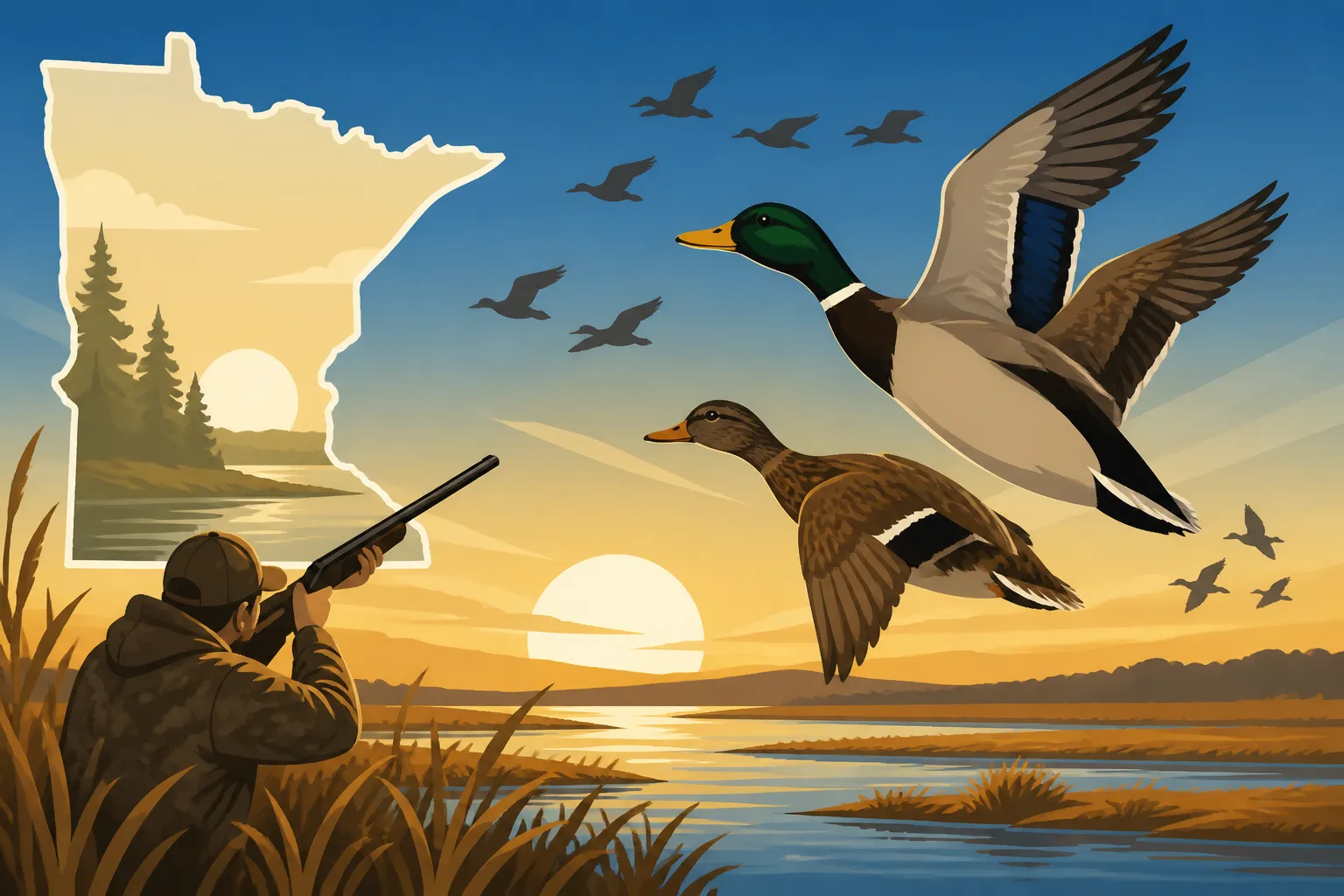
Minnesota Waterfowl on the Mississippi Flyway
Oh, the crisp bite of a Minnesota autumn morning, the whistle of wings overhead, and the distant chuckle of a mallard. There's nothing quite like waterfowl hunting here in the Land of 10,000 Lakes, but let's be real, it can be incredibly frustrating trying to figure out where the birds are, what they're doing, and how to even begin making sense of all the regulations. If you've ever felt like you're chasing ghosts, spending more time driving than hunting, or just plain confused by duck zones, you're not alone. This guide is going to peel back the layers and give you a comprehensive look at what makes Minnesota a waterfowl hunter's paradise, how to navigate its complexities, and ultimately, how to be more successful on the water.
Minnesota's Prime Position on the Mississippi Flyway
Minnesota occupies a truly unique and enviable spot directly within the mighty Mississippi Flyway, a superhighway for migratory birds that stretches from the Arctic breeding grounds all the way down to the Gulf Coast and beyond. This isn't just a fancy term; it's the very backbone of our waterfowl hunting heritage and success. When you understand the significance of this flyway, you start to grasp why some years are boom times and others feel like you're hunting in a desert. The weather patterns to our north, the water levels in Canada, and even agricultural practices hundreds of miles away all play a role in what we see here in Minnesota.
Understanding the Flyway's Significance
Think of the Mississippi Flyway as a massive funnel, drawing birds from a huge continental expanse and concentrating them through a relatively narrow band of wetlands, rivers, and lakes. Minnesota is positioned right in the middle of that funnel, making us a critical staging and feeding area for millions of ducks, geese, and other migratory birds. This means our state often experiences waves of new birds moving through, sometimes daily, especially during peak migration. It's a dynamic environment, always changing, which can be both exhilarating and challenging. One day a marsh can be empty, and the next, it's alive with thousands of new arrivals, fueled by a northern cold front.
This strategic location means we aren't just hunting birds that bred locally, though we have plenty of those too. We're part of a much larger, continent-spanning phenomenon. Hunters often dream of those "flights" of northern birds, the ones that are naive and ravenous after a long journey, eager to pitch into a decoy spread. Understanding the rhythm of these movements is key to maximizing your time afield. You can learn more about specific migration timings by checking out our guide on Minnesota Waterfowl Migration Timing.
Key Migration Corridors Through Minnesota
While the entire state benefits from its position on the flyway, certain geographic features act as particularly strong magnets for migrating waterfowl. The most obvious is the Mississippi River itself, which carves a path through the eastern half of the state, creating an invaluable corridor of backwaters, sloughs, and adjacent agricultural fields. Ducks and geese will follow this river system, pausing to rest and feed in its abundant habitats. Towns like Wabasha and La Crosse become hotbeds of activity as birds stage on the wider pools.
Beyond the Mississippi, western Minnesota’s prairie pothole region is another powerhouse. This landscape, dotted with countless small wetlands and surrounded by rich farmland, serves as a crucial stopover point for ducks pushing south from the Dakotas and Canadian prairies. Large lakes like Lac qui Parle, Lake Traverse, and other large bodies of water further north also become massive staging areas where tens of thousands of birds can congregate before continuing their journey. These areas are not just hunting grounds; they're vital ecological infrastructure for the entire flyway.
The Impact of Geography on Waterfowl Movement
Minnesota's varied geography directly influences how and where waterfowl move. The vast expanses of northern Minnesota's boreal forests and the Canadian Shield don't hold the same allure for migrating ducks and geese as the prairie regions or the Mississippi River valley. While you'll find local birds and some dabblers in the northern timbered marshes, the sheer volume of birds typically follows the more open, agricultural landscapes and major water features. The western and central portions of the state, with their mix of farmlands and wetlands, tend to see a higher concentration of both dabbling and diving ducks.
The numerous lakes throughout the state also play a role, acting as both refuges and feeding grounds. Large, deep lakes can attract divers, while shallow, marshy lakes draw dabblers. Knowing your local geography and how it relates to these broader flyway patterns is crucial. For instance, a small marsh near a harvested cornfield in central Minnesota might hold birds for a few days, but a significant push of new birds will often settle on a larger, more secure body of water first before fanning out. This intimate understanding often comes from years of experience, but modern mapping tools like those offered by GoHunt can give you a leg up by helping you identify these key geographical features and potential holding areas before you even step foot in the field.
Major Waterfowl Species You'll Encounter in Minnesota
Minnesota's position on the Mississippi Flyway means we're blessed with an incredible diversity of waterfowl throughout the season. From the earliest teal zipping through in September to the late-season mallards hunkering down in frozen sloughs, there's always something to chase. Understanding the habits and preferred habitats of each species is paramount to successful hunting. You can't hunt a diver the same way you hunt a wood duck, and trying to do so will likely lead to frustration.
Dabbling Ducks: Mallards, Wood Ducks, and Teal
Dabblers are arguably the most common and sought-after ducks in Minnesota. They feed by "dabbling" or tipping up in shallow water, not fully submerging.
- Mallards: The king of ducks, mallards are abundant across Minnesota. They're highly adaptable, found in everything from small potholes to vast agricultural fields. Early season mallards are often local birds, while later in the season, big, green-headed northern drakes arrive in force. Their diet shifts with the season, from aquatic invertebrates and seeds to waste grain in harvested fields. Mallards are vocal, respond well to calling, and decoy readily if the spread looks natural and they feel safe. Hunting these birds often involves careful blind placement, especially when hunting Layout Blind Hunting Minnesota Farm Fields or setting up in marshy cover.
- Wood Ducks: These stunning ducks are early-season favorites, often found in wooded swamps, timbered sloughs, and slow-moving rivers. They feed on acorns, aquatic plants, and insects. Wood ducks don't typically respond to calling like mallards, and their flights are often fast and erratic, especially around timber. They roost in trees and often feed early and late in the day. Their beauty and the challenge of hunting them in dense cover make them a prize for many hunters. You'll find them in abundance in the river systems and smaller wooded potholes, especially early in the season before the really cold weather hits.
- Teal (Blue-winged and Green-winged): Minnesota sees both blue-winged and green-winged teal. Blue-wings are early migrators, often pushing south in September, making the early teal season a sprint. Green-wings typically arrive later, often with the first cold fronts of October, and will stick around a bit longer. Both are small, incredibly fast-flying ducks that offer challenging shooting. They prefer shallow, vegetated wetlands and potholes. They're often hunted over small decoy spreads, and their erratic flight patterns make them tough to hit. Knowing Minnesota Early Teal Season Dates is crucial for these speedsters.
Diving Ducks: Ringnecks, Bluebills, and Canvasbacks
Diving ducks present a completely different challenge and often prefer different habitats than their dabbling cousins. As their name suggests, they dive underwater to feed on aquatic vegetation, mollusks, and insects.
- Ring-necked Ducks (Ringnecks): These are common divers across Minnesota, especially on smaller, shallower lakes and ponds. They often raft up in large numbers and can be found in bays and coves. They decoy well, especially to spreads that mimic a large raft of birds. Ringnecks are often a great indicator of a strong diver migration. They can be very aggressive coming into a spread, sometimes almost too eager, offering fast-paced shooting.
- Lesser Scaup (Bluebills): Known affectionately as "bluebills," these divers often come through Minnesota in huge numbers during October and November, especially on larger, deeper lakes like Mille Lacs. They prefer open water and feed on mussels and other invertebrates. Bluebills fly in tight flocks, often low over the water, and can be tough to decoy unless you have a massive spread mimicking a large raft. Hunting them can be a cold, challenging affair on big water, but the reward of a big bluebill flight is unforgettable. For serious diver hunters, understanding Diver Hunting on Mille Lacs Open Water is essential.
- Canvasbacks: The "King of Ducks" for many diver enthusiasts, canvasbacks are large, powerful flyers with distinctive wedge-shaped heads. They prefer wild celery and other submerged aquatic vegetation found in clearer, deeper lakes and rivers. Canvies are often wary and require large, realistic decoy spreads and perfect camouflage. They are a true trophy bird for many, and their numbers can fluctuate year to year depending on habitat conditions along the flyway. Finding a solid canvasback hunt in Minnesota is a special experience, often requiring significant scouting and effort on those big waters.
Geese: Canada, Snow, and Ross's Geese
Goose hunting in Minnesota offers another incredible opportunity, from resident giants to Arctic migrants.
- Canada Geese: Minnesota has a thriving population of resident Canada geese, offering consistent hunting opportunities from early September through the late season. Beyond our locals, migratory Canadas also pass through, often in massive V-formations, pausing in agricultural fields and on large bodies of water. These birds are intelligent and wary, requiring excellent camouflage, realistic decoys, and precise calling. Learning to distinguish between local and migratory populations and adapting your tactics is key. Our guide on Canada Geese on Minnesota Farmland dives deeper into targeting these birds.
- Snow and Ross's Geese: These "light geese" are distinct from Canadas, flying in huge, chaotic flocks and often creating a deafening din. While not as prevalent in Minnesota as in some other flyway states further south, we do see significant pushes, especially in western Minnesota. They are extremely wary, and hunting them effectively often requires massive decoy spreads (hundreds, even thousands, of decoys) and specialized calling. They are often targeted in open agricultural fields where they feed voraciously. While challenging, a successful snow goose hunt is a truly unique experience.
Other Migratory Birds: Swans and Sandhill Cranes
While typically not game birds in Minnesota, it's worth noting that you'll also encounter stunning tundra swans and majestic sandhill cranes during waterfowl season. Swans are federally protected and illegal to hunt. Sandhill cranes are not currently a game bird in Minnesota, though their population is healthy and growing, sparking occasional discussion among hunters. Observing these magnificent birds adds to the richness of the waterfowl experience, reminding us of the incredible biodiversity that relies on the Mississippi Flyway.
Habitat is King: Where Waterfowl Concentrate in Minnesota
You could have the best decoys, the most expensive shotgun, and call like a champion, but if you're not where the birds want to be, you're just sightseeing. Understanding waterfowl habitat preferences and how they change throughout the season is the most critical skill a Minnesota hunter can develop. The birds need three things: food, water, and security. Where they find these in abundance is where you'll find them.
Prairie Potholes and Western Minnesota Wetlands
The prairie pothole region of western Minnesota is often considered the duck factory of the state. This landscape, a legacy of glacial activity, is characterized by thousands of small, shallow depressions that collect water, forming temporary and semi-permanent wetlands. These potholes are incredibly productive, teeming with aquatic invertebrates and emergent vegetation that provide crucial food sources for breeding hens and migrating broods.
Hunters in this region often focus on these smaller water bodies, especially early in the season. A key tactic is "pothole jumping" or carefully scouting these smaller wetlands for fresh bird activity. The beauty of these areas is that they can hold tremendous numbers of birds, but they are also highly susceptible to drought. In wet years, the hunting can be phenomenal; in dry years, birds may bypass the region entirely, pushing to larger, more stable waters. Using tools like GoHunt can help you identify these ephemeral water sources and track public access points within this checkerboard landscape. You might even find some excellent Minnesota's Prairie Pothole Ducks hiding in plain sight.
Large Lakes and River Systems
Minnesota's larger lakes and extensive river systems provide a different, yet equally vital, type of waterfowl habitat. Lakes like Mille Lacs, Winnibigoshish, and other large bodies of water become critical staging areas for diving ducks, especially later in the season as smaller waters freeze up. These deep, open waters offer security and abundant food sources like mussels and submerged aquatic vegetation.
The Mississippi River, particularly its vast backwater complexes and the numerous smaller rivers that feed into it, acts as a primary migration corridor and a haven for both dabblers and divers. Areas like the Mississippi River backwaters near Weaver, or the lower sections of the Minnesota and St. Croix Rivers, can hold incredible numbers of ducks and geese. Hunting these larger systems often requires specialized gear, such as marsh boats, layout boats, or sturdy waders, as well as a keen understanding of current, wind, and water levels. The sheer scale can be daunting, but the rewards can be immense, particularly when a big flight pushes down the river. You can find more targeted information on Hunting the Mississippi River Backwaters for specific techniques.
Agricultural Fields and Feed Routes
In many parts of Minnesota, especially the central and southern agricultural zones, harvested corn and soybean fields become indispensable feeding grounds for both ducks and geese. Mallards, pintails, and various goose species will regularly "field feed," leaving their secure water roosts at dawn and dusk to gorge on waste grain. These fields offer a high-calorie, easily accessible food source that is vital for fueling migration.
Hunting these agricultural fields requires different tactics. It's often a game of scouting, gaining permission (if on private land), and employing field blinds or layout blinds with large spreads of decoys. Understanding flight lines, preferred entry points, and wind direction is critical. Birds using these fields are often incredibly wary, having been hunted over many times. Observing which fields birds are using day after day is the first step, and using a mapping application to note landowner information and access points is invaluable.
Timbered Marshes and Wooded Swamps
While not as widespread as prairie potholes or open farmlands, timbered marshes and wooded swamps, particularly in central and northern Minnesota, offer fantastic habitat for certain species, most notably wood ducks and sometimes mallards. These areas, often characterized by standing timber, dense shrubbery, and shallow water, provide excellent cover and unique food sources like acorns.
Hunting these areas often means a different approach: smaller decoy spreads, jump shooting techniques, or patiently waiting in a natural blind along a known flight path. The shooting can be fast and furious, with birds weaving through trees. These spots can also be less pressured than open water or field setups because they are harder to access and require a specific style of hunting. Finding a hidden beaver pond or a secluded flooded timber pocket can lead to some of the most memorable hunts, often yielding beautiful wood ducks.
Navigating Minnesota's Waterfowl Seasons and Zones
Minnesota’s waterfowl regulations can feel like a labyrinth, especially for new hunters or those accustomed to simpler rules in other states. With different zones, early seasons, and specific bag limits, it’s crucial to do your homework. Trust me, showing up without knowing your zone or the correct dates is a surefire way to ruin a hunt and potentially get yourself into trouble. The Minnesota DNR works hard to manage these seasons to balance hunter opportunity with waterfowl conservation, and understanding their logic helps you make the most of your time.
Understanding the Three Duck Zones
Minnesota is divided into three distinct duck zones: the North Zone, Central Zone, and South Zone. These zones are designed to align season dates with the progression of waterfowl migration across the state. Typically, the North Zone opens first, followed by the Central, and then the South. This staggered opener allows hunters to pursue birds as they move south, but it also means you need to be acutely aware of which zone you're in.
For instance, hunting the early part of the season in the North Zone might focus on local birds and early migrators like blue-winged teal and wood ducks. As cold fronts push south, the Central and then the South Zones become active with new waves of birds. Knowing Minnesota Duck Zone Boundaries is absolutely essential, as crossing into a different zone on the wrong date means you're illegally hunting. This is where a reliable mapping app, like GoHunt, with integrated land and zone boundaries, becomes an indispensable tool. You can easily see which zone you're in, right there on your phone.
Early Teal and Early Goose Seasons
Before the regular duck season even begins, Minnesota offers exciting early opportunities for specific species.
- Early Teal Season: This special season, usually in early September, allows hunters to target blue-winged and green-winged teal before the general duck opener. It’s a fast-paced hunt, often in warm weather, and focuses on the shallow wetlands and potholes where teal concentrate. The daily bag limit is generous, but accurate identification is paramount—you cannot shoot other duck species during this period. Many hunters relish this season as a way to shake off the rust and get an early taste of waterfowl action. Knowing the Minnesota Early Teal Season Dates is key to planning for this quick but thrilling hunt.
- Early Goose Season: Often running concurrent with or just prior to the early teal season, the early goose season targets Minnesota’s abundant resident Canada goose population. This season helps manage local goose numbers and offers hunters an opportunity to fill their freezer before the peak waterfowl migration. These hunts typically take place in agricultural fields or on smaller bodies of water where resident geese feed and roost. Tactics often involve setting up near known feeding areas or flight paths, and success hinges on good scouting and calling. Check out Minnesota Early Goose Season Dates for the exact times.
Regular Season Structure and Bag Limits
The regular duck and goose seasons typically run from late September or early October into November and sometimes December, depending on the zone and weather. The daily bag limit for ducks is a composite limit, meaning you can take a certain total number of ducks, but within that total, there are species-specific restrictions. For example, you might be allowed six ducks total, but only two mallard hens, one pintail, or two redheads. These restrictions are based on population status and conservation efforts.
Goose limits are generally higher and might also have specific restrictions on species like Canada geese, snow geese, and white-fronted geese. It's crucial to consult the annual Minnesota Waterfowl Hunting Regulations booklet or the DNR website for the most up-to-date and precise information. These limits can change year to year based on breeding surveys and continental population assessments. Ignorance of the law is never an excuse, so double-checking the Minnesota Duck Daily Bag Limit before each hunt is non-negotiable.
Special Considerations: Youth Waterfowl Weekends
Minnesota offers special youth waterfowl hunting weekends, typically a week or two before the regular season opener in each zone. These weekends provide a fantastic opportunity for young hunters (usually under 16) to hunt ducks and geese without competition from adult hunters. It's a mentored hunt, meaning an adult must accompany them, but the adult cannot hunt themselves.
These weekends are invaluable for introducing the next generation to the joys and ethics of waterfowl hunting. The reduced pressure can lead to some incredible experiences for kids, helping them develop their skills and passion for the sport. If you have a young hunter in your life, definitely look into these dates. It’s a fantastic way to foster a lifelong love of the outdoors and pass on our hunting heritage.
Essential Gear and Tactics for Minnesota Waterfowlers
Waterfowl hunting in Minnesota, particularly on its diverse landscape, demands a specific array of gear and a versatile toolkit of tactics. You simply can't show up with a couple of old decoys and expect consistent success, especially when targeting different species in various habitats. From dealing with fickle birds to unpredictable weather, having the right equipment and knowing how to use it makes all the difference between a successful hunt and a cold, wet morning.
Decoy Strategies for Different Species and Habitats
Decoys are the primary tool for attracting waterfowl, but "one size fits all" is a myth. Your decoy strategy needs to adapt to the species you're targeting and the habitat you're hunting.
- Dabblers (Mallards, Wood Ducks, Teal): For dabblers in smaller potholes or shallow marshes, a spread of 1-2 dozen realistic mallard and pintail decoys, with a few active feeders or a spinning wing decoy, can be highly effective. The goal is to create a "landing strip" in a realistic-looking feeding zone. In timbered swamps for wood ducks, even fewer decoys are needed, sometimes just a half-dozen wood duck blocks tied to stumps. The key is realism and mimicking natural behavior.
- Divers (Bluebills, Ringnecks, Canvasbacks): When hunting divers on larger, open water, you often need much larger spreads. Divers are gregarious and feel secure in numbers. Spreads of 50-100+ diver decoys, typically a mix of bluebills, ringnecks, and canvasbacks, set in large rafts or lines, are common. The goal is to create a visible mass of birds from a distance that looks safe and inviting. Long lines and Texas rigs are popular for quick deployment and retrieval on big water. Dive into specific layouts with our article on Decoy Spreads for Minnesota Divers.
- Geese (Canadas, Snows): Goose hunting in fields often requires the largest spreads. For wary Canada geese, hunters might deploy 2-4 dozen full-body or shell decoys, carefully spaced to look natural, with a few sentries. For snow geese, the spreads can number in the hundreds or even thousands, often using silhouettes, socks, and full bodies to create a massive, visible "blob" that simulates a large feeding flock. Motion decoys are also very effective for geese, providing that extra bit of realism.
Blind Setups: Layouts, Marsh Blinds, and Boat Blinds
Just as important as decoys is hiding yourself effectively. Waterfowl have incredible eyesight.
- Layout Blinds: These low-profile blinds are essential for hunting open agricultural fields for geese and field-feeding ducks. You lie down in the blind, which is brushed in to blend seamlessly with the stubble, becoming virtually invisible. When birds commit, you sit up for the shot. Effectiveness hinges on meticulous brushing and positioning the blind so hunters are shooting with the sun at their backs. For specific strategies, look up Layout Blind Hunting Minnesota Farm Fields.
- Marsh Blinds: For wetland hunting, marsh blinds can range from natural hides constructed from local vegetation to portable panel blinds. The key is to blend into the existing environment. Sitting within dense cattails, bulrushes, or willow thickets can be very effective. Sometimes, simply finding a natural depression or a clump of cover and staying perfectly still is enough.
- Boat Blinds: When hunting larger lakes, rivers, or open sloughs, a boat blind attached to a duck boat becomes your mobile hide. These blinds are typically framed with camouflage fabric and brushed in with local vegetation. They allow you to access harder-to-reach areas and adapt your setup to wind shifts. Having a stable, well-camouflaged boat is critical for comfort and concealment, especially on the big water.
Shotgun and Ammunition Choices
The right firearm and ammunition are critical for ethical and effective waterfowl hunting.
- Shotguns: Most waterfowl hunters use 12-gauge shotguns, often semi-automatics or pump-actions, which allow for quick follow-up shots. Some hunters prefer 20-gauge for lighter recoil, especially for youth. The key features are reliability in wet, cold conditions, and the ability to handle various loads. A common barrel length is 26-28 inches, offering a good balance of swing and maneuverability.
- Ammunition: By federal law, you must use nontoxic shot for all waterfowl hunting. Steel shot is the most common and affordable option, but denser alternatives like bismuth or tungsten-matrix shot offer superior performance, especially at longer ranges, though at a higher cost. Shot size depends on the species: typically BB or BBB for geese, and #2 or #3 for ducks. Patterning your shotgun with your chosen load and choke is essential to ensure a dense, effective pattern at typical shooting distances. For detailed info, see Where Nontoxic Shot Is Required in Minnesota.
Retriever Dogs and Their Role
A good retriever is more than just a hunting companion; they are an invaluable asset, often turning a missed retrieve into a recovered bird and reducing crippling losses.
- Ethical Recovery: A well-trained dog ensures that downed birds are quickly found and brought back, even in thick cover or cold water, fulfilling an ethical responsibility to recover every bird. This is especially true for diving ducks that can swim a long distance when crippled.
- Increased Success: Dogs allow hunters to attempt shots at birds over deeper water or into dense cover that would be impossible for a human to retrieve efficiently. This opens up more hunting opportunities.
- Companionship: Beyond utility, the bond with a retrieving dog in the duck blind is one of the most cherished aspects of waterfowl hunting. Their enthusiasm and dedication add a whole new dimension to the experience. Training is an ongoing process, but a well-behaved and skilled retriever is worth their weight in gold.
Scouting, Calling, and Ethical Hunting Practices
Successful waterfowl hunting is an art form, a blend of science, observation, and skill. It's not just about having the right gear; it's about knowing when and how to deploy it, and doing so with respect for the resource. Many hunters spend more time scouting than they do actually shooting, and for good reason – preparation truly is everything in this game.
The Importance of Pre-Season and In-Season Scouting
Scouting is, without exaggeration, the single most critical factor in consistent waterfowl hunting success. You simply cannot expect to randomly pick a spot and find birds, especially on pressured public land.
- Pre-Season Scouting: Before the season even opens, driving backroads, using optics to scan fields, and checking water levels in marshes can provide invaluable insights. Look for high-traffic flight corridors, preferred feeding fields, and areas where birds are undisturbed. Note where water levels might be changing and which areas are holding water consistently. Mapping tools like GoHunt are incredible for this, allowing you to mark potential hotspots and access points, and identify public lands like Wildlife Management Areas. Our guide on Scouting Minnesota Public Land Before Season offers even more depth on this.
- In-Season Scouting: Waterfowl are dynamic; what was hot last week might be cold today due to weather, hunting pressure, or new food sources. In-season scouting means dedicating time, often mid-day, to observe bird movements. Are they flying low or high? Are they using a particular field? Where are they resting? What direction are they coming from? This constant adaptation based on fresh intel is what separates consistently successful hunters from those who just get lucky. If you're hunting a particular pothole, keep an eye out for Reading a Pothole for a Morning Flight.
Effective Calling for Minnesota Waterfowl
Calling is another essential skill, but it’s often misunderstood. The goal of calling is not to "talk ducks," but to attract attention and reassure incoming birds that your spread is a safe place to land.
- Mallard Calling: The mallard call is the most common. Learn the basic "hail call" to get attention, the "come-back call" for birds that pass, and the softer "feed call" or "cluck" to finish birds that are working your spread. Less is often more with calling; over-calling can spook wary birds. Listen to real ducks, mimic their cadence, and call with confidence.
- Goose Calling: Canada goose calls come in various forms (short-reed, flute). Learning the fundamental honks, clucks, and moans is crucial. Like ducks, volume and urgency vary with the situation. A loud, aggressive call might be needed to pull distant birds, while soft murmurs are best for close-in birds.
- Species-Specific Calls: While less common, calls for wood ducks, pintails, or wigeon can add realism to your spread, especially if those birds are present. However, mastering mallard and goose calls should be your priority. Remember, a perfectly placed decoy spread and good concealment will always trump subpar calling.
Ethical Shot Placement and Bird Recovery
Ethics are at the core of responsible hunting. For waterfowl, this means taking clean shots and recovering every downed bird.
- Shot Placement: The ideal shot for a flying duck or goose is a head-on or quartering-away shot, aiming for the vitals. Avoid "sky-busting" – taking excessively long shots that result in crippled birds that fly off and are never recovered. Wait for birds to be within ethical range (typically 30-45 yards, depending on your load and skill) before pulling the trigger. This maximizes the chance of a clean kill.
- Bird Recovery: As soon as a bird is down, mark its location precisely. Keep your eyes on it until it lands or splashes. If you're hunting with a retriever, send them immediately. If not, be prepared to wade, paddle, or walk to retrieve the bird quickly. Crippled birds can dive or run, so follow up rapidly and be prepared for a second shot. Leaving a wounded bird to suffer is a failure of ethical hunting.
- HIP Certification and Federal Duck Stamp: Every migratory bird hunter in Minnesota, regardless of age, must be Harvest Information Program (HIP) certified. This is a federal requirement that helps gather data on hunter activity. Additionally, hunters aged 16 and older must purchase a Federal Duck Stamp, with 98% of the proceeds going directly to conservation efforts. These are non-negotiable requirements that support the very resource we love to hunt. You can find more details on Minnesota HIP Certification for Bird Hunters and Minnesota Federal Duck Stamp Requirement.
Public Land Pressure and Finding Solitude
Minnesota has a fantastic amount of public hunting land, but with that comes pressure, especially on opening weekend or popular areas. It's a real frustration to show up to your favorite spot only to find three other groups set up.
- Early Bird Gets the Worm: For popular WMAs or accessible spots, arriving well before first light is often necessary to secure a good location.
- Walk Further: Many hunters stop at the first easy-to-access spot. Often, walking an extra half-mile or packing in to a less accessible area can yield significantly less pressure and better hunting. Don't be afraid to put in the legwork.
- Scout Unique Spots: Look for overlooked pockets of habitat: small, difficult-to-access sloughs, backwater cuts that require a canoe, or timbered areas that deter most hunters. These places often hold birds that are less pressured. A good mapping tool can show you remote corners of public land others walk past. Understanding Hunting Pressure on Minnesota Public Land is a key to success.
Conservation Efforts and the Future of Minnesota Waterfowl Hunting
Waterfowl hunting in Minnesota, and across North America, is inextricably linked to conservation. Without the tireless efforts of countless individuals and organizations, the robust populations we enjoy today simply wouldn't exist. As hunters, we have a profound responsibility to support these efforts and ensure a thriving future for both the birds and our hunting heritage. The challenges are real, but so is the dedication to overcoming them.
Wetland Restoration and Habitat Programs
The backbone of waterfowl conservation is habitat. Ducks and geese rely on healthy wetlands and associated uplands for breeding, nesting, feeding, and resting during migration. Unfortunately, agricultural expansion, development, and climate change have led to significant wetland loss over the past century.
- Ducks Unlimited (DU): This organization is a powerhouse in wetland conservation, having conserved millions of acres across North America. Their work in Minnesota focuses on restoring drained wetlands, enhancing existing ones, and protecting critical breeding and staging areas. Funds from hunters, including Federal Duck Stamp sales, directly support DU's on-the-ground projects.
- U.S. Fish and Wildlife Service (USFWS): Through programs like the Waterfowl Production Area (WPA) system, the USFWS actively acquires and manages wetland and grassland habitats, particularly in the prairie pothole regions of western Minnesota. These WPAs are often open to public hunting and are vital for breeding waterfowl.
- Minnesota Department of Natural Resources (DNR): The DNR manages numerous Wildlife Management Areas (WMAs) and implements programs to restore and enhance wetlands on both public and private lands. These state-led efforts are critical for maintaining local waterfowl populations and providing public hunting access. You can find out more about how these are managed in our article on How Minnesota WMAs Are Managed.
Hunter Contributions and Funding
It's a fact often overlooked by non-hunters: hunters are the primary funders of wildlife conservation in North America. We don't just consume a resource; we actively pay for its preservation and enhancement.
- Federal Duck Stamp: Every waterfowl hunter aged 16 and older must purchase a Federal Migratory Bird Hunting and Conservation Stamp (the "Duck Stamp"). As mentioned, 98 cents of every dollar from the sale of these stamps goes directly to acquire and protect wetlands and wildlife habitat. This program has conserved millions of acres since its inception in 1934.
- Excise Taxes (Pittman-Robertson Act): When you buy a firearm, ammunition, or archery equipment, an excise tax is levied on those purchases. These funds are then distributed to state wildlife agencies (like the Minnesota DNR) for wildlife restoration, habitat acquisition, and hunter education programs. This "user-pays, beneficiary-benefits" model is a uniquely American success story.
- State Licenses and Stamps: A portion of the revenue from state hunting licenses and migratory bird stamps also directly funds waterfowl management, research, and habitat work within Minnesota. Our guide on Minnesota Hunting Licenses and What They Cost gives a full breakdown of the financial commitment involved.
Navigating Challenges: Climate Change and Disease
While conservation efforts have been incredibly successful, waterfowl populations and hunting opportunities face ongoing threats.
- Climate Change: Shifting weather patterns can impact nesting success on the breeding grounds (e.g., severe droughts or intense rainfall events), alter migration timing, and affect the availability of wintering habitat. Warmer winters in Minnesota can delay freeze-up, but also shorten the period birds stay. Unpredictable weather makes planning harder.
- Disease: Avian influenza and botulism are recurring threats to waterfowl. Outbreaks can decimate local populations and even impact migration patterns. Wildlife managers closely monitor these diseases, and hunters have a role to play in reporting sick or dead birds to the DNR to help track and mitigate outbreaks. For example, recent years have seen increased concerns about Avian Influenza in Minnesota Birds.
- Habitat Loss: Despite restoration efforts, ongoing wetland and grassland destruction due to agricultural conversion, urban sprawl, and infrastructure development continues to be a significant challenge. Protecting existing habitat and restoring degraded areas remains a top priority.
The future of Minnesota waterfowl hunting depends on continued vigilance, adaptive management, and the unwavering support of hunters. By understanding these challenges and contributing to the solutions, we ensure that the thrill of a Minnesota duck or goose hunt will be there for generations to come.
Disclaimer
This article is for informational purposes only and does not constitute legal advice. Hunting regulations, seasons, and licensing requirements in Minnesota can change frequently. Always consult the most current official Minnesota Department of Natural Resources (DNR) regulations and guidelines before planning or engaging in any hunting activities. Ensure you have all necessary licenses, stamps, and permits. Safety is paramount; always follow firearms safety rules and hunt ethically.