How Severe Winters Hit Northern Deer Herds
For hunters across Minnesota, especially those of us who spend our autumns in the Big Woods of the north, the severity of winter isn't just a matter of bundling up – it's a critical factor that can make or break the local deer herd. We've all seen those brutal winters, the kind that pile up snow for months and plunge temperatures below zero for weeks on end, and we instinctively know what that means for our whitetails. This guide dives deep into the profound and lasting impacts these harsh Minnesota winters have on northern deer herds, from immediate survival challenges to long-term population shifts and how it ultimately affects our hunting seasons.
The Immediate Toll of a Harsh Minnesota Winter on Deer
When the snow starts piling up and the mercury drops, the challenge for northern Minnesota deer isn't just about finding food; it's about sheer survival against overwhelming odds. A severe winter can be an absolutely brutal culling event, testing every ounce of a deer's resilience.
Direct Mortality: Starvation and Exposure
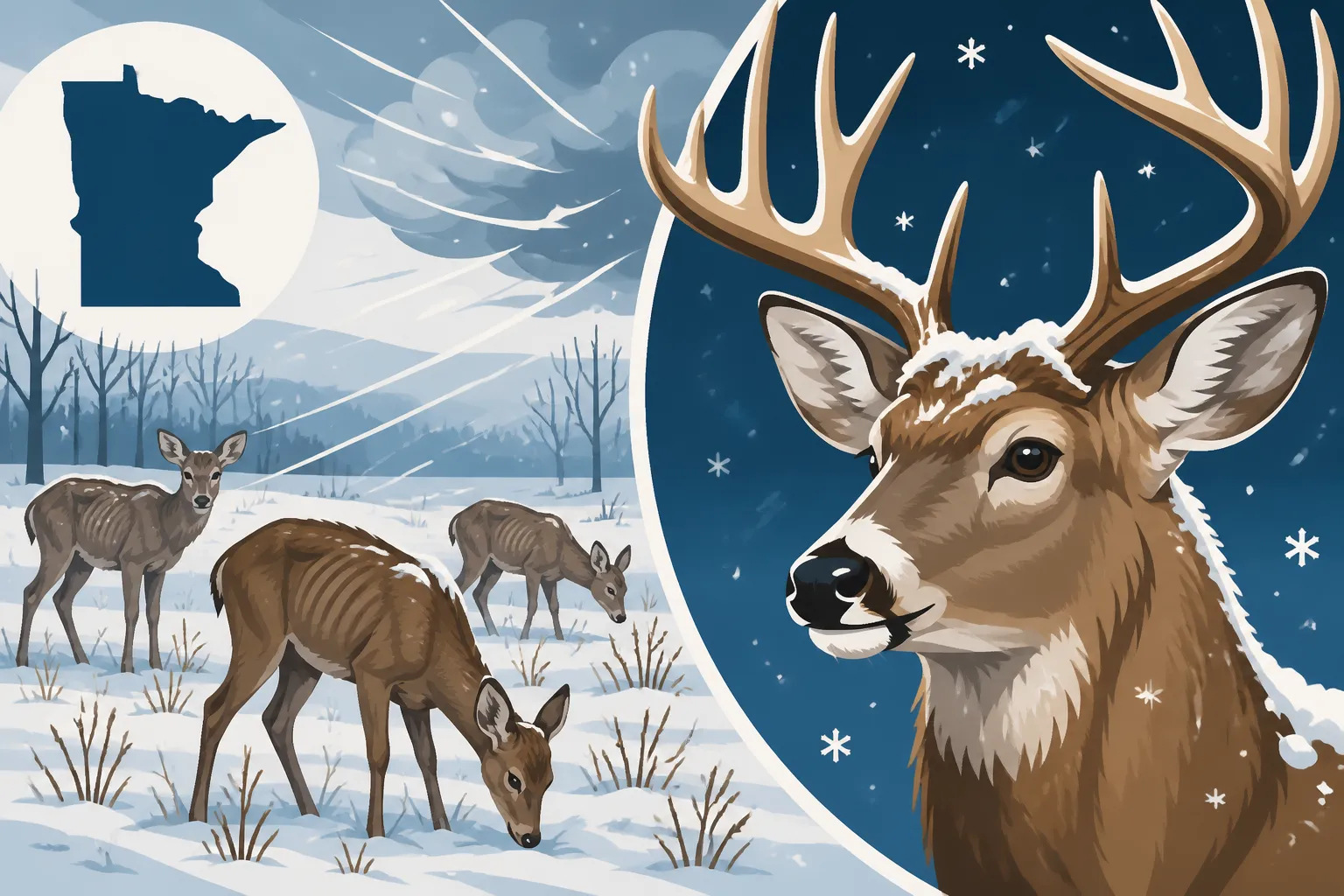
The most immediate and heartbreaking consequence of a severe winter is often direct mortality. Deer are incredibly tough animals, but they have their limits. When deep snow persists for weeks or even months, accessing critical browse becomes nearly impossible. Their primary food sources, like twigs, buds, and residual forbs, get buried under layers of white, forcing them to burn through their fat reserves at an alarming rate. Imagine trying to wade chest-deep in snow for every bite of food; it's exhausting and calorie-intensive.
Compounding this is the sheer cold. While deer coats are amazing insulators, prolonged exposure to sub-zero temperatures, especially with wind chill, drains energy quickly. Fawns, born the previous spring, are particularly vulnerable. They haven't had a full year to build up the fat reserves of an adult, and their smaller body size means they lose heat faster. We've all walked through the woods in spring and stumbled upon the grim evidence – a winter-killed fawn, a poignant reminder of nature's unforgiving hand. In these situations, understanding the Northern Minnesota Deer Density often reveals how such events can drastically reduce local populations.
Increased Vulnerability to Predation
A deer weakened by starvation and struggling through deep snow is a deer at a severe disadvantage. Their natural agility, speed, and endurance, which are their primary defenses against predators, are severely compromised. Moving through heavy snow becomes a laborious effort, leaving them exhausted and exposed. This makes them much easier targets for predators like wolves and coyotes, especially in the vast wilderness of northern Minnesota.
Predators, ever opportunistic, key into these conditions. They don't have to work as hard to chase down a deer that's post-holing through drifts. It's a natural, albeit harsh, part of the ecosystem, but it means that the deer that survive starvation and exposure then face an even higher risk of becoming a meal. This often leads to a higher rate of Minnesota Deer Vehicle Collisions too, as desperate deer are forced to move along plowed roads or railway lines, putting them in harm's way simply to find easier travel or exposed forage.
Ripple Effects: How Winter Stress Impacts Future Generations and Antler Growth
The damage from a severe winter doesn't just stop when the snow melts. Its effects echo through the deer herd for years, influencing everything from reproductive success to the size of next fall's antlers.
Reduced Fawn Survival and Doe Productivity
One of the most significant long-term impacts is on fawn recruitment. Does that survive a brutal winter are often in poor physical condition. Their body fat reserves, which are crucial for gestation and lactation, are severely depleted. This can lead to several problems:
- Lower Conception Rates: Does may not even get bred if they are too malnourished.
- Reduced Fecundity: Instead of having twins, a doe might only carry a single fawn, or sometimes none at all.
- Stillbirths or Early Fawn Mortality: Even if a fawn is carried to term, a stressed doe might struggle to birth it, or her milk production might be insufficient, leading to the fawn dying shortly after birth.
The result is a noticeable dip in the number of fawns making it to their first winter. This isn't just a single-year problem; fewer fawns mean fewer yearlings the next year, and fewer mature does and bucks in the years that follow. When How the DNR Counts Minnesota Deer takes place, these impacts become starkly visible in their surveys.
Suppressed Antler Development in Bucks
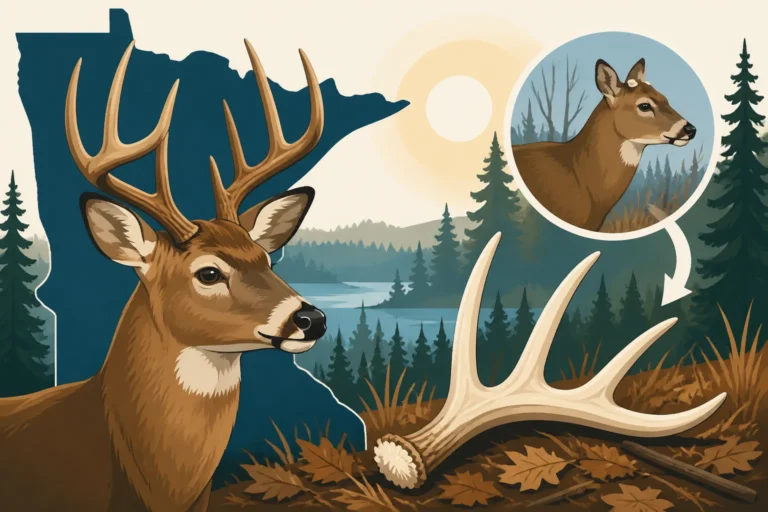
For many hunters, the health of the buck population, particularly antler size, is a key indicator of herd well-being. A severe winter can significantly suppress antler development. Antlers are a secondary sexual characteristic, and their growth is energetically expensive. Bucks, like does, enter winter with fat reserves. If these reserves are exhausted just to survive, the energy that would normally go into growing impressive racks in the spring is diverted to basic metabolic functions and body repair.
A buck that barely scrapes through winter is simply not going to grow the same caliber of antlers as one that came out of winter strong. We might see more spike bucks, smaller forked horns, and generally less impressive headgear across the board, even from older animals. It can take several years of mild winters and good nutrition for the antler quality to fully rebound, illustrating Why the Big Woods Grows Older Bucks and why good nutrition year-round is so vital. When planning your next hunting season, mapping tools like GoHunt can be invaluable for identifying potential wintering areas and the surrounding food sources that might indicate a stronger rebound.
Altered Winter Range and Foraging Behavior
Severe winters force deer to alter their behavior and habitat use dramatically. They'll often abandon traditional feeding areas for dense conifer stands, cedar swamps, or river bottoms that offer better thermal cover and protection from the wind. These areas, known as "deer yards" or wintering complexes, become critical refuges. However, repeated use of these areas during severe winters can lead to over-browsing, further degrading the habitat and reducing its future capacity to support deer.
Deer also become far less selective in their foraging. Instead of browsing on preferred twigs and buds, they might strip bark off trees, consume less palatable evergreens, or desperately dig for buried morsels, all of which are less nutritious but offer some caloric intake. Hunters might find clues to these struggles when Scouting Minnesota Public Land Before Season, noting heavily browsed areas in wintering cover.
The Long-Term Consequences for Minnesota's Northern Deer Herds
The immediate and ripple effects of a brutal Minnesota winter compound over time, shaping the very structure and health of the deer population for years, and directly influencing our hunting seasons.
Shifting Population Dynamics and Age Structure
A severe winter can lead to a significant decline in the overall Minnesota Deer Population Estimate. This isn't just about fewer deer; it also fundamentally shifts the age structure of the herd. Fawns, being the most vulnerable, suffer the highest mortality. This means fewer young deer entering the breeding population in subsequent years. Over time, you might see a herd with fewer 1.5-year-old and 2.5-year-old deer, as those age classes were the fawns and yearlings that endured the harsh winter.
The sex ratio can also be affected, though typically less dramatically. While bucks might be more vulnerable due to their post-rut condition, does also suffer high mortality, especially those carrying fawns. This slower recovery period can leave a noticeable gap in the age classes, making it harder for the herd to bounce back quickly even with a few mild winters afterward. Understanding these dynamics is key to responsible wildlife management and hunter expectations.
Impact on Hunting Opportunities and Regulations
For hunters, the long-term consequence of a severe winter is often a direct reduction in hunting opportunities. When deer numbers are down, especially in specific permit areas, the state wildlife agencies will often respond by reducing antlerless permits, or even declaring some areas bucks-only to allow the population to recover. Nobody likes to see fewer tags, but it's a necessary step to protect the breeding stock and ensure future hunting opportunities.
These regulations can sometimes persist for several years after a particularly bad winter, even if subsequent winters are mild, to allow the population to rebuild robustly. It requires patience and understanding from the hunting community. It's a stark reminder that hunting isn't just about the deer we pursue in a given season, but about the long-term health of the entire herd and its ability to weather nature's challenges. If you're looking for information on current tag availability, remember to check official sources after The Minnesota Deer Registration Deadline passes, as these numbers will influence future seasons.
What Hunters Can Do: Understanding and Adapting to Winter's Influence
As hunters, we can't control the weather, but we can certainly understand its impact and adapt our approach to both enjoy our passion and contribute to the health of Minnesota's deer herd.
Post-Winter Scouting and Habitat Assessment
One of the most valuable things a hunter can do after a severe winter is to get out and scout once the snow melts. Look for signs of winter mortality, but more importantly, assess the condition of the wintering areas. Have the critical browse species been heavily utilized? Are there new trails indicating deer have shifted their wintering grounds? You might even find Late-Season Food Sources for Minnesota Whitetails that were critical during the difficult months.
Pay attention to what's growing back and where. Healthy, regenerating browse means better nutrition for the surviving deer. Use aerial photos, perhaps with a mapping tool like GoHunt, to identify likely deer yards – dense conifer stands, river bottoms, or other areas offering significant thermal cover. Then, visit these areas to see how they've fared. This can give you an early indication of local deer numbers and overall health before the next hunting season even begins. Reading Aerial Photos for Big Woods Deer can really give you a leg up in understanding these changes.
Adapting Your Hunting Strategy
When you know a severe winter has hit, it’s wise to adjust your expectations and strategy. Deer numbers may be lower, and the remaining deer, particularly bucks, might be a year or two behind in antler development.
- Focus on Quality, Not Quantity: If the herd is down, consider holding out for a more mature animal if your tag allows.
- Hunt Smarter, Not Harder: Instead of blindly walking through areas, focus your efforts on prime habitat where deer would have been most likely to survive. Look for areas with good cover adjacent to resilient food sources.
- Patience is Key: Deer might be more spread out, or their patterns altered. A Cold-Weather Sitting Strategy in Minnesota will be more important than ever, as you might need to spend more time patiently waiting for the right opportunity.
- Utilize Scouting Tools: Modern mapping applications, including GoHunt, offer invaluable layers that can highlight different habitat types, elevation changes, and access points. These tools can help you pinpoint transition areas, residual food plots, and escape cover that become even more critical when deer numbers are lower and pressure is higher. Finding Sign in Minnesota Big Woods often requires a keen eye and good mapping tools.
Remember, every winter is a challenge, but the deer of northern Minnesota are survivors. By understanding these challenges, we can be more informed and ethical hunters, contributing to the long-term health and sustainability of these incredible animals.
Impact of Winter Severity on Deer Herd Metrics
Here's a quick look at how mild versus severe winters generally impact various aspects of a northern Minnesota deer herd.
| Metric | Mild Winter | Severe Winter |
|---|---|---|
| Fawn Survival | High (70-90%) | Low (30-60%) |
| Adult Doe Mortality | Low (5-10%) | Moderate to High (15-30%+) |
| Buck Antler Size | Good to Excellent (Energy for growth) | Reduced (Energy diverted to survival) |
| Doe Fecundity | High (More twins/triplets) | Lower (Fewer twins, more singles) |
| Body Condition | Good, maintain fat reserves | Poor, deplete fat reserves |
| Population Trend | Stable to Increasing | Decreasing, slow recovery |
| Hunting Success | Typically good, robust numbers | Lower, due to reduced deer density and fewer tags |
| Winter Range Use | Less concentrated, wider foraging | Highly concentrated in thermal cover, heavy browse |
| Predation Risk | Lower, deer can evade | Higher, deer are weakened and slow |
Disclaimer
This article is for general informational purposes only and does not constitute professional advice. Laws, prices and regulations vary by location and change over time. Consult a qualified professional for guidance on your specific situation.